
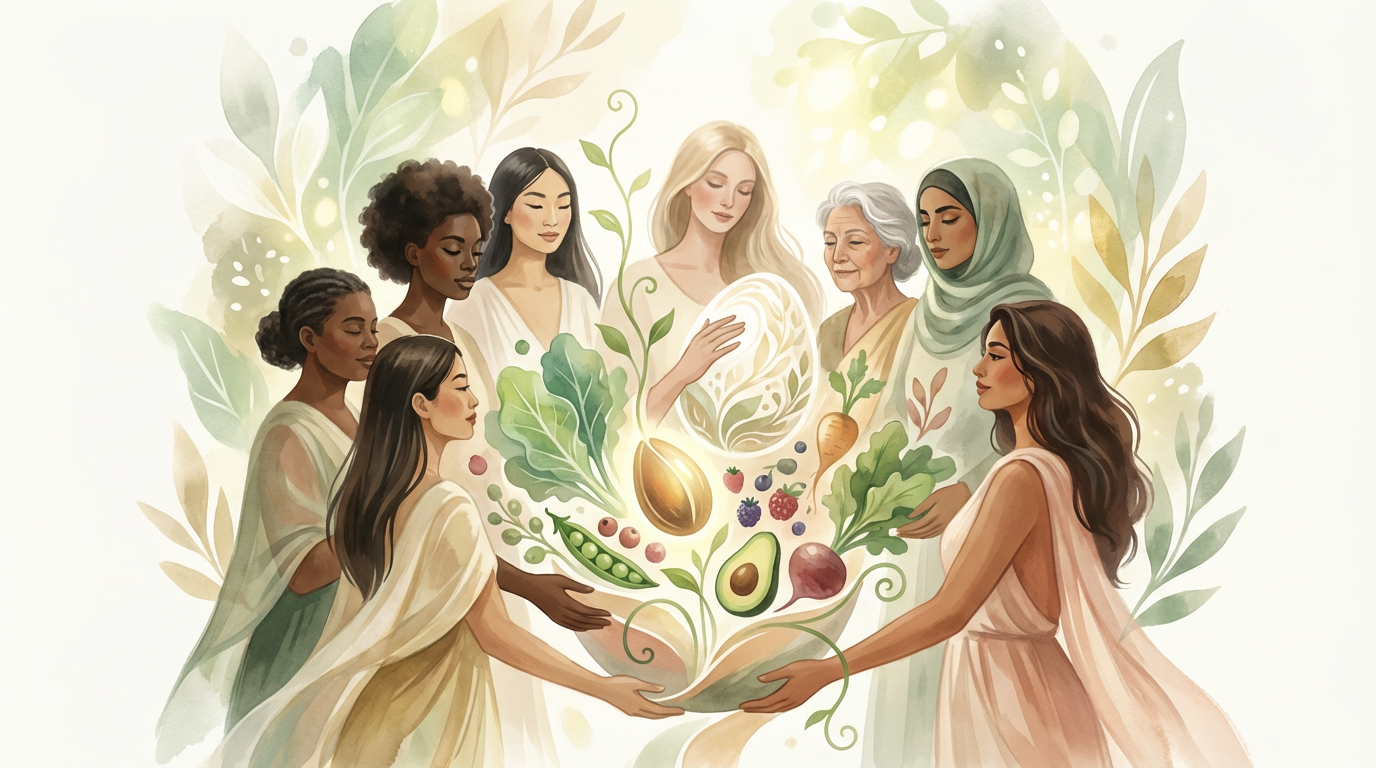
Vegan Fertility: Optimizing Conception on a Plant-Based Diet
Maximize your fertility on a vegan diet with strategic nutrition for B12, omega-3s, iron, zinc, and complete proteins. Includes preconception timeline, male factor support, and IVF considerations for plant-based conception.
Listen to this article
~34 min listen
Vegan Fertility: Optimizing Conception on a Plant-Based Diet
A well-planned vegan diet can support optimal fertility through anti-inflammatory compounds, antioxidants, and hormone-balancing nutrients. Research shows plant-based eating patterns are associated with better fertility outcomes when key nutrients are optimized. This guide shows you how to maximize your conception chances while maintaining your vegan values.
The Vegan Fertility Advantage
Plant-based diets offer unique benefits for fertility:
Anti-inflammatory foundation: Lower inflammation improves egg quality, sperm health, and implantation success.
Fiber for hormone balance: 25-35g daily fiber helps eliminate excess estrogen and balance hormones.
Antioxidant abundance: Protects eggs and sperm from oxidative damage.
Lower toxin exposure: Plant foods contain fewer endocrine disruptors than animal products.
Healthy body weight: Plant-based eating supports optimal BMI for fertility.
Research findings: The Nurses Health Study found women following plant-based eating patterns had 22% lower risk of ovulatory infertility.
Critical Nutrients for Vegan Conception
Folate: The Preconception Essential
Folate (vitamin B9) prevents neural tube defects and supports healthy egg development. Vegans typically get abundant folate from plant foods.
Daily needs: 400-800mcg before conception, 600-800mcg during pregnancy
Vegan folate sources:
- •Lentils (1 cup): 358mcg
- •Chickpeas (1 cup): 282mcg
- •Asparagus (1 cup): 268mcg
- •Spinach (1 cup cooked): 263mcg
- •Avocado (1 medium): 163mcg
- •Broccoli (1 cup): 104mcg
- •Fortified cereals: 100-400mcg per serving
Supplementation: Most prenatal vitamins contain 400-800mcg folic acid (synthetic form) or folate (natural form). Take for at least 3 months before trying to conceive.
Methylfolate consideration: Some women have MTHFR gene variants that impair folate metabolism. If you have MTHFR mutations, choose prenatal with methylfolate (5-MTHF) instead of folic acid.
Iron: Building Healthy Blood
Adequate iron is essential for ovulation, implantation, and preventing early pregnancy complications. Vegans need nearly double the iron intake due to lower absorption from plant sources.
Daily needs: 18mg for menstruating women Preconception optimization: Aim for ferritin levels 50-100 ng/mL
High-iron vegan foods:
- •Lentils (1 cup): 6.6mg
- •Kidney beans (1 cup): 5.2mg
- •Tofu (1/2 cup): 3.4mg
- •Quinoa (1 cup): 2.8mg
- •Pumpkin seeds (1/4 cup): 5.2mg
- •Dried apricots (1/2 cup): 3.5mg
- •Blackstrap molasses (1 tbsp): 3.5mg
Absorption strategy:
- •Pair iron with vitamin C (lentils with tomatoes, beans with peppers)
- •Cook in cast iron pans
- •Soak legumes overnight before cooking
- •Avoid tea and coffee with meals
Testing: Get ferritin checked 3-6 months before trying to conceive. Supplement if below 50 ng/mL.
Vitamin B12: The Non-Negotiable
B12 is crucial for DNA synthesis in developing eggs and healthy fetal development. Deficiency can cause infertility and pregnancy complications.
Daily needs: 2.4-2.6mcg minimum, 25-100mcg supplementation recommended
Vegan B12 reality: No reliable plant sources exist. Supplementation is essential.
Supplement protocol:
- •Daily: 25-100mcg cyanocobalamin or methylcobalamin
- •Weekly: 2,000mcg cyanocobalamin
- •Sublingual or spray for better absorption
Preconception testing: Check B12 levels 6 months before trying to conceive. Optimal: 400-900 pg/mL. If deficient, may need higher doses or injections to restore levels.
Partner needs: Male partners also need adequate B12 for healthy sperm production. Ensure he's supplementing too.
Omega-3 Fatty Acids: Essential for Fertility
Omega-3s reduce inflammation, improve egg quality, regulate hormones, and support uterine blood flow—all critical for conception.
Daily needs: 250-500mg combined EPA+DHA
Plant ALA sources (limited conversion):
- •Flaxseeds (ground, 1 tbsp): 2.4g ALA
- •Chia seeds (1 tbsp): 2.5g ALA
- •Walnuts (1/4 cup): 2.7g ALA
- •Hemp seeds (3 tbsp): 2.7g ALA
Problem: Only 5-10% of ALA converts to EPA, and 2-5% to DHA. This means consuming flax alone likely won't meet fertility needs.
Solution: Algae-based EPA+DHA supplements
- •Provide EPA and DHA directly
- •No conversion needed
- •Recommended: 250-500mg EPA+DHA daily
- •Brands: Nordic Naturals Algae Omega, Ovega-3, Testa Omega-3
Research: Women with higher omega-3 levels have better egg quality, improved embryo morphology, and higher pregnancy rates in IVF.
Zinc: Hormone Production and Ovulation
Zinc is essential for making estrogen, progesterone, and testosterone, regulating menstrual cycles, and supporting egg maturation.
Daily needs: 8mg for women, 11mg for men Vegan consideration: May need 12-14mg due to phytates reducing absorption
Vegan zinc sources:
- •Pumpkin seeds (1/4 cup): 2.7mg
- •Chickpeas (1 cup): 2.5mg
- •Hemp seeds (3 tbsp): 3mg
- •Cashews (1/4 cup): 1.9mg
- •Lentils (1 cup): 2.5mg
- •Oats (1 cup cooked): 2.3mg
Enhancing absorption:
- •Soak legumes and grains
- •Ferment (tempeh, sourdough)
- •Sprout beans and seeds
Male factor: Zinc is especially critical for sperm health. Male partners should consume 11mg daily from food plus consider 15-30mg supplementation.
Supplementation: If cycles are irregular or longer than 35 days, consider 15-30mg zinc (picolinate or citrate) daily.
Iodine: Thyroid Function and Ovulation
Thyroid health directly affects ovulation regularity and fertility. Iodine deficiency can cause anovulatory cycles, heavy periods, and miscarriage.
Daily needs: 150mcg for women trying to conceive, 220mcg during pregnancy
Vegan iodine challenge: Main sources are iodized salt and seaweed.
Reliable sources:
- •Iodized salt (1/4 tsp): 71mcg
- •Nori seaweed (1 sheet): 16-43mcg
- •Wakame seaweed (1 tbsp): 80mcg
- •Fortified plant milk (varies): 50-80mcg per cup
Seaweed caution: Kelp can contain excessive iodine (>1,000mcg per serving). Stick to nori or wakame in moderate amounts.
Preconception strategy: Use iodized salt regularly or take 150mcg iodine supplement. Get thyroid function tested (TSH, Free T3, Free T4) 3-6 months before trying to conceive.
Vitamin D: The Fertility Hormone
Vitamin D regulates genes involved in ovulation, implantation, and hormone production. Deficiency is linked to PCOS, endometriosis, and infertility.
Daily needs: 600-800 IU minimum, 1,000-2,000 IU optimal for fertility
Vegan D3 sources:
- •Fortified plant milk (1 cup): 100-150 IU
- •UV-exposed mushrooms (3oz): 400 IU
- •Sunlight exposure: 1,000-10,000 IU depending on skin tone, latitude, season
Reality: Most vegans need supplementation.
Supplement protocol:
- •Daily: 1,000-2,000 IU vitamin D3 (from lichen)
- •Weekly: 10,000 IU vitamin D3
Preconception testing: Check vitamin D levels 6 months before trying to conceive. Optimal for fertility: 40-60 ng/mL. If deficient, may need higher doses (5,000 IU daily) to restore levels.
Complete Protein: Building Blocks for Hormones
Adequate protein supports hormone production, blood sugar stability, and egg quality. Low protein can disrupt ovulation.
Daily needs: 0.8-1.2g per kg body weight Example: 140lb woman needs 50-76g daily
Complete vegan proteins:
- •Soy products: tofu, tempeh, edamame (all essential amino acids)
- •Quinoa (1 cup): 8g protein
- •Hemp seeds (3 tbsp): 10g protein
- •Buckwheat (1 cup): 6g protein
Protein combining:
- •Legumes + grains: beans and rice, lentil pasta
- •Legumes + seeds: hummus with tahini
- •Nuts + grains: almond butter on whole grain toast
Distribute protein: Aim for 15-25g protein per meal for optimal hormone support.
Male Factor Fertility: Partner Nutrition
50% of infertility cases involve male factor issues. Your partner's nutrition is equally important.
Critical Nutrients for Sperm Health
Zinc (11mg daily):
- •Essential for testosterone production
- •Improves sperm count, motility, morphology
- •Supplement: 30-50mg daily if deficient
Selenium (55mcg daily):
- •Protects sperm from oxidative damage
- •Brazil nuts (2-3 nuts): 95mcg
- •Sunflower seeds (1/4 cup): 19mcg
Vitamin C (90mg minimum, 200-500mg optimal):
- •Reduces DNA fragmentation in sperm
- •Improves sperm motility
- •Bell peppers, citrus, strawberries, kiwi
CoQ10 (200-300mg daily):
- •Improves sperm count and motility
- •Particularly important for men over 35
- •Supplement form: Ubiquinol (active form)
Omega-3s (250-500mg EPA+DHA):
- •Improves sperm membrane fluidity
- •Increases sperm count
- •Algae-based supplement essential
Folate (400mcg daily):
- •Reduces sperm DNA abnormalities
- •Leafy greens, legumes, fortified foods
Vitamin E (15mg daily):
- •Antioxidant protecting sperm
- •Almonds, sunflower seeds, avocado
Sperm Development Timeline
Sperm takes 74 days to fully mature. This means:
3 months before conception attempts: Both partners should optimize nutrition and supplements.
Avoid during sperm development:
- •Alcohol (significantly impairs sperm quality)
- •Smoking and vaping
- •Excessive heat (hot tubs, saunas, tight underwear)
- •Excess soy for men (moderate intake fine)
Sperm-supporting vegan foods:
- •Pumpkin seeds (zinc)
- •Walnuts (omega-3s)
- •Brazil nuts (selenium)
- •Berries (antioxidants)
- •Leafy greens (folate)
- •Bell peppers (vitamin C)
Optimizing Your Vegan Fertility Diet
The Fertility Plate
50% vegetables and fruits:
- •Rainbow variety for diverse antioxidants
- •Dark leafy greens daily (folate, iron, calcium)
- •Cruciferous vegetables (broccoli, cauliflower, Brussels sprouts) for estrogen metabolism
- •Berries for antioxidants
25% whole grains:
- •Quinoa, oats, brown rice, buckwheat
- •Complex carbs for blood sugar stability
- •B vitamins for hormone production
25% protein:
- •Legumes (beans, lentils, chickpeas)
- •Soy foods (tofu, tempeh, edamame)
- •Nuts and seeds
- •15-25g protein per meal
Healthy fats:
- •Avocado, nuts, seeds
- •Omega-3 rich foods (flax, chia, walnuts)
- •Cold-pressed oils (olive, avocado, flaxseed)
Foods to Emphasize for Fertility
Antioxidant powerhouses:
- •Blueberries, raspberries, strawberries
- •Pomegranate
- •Dark chocolate (70%+ cacao)
- •Green tea
Anti-inflammatory foods:
- •Turmeric with black pepper
- •Ginger
- •Leafy greens
- •Colorful vegetables
Hormone-balancing foods:
- •Cruciferous vegetables (DIM compound supports estrogen metabolism)
- •Flaxseeds (lignans balance hormones)
- •Soy foods (isoflavones support hormonal balance)
Blood sugar stabilizers:
- •Lentils and beans (low glycemic index)
- •Oats (slow-release energy)
- •Cinnamon (improves insulin sensitivity)
Foods to Limit for Fertility
Refined sugars and carbs:
- •Spike insulin, disrupt hormone balance
- •Limit white bread, pastries, candy
- •Choose whole grains instead
Trans fats:
- •Found in some processed vegan foods
- •Read labels: avoid "partially hydrogenated oils"
Excess caffeine:
- •Limit to 200mg daily (about 2 cups coffee)
- •Caffeine >300mg daily associated with reduced fertility
Soy protein isolates:
- •Highly processed form in some vegan meats
- •Choose whole soy foods (tofu, tempeh, edamame) instead
High-mercury foods:
- •Not an issue for vegans (main source is large fish)
- •Advantage of plant-based diet
Preconception Timeline: 6 Months to Conception
6 Months Before TTC
Testing:
- •Comprehensive metabolic panel
- •Thyroid function (TSH, Free T3, Free T4)
- •Vitamin D, B12, ferritin
- •Consider AMH test (ovarian reserve)
Start supplementing:
- •Prenatal vitamin with folate/methylfolate
- •B12 (25-100mcg daily or 2,000mcg weekly)
- •Vitamin D3 (1,000-2,000 IU)
- •Algae omega-3s (250-500mg EPA+DHA)
Diet optimization:
- •Track protein intake (aim for 50-75g daily)
- •Increase iron-rich foods
- •Add fermented foods for gut health
3 Months Before TTC
Partner involvement:
- •Both partners optimize nutrition
- •Male partner starts supplements (zinc, selenium, CoQ10, omega-3s)
- •Eliminate alcohol completely
Advanced testing (if indicated):
- •Semen analysis for male partner
- •Day 3 FSH and estradiol (ovarian reserve)
- •Progesterone day 21 (confirming ovulation)
Lifestyle optimization:
- •Regular exercise (not excessive)
- •Stress management (meditation, yoga)
- •Adequate sleep (7-9 hours)
- •Limit endocrine disruptors (BPA, phthalates in plastics)
1 Month Before TTC
Track ovulation:
- •Basal body temperature charting
- •Ovulation predictor kits
- •Cervical mucus monitoring
- •Consider fertility tracking app
Optimize timing:
- •Intercourse every 1-2 days during fertile window
- •Focus on days leading up to ovulation
Continue all supplements:
- •Don't stop even if you suspect pregnancy
- •Continue through first trimester minimum
Addressing Vegan Fertility Challenges
Problem: Irregular or absent periods
Possible causes:
- •Insufficient calorie intake
- •Too low body fat percentage
- •Thyroid dysfunction
- •PCOS
Solutions:
- •Ensure adequate calories (at least 1,800-2,000 daily)
- •Healthy fats at every meal
- •Get thyroid checked
- •See reproductive endocrinologist if cycles don't regulate
Problem: Short luteal phase (<10 days)
Possible causes:
- •Low progesterone production
- •Vitamin C deficiency
- •Low cholesterol (need fat for hormone production)
Solutions:
- •Increase healthy fats (avocado, nuts, seeds)
- •Vitamin C supplementation (500-1,000mg daily)
- •Consider B6 supplementation (50-100mg daily)
- •Vitex (chasteberry) supplement may help (consult healthcare provider)
Problem: Anovulation (not ovulating)
Possible causes:
- •PCOS
- •Hypothalamic amenorrhea (low body weight, over-exercise, stress)
- •Thyroid dysfunction
- •Premature ovarian insufficiency
Solutions:
- •See reproductive endocrinologist for diagnosis
- •Address underlying cause
- •May need medication (Clomid, letrozole) alongside diet optimization
Problem: Poor egg quality (over 35)
Possible causes:
- •Age-related oxidative stress
- •Nutrient deficiencies
- •Inflammation
Solutions:
- •High-antioxidant diet (berries, vegetables)
- •CoQ10 supplementation (200-600mg ubiquinol daily)
- •Ensure optimal vitamin D, omega-3s
- •Consider acupuncture (research shows benefits)
- •DHEA supplementation (consult reproductive endocrinologist)
IVF and ART Considerations for Vegans
If you're undergoing fertility treatment:
Nutritional priorities:
- •Protein: 1.2-1.5g per kg body weight
- •Antioxidants: Maximize colorful vegetables and fruits
- •Omega-3s: 500-1,000mg EPA+DHA daily
- •Hydration: 2-3 liters water daily
Supplements for IVF:
- •Continue all preconception supplements
- •Add CoQ10: 200-600mg ubiquinol daily (improves egg quality)
- •Consider DHEA if recommended by RE (25-75mg daily)
- •High-dose vitamin D if deficient (5,000 IU until levels normalize)
During stimulation:
- •High-protein diet supports egg development
- •Adequate salt to prevent OHSS (ovarian hyperstimulation syndrome)
- •Avoid alcohol, caffeine >200mg, vigorous exercise
Post-transfer:
- •Continue prenatal vitamins
- •Focus on anti-inflammatory foods
- •Adequate calories (don't restrict)
- •Gentle movement only
Research on veganism and IVF: Limited studies exist, but women with high vegetable intake and low animal product consumption have shown equal or better IVF outcomes compared to omnivores.
Success Story Patterns
Common themes among vegans who conceived successfully:
Supplement adherence:
- •Never missed B12, omega-3s, or prenatal vitamins
- •Tested levels regularly and adjusted
Protein prioritization:
- •Conscious effort to eat 50-75g daily
- •Protein at every meal
Both partners optimized:
- •Male partners also focused on nutrition and supplements
- •Eliminated alcohol together
Addressed deficiencies:
- •Tested and corrected low ferritin, vitamin D, B12
- •Monitored thyroid function
Balanced approach:
- •Didn't restrict calories excessively
- •Included healthy fats generously
- •Focused on whole foods, not processed vegan products
Your Vegan Fertility Action Plan
Daily essentials:
- •Prenatal vitamin with folate/methylfolate
- •B12: 25-100mcg (or 2,000mcg weekly)
- •Vitamin D3: 1,000-2,000 IU
- •Algae omega-3s: 250-500mg EPA+DHA
- •50-75g protein from varied sources
- •8-10 servings vegetables and fruits
- •Healthy fats at every meal
Weekly priorities:
- •5-7 servings legumes
- •2-3 servings soy foods
- •2-3 servings nuts and seeds
- •7+ servings dark leafy greens
- •5+ servings whole grains
Male partner essentials:
- •Same supplements as above
- •Add: Zinc (30-50mg), selenium (200mcg), CoQ10 (200-300mg), vitamin C (500mg)
- •Eliminate alcohol 3+ months before TTC
Testing timeline:
- •6 months before: Vitamin D, B12, ferritin, thyroid
- •3 months before: Repeat deficiencies, AMH if over 35
- •1 month before: Begin ovulation tracking
Lifestyle support:
- •7-9 hours sleep nightly
- •Regular moderate exercise
- •Stress management practices
- •Avoid endocrine disruptors
- •Maintain healthy BMI (18.5-24.9)
The Bottom Line
A vegan diet can absolutely support optimal fertility when key nutrients are prioritized: B12, omega-3s, iron, zinc, iodine, vitamin D, folate, and complete protein. The anti-inflammatory, antioxidant-rich foundation of plant-based eating provides unique advantages for conception, egg quality, and implantation.
Keys to vegan fertility success:
- •Supplement strategically (B12, omega-3s, vitamin D are non-negotiable)
- •Test nutrient levels and correct deficiencies before trying to conceive
- •Both partners optimize nutrition for 3+ months before TTC
- •Eat adequate calories, protein, and healthy fats
- •Focus on whole foods, not processed vegan products
- •Work with healthcare providers knowledgeable about plant-based nutrition
Timeline matters: Start optimizing 6 months before trying to conceive for best results. Your fertility is influenced by nutrition from months prior, not just the cycle you're trying.
With proper planning, a vegan diet provides everything needed for healthy conception and pregnancy—while honoring your ethical values.
Plant-powered fertility is absolutely possible.
Cite this article
PERIODiQ Editorial Team (2025). "Vegan Fertility: Optimizing Conception on a Plant-Based Diet." PERIODiQ. https://periodiq.app/library/vegan-fertility
"Vegan Fertility: Optimizing Conception on a Plant-Based Diet." PERIODiQ, 2025, https://periodiq.app/library/vegan-fertility.
Send this to a friend — PERIODiQ is free for them too. No card. No paywall.
Loved this? Save articles, track your cycle, and unlock meditations — free forever.
Disclaimer: PERIODiQ™ offers general wellness information only. It does not provide medical advice, diagnosis, or treatment. Always speak with a licensed health professional about your health.