
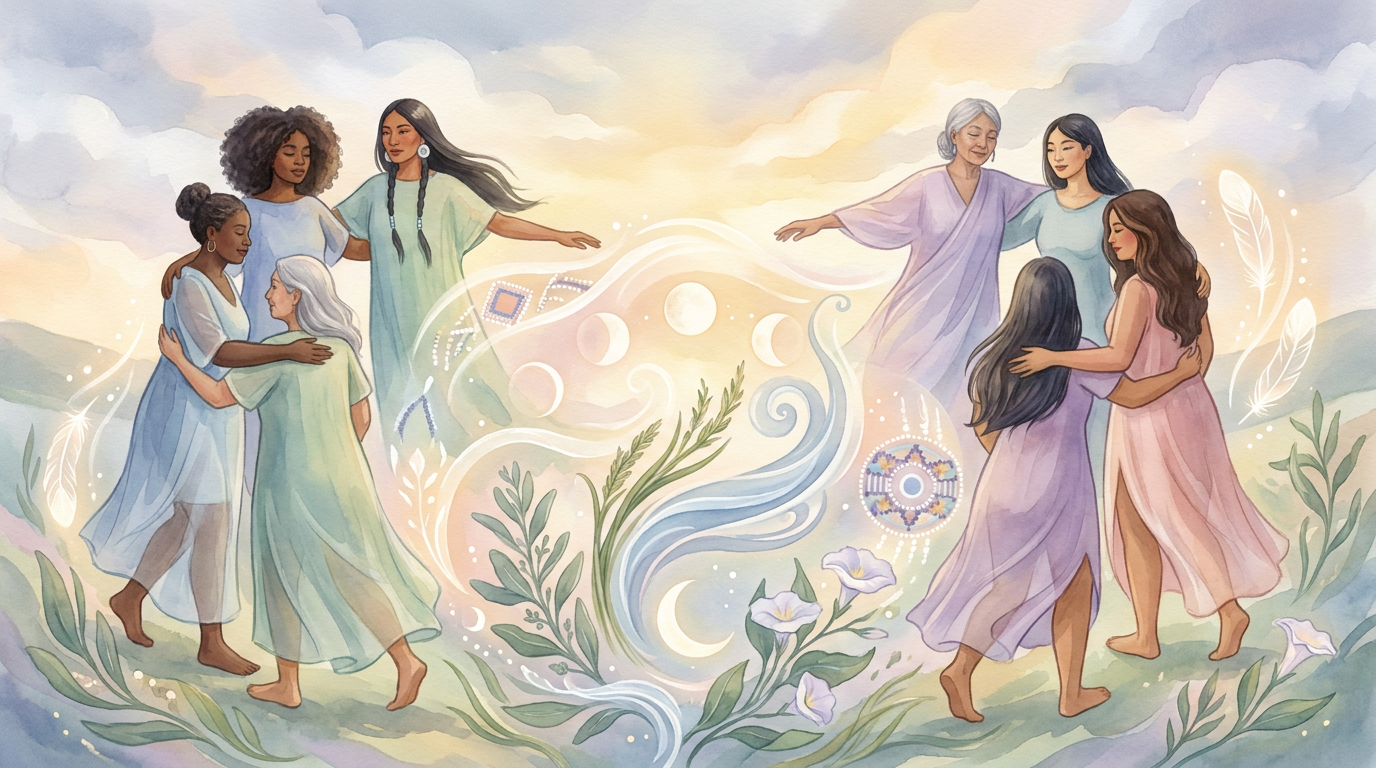
Two-Spirit and Indigenous Trans Wellness: Cycle, Hormones, and Belonging
Generated article about Two-Spirit and Indigenous Trans Wellness: Cycle, Hormones, and Belonging
Listen to this article
~23 min listen
Click play to generate audio narration with a calming voice
TL;DR Summary
- •Two-Spirit and Indigenous trans wellness integrates traditional Indigenous knowledge with modern healthcare, centering on holistic well-being for diverse gender identities, including cycle and hormonal health.
- •Affirming belonging and identity is crucial, addressing historical trauma and advocating for culturally safe, inclusive healthcare environments for Two-Spirit individuals and Indigenous trans people.
- •Understanding hormonal health, whether endogenous or exogenous, and its impact on the body is key, requiring personalized care that respects individual journeys and traditional practices.
Two-Spirit Health: Cycle, Hormones, and Indigenous Trans Wellness
Two-Spirit health and Indigenous trans wellness are vital areas of focus that necessitate a holistic, culturally informed approach to well-being, acknowledging the profound connections between identity, community, and bodily health, including cycle and hormonal experiences. This article explores the nuanced landscape of wellness for Two-Spirit individuals and Indigenous trans people, emphasizing the importance of affirming identity, understanding hormonal health, navigating menstruation, and fostering a deep sense of belonging within both traditional and contemporary contexts. By integrating evidence-based medical knowledge with respectful recognition of Indigenous sovereignty over traditional knowledge, we aim to provide comprehensive, empathetic, and actionable insights while strongly recommending connection with local elders and knowledge keepers for specific cultural guidance.
What Does Two-Spirit Mean in the Context of Wellness?
Two-Spirit is an umbrella term adopted by some Indigenous people to describe Indigenous individuals who embody masculine and feminine spirits, often encompassing diverse sexual, gender, and spiritual identities that predate European colonization. In the context of wellness, Two-Spirit health involves a holistic framework that recognizes the interconnectedness of physical, mental, emotional, and spiritual well-being, rooted in Indigenous worldviews. This understanding goes beyond Western binary definitions of gender and sexuality, honoring the sacred roles and responsibilities Two-Spirit people held in many traditional societies. Wellness for Two-Spirit individuals is often about reclaiming these traditional roles, healing from historical trauma (including colonialism, forced assimilation, and discrimination), and fostering environments where their identities are celebrated and supported. It requires healthcare providers and communities to understand and respect these diverse identities, offering care that is not only medically sound but also culturally safe and affirming. The journey of wellness for Two-Spirit individuals often involves seeking balance and harmony, drawing strength from their cultural heritage and community ties, while also navigating contemporary health systems that may not always be inclusive or knowledgeable about their specific needs.
How Do Hormones Impact Indigenous Trans Wellness?
Hormones play a fundamental role in Indigenous trans wellness, significantly influencing physical, emotional, and mental health, particularly for those undergoing gender-affirming hormone therapy (GAHT) or experiencing natural hormonal cycles. For Indigenous trans men and transmasculine individuals, testosterone therapy can induce changes such as voice deepening, facial hair growth, muscle mass increase, and cessation of menstruation, while for Indigenous trans women and transfeminine individuals, estrogen and anti-androgen therapy can lead to breast development, skin softening, and redistribution of body fat. These hormonal shifts are deeply personal and can profoundly impact an individual's sense of self, body image, and overall well-being. Beyond GAHT, understanding the natural hormonal cycles (e.g., menstrual cycles) is also crucial for Indigenous trans and non-binary people who may still experience these bodily functions. For some, menstruation can be a source of gender dysphoria, requiring sensitive and affirming support. For others, it may be an accepted or even spiritual part of their experience, depending on their individual identity and cultural context. Healthcare providers must be knowledgeable about the effects of both endogenous and exogenous hormones, offering personalized care plans that respect individual health goals and cultural values. This includes monitoring for potential side effects, adjusting dosages as needed, and providing comprehensive education on hormonal changes. The impact of hormones extends to mental health, with individuals often reporting improved psychological well-being and reduced dysphoria when their hormone levels align with their affirmed gender identity. However, navigating these changes can also present challenges, underscoring the need for integrated mental health support.
What Are the Unique Considerations for Two-Spirit and Indigenous Trans People Regarding Menstruation?
For Two-Spirit and Indigenous trans people, menstruation can be a complex and often challenging experience, necessitating culturally sensitive and gender-affirming support. For many transmasculine individuals and non-binary people assigned female at birth, menstruation can trigger significant gender dysphoria, creating distress and alienation from their bodies. This dysphoria can be exacerbated by societal expectations and the lack of inclusive language and products in mainstream menstrual health. The experience of having a period can feel misgendering and lead to feelings of shame, isolation, or disconnection from one's affirmed identity. Some individuals may seek medical interventions to stop or suppress menstruation, such as hormonal birth control or gender-affirming hormone therapy (like testosterone), which often ceases periods. Others may explore surgical options like hysterectomy. It's crucial for healthcare providers to understand these varied responses and offer solutions that align with the individual's gender identity and wellness goals. Furthermore, traditional Indigenous perspectives on menstruation vary widely across nations and may hold different meanings. In some traditions, menstruation is considered a sacred time of power and introspection, while in others, there may be specific protocols or restrictions. For Two-Spirit people, particularly those whose gender roles diverged from colonial norms, traditional menstrual practices might not align with their contemporary experiences or identities. It is paramount that any discussion of traditional practices respects Indigenous sovereignty over knowledge and encourages individuals to connect with their own tribal elders and knowledge keepers for guidance. Healthcare and community support must focus on creating safe spaces where Indigenous trans and non-binary individuals can discuss their menstrual experiences without judgment, access affirming products and services, and receive education that validates their identities. This includes using inclusive language (e.g., "people who menstruate" instead of "women"), offering discrete options for menstrual product acquisition, and providing mental health support to address dysphoria or distress related to periods. Ultimately, the goal is to empower individuals to navigate their menstrual health in a way that affirms their identity and promotes their overall well-being.
How Can We Foster Belonging for Two-Spirit and Indigenous Trans Individuals in Wellness Spaces?
Fostering belonging for Two-Spirit and Indigenous trans individuals in wellness spaces is critical for healing and promoting holistic health, requiring intentional efforts to create environments that are culturally safe, affirming, and inclusive. Historically, Indigenous communities have been disrupted by colonization, leading to the erosion of traditional roles and understandings of gender and sexuality, which often included honored places for Two-Spirit people. This historical trauma, combined with contemporary discrimination and marginalization within mainstream healthcare and society, has created significant barriers to wellness. To foster belonging, wellness spaces must actively center Indigenous voices and perspectives, recognizing that traditional healing practices and knowledge systems offer profound avenues for well-being. This means moving beyond tokenistic gestures and engaging in meaningful partnerships with Indigenous communities, elders, and Two-Spirit/trans organizations. Creating culturally safe spaces involves training staff on Indigenous cultural competency, understanding the impacts of intergenerational trauma, and challenging heteronormative and cisnormative biases. It also means using inclusive language, providing gender-neutral facilities, and ensuring that all health information is presented in a way that respects diverse gender identities. For Indigenous trans wellness, it's essential to validate lived experiences and affirm gender identities without question. This can involve advocating for policies that support gender-affirming care, ensuring access to culturally relevant mental health services, and promoting community-led initiatives that celebrate Two-Spirit and Indigenous trans identities. Furthermore, fostering belonging extends to social and spiritual dimensions, encouraging the re-establishment of traditional kinship ties and supporting the revitalization of Indigenous languages and ceremonies. By creating spaces where Two-Spirit and Indigenous trans people feel seen, respected, and valued, we contribute significantly to their healing journeys and overall wellness, reinforcing that their existence is not only valid but sacred.
What Are the Best Practices for Inclusive Healthcare for Two-Spirit and Indigenous Trans People?
Best practices for inclusive healthcare for Two-Spirit and Indigenous trans people involve a comprehensive approach that prioritizes cultural safety, gender affirmation, and trauma-informed care, ensuring that services are respectful, accessible, and effective. Inclusive healthcare begins with recognizing and addressing the historical and ongoing impacts of colonialism, discrimination, and systemic racism on Indigenous communities, which have disproportionately affected Two-Spirit and Indigenous trans individuals. Healthcare providers must commit to continuous learning about Indigenous cultures, histories, and diverse gender identities, acknowledging that they may not be experts but are willing to learn and adapt. Key practices include: using affirming language (e.g., asking for and respecting chosen names and pronouns), offering gender-neutral washrooms and waiting areas, and ensuring intake forms are inclusive of diverse gender identities and sexual orientations. It is crucial to understand that not all Indigenous people identify as Two-Spirit, and not all Two-Spirit people identify as trans; respecting individual self-identification is paramount. Providing trauma-informed care means understanding how past traumas can impact present health behaviors and interactions with the healthcare system, creating an environment of trust and safety. This involves patient-centered communication, respecting autonomy, and avoiding re-traumatization. For medical care, this includes offering comprehensive gender-affirming care (hormone therapy, surgical referrals, voice therapy) if desired, alongside routine preventative health screenings that are tailored to the individual's anatomy and risk factors, regardless of their gender identity or presentation. For instance, a transmasculine individual who has not had a hysterectomy still needs cervical cancer screening. Furthermore, integrating traditional healing practices and collaborating with Indigenous elders and knowledge keepers, when appropriate and with explicit consent from the patient, can significantly enhance care. This respects Indigenous sovereignty over health and promotes a holistic approach to wellness. Advocacy for policy changes that support Indigenous health equity and trans rights is also a critical component of inclusive healthcare. Ultimately, inclusive healthcare aims to create a system where Two-Spirit and Indigenous trans individuals feel validated, safe, and empowered to access the care they need to thrive.
How Can Indigenous Trans Wellness Be Supported Through Community and Advocacy?
Indigenous trans wellness can be profoundly supported through robust community building and dedicated advocacy efforts, which are essential for creating environments where individuals feel seen, valued, and empowered. Community support is vital as it provides spaces for shared experiences, mutual aid, cultural connection, and emotional resilience, often serving as a buffer against external discrimination and isolation. For Two-Spirit and Indigenous trans people, connecting with others who share similar identities can be a powerful antidote to the historical and ongoing erasure they face. This can manifest through local Two-Spirit societies, Indigenous LGBTQ+ youth groups, online forums, and cultural gatherings that affirm diverse gender expressions and sexualities. These communities often facilitate knowledge sharing, mentorship, and collective healing from intergenerational trauma. Advocacy, on the other hand, involves actively working to dismantle systemic barriers and create more equitable and inclusive systems. This includes advocating for culturally safe healthcare policies, challenging discriminatory laws, and promoting education about Two-Spirit and Indigenous trans identities within both Indigenous and non-Indigenous communities. Advocacy efforts can focus on securing funding for Indigenous-led wellness initiatives, ensuring access to gender-affirming care, protecting land and water rights (which are intrinsically linked to Indigenous health), and combating violence and discrimination against Indigenous trans people. Furthermore, advocating for the revitalization of Indigenous languages and traditional practices is crucial, as these elements often carry ancestral knowledge about gender diversity and holistic wellness. By amplifying Indigenous voices and centering their leadership in these efforts, community and advocacy become powerful tools for not only improving individual well-being but also fostering collective liberation and justice for all Two-Spirit and Indigenous trans people. It's about creating a future where belonging is a given, and wellness is accessible and affirming for everyone.
Benefits by Life Stage
While the concept of "life stages" often aligns with cisgender female experiences, we adapt this section to be inclusive and relevant for Two-Spirit and Indigenous trans and non-binary people, focusing on how different aspects of wellness and care can support their unique journeys.
Menstrual Health (Periods, Cramps, PMS)
For Two-Spirit and Indigenous trans individuals who experience menstruation, comprehensive and affirming menstrual health support is paramount. This includes access to gender-affirming care that can help manage or suppress periods if desired, thereby alleviating gender dysphoria. For those who choose to continue menstruating, or for whom cessation is not an option, support involves providing discrete and accessible menstrual products, education on pain management for cramps and PMS symptoms, and mental health resources to address any associated distress. Culturally, some Indigenous traditions view menstruation as a powerful and sacred time; for Two-Spirit people, understanding how to engage with these traditions in a way that affirms their identity, potentially with guidance from elders, can be transformative. The focus is on empowering individuals to navigate their cycles in a way that aligns with their personal and spiritual well-being, free from judgment or misgendering. Inclusive language in all menstrual health discussions (e.g., "menstruators," "people who have periods") is essential.
Fertility Journey (TTC, Ovulation, Conception)
Navigating fertility can be complex for Two-Spirit and Indigenous trans people, especially for those who have undergone gender-affirming care. Fertility preservation options, such as egg or sperm freezing, should be discussed prior to starting hormone therapy, offering individuals the choice to build families later. For those seeking to conceive, understanding how hormones (both endogenous and exogenous) impact ovulation and sperm production is crucial. This may involve temporarily pausing gender-affirming hormones or exploring assisted reproductive technologies. Culturally, Indigenous perspectives on family and kinship are often expansive, extending beyond biological ties. Wellness support during a fertility journey should acknowledge and celebrate diverse family structures, providing resources for adoption, fostering, or co-parenting within community contexts. The emphasis is on affirming the desire for family and offering culturally sensitive pathways to achieve it, respecting individual choices and ancestral connections.
Pregnancy (Trimesters, Prenatal Care)
Pregnancy for Two-Spirit and Indigenous transmasculine individuals, or other trans and non-binary people who carry pregnancies, requires highly specialized and affirming care. This includes prenatal care providers who are knowledgeable about trans health, use correct pronouns, and understand the unique physiological and psychological aspects of trans pregnancy. Discussions around chest feeding versus bottle feeding should be affirming, and birthing plans should prioritize the individual's comfort and gender identity. Mental health support is critical throughout pregnancy, addressing potential dysphoria, societal stigma, and the emotional complexities of carrying a child. Culturally, traditional birthing practices and supports from community elders can be integrated, if desired and appropriate, to create a holistic and empowering pregnancy experience. The goal is to ensure that pregnant Two-Spirit and Indigenous trans individuals receive respectful, comprehensive care that celebrates their journey to parenthood.
Menopause (Perimenopause, Hormonal Changes)
For Two-Spirit and Indigenous trans individuals who experience perimenopause and menopause, understanding hormonal changes and managing symptoms within an affirming framework is key. This includes discussing hot flashes, sleep disturbances, mood changes, and other common symptoms, and exploring management strategies such as hormone replacement therapy (HRT) or non-hormonal options. For transmasculine individuals who have undergone hysterectomy and oophorectomy, surgical menopause can occur suddenly, requiring careful hormonal management. For others, the natural progression of menopause will occur. Healthcare providers must be sensitive to how these bodily changes may intersect with gender identity, providing support that mitigates dysphoria and promotes comfort. Culturally, menopause can be viewed as a transition into a new phase of wisdom and leadership; for Two-Spirit people, this can be an opportunity to reclaim traditional roles and find deeper connection within their communities. Comprehensive care involves not just symptom management but also mental health support and opportunities for spiritual and community engagement during this significant life transition.
Key Takeaways
- •Holistic Wellness: Two-Spirit and Indigenous trans wellness integrates physical, mental, emotional, and spiritual health, rooted in Indigenous worldviews and cultural practices.
- •Affirming Identity: Respecting and affirming diverse gender identities, chosen names, and pronouns is foundational to providing culturally safe care and fostering belonging.
- •Hormonal Health: Understanding the impact of both endogenous cycles and gender-affirming hormone therapy is crucial for personalized care and managing physical and emotional changes.
- •Menstrual Inclusivity: Providing gender-affirming menstrual health support, addressing dysphoria, and offering inclusive product access are vital for those who menstruate.
- •Community & Advocacy: Strong community ties and active advocacy are essential for healing historical trauma, dismantling systemic barriers, and creating supportive environments.
- •Cultural Safety: Healthcare and wellness spaces must be culturally safe, trauma-informed, and actively engage with Indigenous knowledge keepers and communities.
- •Life Stage Adaptations: Care across all "life stages" (menstrual, fertility, pregnancy, menopause) must be adapted to be inclusive and affirming for Two-Spirit and Indigenous trans individuals.
Frequently Asked Questions
Q: What is the main difference between "Two-Spirit" and "transgender"?
Two-Spirit is a specific, culturally-rooted term used by some Indigenous people to describe individuals who embody both masculine and feminine spirits, often encompassing diverse gender, sexual, and spiritual identities that existed traditionally within their cultures. Transgender is a broader term for people whose gender identity differs from the sex they were assigned at birth. While some Two-Spirit individuals may also identify as transgender, not all do, and the terms are not interchangeable; Two-Spirit has a unique spiritual and cultural dimension specific to Indigenous contexts.
Q: How can healthcare providers ensure culturally safe care for Two-Spirit and Indigenous trans patients?
Healthcare providers can ensure culturally safe care by committing to ongoing education about Indigenous cultures and histories, recognizing the impacts of intergenerational trauma, and actively challenging their own biases. Key practices include using affirming language (pronouns, chosen names), offering gender-neutral facilities, engaging in patient-centered communication, and, where appropriate and with explicit patient consent, collaborating with Indigenous elders and traditional healers.
Q: Can Two-Spirit individuals who are transmasculine still experience menstruation and how is it managed?
Yes, transmasculine Two-Spirit individuals, or any transmasculine person assigned female at birth, can still experience menstruation if they have not undergone a hysterectomy or if their hormone therapy (like testosterone) has not fully suppressed their cycle. Management often involves discussing options for menstrual suppression (e.g., hormonal birth control, higher doses of testosterone), providing affirming menstrual products, and offering mental health support to address any associated gender dysphoria.
Q: What role do traditional Indigenous ceremonies play in Two-Spirit and Indigenous trans wellness?
Traditional Indigenous ceremonies can play a profound and healing role in Two-Spirit and Indigenous trans wellness by offering spiritual connection, cultural affirmation, and community belonging. These ceremonies often provide pathways for individuals to reconnect with ancestral knowledge, heal from historical trauma, and celebrate their identities within a sacred context. It is crucial to approach these with respect for Indigenous sovereignty over their traditions and to encourage individuals to seek guidance from their own tribal elders and knowledge keepers.
Q: How can allies best support Two-Spirit and Indigenous trans people's health and wellness?
Allies can best support Two-Spirit and Indigenous trans people's health and wellness by actively listening to and amplifying their voices, advocating for inclusive policies and services, and educating themselves and others about Indigenous histories, cultures, and diverse gender identities. This includes challenging discrimination, supporting Indigenous-led initiatives, and ensuring that wellness spaces are culturally safe and affirming for all.
Q: Is gender-affirming hormone therapy (GAHT) available and safe for Indigenous trans individuals?
Yes, gender-affirming hormone therapy (GAHT) is available and generally safe for Indigenous trans individuals, just as it is for other trans people, under the guidance of knowledgeable healthcare providers. Access can be a challenge due to geographical barriers or lack of culturally competent care. It's crucial for providers to discuss the benefits, risks, and potential side effects of GAHT, monitor health outcomes, and ensure that care is provided in a culturally safe and affirming manner, respecting individual health goals and cultural values.
Q: What resources are available for Two-Spirit and Indigenous trans youth?
Numerous resources are emerging for Two-Spirit and Indigenous trans youth, often provided by Indigenous-led organizations. These include youth groups, online communities, mental health support services, cultural programs, and educational materials. Organizations like the Native Youth Sexual Health Network, We R Native, and various local Two-Spirit societies often offer direct support or can connect youth with relevant resources. Connecting with local Indigenous community centers or elders is also highly recommended for culturally specific guidance.
Start Your Wellness Journey Today
Ready to track your cycle, fertility, pregnancy, or menopause journey? Download PERIODiQ - your iQ-powered wellness companion designed for every stage of your health journey.
Get PERIODiQ Free: https://periodiq.app
Your Wellness Journey Starts Here
Download PERIODiQ
Scan the QR code or tap the link to get started with your personalized health tracking.
periodiq.app • iOS & Android
Cite this article
PERIODiQ Editorial Team (2026). "Two-Spirit and Indigenous Trans Wellness: Cycle, Hormones, and Belonging." PERIODiQ. https://periodiq.app/library/two-spirit-and-indigenous-trans-wellness-cycle-hormones-and-belonging
"Two-Spirit and Indigenous Trans Wellness: Cycle, Hormones, and Belonging." PERIODiQ, 2026, https://periodiq.app/library/two-spirit-and-indigenous-trans-wellness-cycle-hormones-and-belonging.
Send this to a friend — PERIODiQ is free for them too. No card. No paywall.
Loved this? Save articles, track your cycle, and unlock meditations — free forever.
Disclaimer: PERIODiQ™ offers general wellness information only. It does not provide medical advice, diagnosis, or treatment. Always speak with a licensed health professional about your health.