
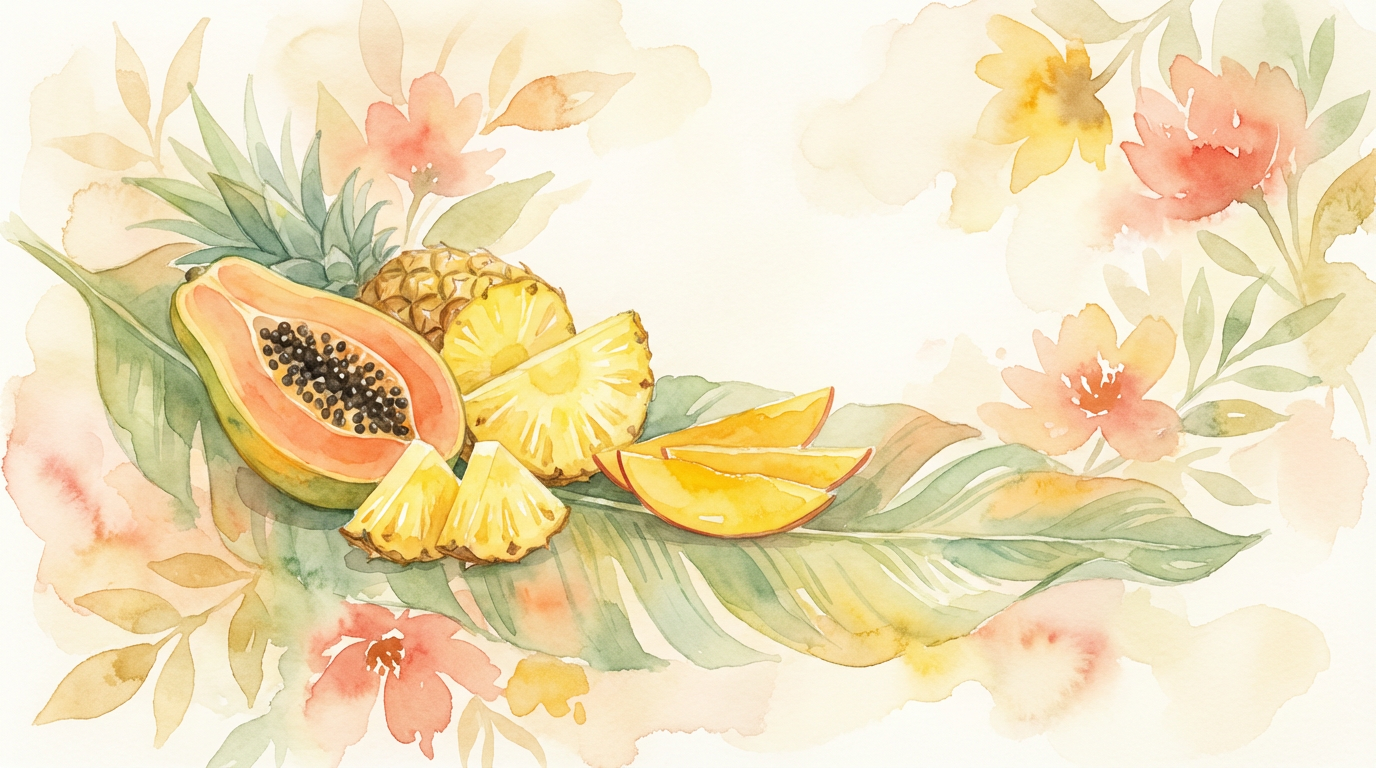
Tropical Fruits for Fertility: Papaya, Pineapple, Mango & the Bromelain Effect
Generated article about Tropical Fruits for Fertility: Papaya, Pineapple, Mango & the Bromelain Effect
Listen to this article
~17 min listen
Click play to generate audio narration with a calming voice
TL;DR Summary
- •Pineapple, mango, and properly ripened papaya are excellent sources of vitamins, minerals, and antioxidants that support reproductive health and can be beneficial when trying to conceive.
- •Bromelain, found in pineapple, is an enzyme complex with anti-inflammatory properties that may aid implantation by improving uterine blood flow, though more research is needed for definitive conclusions.
- •Unripe papaya contains papain, which can induce contractions and should be avoided during pregnancy and when actively trying to conceive, but ripe papaya is generally safe and nutritious.
Introduction
Exploring fertility nutrition is a crucial step for many women trying to conceive, and the vibrant world of tropical fruits offers a delicious and nutrient-dense pathway to supporting reproductive health. While folklore and anecdotal advice often swirl around specific foods, the true power of tropical fruits for fertility lies in their rich profiles of vitamins, minerals, and antioxidants that underpin optimal bodily function, including the intricate processes of conception. This comprehensive guide will delve into the science behind popular tropical fruits like papaya, pineapple, and mango, examining their potential benefits, addressing common myths, and focusing on the intriguing 'bromelain effect' to help you make informed dietary choices on your fertility journey.
What Role Do Tropical Fruits Play in Supporting Fertility?
Tropical fruits contribute significantly to fertility support by providing a diverse array of essential nutrients crucial for reproductive health. These fruits are typically rich in antioxidants, vitamins (especially C, E, and B vitamins), minerals (like manganese, potassium, and magnesium), and fiber, all of which play a vital role in hormonal balance, egg quality, uterine health, and overall well-being. A well-nourished body is better equipped to manage the demands of ovulation, conception, and early pregnancy, making the inclusion of these vibrant foods a beneficial strategy for those exploring fertility nutrition.
How Does Pineapple Contribute to Fertility and Implantation?
Pineapple, particularly its core, is a popular fruit among women trying to conceive due to its high concentration of bromelain, an enzyme complex with potent anti-inflammatory and anticoagulant properties. The belief that pineapple fertility benefits exist often stems from the idea that bromelain can help improve uterine blood flow, reduce inflammation, and potentially assist with embryo implantation. While direct, large-scale human studies specifically linking pineapple consumption to increased implantation rates are limited, the theoretical basis is sound. Bromelain's anti-inflammatory action may create a more favorable uterine environment for an embryo to implant, as excessive inflammation can hinder this delicate process. Furthermore, pineapple is a good source of Vitamin C, an antioxidant that supports immune function and collagen production, both important for reproductive health.
The Bromelain Effect: A Closer Look at Implantation Support
The bromelain implantation theory suggests that this enzyme complex might aid in the crucial post-ovulation phase. Bromelain is known to act as a natural blood thinner, which could potentially enhance blood flow to the uterus. Improved uterine blood flow is essential for building a healthy uterine lining (endometrium), which is where the embryo attaches. A well-vascularized endometrium provides the necessary nutrients and oxygen for successful implantation and early embryonic development. Additionally, bromelain's anti-inflammatory properties may help to calm any inflammatory responses in the uterus that could otherwise interfere with implantation. While anecdotal evidence is strong within the fertility community, often recommending consuming pineapple core after ovulation, it's important to approach this with a balanced perspective. As a natural supplement, bromelain's effects can vary, and it should complement, not replace, medical advice and treatments.
Is Papaya Beneficial or Harmful for Fertility?
Papaya's reputation in the fertility world is a bit more complex, often associated with the papaya fertility myth that it can induce miscarriage. The truth lies in the ripeness of the fruit. Unripe papaya contains a high concentration of an enzyme called papain, which is structurally similar to the hormone oxytocin. Papain can stimulate uterine contractions and may have abortifacient properties, making unripe papaya genuinely unsuitable for consumption during pregnancy and potentially when actively trying to conceive, especially during the luteal phase. However, ripe papaya is a different story altogether.
Ripe Papaya: A Nutritional Powerhouse for Conception
Ripe papaya is a rich source of Vitamin C, Vitamin A, folate, and fiber. Folate is critically important for women trying to conceive as it helps prevent neural tube defects in early pregnancy. Vitamin C and A are powerful antioxidants that protect cells, including egg cells, from oxidative stress, which can impact egg quality. The fiber content supports digestive health, which is indirectly beneficial for hormonal balance. Therefore, when consumed ripe and in moderation, papaya can be a nutritious addition to a fertility-friendly diet, offering essential vitamins and antioxidants without the risks associated with its unripe counterpart. It's crucial for women to differentiate between ripe (yellow skin, soft flesh) and unripe (green skin, firm flesh) papaya to ensure safe consumption.
How Does Mango Support Reproductive Health?
Mango, often hailed as the 'king of fruits,' is another excellent tropical choice for women trying to conceive. This luscious fruit is packed with a wide array of vitamins and minerals that directly support reproductive health and overall well-being. Mangoes are an outstanding source of Vitamin C, a powerful antioxidant that protects cells from damage and supports immune function. They also provide a significant amount of Vitamin A (in the form of beta-carotene), which is crucial for healthy vision, immune function, and cellular growth, all indirectly beneficial for the reproductive system. Furthermore, mangoes contain folate, Vitamin E, and several B vitamins, all of which play key roles in cellular development and hormonal regulation.
Mangoes and Antioxidant Power
The antioxidant capacity of mangoes is particularly noteworthy. Beyond Vitamin C and A, mangoes contain various polyphenols and carotenoids that combat oxidative stress. Oxidative stress can negatively impact egg quality, sperm health (if considering male factor fertility), and the overall reproductive environment. By neutralizing free radicals, these antioxidants help protect reproductive cells and tissues, potentially enhancing the chances of conception. The natural sweetness and versatility of mangoes make them an enjoyable and beneficial addition to any fertility diet plan.
Can Other Tropical Fruits Aid in Conception?
Beyond papaya, pineapple, and mango, several other tropical fruits conception efforts can benefit from. These fruits offer unique nutritional profiles that contribute to a holistic approach to fertility nutrition:
- •Avocado: While technically a fruit, avocado is often grouped with vegetables. It's a fantastic source of monounsaturated fats, which are crucial for hormonal balance and reducing inflammation. It also provides Vitamin E, potassium, and folate, all vital for reproductive health.
- •Pomegranate: Rich in antioxidants, especially punicalagins, pomegranate has been studied for its potential to improve uterine blood flow and endometrial lining, creating a more receptive environment for implantation. It's also a good source of Vitamin C and K.
- •Guava: This tropical fruit is exceptionally high in Vitamin C, even more than oranges, and also contains folate, Vitamin A, and fiber. Its antioxidant profile supports cellular health and immune function.
- •Passion Fruit: A good source of Vitamin C, Vitamin A, iron, and potassium. Its antioxidant content helps protect against oxidative stress, and its fiber aids in digestive health.
- •Kiwi: While not strictly tropical, it often grows in similar climates and is loaded with Vitamin C, Vitamin K, folate, and antioxidants, supporting overall health and cellular protection.
Incorporating a variety of these fruits ensures a broad spectrum of nutrients, maximizing the potential benefits for fertility.
Practical Tips for Incorporating Tropical Fruits into Your Fertility Diet
To effectively leverage the benefits of tropical fruits for fertility, consider these practical tips:
- •Prioritize Variety: Don't rely on just one fruit. A diverse intake ensures a wider range of vitamins, minerals, and antioxidants.
- •Choose Ripe Fruits: Especially for papaya, ensure it's fully ripe to avoid potential issues with papain. For all fruits, ripeness often means peak nutrient content.
- •Eat Whole Fruits: While smoothies are convenient, consuming whole fruits provides beneficial fiber, which aids digestion and can help regulate blood sugar levels.
- •Mind Portion Sizes: While healthy, fruits still contain natural sugars. Enjoy them in moderation as part of a balanced diet.
- •Combine with Healthy Fats and Protein: Pairing fruits with sources of healthy fats (like nuts, seeds, or avocado) or protein can help stabilize blood sugar and increase satiety.
- •Consider Organic: If possible, choose organic fruits to minimize exposure to pesticides, which can have endocrine-disrupting effects.
- •Pineapple Core for Bromelain: If specifically targeting bromelain, remember that the highest concentration is found in the pineapple core. You can blend it into smoothies or chew small pieces.
Benefits by Life Stage
Menstrual Health (Periods, Cramps, PMS)
Tropical fruits can significantly ease menstrual discomfort and support overall cycle health. Many are rich in Vitamin C and antioxidants, which help reduce inflammation that contributes to menstrual cramps. For example, pineapple's bromelain has anti-inflammatory properties that may alleviate period pain. Mangoes and guavas, packed with Vitamin C, support iron absorption (crucial for replenishing iron lost during menstruation) and provide antioxidants to combat PMS-related oxidative stress. The fiber content in these fruits also aids in regular bowel movements, which can relieve bloating and discomfort associated with PMS.
Fertility Journey (TTC, Ovulation, Conception)
This is where tropical fruits truly shine. As discussed, pineapple's bromelain may support uterine blood flow and create a favorable environment for implantation. Ripe papaya offers folate, essential for preventing neural tube defects and supporting early fetal development, and antioxidants for egg quality. Mangoes contribute Vitamin A, C, E, and folate, all vital for hormonal balance, cellular protection, and preparing the body for conception. The overall antioxidant load from diverse tropical fruits helps protect reproductive cells from damage, potentially improving egg quality and fostering a healthy environment for fertilization and early embryo growth. For women exploring tropical fruits conception, these powerhouses offer a delicious and natural way to boost nutrient intake.
Pregnancy (Trimesters, Prenatal Care)
While unripe papaya should be strictly avoided due to papain's potential effects, ripe tropical fruits can be highly beneficial during pregnancy. They provide crucial vitamins and minerals needed for both maternal health and fetal development. Folate, abundant in many tropical fruits like mango and ripe papaya, is paramount in the first trimester for neural tube development. Vitamin C supports the immune system and collagen formation for both mother and baby. The fiber content helps prevent common pregnancy issues like constipation. However, moderation is key due to their natural sugar content, and always consult with a healthcare provider regarding dietary choices during pregnancy.
Menopause (Perimenopause, Hormonal Changes)
Tropical fruits continue to offer valuable support through perimenopause and menopause. Their rich antioxidant content helps combat oxidative stress, which tends to increase with age and hormonal fluctuations. Vitamin C supports skin health and collagen production, which can decline during menopause. The fiber content helps manage weight, a common concern during this stage, and promotes gut health, indirectly influencing hormone metabolism. Potassium-rich fruits like mango and banana (another tropical fruit) can help manage blood pressure, and their overall nutrient density contributes to bone health, a critical consideration post-menopause.
Key Takeaways
- •Pineapple Bromelain: May support uterine blood flow and reduce inflammation, potentially aiding implantation, especially when consuming the core after ovulation.
- •Ripe Papaya Benefits: A good source of folate, Vitamin C, and antioxidants, beneficial for egg quality and early pregnancy, but always avoid unripe papaya.
- •Mango's Nutritional Value: Rich in Vitamins A, C, E, and folate, supporting hormonal balance and protecting reproductive cells from oxidative damage.
- •Diverse Nutrient Profiles: Tropical fruits collectively offer a wide array of vitamins, minerals, and antioxidants crucial for overall reproductive health and preparing the body for conception.
- •Moderation and Ripeness: Consume tropical fruits in moderation and ensure ripeness, particularly for papaya, to maximize benefits and avoid potential risks.
Frequently Asked Questions
Q: Can I eat pineapple every day when trying to conceive?
A: While pineapple is beneficial, consuming it daily in large quantities, especially the core, isn't strictly necessary. Many fertility experts suggest consuming pineapple core for 1-5 days post-ovulation (or embryo transfer) to potentially leverage bromelain's effects on implantation. As part of a balanced diet, including pineapple regularly is healthy, but focus on variety rather than excessive amounts of any single food.
Q: Is there scientific proof that bromelain helps with implantation?
A: While bromelain has well-documented anti-inflammatory and anticoagulant properties, direct, large-scale clinical trials specifically proving its efficacy in improving human embryo implantation rates are limited. The theory is biologically plausible due to its effects on uterine blood flow and inflammation, but more robust research is needed to provide definitive scientific proof in this specific context.
Q: Why is unripe papaya considered unsafe during fertility treatments or pregnancy?
A: Unripe papaya contains a high concentration of papain, an enzyme that can act similarly to oxytocin, potentially inducing uterine contractions. These contractions can be harmful during early pregnancy, potentially leading to miscarriage. Therefore, it is strongly advised to avoid unripe papaya during fertility treatments and throughout pregnancy to ensure safety.
Q: How much mango should I eat for fertility benefits?
A: There's no specific recommended "fertility dose" for mangoes. Incorporating 1-2 servings of mango (or other fruits) per day as part of a balanced, nutrient-rich diet is generally sufficient to reap its benefits. Focus on overall dietary quality rather than over-consuming a single food.
Q: Are frozen tropical fruits as good as fresh for fertility?
A: Yes, frozen tropical fruits are often just as nutritious as fresh, if not more so. Fruits are typically flash-frozen at their peak ripeness, preserving their vitamin and mineral content. They can be a convenient and cost-effective way to ensure consistent access to these beneficial fruits, especially when fresh options are out of season or expensive.
Q: Can tropical fruits help with male fertility too?
A: Absolutely. The antioxidants (like Vitamin C and E) found abundantly in tropical fruits help protect sperm from oxidative damage, which is crucial for sperm quality, motility, and morphology. Folate also plays a role in sperm production. Encouraging male partners to consume a diet rich in these fruits can contribute positively to overall reproductive health for both partners.
Q: Should I avoid any tropical fruits when trying to conceive?
A: The primary tropical fruit to be cautious of is unripe papaya due to its papain content. Otherwise, most ripe tropical fruits are generally safe and beneficial. Always ensure fruits are thoroughly washed to remove pesticides and consume them as part of a varied and balanced diet. If you have any specific health conditions or dietary concerns, consult with your healthcare provider or a registered dietitian.
Start Your Wellness Journey Today
Ready to track your cycle, fertility, pregnancy, or menopause journey? Download PERIODiQ - your iQ-powered wellness companion designed for every stage of your health journey.
Get PERIODiQ Free: https://periodiq.app
Your Wellness Journey Starts Here
Download PERIODiQ
Scan the QR code or tap the link to get started with your personalized health tracking.
periodiq.app • iOS & Android
Cite this article
PERIODiQ Editorial Team (2026). "Tropical Fruits for Fertility: Papaya, Pineapple, Mango & the Bromelain Effect." PERIODiQ. https://periodiq.app/library/tropical-fruits-for-fertility-papaya-pineapple-mango-the-bromelain-effect
"Tropical Fruits for Fertility: Papaya, Pineapple, Mango & the Bromelain Effect." PERIODiQ, 2026, https://periodiq.app/library/tropical-fruits-for-fertility-papaya-pineapple-mango-the-bromelain-effect.
Send this to a friend — PERIODiQ is free for them too. No card. No paywall.
Loved this? Save articles, track your cycle, and unlock meditations — free forever.
Disclaimer: PERIODiQ™ offers general wellness information only. It does not provide medical advice, diagnosis, or treatment. Always speak with a licensed health professional about your health.