
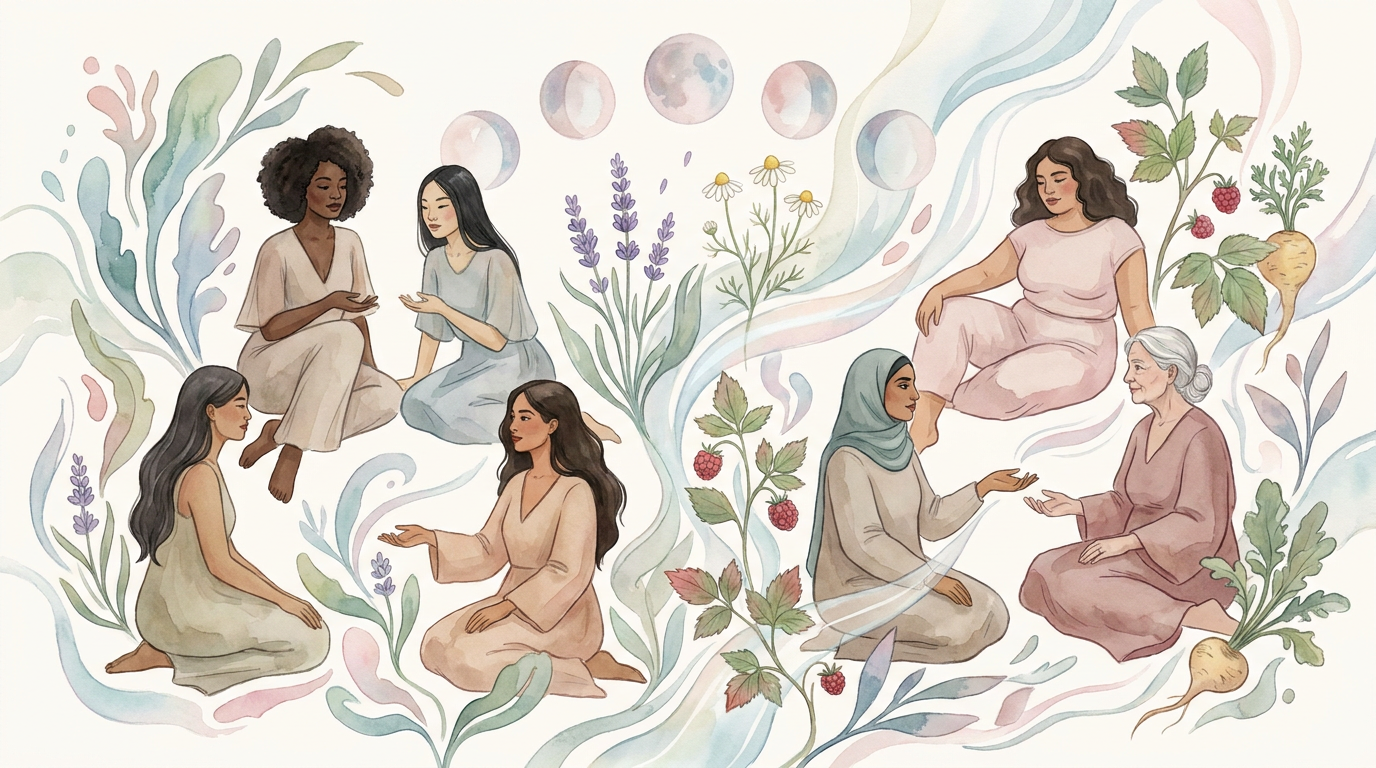
Traditional Plant Medicines for Cycle Wellness: A Respectful Educational Overview
Traditional plant medicines offer profound benefits for women's cycle wellness, providing holistic support for menstrual health, fertility, pregnancy, and menopause. This guide respectfully explores the historical use of plants like raspberry leaf and cedar tea within Indigenous traditions, emphasizing the importance of cultural sensitivity and consulting local knowledge keepers.
Listen to this article
~23 min listen
Click play to generate audio narration with a calming voice
TL;DR Summary
- •Traditional plant medicines have been used for centuries by Indigenous communities to support women's reproductive health across all life stages.
- •Key plants like raspberry leaf (Rubus idaeus) and cedar (Thuja plicata) offer specific benefits for menstrual regulation, fertility, and menopausal comfort.
- •Respectful engagement with these practices requires acknowledging Indigenous sovereignty over traditional knowledge and seeking guidance from local elders and knowledge keepers.
Traditional Plant Medicines for Cycle Wellness: A Respectful Educational Overview
Traditional plant medicines, deeply rooted in Indigenous cultures worldwide, offer a holistic and time-honored approach to supporting women's cycle wellness, addressing everything from menstrual discomfort to fertility challenges and menopausal transitions.
For millennia, Indigenous communities have cultivated an intimate relationship with the land, understanding the profound healing properties of plants and integrating them into daily life, ceremony, and healthcare. This article respectfully explores the historical and traditional uses of certain plants for women's reproductive health, emphasizing that this knowledge belongs to Indigenous peoples. It is crucial to approach this topic with reverence, acknowledging the sacredness of these practices and the importance of Indigenous sovereignty over their traditional knowledge. We strongly recommend connecting with local elders, knowledge keepers, and Indigenous health practitioners to learn directly from those who hold this ancestral wisdom, rather than attempting to self-medicate based solely on written information.
What Is Indigenous Plant Medicine and Why Is It Relevant to Cycle Wellness?
Indigenous plant medicine refers to the extensive body of knowledge, practices, and beliefs developed by Indigenous peoples over generations regarding the medicinal properties of plants found in their ancestral territories. These systems are holistic, viewing health not just as the absence of disease, but as a balance between physical, mental, emotional, and spiritual well-being, intrinsically connected to the land and community. For cycle wellness, this means addressing the interconnectedness of a woman's reproductive health with her overall physical state, emotional balance, and spiritual harmony.
Indigenous plant medicine is relevant to cycle wellness because it offers natural, often gentler, alternatives or complementary approaches to modern pharmaceutical interventions. These traditional remedies are often rich in vitamins, minerals, and compounds that can support hormonal balance, reduce inflammation, alleviate pain, and strengthen the reproductive system. Unlike many synthetic drugs, traditional plant medicines are typically consumed in their whole form, allowing for a synergistic effect of all their natural components, which can often lead to fewer side effects and more comprehensive benefits. Furthermore, engaging with these medicines can also be a way for Indigenous women to reconnect with their cultural heritage and ancestral healing practices, fostering a sense of empowerment and cultural identity.
How Have Traditional Cultures Utilized Plants for Menstrual Health?
Traditional cultures have utilized a wide array of plants for menstrual health, employing them to alleviate cramps, regulate cycles, manage heavy bleeding, and ease premenstrual syndrome (PMS) symptoms. This rich tradition of herbal remedies reflects a deep understanding of the female body and the natural world.
One of the most widely recognized plants in various traditional medicine systems, including some Indigenous practices, is Raspberry Leaf (Rubus idaeus). Often referred to as "the woman's herb," raspberry leaf has been traditionally used to tone the uterus. Its rich content of fragarine, tannins, and various vitamins and minerals (like iron and calcium) is believed to strengthen uterine muscles, which can be beneficial for reducing menstrual cramps and supporting efficient uterine contractions during menstruation. For centuries, women have consumed raspberry leaf tradition as a tea, particularly in the weeks leading up to their period, to prepare the uterus and ease the menstrual flow. The belief is that a toned uterus contracts more effectively, leading to less pain and more efficient shedding of the uterine lining. Beyond toning, its astringent properties may also help in managing heavy menstrual bleeding (menorrhagia) by promoting tissue constriction.
Another significant plant in many North American Indigenous traditions is Cedar (Thuja plicata, Thuja occidentalis), particularly in the form of cedar tea menstruation. Cedar is a sacred plant for many Indigenous peoples, revered for its purifying and protective qualities. Historically, cedar has been used in various forms for its medicinal properties, including supporting women's health. While specific applications vary by tribe and region, cedar tea has been traditionally used for its warming and cleansing properties. It is believed to help in clearing the body, sometimes used to support the body during menstruation, or as a general tonic. The act of preparing and consuming cedar tea can also be a ceremonial practice, connecting women to their ancestors and the spiritual aspects of healing, enhancing emotional well-being alongside physical benefits. It is important to note that the internal use of cedar, especially in concentrated forms or essential oils, requires extreme caution and should only be done under the direct guidance of an experienced Indigenous knowledge keeper, as some species or preparations can be toxic.
Other plants used traditionally for menstrual health include Yarrow (Achillea millefolium) for heavy bleeding, Cramp Bark (Viburnum opulus) for severe menstrual cramps due to its antispasmodic properties, and Mugwort (Artemisia vulgaris) for regulating irregular cycles and stimulating delayed menstruation. Each plant carries its own unique traditional preparation methods and indications, underscoring the depth and specificity of traditional medicine cycle practices.
Can Traditional Plant Medicines Support Fertility and Conception?
Yes, traditional plant medicines have long been employed to support fertility and conception, often focusing on balancing hormones, strengthening reproductive organs, and improving overall reproductive health. These practices are often interwoven with rituals and lifestyle recommendations to create an optimal environment for conception.
For instance, some Indigenous traditions utilize plants to help regulate ovulation and improve uterine health. Dong Quai (Angelica sinensis), while more commonly associated with Traditional Chinese Medicine, is also utilized in some North American Indigenous practices for its ability to promote blood circulation to the pelvis, potentially improving uterine lining and overall reproductive organ function. It is often referred to as "female ginseng" and is traditionally used to balance female hormones and alleviate menstrual irregularities that can hinder conception.
Nettle Leaf (Urtica dioica), another widely available plant, is highly valued in many traditional systems for its rich nutritional profile, including iron, calcium, and vitamins A, C, and K. These nutrients are vital for a healthy reproductive system and for preparing the body for pregnancy. Nettle infusions are traditionally consumed to build blood, support adrenal function, and nourish the endocrine system, all of which are crucial for fertility. By providing essential nutrients, nettle helps create a robust internal environment conducive to conception and early pregnancy.
In some Indigenous communities, specific ceremonial plants are used in conjunction with physical remedies to address the spiritual and emotional aspects of fertility. The belief is that emotional blockages or spiritual imbalances can affect the body's ability to conceive. Therefore, practices involving smudging with sacred herbs like sage or sweetgrass, along with the consumption of specific plant teas, are employed to cleanse, purify, and open the path for new life. These holistic approaches acknowledge that fertility is not solely a physical process but is deeply connected to one's entire being and connection to the spiritual world. The traditional medicine cycle often includes protocols that extend beyond just physical remedies, embracing mental and spiritual readiness.
What Role Do Plants Play in Supporting Pregnancy and Postpartum Recovery?
Plants play a significant role in supporting pregnancy and postpartum recovery within many traditional cultures, offering nourishment, alleviating common discomforts, and aiding the body's healing process after childbirth. The use of herbs during pregnancy requires particular caution and should always be supervised by experienced traditional healers or healthcare providers due to potential risks.
Raspberry Leaf is perhaps the most well-known herb used during pregnancy, primarily in the second and third trimesters. Its traditional use is to strengthen and tone the uterine muscles, which is believed to lead to a more efficient and less protracted labor. It is also rich in vitamins and minerals, providing nutritional support for both mother and baby. Many traditional midwives and herbalists recommend raspberry leaf tea as a daily tonic in the latter part of pregnancy. The raspberry leaf tradition emphasizes its role as a uterine tonic rather than an inducer of labor.
Other plants like Nettle Leaf continue to be valuable during pregnancy for their high iron content, which helps prevent anemia, a common concern. Dandelion Leaf (Taraxacum officinale) is traditionally used as a gentle diuretic to help reduce swelling and support liver function during pregnancy. For postpartum recovery, plants are often used to aid in uterine involution (the uterus returning to its pre-pregnancy size), replenish vital nutrients, and support milk production.
For example, some Indigenous traditions utilize specific barks or roots in teas or washes to help the uterus contract and heal after childbirth. Sit-baths with herbs like Yarrow or Calendula (Calendula officinalis) may be used to soothe perineal discomfort and promote healing of tissues. Fenugreek (Trigonella foenum-graecum) is a widely recognized galactagogue, traditionally used to increase breast milk supply. The emphasis in postpartum care with traditional plants is on gentle, nourishing support to restore the mother's strength and vitality, allowing her to fully recover and bond with her newborn. The wisdom embedded in indigenous plant medicine for this delicate period is invaluable.
How Can Traditional Plant Medicines Aid in Menopause and Perimenopause?
Traditional plant medicines can significantly aid in managing the symptoms of menopause and perimenopause by addressing hormonal fluctuations, reducing hot flashes, improving sleep, and supporting overall well-being during this transformative life stage. These remedies often work by supporting the endocrine system and providing phytoestrogens.
Black Cohosh (Actaea racemosa), native to North America, has been widely used by some Indigenous communities, particularly for menopausal symptoms. It is traditionally known for its ability to alleviate hot flashes, night sweats, mood swings, and vaginal dryness. Its mechanism is thought to involve modulating estrogen receptors or acting on neurotransmitters, though the exact science is still being explored. The use of Black Cohosh is a prime example of how indigenous plant medicine offers targeted support for specific menopausal challenges.
Another plant with traditional use for menopausal discomfort is Dong Quai, which, as mentioned earlier, helps balance hormones and improve circulation, potentially easing hot flashes and general discomfort. Sage (Salvia officinalis) is also traditionally used in various cultures to reduce excessive sweating, including menopausal night sweats and hot flashes, due to its astringent properties and ability to regulate body temperature.
For overall well-being during menopause, nourishing herbs like Nettle and Oat Straw (Avena sativa) are often recommended. Oat straw is rich in minerals and is considered a nervine, meaning it helps to calm the nervous system, reduce anxiety, and improve sleep quality, which can be significantly disrupted during perimenopause and menopause. The traditional medicine cycle approach to menopause is not just about symptom management but about supporting the woman's body as it transitions, recognizing this as a natural and powerful phase of life, not a deficiency.
Connecting with local Indigenous elders can also reveal specific plants and practices unique to their region that have been utilized for generations to support women through this significant life transition, often integrating spiritual practices alongside physical remedies to honor the wisdom that comes with aging.
Benefits by Life Stage
Menstrual Health (periods, cramps, PMS)
Traditional plant medicines offer a comprehensive approach to menstrual health, targeting common issues like pain, irregularity, and emotional fluctuations. For instance, raspberry leaf tradition is renowned for its uterine-toning properties, which can significantly reduce the intensity of menstrual cramps by promoting more efficient uterine contractions. Its rich mineral content also helps replenish nutrients lost during menstruation, combating fatigue. Cedar tea menstruation has been traditionally used for its warming and cleansing effects, which some believe can aid in a smoother menstrual flow and provide comfort. Additionally, herbs like Cramp Bark (Viburnum opulus) act as antispasmodics, directly relaxing uterine muscles to alleviate severe cramping. Yarrow (Achillea millefolium) is traditionally used to balance heavy or prolonged bleeding due to its astringent properties, helping to tone blood vessels. For PMS, nervine herbs like Chamomile (Matricaria chamomilla) or Lemon Balm (Melissa officinalis) can help soothe anxiety, irritability, and improve sleep, supporting emotional well-being throughout the traditional medicine cycle.
Fertility Journey (TTC, ovulation, conception)
For those on a fertility journey, traditional plant medicines focus on creating an optimal internal environment for conception. Herbs are often chosen to balance hormones, improve uterine health, and reduce stress. Nettle Leaf (Urtica dioica) is a powerhouse of nutrients, including iron and calcium, essential for healthy blood and reproductive tissues, preparing the body for pregnancy. It is considered a uterine tonic that nourishes the entire endocrine system. Some Indigenous practices utilize plants to support liver function, as a healthy liver is crucial for metabolizing hormones effectively, thereby promoting hormonal balance essential for regular ovulation. Dong Quai (Angelica sinensis) is traditionally used to improve blood flow to the reproductive organs, which can enhance uterine lining quality and overall ovarian function. The holistic aspect of indigenous plant medicine also addresses stress and emotional well-being, as chronic stress can significantly impact fertility. Adaptogenic herbs like Ashwagandha (Withania somnifera), though not native to North America, are used in some traditional systems to help the body cope with stress, indirectly supporting hormonal balance and reproductive health. These plants aim to enhance the body’s natural capacity for conception.
Pregnancy (trimesters, prenatal care)
During pregnancy, the use of plant medicines requires extreme caution and should always be guided by experienced traditional healers or healthcare providers. However, certain herbs are traditionally recognized for their supportive roles. Raspberry Leaf is widely used in the second and third trimesters to tone the uterus, potentially leading to a more effective and less painful labor. It also provides essential vitamins and minerals. Nettle Leaf continues to be valuable throughout pregnancy for its iron content, helping to prevent anemia, and for its overall nutritive properties. Dandelion Leaf (Taraxacum officinale) is traditionally used as a gentle diuretic to reduce swelling and support liver function, which can be beneficial during pregnancy. Traditional practices also often include specific plants for nausea relief, such as Ginger (Zingiber officinale), consumed as a tea. The focus is on gentle nourishment and support, ensuring the well-being of both mother and baby while respecting the delicate nature of this period. The traditional medicine cycle recognizes pregnancy as a sacred time requiring specific, gentle care.
Menopause (perimenopause, hormonal changes)
For menopause and perimenopause, traditional plant medicines aim to alleviate uncomfortable symptoms and support the body's natural transition. Black Cohosh (Actaea racemosa) is a prominent example from indigenous plant medicine, traditionally used for its effectiveness in reducing hot flashes, night sweats, and mood swings by potentially influencing estrogen receptors or neurotransmitters. Sage (Salvia officinalis) is another herb traditionally used to diminish excessive sweating, including menopausal night sweats. Dong Quai (Angelica sinensis) is often employed to help balance fluctuating hormones, improve circulation, and reduce general discomfort. For emotional and nervous system support, herbs like Oat Straw (Avena sativa) and Passionflower (Passiflora incarnata) are traditionally used as nervines to calm anxiety, improve sleep, and reduce irritability. These plants provide a holistic approach to managing menopausal symptoms, focusing on supporting the body's natural processes rather than just suppressing symptoms. The traditional medicine cycle acknowledges menopause as a powerful transition, offering plants to ease the journey and honor the wisdom of this life stage.
Key Takeaways
- •Respectful Engagement: Always prioritize connecting with local Indigenous elders and knowledge keepers for guidance on specific plant uses and practices.
- •Holistic Support: Traditional plant medicines address physical, mental, emotional, and spiritual aspects of women's cycle wellness.
- •Key Herbs for Menstrual Health: Raspberry leaf and cedar tea are traditionally used to tone the uterus, reduce cramps, and provide cleansing benefits.
- •Fertility & Pregnancy Support: Nettle, raspberry leaf, and other plants offer nutritional support and uterine toning, but require expert guidance during pregnancy.
- •Menopause Relief: Black Cohosh and Sage are traditionally used to alleviate hot flashes and other menopausal symptoms.
- •Cultural Context: Understanding the cultural and spiritual significance of these plants is as important as their physiological effects.
Frequently Asked Questions
Q: What is the most important thing to remember when considering indigenous plant medicine for cycle wellness?
It is most important to remember that traditional plant knowledge is Indigenous intellectual property. Always seek guidance directly from local Indigenous elders, knowledge keepers, or Indigenous health practitioners before using any traditional plant medicines. This ensures cultural respect, safety, and proper usage according to ancestral wisdom and specific tribal protocols.
Q: Is raspberry leaf tea safe to drink throughout the entire menstrual cycle?
Raspberry leaf tea is generally considered safe for most women, but its use during the early stages of pregnancy is often advised against by some practitioners, though traditional use often begins in the second or third trimester. For menstrual health, it can be consumed throughout the cycle or particularly in the week leading up to menstruation to help tone the uterus and alleviate cramps. Always consult with a healthcare provider or traditional knowledge keeper for personalized advice, especially if you have underlying health conditions or are pregnant.
Q: How is cedar tea traditionally prepared for menstruation, and what are its perceived benefits?
Traditional preparation of cedar tea for menstruation typically involves steeping fresh or dried cedar boughs (leaves and twigs) in hot water, much like any herbal tea. The perceived benefits often include internal cleansing, warming the body, and providing comfort during the menstrual cycle. It is also deeply connected to spiritual purification and grounding in many Indigenous cultures. Specific preparation and usage can vary significantly by Indigenous nation, so seeking direct guidance from a local elder is essential.
Q: Can traditional plant medicines replace modern medical treatments for severe menstrual issues or fertility problems?
Traditional plant medicines can offer significant complementary support for menstrual issues and fertility problems, and in some cases, may effectively manage mild to moderate symptoms. However, they should not automatically replace modern medical treatments, especially for severe conditions, without consulting both traditional healers and conventional healthcare providers. A holistic approach often involves integrating the best of both worlds, ensuring comprehensive care and safety.
Q: Are there any side effects associated with using traditional plant medicines for women's health?
Yes, even natural plant medicines can have side effects, interactions with medications, or contraindications. For example, some herbs may interact with blood thinners, affect blood pressure, or be unsafe during pregnancy or breastfeeding. This is why personalized guidance from an experienced Indigenous knowledge keeper and consultation with a healthcare provider are crucial. They can assess individual health conditions and ensure safe and appropriate use.
Q: How can I respectfully learn more about indigenous plant medicine if I am not Indigenous?
To respectfully learn more about indigenous plant medicine if you are not Indigenous, it is crucial to seek knowledge directly from Indigenous communities, always with permission and appropriate protocols. This means attending workshops or educational events hosted by Indigenous organizations, reading books authored by Indigenous scholars, and supporting Indigenous-led initiatives. Avoid appropriating practices or using sacred plants without proper guidance and understanding. The emphasis should always be on respectful engagement, listening, and supporting Indigenous sovereignty over their knowledge.
Q: What does 'traditional medicine cycle' mean in the context of women's health?
'Traditional medicine cycle' refers to the comprehensive understanding and application of traditional healing practices and plant medicines that address the various stages and aspects of a woman's reproductive life, from menarche (first period) through menstruation, fertility, pregnancy, postpartum, and menopause. It emphasizes a holistic view of health, where each stage is supported by specific plants, rituals, and community practices to maintain balance and well-being.
Start Your Wellness Journey Today
Ready to track your cycle, fertility, pregnancy, or menopause journey? Download PERIODiQ - your iQ-powered wellness companion designed for every stage of your health journey.
Get PERIODiQ Free: https://periodiq.app
Your Wellness Journey Starts Here
Download PERIODiQ
Scan the QR code or tap the link to get started with your personalized health tracking.
periodiq.app • iOS & Android
Cite this article
PERIODiQ Editorial Team (2026). "Traditional Plant Medicines for Cycle Wellness: A Respectful Educational Overview." PERIODiQ. https://periodiq.app/library/traditional-plant-medicines-for-cycle-wellness-a-respectful-educational-overview
"Traditional Plant Medicines for Cycle Wellness: A Respectful Educational Overview." PERIODiQ, 2026, https://periodiq.app/library/traditional-plant-medicines-for-cycle-wellness-a-respectful-educational-overview.
Send this to a friend — PERIODiQ is free for them too. No card. No paywall.
Loved this? Save articles, track your cycle, and unlock meditations — free forever.
Disclaimer: PERIODiQ™ offers general wellness information only. It does not provide medical advice, diagnosis, or treatment. Always speak with a licensed health professional about your health.