Traditional African Practices for Menstrual Wellness
Explore how Traditional African Practices offer holistic approaches to menstrual wellness, emphasizing community, ancestral wisdom, and natural remedies. This guide delves into ancient wisdom for period care, integrating cultural sensitivity and actionable advice for modern women.
Listen to this article
~13 min listen
Click play to generate audio narration with a calming voice
TL;DR Summary
- •Traditional African practices view menstruation as a sacred, natural process, not an illness, emphasizing holistic well-being.
- •Community support, ancestral wisdom, and natural remedies are central to African menstrual traditions, promoting physical, emotional, and spiritual balance.
- •These practices offer valuable insights for modern women seeking empowered and culturally sensitive traditional period care.
Embracing Ancestral Wisdom: Traditional African Practices for Menstrual Wellness
Traditional African practices offer a rich tapestry of wisdom regarding menstrual wellness, viewing it not as a burden or an illness, but as a sacred, natural, and powerful aspect of a woman's life. These practices, deeply rooted in community, ancestral knowledge, and a profound connection to nature, provide holistic approaches to traditional period care that encompass physical comfort, emotional well-being, and spiritual reverence. For women balancing career, fertility planning, and family, understanding these African menstrual traditions can offer empowering perspectives and practical strategies for a more harmonious relationship with their cycles.
What is the Traditional African Perspective on Menstruation?
In many African cultures, menstruation, often referred to as 'the moon time' or 'sacred flow,' is seen as a period of purification, introspection, and heightened spiritual connection. Unlike Western narratives that sometimes pathologize menstruation, African traditions generally celebrate it as a sign of fertility, life-giving potential, and a woman's inherent power. This perspective fosters an environment of respect and understanding, where girls are often initiated into womanhood with ceremonies that honor their first menses, signifying their entry into a new stage of life and responsibility. This cultural reverence contrasts sharply with societal taboos often found elsewhere, providing a foundation for positive African wellness practices around the menstrual cycle.
How Do African Communities Support Menstrual Wellness?
Community plays a pivotal role in traditional period care within African societies. Instead of isolating women during their menses, many traditions emphasize communal support, shared knowledge, and collective well-being. This support manifests in several ways:
- •Intergenerational Knowledge Transfer: Grandmothers, mothers, and elder women share wisdom about menstrual cycles, natural remedies, and self-care practices with younger generations. This oral tradition ensures that valuable knowledge about African menstrual traditions is passed down, fostering a sense of continuity and belonging.
- •Designated Spaces and Rituals: In some communities, women might retreat to special 'moon huts' or designated spaces during their menses. These are not places of isolation due to impurity, but rather sacred spaces for rest, reflection, and bonding with other menstruating women. These rituals reinforce the idea of menstruation as a time for introspection and rejuvenation.
- •Emotional and Spiritual Support: The community provides emotional and spiritual scaffolding, ensuring that women feel supported and understood during their cycles. This collective care reduces feelings of shame or embarrassment often associated with menstruation in other cultural contexts, promoting a positive self-image and reinforcing the sacredness of the female body.
What Natural Remedies and Herbs Are Used for Menstrual Comfort?
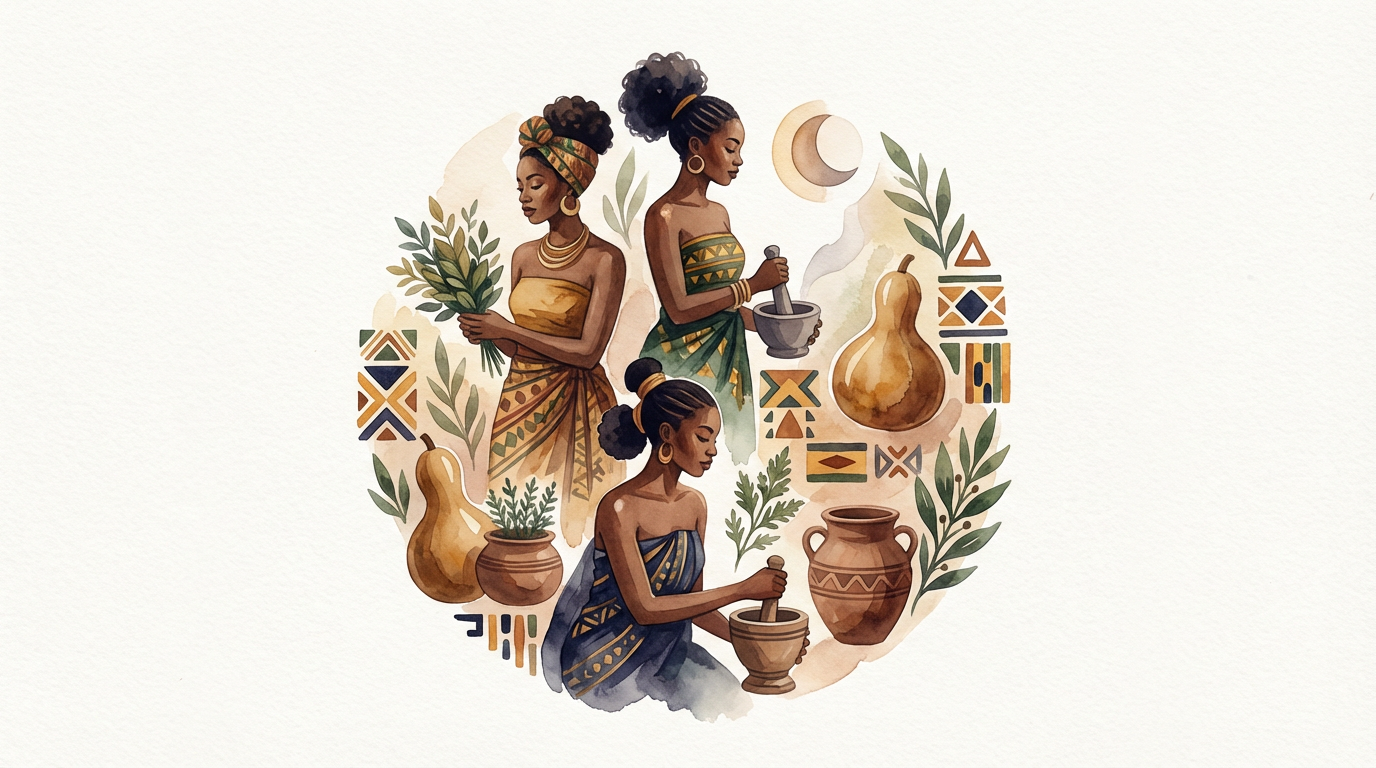
Traditional African practices are rich in natural remedies derived from the continent's abundant flora to alleviate menstrual discomfort and promote overall reproductive health. These remedies are often prepared as teas, poultices, or baths, leveraging the medicinal properties of various plants. Some commonly used herbs and practices include:
- •Ginger (Zingiber officinale): Widely used across Africa, ginger is renowned for its anti-inflammatory and pain-relieving properties. It's often brewed as a warm tea to soothe cramps, reduce nausea, and improve circulation during menstruation. This aligns with modern research supporting ginger's efficacy in managing dysmenorrhea.
- •Uterine Tonics: Many indigenous plants are used as uterine tonics to strengthen the uterus and regulate menstrual flow. Examples include certain species of Vitex (chaste tree), which are known to balance hormones, and various local roots and barks. These are often taken as decoctions or infusions.
- •Castor Oil Packs: While not exclusively African, castor oil packs are a common traditional remedy in many parts of the continent. Applied externally to the lower abdomen, warm castor oil packs are believed to improve blood circulation, reduce inflammation, and alleviate cramps.
- •Mugwort (Artemisia vulgaris): In some African cultures, mugwort is used for its emmenagogue properties, meaning it can stimulate menstrual flow. It's often used cautiously to help regulate irregular cycles.
- •Sitz Baths with Herbal Infusions: Warm sitz baths infused with herbs like calendula, chamomile, or specific local antiseptic and anti-inflammatory plants are used to soothe discomfort, reduce swelling, and promote healing in the pelvic area.
- •Dietary Adjustments: Traditional diets emphasize whole, unprocessed foods, often rich in iron, magnesium, and vitamins—nutrients crucial for menstrual health. Foods like leafy greens, lean proteins, and complex carbohydrates are staples, helping to replenish nutrients lost during menstruation and maintain energy levels.
These natural approaches highlight the deep understanding of the body's needs and the environment's resources within African wellness traditions for optimal traditional period care.
How Do Ancestral Wisdom and Spirituality Influence Menstrual Wellness?
Ancestral wisdom and spirituality are interwoven into every aspect of African menstrual traditions. The belief that ancestors guide and protect the living extends to health and well-being, including reproductive health. Menstruation is often seen as a direct link to the ancestral lineage, symbolizing the continuation of life and fertility. This spiritual dimension manifests through:
- •Prayer and Offerings: Women may engage in specific prayers, rituals, or offerings during their menstrual cycle to honor ancestors, seek guidance, or give thanks for their fertility. These practices reinforce the sacredness of the body and the cycle.
- •Dream Interpretation: Dreams experienced during menstruation are often considered particularly potent and are interpreted for messages from ancestors or spiritual guides, offering insights into personal challenges or future paths.
- •Connection to Nature's Rhythms: The moon's cycles are often intrinsically linked to the menstrual cycle. Many African menstrual traditions encourage women to align with lunar phases, believing this connection enhances fertility, regulates cycles, and promotes overall balance. This reverence for nature's rhythms fosters a deeper understanding of one's own body as part of a larger cosmic order.
- •Storytelling and Mythology: Myths and stories passed down through generations often feature powerful female figures whose journeys are intertwined with their reproductive cycles, instilling a sense of pride and power in young women regarding their own bodies and experiences.
This robust spiritual framework provides a profound sense of purpose and meaning to the menstrual experience, moving it beyond mere biological function to a sacred journey.
What Role Does Nutrition Play in African Menstrual Traditions?
Nutrition is a cornerstone of African wellness and plays a critical role in supporting menstrual health within traditional practices. The emphasis is on wholesome, locally sourced foods that are nutrient-dense and prepared with care. Key nutritional principles include:
- •Iron-Rich Foods: Given the blood loss during menstruation, traditional diets often include iron-rich foods such as dark leafy greens (e.g., collard greens, spinach, amaranth leaves), organ meats, and certain legumes. These help prevent iron deficiency anemia, a common issue for menstruating women.
- •Hydration: Drinking plenty of water, often infused with natural herbs or fruits, is encouraged to maintain hydration, especially during menstruation. Herbal teas are also widely consumed for their therapeutic properties.
- •Anti-inflammatory Foods: Many traditional African diets are naturally anti-inflammatory, featuring ingredients like turmeric, ginger, garlic, and a variety of colorful fruits and vegetables. These foods help reduce menstrual pain and discomfort.
- •Balanced Macronutrients: Traditional meals typically provide a good balance of complex carbohydrates (from grains like millet, sorghum, or root vegetables like yams), lean proteins (from fish, poultry, or legumes), and healthy fats (from nuts, seeds, and avocados). This balance helps stabilize blood sugar levels and provide sustained energy.
- •Fermented Foods: Fermented foods like uji (a fermented porridge), maas (fermented milk), and various fermented vegetables are common, contributing to gut health, which is increasingly recognized as important for hormonal balance and overall well-being.
These dietary practices are not just about sustenance but are viewed as integral to maintaining the body's balance and vitality, supporting a healthy menstrual cycle.
How Can Modern Women Integrate Traditional African Practices into Their Lives?
For women today, particularly those balancing demanding careers, family life, and fertility planning, integrating aspects of African menstrual traditions can offer refreshing and empowering ways to approach their cycles. Here are some actionable suggestions:
- •Reframe Your Perspective: Shift from viewing menstruation as a nuisance to a sacred time for introspection and self-care. Acknowledge its power and significance.
- •Embrace Rest and Self-Care: Prioritize rest during your period. If possible, lighten your schedule, engage in gentle activities, and create a cozy, nurturing environment for yourself. This aligns with the concept of 'moon huts' for rejuvenation.
- •Explore Herbal Remedies: Research and consult with knowledgeable herbalists about traditional African herbs that could support your menstrual health. Start with gentle options like ginger tea for cramps or nourishing herbal infusions.
- •Connect with Your Community: Seek or build a supportive community of women with whom you can share experiences, wisdom, and support regarding your menstrual health. This could be a virtual group or local gathering.
- •Mindful Nutrition: Incorporate nutrient-dense, whole foods into your diet, focusing on iron-rich options, anti-inflammatory spices, and good hydration, especially during your period.
- •Journaling and Reflection: Use your menstrual cycle as a time for journaling, meditation, or spiritual reflection. This practice can help you tune into your body's wisdom and ancestral guidance.
- •Honor Your Body's Rhythms: Pay attention to the different phases of your cycle and how your energy levels, mood, and needs change. Adjust your activities and self-care routines accordingly, rather than pushing through against your body's signals.
- •Learn from Elders: If you have access to elder women in your family or community, engage in conversations about their traditional practices and wisdom regarding menstruation. This intergenerational exchange can be incredibly enriching.
By consciously integrating these elements, modern women can cultivate a deeper connection to their bodies, their heritage, and a more empowered experience of their menstrual cycles, drawing on the timeless wisdom of African wellness.
Key Takeaways
- •Holistic View: Traditional African practices treat menstruation as a sacred, natural process, emphasizing physical, emotional, and spiritual well-being.
- •Community Support: Intergenerational knowledge transfer, designated spaces, and emotional support are central to African menstrual traditions.
- •Natural Remedies: A wealth of herbs like ginger, uterine tonics, and practices such as castor oil packs are used for traditional period care.
- •Ancestral and Spiritual Connection: Menstruation is often linked to ancestral wisdom, spirituality, and nature's rhythms, fostering a sense of power and purpose.
- •Nutritional Emphasis: Wholesome, nutrient-dense, and locally sourced foods are crucial for supporting menstrual health.
- •Modern Integration: Contemporary women can adopt elements like reframing perspective, prioritizing rest, using herbal remedies, and engaging in mindful nutrition to enhance their menstrual experience.
Frequently Asked Questions
Q1: Are traditional African menstrual practices still relevant today?
A1: Absolutely. Many traditional African practices offer timeless wisdom and holistic approaches to menstrual wellness that are highly relevant in today's world. They provide valuable insights into natural remedies, community support, and a positive perspective on menstruation, which can empower modern women to better understand and care for their bodies.
Q2: How do African cultures typically celebrate a girl's first period?
A2: In many African cultures, a girl's first period (menarche) is often celebrated with significant rituals and ceremonies. These events mark her transition into womanhood, imparting cultural knowledge, responsibilities, and blessings. They are designed to instill pride, educate her about her body, and integrate her more fully into the community of women.
Q3: What are some common natural remedies used in traditional African period care?
A3: Common natural remedies include ginger tea for cramps and inflammation, various indigenous uterine tonic herbs to regulate flow and strengthen the uterus, castor oil packs for pain relief, and sitz baths with herbal infusions. Dietary adjustments focusing on iron-rich and anti-inflammatory foods are also crucial.
Q4: Is there a spiritual aspect to menstruation in African traditions?
A4: Yes, spirituality is deeply intertwined with menstruation in many African traditions. It's often viewed as a sacred time for spiritual connection, purification, and introspection. Dreams during this period are sometimes interpreted as messages from ancestors, and women may engage in specific rituals or prayers to honor their lineage and fertility.
Q5: How does community support impact menstrual wellness in African traditions?
A5: Community support is paramount. It involves intergenerational knowledge sharing, where elders teach younger women about menstrual health. Some traditions include designated spaces for women to rest and bond during their menses, providing a supportive environment that reduces stigma and fosters a sense of collective well-being.
Q6: Can these traditional practices help with menstrual pain and discomfort?
A6: Yes, many traditional African practices are specifically aimed at alleviating menstrual pain and discomfort. Herbal remedies with anti-inflammatory properties, dietary adjustments, and practices that encourage rest and relaxation are integral to providing relief and promoting overall comfort during menstruation.
Q7: How can I respectfully learn more about specific African menstrual traditions?
A7: To respectfully learn more, seek out resources from cultural anthropologists, ethnobotanists, and direct accounts from African women and elders. Engage with cultural centers, community leaders, or organizations that focus on preserving and sharing indigenous African knowledge. Always approach with an open mind and a respectful attitude towards diverse cultural practices.
Start Your Wellness Journey Today
Ready to track your cycle, fertility, pregnancy, or menopause journey? Download PERIODiQ - your iQ-powered wellness companion designed for every stage of your health journey.
Get PERIODiQ Free: https://periodiq.app
Your Wellness Journey Starts Here
Download PERIODiQ
Scan the QR code or tap the link to get started with your personalized health tracking.
periodiq.app • iOS & Android
Cite this article
PERIODiQ Editorial Team (2026). "Traditional African Practices for Menstrual Wellness." PERIODiQ. https://periodiq.app/library/traditional-african-practices-for-menstrual-wellness
"Traditional African Practices for Menstrual Wellness." PERIODiQ, 2026, https://periodiq.app/library/traditional-african-practices-for-menstrual-wellness.
Send this to a friend — PERIODiQ is free for them too. No card. No paywall.
Loved this? Save articles, track your cycle, and unlock meditations — free forever.
Disclaimer: PERIODiQ™ offers general wellness information only. It does not provide medical advice, diagnosis, or treatment. Always speak with a licensed health professional about your health.