
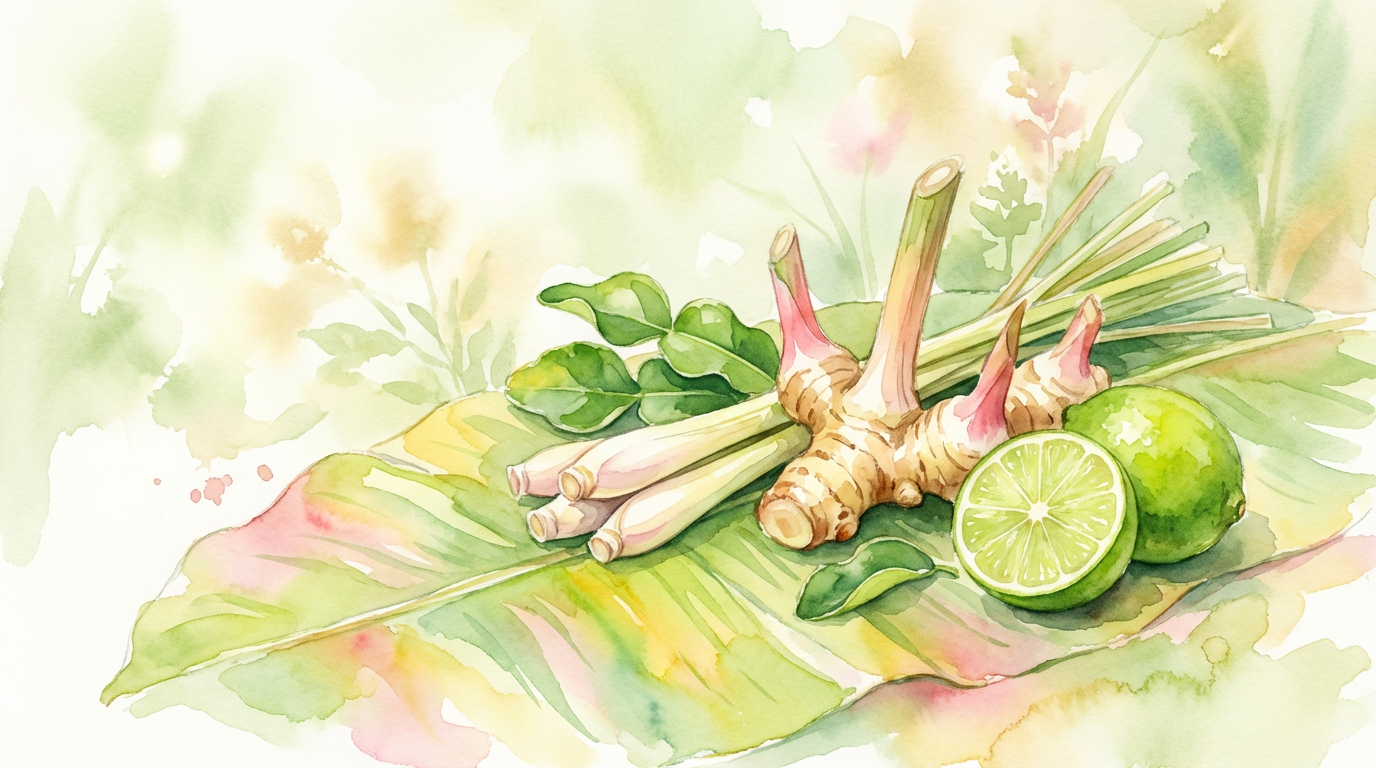
Thai Cuisine for Inflammation: Galangal, Lemongrass & Kaffir Lime
Thai cuisine, rich in potent herbs like galangal, lemongrass, and kaffir lime, offers significant anti-inflammatory benefits for women's health. These ingredients work synergistically to reduce systemic inflammation, support hormonal balance, and alleviate symptoms across various life stages, from menstruation to menopause.
Listen to this article
~20 min listen
Click play to generate audio narration with a calming voice
TL;DR Summary
- •Thai cuisine, specifically ingredients like galangal, lemongrass, and kaffir lime, is a powerful source of anti-inflammatory compounds that can significantly benefit women's health.
- •These herbs contain bioactive compounds like gingerols, curcuminoids, flavonoids, and terpenes which actively combat chronic inflammation, a root cause of many modern health issues.
- •Incorporating these spices into your diet can support hormonal balance, alleviate menstrual discomfort, and provide systemic relief during fertility journeys, pregnancy, and menopause.
Introduction
Thai cuisine, celebrated globally for its vibrant flavors and aromatic spices, is much more than just a culinary delight; it's a potent source of natural anti-inflammatory compounds, particularly beneficial for women managing inflammation through diverse cuisine. The traditional use of ingredients like galangal, lemongrass, and kaffir lime in Thai food isn't just for taste; these herbs are packed with bioactive compounds that offer significant health advantages, helping to mitigate chronic inflammation—a silent driver of many health concerns from menstrual pain to menopausal symptoms. This comprehensive exploration will delve into how these specific Thai staples contribute to an anti-inflammatory diet and support women's health across various life stages.
Chronic inflammation is a pervasive issue in modern society, linked to a myriad of health problems including autoimmune diseases, cardiovascular disease, metabolic syndrome, and even certain cancers. For women, inflammation can exacerbate conditions like endometriosis, PCOS, painful periods, and hormonal imbalances. While medication can provide symptomatic relief, a holistic approach that includes nutrition, particularly an anti-inflammatory diet, offers a sustainable path to better health. Thai cuisine, with its emphasis on fresh herbs, spices, and nutrient-dense vegetables, provides an excellent framework for such a diet. We will uncover the scientific basis behind the anti-inflammatory properties of galangal, lemongrass, and kaffir lime, and how their synergistic effects can empower women to take control of their health through delicious, culturally rich food.
What is the Role of Inflammation in Women's Health?
Inflammation is the body's natural response to injury or infection, a protective mechanism designed to heal and repair. However, when inflammation becomes chronic, it shifts from being a protector to a destroyer, contributing to a wide array of health issues. In women's health, chronic inflammation plays a significant role in conditions such as polycystic ovary syndrome (PCOS), endometriosis, uterine fibroids, and even impacts fertility and menopausal symptoms. For example, in PCOS, chronic low-grade inflammation can exacerbate insulin resistance and androgen excess. In endometriosis, inflammatory markers are often elevated, contributing to pain and tissue growth. Managing this systemic inflammation is crucial for overall well-being and can significantly improve the quality of life for women experiencing these conditions.
How Do Galangal Benefits Support an Anti-Inflammatory Diet?
Galangal (Alpinia galanga), a rhizome closely related to ginger and turmeric, is a cornerstone of Thai cooking and offers remarkable galangal benefits, making it a powerful Thai food anti-inflammatory ingredient. Its distinctive peppery, piney, and citrusy flavor enriches dishes like Tom Yum and Tom Kha Gai, but its true power lies in its medicinal properties. The primary bioactive compounds responsible for galangal's anti-inflammatory effects are gingerols, diarylheptanoids, and flavonoids. These compounds work by inhibiting the production of pro-inflammatory cytokines and enzymes, such as cyclooxygenase-2 (COX-2) and lipoxygenase (LOX), which are key mediators in the inflammatory pathway. Research suggests that galangal extracts can reduce pain and swelling, similar to how non-steroidal anti-inflammatory drugs (NSAIDs) function, but with potentially fewer side effects. Beyond inflammation, galangal also exhibits antioxidant, antimicrobial, and even anti-cancer properties, further solidifying its role as a superfood in traditional medicine and a foundational element for an anti-inflammatory diet.
For women, the galangal benefits extend to alleviating menstrual cramps and discomfort by reducing the inflammatory prostaglandins that contribute to uterine contractions and pain. Its warming properties can also aid digestion and circulation, which are often compromised during various hormonal shifts. Regular consumption of galangal through Thai cuisine can therefore be a delicious and effective strategy for managing chronic inflammation and supporting overall systemic health.
Can Lemongrass Hormones Be Positively Impacted by This Herb?
Lemongrass (Cymbopogon citratus), with its refreshing, citrusy aroma and flavor, is another essential herb in Thai cuisine, frequently used in soups, curries, and teas. Beyond its culinary appeal, lemongrass offers significant health benefits, including potential positive impacts on lemongrass hormones and anti-inflammatory action. The main active compounds in lemongrass are citral, geraniol, and myrcene, which possess potent antioxidant and anti-inflammatory properties. Citral, in particular, has been studied for its ability to inhibit inflammatory pathways and reduce oxidative stress, which is often a precursor to chronic inflammation.
For women, the connection between lemongrass hormones and its consumption is particularly interesting. While direct studies on lemongrass's impact on specific human hormones are still emerging, its overall anti-inflammatory and antioxidant effects can indirectly support hormonal balance. Chronic inflammation is known to disrupt endocrine function, affecting cortisol levels, insulin sensitivity, and even sex hormone production. By reducing systemic inflammation, lemongrass helps create a more stable internal environment, promoting optimal hormone function. Additionally, lemongrass is a natural diuretic, which can help alleviate bloating and water retention often associated with premenstrual syndrome (PMS) and other hormonal fluctuations. Its calming properties can also reduce stress and anxiety, which are significant factors in hormonal dysregulation. Anecdotal evidence and traditional use suggest that lemongrass tea can be a soothing remedy for menstrual discomfort, highlighting its potential role in supporting women's health through its multifaceted benefits.
What Are the Unique Anti-Inflammatory Properties of Kaffir Lime Women Can Benefit From?
Kaffir lime (Citrus hystrix), especially its leaves and zest, imparts a distinct, intensely aromatic, and slightly floral citrus note to Thai dishes. Beyond its unique flavor profile, kaffir lime women can particularly benefit from its remarkable anti-inflammatory properties. The key bioactive compounds in kaffir lime are flavonoids, limonoids, and essential oils like citronellal and limonene. These compounds are powerful antioxidants that combat free radicals and reduce oxidative stress, a major contributor to chronic inflammation. Flavonoids, in particular, are known for their ability to modulate immune responses and inhibit pro-inflammatory mediators.
For women, kaffir lime's anti-inflammatory and antioxidant effects can be especially beneficial. Chronic inflammation can exacerbate conditions like endometriosis, where reducing inflammatory markers is crucial for pain management and disease progression. The aromatic essential oils in kaffir lime also have traditional uses in aromatherapy for stress reduction and mood elevation, which are important aspects of holistic health, especially during periods of hormonal change. Furthermore, its antimicrobial properties can support gut health, and a healthy gut microbiome is increasingly recognized as vital for immune function and reducing systemic inflammation. Incorporating kaffir lime into your diet not only enhances the flavor of your meals but also provides a potent, natural way to reduce inflammation and support overall well-being, making it a valuable addition for kaffir lime women seeking natural health solutions.
How Do These Thai Ingredients Synergistically Combat Inflammation?
The true power of Thai cuisine as an anti-inflammatory powerhouse lies not just in individual ingredients, but in their synergistic action. Galangal, lemongrass, and kaffir lime, when combined in traditional Thai dishes, create a potent blend of bioactive compounds that offer enhanced anti-inflammatory effects. This synergy means that the combined effect of these herbs is greater than the sum of their individual parts. For instance, the gingerols in galangal, citral in lemongrass, and flavonoids in kaffir lime may target different inflammatory pathways or enhance each other's absorption and bioavailability, leading to a more comprehensive reduction in systemic inflammation.
This holistic approach is a hallmark of traditional medicine systems, where food is seen as medicine. The complex interplay of these compounds provides a broader spectrum of action against various inflammatory triggers and oxidative stressors in the body. For example, galangal's ability to inhibit COX-2 enzymes, combined with lemongrass's antioxidant capacity and kaffir lime's immune-modulating flavonoids, creates a robust defense against chronic inflammation. This synergistic effect is a key reason why regularly incorporating a variety of anti-inflammatory herbs and spices, as found in Thai food, is more effective than relying on isolated compounds or supplements.
Practical Tips for Incorporating Thai Anti-Inflammatory Ingredients into Your Diet
Integrating galangal, lemongrass, and kaffir lime into your daily diet is easier than you might think, even if you're not cooking authentic Thai dishes every day. Here are some practical tips:
- •Soups and Curries: The most obvious way is to use them in traditional Thai soups like Tom Yum or Tom Kha Gai, and various Thai curries. These dishes are designed to feature these ingredients prominently.
- •Infused Teas: Steep fresh slices of galangal and lemongrass with kaffir lime leaves in hot water for a soothing and anti-inflammatory tea. Add a touch of honey if desired.
- •Marinades: Finely mince galangal, lemongrass, and kaffir lime leaves and add them to marinades for chicken, fish, or tofu. This infuses your protein with flavor and beneficial compounds.
- •Stir-Fries: Sauté minced galangal and lemongrass with vegetables and protein for a quick and flavorful stir-fry. Add kaffir lime leaves towards the end for aroma.
- •Rice Dishes: Add chopped lemongrass and kaffir lime leaves to your rice cooker for an aromatic and subtly flavored side dish.
- •Smoothies: A small piece of fresh galangal and a stalk of lemongrass can be blended into a fruit or vegetable smoothie for an unexpected anti-inflammatory kick.
- •Salad Dressings: Infuse olive oil with minced galangal and lemongrass, then use it as a base for a vibrant salad dressing.
When sourcing these ingredients, look for fresh rhizomes (galangal) and stalks (lemongrass) in Asian markets. Kaffir lime leaves are often sold fresh or frozen. If fresh isn't available, dried versions can be used, though their potency might be slightly reduced. Always remember to remove tough outer layers of lemongrass and galangal before use, and usually, kaffir lime leaves are added whole or torn and removed before serving, as they are not meant to be eaten whole.
Benefits by Life Stage
Menstrual Health (Periods, Cramps, PMS)
For women experiencing menstrual health challenges such as painful periods (dysmenorrhea), severe cramps, and premenstrual syndrome (PMS), the anti-inflammatory properties of galangal, lemongrass, and kaffir lime can offer significant relief. Menstrual pain is often linked to the overproduction of prostaglandins, hormone-like substances that cause uterine contractions and inflammation. Galangal, with its gingerol compounds, has been shown to inhibit these inflammatory prostaglandins, similar to how NSAIDs work, but through a natural pathway. Lemongrass's calming effects and diuretic properties can help reduce bloating and water retention associated with PMS, while its anti-inflammatory action can ease systemic discomfort. Kaffir lime's stress-reducing aromas and antioxidant effects contribute to overall well-being, which is crucial during the often-stressful premenstrual phase. Regular consumption of these ingredients can help moderate the inflammatory response, leading to less severe cramps and a more comfortable menstrual cycle, promoting better overall Thai food anti-inflammatory benefits for menstrual health.
Fertility Journey (TTC, Ovulation, Conception)
Chronic inflammation can be a silent barrier during the fertility journey, impacting ovulation, egg quality, and implantation. For women trying to conceive (TTC), an anti-inflammatory diet, rich in ingredients like galangal, lemongrass, and kaffir lime, can create a more favorable internal environment. Systemic inflammation can disrupt hormonal balance, affecting the delicate interplay of hormones necessary for successful ovulation. By reducing inflammation, these Thai herbs can support healthier ovulatory function. Furthermore, oxidative stress, often linked to inflammation, can negatively impact egg quality. The potent antioxidants in galangal, lemongrass, and kaffir lime help neutralize free radicals, protecting cellular health, including that of ovarian cells. A healthy, inflammation-free uterine environment is also crucial for successful implantation and early pregnancy. Incorporating these ingredients into a balanced, nutrient-dense diet can therefore be a supportive strategy for women on their fertility journey, enhancing the body's natural readiness for conception through galangal benefits and other herbals.
Pregnancy (Trimesters, Prenatal Care)
During pregnancy, a woman's body undergoes immense changes, and maintaining a healthy inflammatory balance is vital for both maternal and fetal well-being. While fresh herbs are generally safe in culinary amounts, it's always crucial for pregnant women to consult their healthcare provider before making significant dietary changes or using herbal remedies in larger doses. In moderation, the anti-inflammatory and antioxidant properties of galangal, lemongrass, and kaffir lime can be beneficial. They can help alleviate common pregnancy discomforts such as mild nausea (galangal, similar to ginger), indigestion, and general aches and pains by reducing systemic inflammation. The calming aroma of lemongrass and kaffir lime can also provide natural stress relief. Furthermore, the nutrient content and immune-boosting properties of these herbs can support the mother's immune system, which is naturally modulated during pregnancy. A balanced intake within a diverse diet contributes to overall prenatal care, ensuring that mother and baby receive essential nutrients and protective compounds without excessive inflammatory responses. This gentle approach leverages lemongrass hormones and other plant compounds to support a healthy pregnancy.
Menopause (Perimenopause, Hormonal Changes)
Menopause and perimenopause are characterized by significant hormonal shifts, often accompanied by symptoms such as hot flashes, mood swings, joint pain, and an increased risk of chronic diseases, many of which have an inflammatory component. The anti-inflammatory power of galangal, lemongrass, and kaffir lime can be particularly valuable during this life stage. Chronic inflammation can exacerbate menopausal symptoms and contribute to conditions like osteoporosis and cardiovascular disease, which become more prevalent post-menopause. By actively reducing systemic inflammation, these Thai ingredients can help mitigate some of these symptoms and risks. For example, the analgesic properties of galangal can help with joint pain, while the calming effects of lemongrass can assist with mood regulation and sleep disturbances. Kaffir lime's antioxidants protect against cellular damage, which is crucial as the body ages. Embracing an anti-inflammatory diet rich in these vibrant herbs can support women through the menopausal transition, promoting comfort and long-term health, and making kaffir lime women-friendly for this stage of life.
Key Takeaways
- •Galangal, lemongrass, and kaffir lime are core Thai ingredients with powerful anti-inflammatory and antioxidant properties.
- •These herbs contain bioactive compounds like gingerols, citral, and flavonoids that target various inflammatory pathways.
- •Regular consumption of these ingredients through Thai cuisine can significantly reduce chronic systemic inflammation.
- •They offer specific benefits for women's health, including alleviating menstrual pain, supporting fertility, aiding pregnancy discomforts, and easing menopausal symptoms.
- •The synergistic action of these herbs enhances their overall anti-inflammatory efficacy.
- •Incorporating these ingredients can be easily done through soups, teas, marinades, stir-fries, and more, promoting a delicious and holistic approach to health.
Frequently Asked Questions
Q: What makes Thai food anti-inflammatory?
Thai food is anti-inflammatory due to its rich use of fresh herbs and spices like galangal, lemongrass, kaffir lime, turmeric, and chili, which are packed with bioactive compounds (e.g., gingerols, curcuminoids, citral, flavonoids) known to reduce inflammation, combat oxidative stress, and modulate immune responses, offering a delicious way to support health.
Q: Are galangal benefits similar to ginger?
Yes, galangal benefits are similar to ginger in that both are rhizomes containing gingerols and other compounds with strong anti-inflammatory and antioxidant properties, making them effective for reducing pain and nausea. However, galangal has a more peppery, piney flavor and a slightly different chemical profile, offering distinct yet complementary health advantages.
Q: How does lemongrass affect hormones in women?
While direct studies on lemongrass's impact on specific human hormones are limited, its significant anti-inflammatory and antioxidant properties indirectly support hormonal balance in women by reducing systemic inflammation and oxidative stress, which are known to disrupt endocrine function. Its calming and diuretic effects can also alleviate PMS symptoms like bloating and stress, supporting overall hormonal well-being.
Q: Can kaffir lime help with women's health issues?
Yes, kaffir lime women can benefit from its potent anti-inflammatory and antioxidant properties, primarily due to its rich content of flavonoids and essential oils. These compounds help reduce chronic inflammation, which is linked to conditions like endometriosis and menstrual discomfort. Its aromatic properties can also aid in stress reduction, contributing to overall well-being during various life stages.
Q: Is it safe to consume these herbs daily for anti-inflammatory purposes?
Yes, consuming galangal, lemongrass, and kaffir lime in culinary amounts as part of a balanced diet is generally safe for daily anti-inflammatory purposes. Traditional Thai cuisine uses these ingredients regularly. However, if you have specific health conditions, are pregnant, or are taking medications, it's always wise to consult with a healthcare professional before making significant dietary changes or using concentrated herbal extracts.
Q: Where can I find fresh galangal, lemongrass, and kaffir lime?
Fresh galangal, lemongrass, and kaffir lime are typically available at Asian grocery stores, international supermarkets, and sometimes at farmers' markets. They can often be found in the produce section, either fresh or sometimes frozen (especially kaffir lime leaves). Dried versions are also available but may have a less potent flavor and efficacy.
Q: What are some easy Thai dishes to make with these ingredients?
Easy Thai dishes to incorporate these anti-inflammatory ingredients include Tom Yum soup (hot and sour soup), Tom Kha Gai (coconut chicken soup), various Thai curries (e.g., Green Curry, Red Curry), and stir-fries. You can also make simple infused teas by steeping fresh slices of galangal, lemongrass, and kaffir lime leaves in hot water.
Start Your Wellness Journey Today
Ready to track your cycle, fertility, pregnancy, or menopause journey? Download PERIODiQ - your iQ-powered wellness companion designed for every stage of your health journey.
Get PERIODiQ Free: https://periodiq.app
Your Wellness Journey Starts Here
Download PERIODiQ
Scan the QR code or tap the link to get started with your personalized health tracking.
periodiq.app • iOS & Android
Cite this article
PERIODiQ Editorial Team (2026). "Thai Cuisine for Inflammation: Galangal, Lemongrass & Kaffir Lime." PERIODiQ. https://periodiq.app/library/thai-cuisine-for-inflammation-galangal-lemongrass-kaffir-lime
"Thai Cuisine for Inflammation: Galangal, Lemongrass & Kaffir Lime." PERIODiQ, 2026, https://periodiq.app/library/thai-cuisine-for-inflammation-galangal-lemongrass-kaffir-lime.
Send this to a friend — PERIODiQ is free for them too. No card. No paywall.
Loved this? Save articles, track your cycle, and unlock meditations — free forever.
Disclaimer: PERIODiQ™ offers general wellness information only. It does not provide medical advice, diagnosis, or treatment. Always speak with a licensed health professional about your health.