
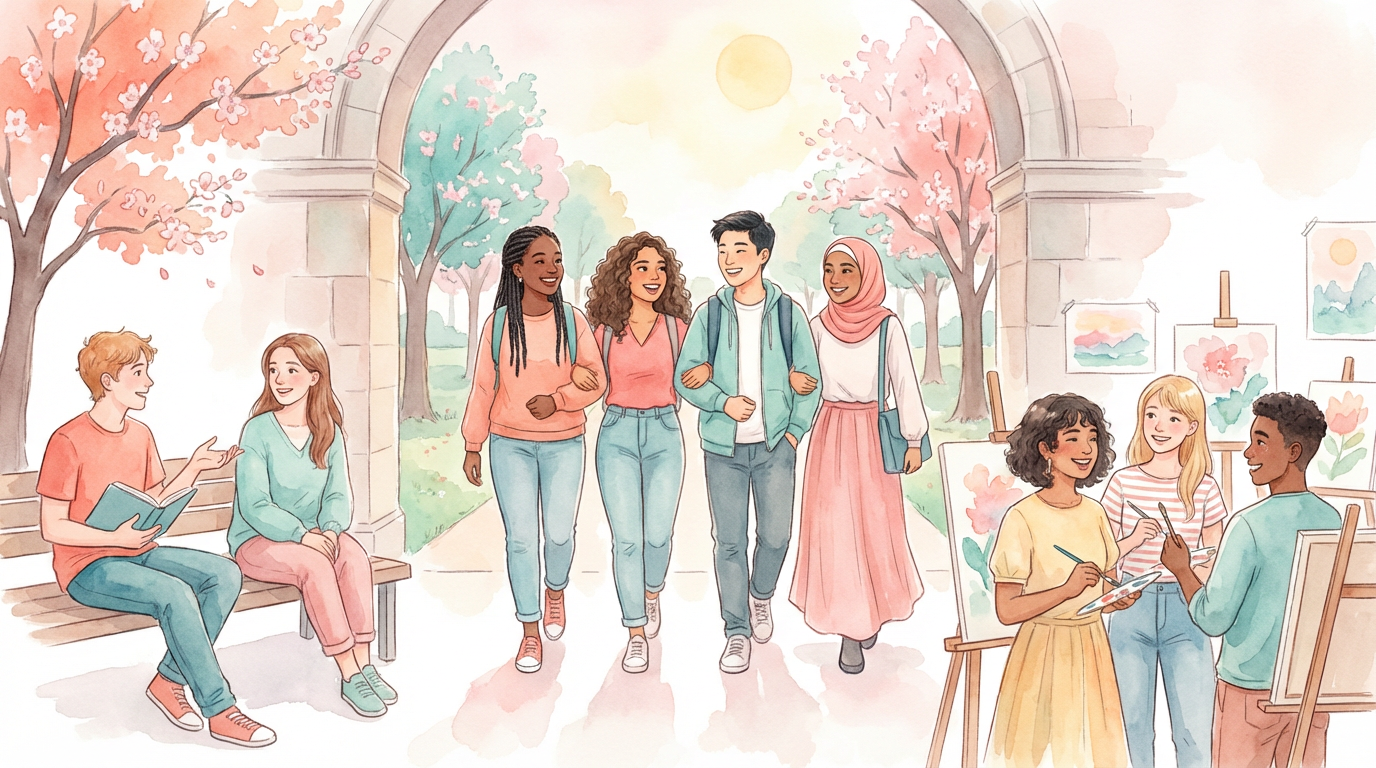
Teen Mood Swings 101: Crying One Minute, Laughing the Next?
Teen mood swings are a completely normal and common part of growing up, driven primarily by hormonal changes during puberty. Understanding these shifts can help you navigate feelings like sadness, anger, and joy, and learn healthy coping mechanisms.
Listen to this article
~13 min listen
Click play to generate audio narration with a calming voice
TL;DR Summary
- •Hormones are the main culprits: Puberty brings a rollercoaster of hormones that directly impact your brain and emotions, causing teen mood swings.
- •It's totally normal: Feeling like you're crying one minute and laughing the next is a common experience for many teens; you're not alone!
- •Coping is key: Learning to identify your triggers and practicing self-care can help you manage these intense emotions.
Why Do I Feel Like Crying Then Laughing? Understanding Teen Mood Swings
Ever felt like your emotions are on a super-fast rollercoaster, zooming from extreme happiness to intense sadness or frustration in a blink? If you're a teenager, you're definitely not alone! These sudden, intense shifts in feelings are often called teen mood swings, and they're a completely normal, albeit sometimes confusing, part of growing up. The short answer to why you feel like crying then laughing is a powerful mix of hormones and emotions, brain development, and the exciting (and sometimes overwhelming) changes happening in your life.
During your teenage years, your body is undergoing a massive transformation, both inside and out. Your brain is still developing, especially the parts responsible for processing emotions and making decisions. At the same time, puberty is kicking into high gear, flooding your system with new hormones. These hormones don't just affect your physical development; they also have a huge impact on your mood, energy levels, and how you react to the world around you. So, that feeling of being super sensitive, easily irritated, or suddenly bursting into tears over something small is a common experience for many teens.
What Exactly Are Mood Swings?
Think of a mood swing as a sudden, intense shift in your emotional state. One moment you might be feeling perfectly fine, even happy, and the next you're overwhelmed with sadness, anger, irritation, or anxiety. These shifts can happen quickly, without much warning, and sometimes without a clear reason. It’s like your emotional dial is getting turned up and down really fast, often by forces you can't control.
For example, you might be having a great time with friends, then suddenly feel a wave of sadness or anger wash over you because of a minor comment or even just a thought. Or, you could be feeling really down, only to find yourself giggling uncontrollably a few minutes later. These rapid changes are a hallmark of teen mood swings.
Why Are My Emotions So Intense Right Now?
Okay, let's dive into the fascinating science behind why your emotions feel like they're on overdrive. It's not just in your head – there are real biological reasons!
How Do Hormones Affect My Mood?
This is a big one! Puberty is like a hormonal explosion in your body. Your ovaries (if you have them) start producing more estrogen and progesterone, and your adrenal glands produce more androgens. While these hormones are busy developing your body, they also travel to your brain and interact with neurotransmitters – the chemical messengers that control your mood, sleep, and stress responses.
- •Estrogen: This hormone is often linked to feelings of well-being and can actually boost serotonin (a happy chemical) levels. However, fluctuating estrogen levels, especially around your period, can lead to irritability, anxiety, and sadness – hello, PMS mood!
- •Progesterone: This hormone can have a calming effect, but its rapid changes can also contribute to feelings of fatigue and low mood.
- •Testosterone (and other androgens): While often associated with boys, girls also produce androgens. These can influence energy levels, competitiveness, and sometimes irritability.
Research, like studies published in journals such as Child Development and Journal of Adolescent Health, consistently shows a strong link between these fluctuating hormone levels and emotional volatility during adolescence. It's like your brain is trying to get used to these new chemical levels, and sometimes it overreacts. Think of it as your body's internal chemistry lab running new experiments!
What's Happening in My Brain?
Your brain is still very much under construction during your teen years. Specifically, the prefrontal cortex – the part of your brain responsible for planning, decision-making, and regulating emotions – isn't fully developed until your mid-20s. Meanwhile, the limbic system, which controls emotions and impulse, is developing much faster.
Imagine your emotional brain (limbic system) is like a powerful sports car, and your logical, control brain (prefrontal cortex) is like a new driver still learning the ropes. Sometimes, that sports car takes off before the driver has a chance to hit the brakes! This imbalance can make emotions feel more intense and harder to control, contributing significantly to teen mood swings.
How Does My Menstrual Cycle Play a Role? (Hello, PMS!)
For many teens who get periods, your menstrual cycle is a major player in mood swings. The week or two before your period starts is often called the premenstrual phase, and it's when PMS mood symptoms are most common. This is because your hormone levels (estrogen and progesterone) are dropping sharply, and this dip can directly affect your brain chemistry.
Symptoms of PMS mood can include:
- •Irritability or anger
- •Sadness or feeling tearful
- •Anxiety or tension
- •Difficulty concentrating
- •Changes in sleep patterns
- •Food cravings
- •Fatigue
It's estimated that up to 75% of people who menstruate experience some form of PMS, and for many teens, these symptoms can be quite pronounced. Understanding that these feelings are often linked to your cycle can be a huge relief, helping you realize that it's not 'all in your head' and that there's a biological reason for feeling a certain way.
Are There Other Reasons for My Mood Swings?
While hormones and brain development are major players, they're not the only things influencing your emotions and moods as a teen. Your life is also full of exciting, challenging, and sometimes stressful experiences that can amplify these feelings.
- •Stress: School pressure (homework, exams, college applications), social drama (friendships, crushes, fitting in), family issues, and even world events can all contribute to stress, which in turn can make teen mood swings more pronounced. Stress hormones like cortisol can mess with your mood and energy levels.
- •Sleep Deprivation: Not getting enough sleep is a huge mood killer for anyone, but especially for growing teens. When you're tired, your emotions are harder to manage, and you're more likely to feel irritable, sad, or anxious. Experts recommend 8-10 hours of sleep for teens, but many don't get it.
- •Diet and Nutrition: What you eat can affect your mood. Skipping meals, eating too much sugar, or not getting enough nutrients can lead to blood sugar crashes, which can make you feel sluggish, irritable, and anxious. A balanced diet helps stabilize energy and mood.
- •Social Pressures: Navigating friendships, social media, dating, and fitting in can be incredibly stressful. Rejection, conflict, or feeling left out can trigger strong emotional responses.
- •Major Life Changes: Moving to a new school, family changes, or dealing with personal challenges can all contribute to emotional ups and downs.
- •Mental Health Conditions: While normal teen mood swings are common, persistent and severe mood changes that interfere with daily life could sometimes indicate an underlying mental health condition like depression, anxiety, or bipolar disorder. If you're concerned, it's important to talk to a trusted adult or doctor.
How Can I Cope with Intense Teen Mood Swings?
Okay, so you understand why these mood swings happen. Now, what can you do about them? The good news is there are many healthy ways to manage your emotions and feel more in control. It's about building your emotional toolkit!
- •
Track Your Moods and Cycle: If you have periods, tracking your cycle can be super helpful. Apps like PERIODiQ (wink, wink!) allow you to log your moods, energy levels, and physical symptoms. Over time, you might notice patterns – like feeling more irritable a few days before your period, or more energetic mid-cycle. Knowing when to expect these shifts can help you prepare and feel less surprised by them. It's like having a weather forecast for your emotions!
- •
Practice Self-Care: This isn't selfish; it's essential! Self-care looks different for everyone, but it generally means doing things that recharge you.
- •Get Enough Sleep: Aim for 8-10 hours. Create a relaxing bedtime routine (no screens an hour before bed!).
- •Eat Well: Fuel your body with balanced meals and snacks. Limit sugary drinks and processed foods, which can cause energy crashes.
- •Move Your Body: Exercise is a fantastic mood booster! Even a 30-minute walk, dancing to your favorite songs, or playing a sport can release endorphins (feel-good chemicals).
- •Mindfulness & Relaxation: Try deep breathing exercises, meditation apps, or simply taking a few moments to focus on your senses. This can help calm your nervous system.
- •
Identify Your Triggers: Pay attention to what situations, people, or thoughts tend to set off your mood swings. Is it stress from school? A particular friend group dynamic? Not eating lunch? Once you know your triggers, you can try to avoid them or prepare for them better.
- •
Express Yourself Healthily: Don't bottle up your emotions! Find healthy ways to let them out.
- •Talk it Out: Share your feelings with a trusted friend, family member, school counselor, or other adult. Sometimes just saying it out loud makes a difference.
- •Journaling: Writing down your thoughts and feelings can help you process them and gain perspective.
- •Creative Outlets: Drawing, painting, playing music, writing poetry – any creative activity can be a powerful way to express complex emotions.
- •
Take a Break: When you feel a mood swing coming on, step away from the situation if you can. Go to another room, take a walk, listen to music, or do something calming for a few minutes. A little breathing room can prevent an emotional explosion.
- •
Build a Support System: Surround yourself with people who make you feel good and understood. Knowing you have friends and family who care can make navigating tough emotions much easier.
- •
Limit Social Media: While social media can be fun, it can also be a source of stress, comparison, and FOMO (fear of missing out). If you notice it's negatively impacting your mood, try taking breaks or setting limits on your usage.
- •
Know When to Ask for Help: Most teen mood swings are normal, but if your emotions feel overwhelming, last for a long time, interfere with your daily life (school, friendships, sleep), or you're having thoughts of harming yourself, it's crucial to reach out. Talk to a parent, school nurse, counselor, doctor, or another trusted adult. They can help you figure out if what you're experiencing is typical or if you might benefit from extra support. Remember, asking for help is a sign of strength, not weakness.
A Final Word of Reassurance
Being a teenager is a time of incredible change, growth, and discovery. It's also a time when your body and mind are working overtime, and teen mood swings are a natural byproduct of that intense development. Remember that these feelings are temporary, and you're learning valuable skills for managing your emotions that will serve you throughout your entire life. Be patient and kind to yourself, and know that you are not going through this alone. Every adult around you has been through their own version of this rollercoaster!
Key Takeaways
- •Teen mood swings are normal: They are a common part of adolescence, driven by hormones, brain development, and life changes.
- •Hormones are key players: Fluctuating estrogen, progesterone, and other hormones directly impact emotions and moods, especially around the menstrual cycle (PMS mood).
- •Brain development matters: The emotional part of your brain develops faster than the logical control center, contributing to intense feelings.
- •Lifestyle factors influence mood: Stress, lack of sleep, poor nutrition, and social pressures can worsen mood swings.
- •Coping strategies work: Tracking moods, self-care, identifying triggers, healthy expression, and seeking support are effective ways to manage emotions.
- •Seek help if needed: If mood swings are severe or persistent, talk to a trusted adult or healthcare professional.
Frequently Asked Questions
Q1: Are teen mood swings normal, or should I be worried?
A1: Teen mood swings are very normal! They're a common part of puberty and adolescence, driven by hormonal changes and brain development. Most teens experience them. You should only be concerned if your mood swings are extremely severe, last for a long time, interfere with your daily life (like school or friendships), or if you're having thoughts of self-harm. In those cases, it's important to talk to a trusted adult or doctor.
Q2: How long do teen mood swings usually last?
A2: The intensity and frequency of mood swings can vary greatly from person to person. They are most common during the peak years of puberty, typically from ages 11-17. While the extreme rollercoaster might lessen as you get older and your hormones stabilize, many women continue to experience some mood fluctuations related to their menstrual cycle throughout their lives. For most, the most intense period of mood swings calms down by late adolescence or early adulthood.
Q3: Can my diet affect my mood swings?
A3: Yes, absolutely! What you eat plays a big role in your energy levels and mood. Eating a balanced diet with whole foods, fruits, vegetables, and lean proteins helps stabilize your blood sugar, which can prevent crashes that lead to irritability or fatigue. Limiting sugary snacks and drinks, which can cause rapid spikes and drops in blood sugar, can also help maintain a more even mood. Staying hydrated is also super important!
Q4: What's the difference between normal teen mood swings and something more serious like depression?
A4: Normal teen mood swings are usually temporary, often triggered by specific events or your menstrual cycle, and while intense, they don't typically stop you from doing your daily activities. Depression, on the other hand, involves a persistent feeling of sadness, hopelessness, or loss of interest in activities you once enjoyed, lasting for two weeks or more. Other signs of depression include changes in sleep or appetite, low energy, difficulty concentrating, and thoughts of self-harm. If you suspect you might be experiencing depression, it's really important to talk to a trusted adult or healthcare professional.
Q5: Will I always have mood swings related to my period (PMS mood)?
A5: Many people experience some form of PMS mood symptoms around their period, but the severity can change over time. As your body continues to develop and your hormones find a more consistent rhythm, your PMS symptoms might become less intense. Lifestyle changes like diet, exercise, stress management, and good sleep can also significantly help manage PMS mood symptoms. Tracking your cycle can help you understand your unique patterns and manage them better.
Q6: How can I explain my mood swings to my parents or friends so they understand?
A6: It can be tough, but open communication is key! You could start by saying something like, "Hey, I've been feeling really emotional lately, and I think it's because of hormones and all the changes happening with puberty. Sometimes I feel really happy, and then suddenly I feel sad or angry, and I don't always know why. It's confusing for me too." You can also share resources like this article with them! Asking for patience and understanding, and letting them know what helps (e.g., "Sometimes I just need a bit of space," or "Can we talk about this later when I'm calmer?") can make a big difference.
Q7: Does exercise really help with mood swings?
A7: Yes, absolutely! Exercise is a powerful tool for managing emotions and moods. When you exercise, your body releases endorphins, which are natural mood boosters that can help reduce feelings of stress, anxiety, and sadness. Regular physical activity can also improve sleep, reduce stress hormones, and give you a sense of accomplishment, all of which contribute to a more stable mood. Even a short walk or dancing to your favorite music can make a noticeable difference!
Start Your Wellness Journey Today
Ready to track your cycle, fertility, pregnancy, or menopause journey? Download PERIODiQ - your iQ-powered wellness companion designed for every stage of your health journey.
Get PERIODiQ Free: https://periodiq.app
Your Wellness Journey Starts Here
Download PERIODiQ
Scan the QR code or tap the link to get started with your personalized health tracking.
periodiq.app • iOS & Android
Cite this article
PERIODiQ Editorial Team (2026). "Teen Mood Swings 101: Crying One Minute, Laughing the Next?." PERIODiQ. https://periodiq.app/library/teen-mood-swings-101-crying-one-minute-laughing-the-next
"Teen Mood Swings 101: Crying One Minute, Laughing the Next?." PERIODiQ, 2026, https://periodiq.app/library/teen-mood-swings-101-crying-one-minute-laughing-the-next.
Send this to a friend — PERIODiQ is free for them too. No card. No paywall.
Loved this? Save articles, track your cycle, and unlock meditations — free forever.
Disclaimer: PERIODiQ™ offers general wellness information only. It does not provide medical advice, diagnosis, or treatment. Always speak with a licensed health professional about your health.