TCM for Menstrual Health: A Traditional Chinese Medicine Guide
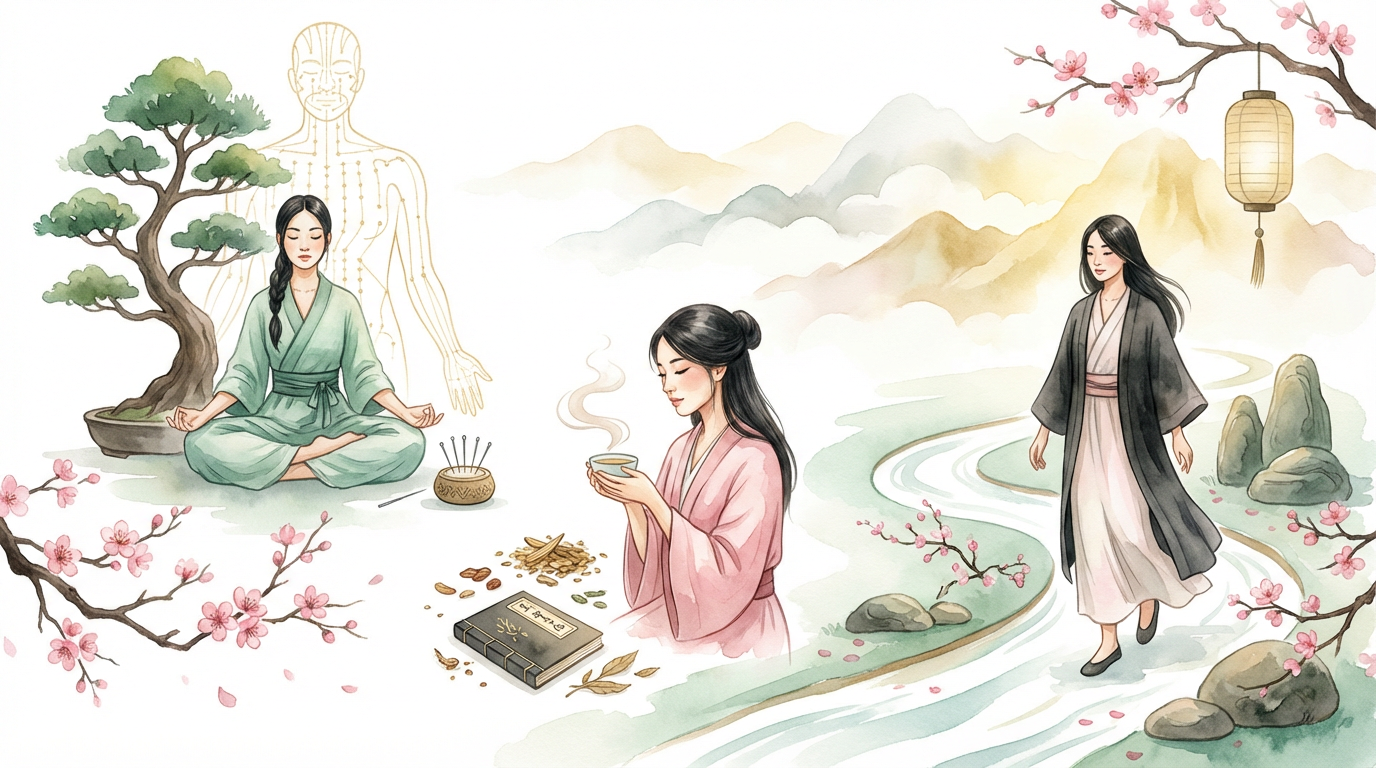
Traditional Chinese Medicine (TCM) offers a holistic approach to menstrual health, viewing the menstrual cycle as a reflection of a woman's overall Qi, Blood, and Organ balance. This guide explores how TCM principles, including acupuncture, herbal remedies, and dietary adjustments, can support healthy periods and address common gynecological concerns.
Listen to this article
~13 min listen
Click play to generate audio narration with a calming voice
TL;DR Summary
- •TCM views menstrual health holistically, focusing on the balance of Qi, Blood, Yin, and Yang within the body's organ systems, particularly the Liver, Spleen, and Kidneys.
- •Acupuncture, herbal medicine, and dietary therapy are primary TCM modalities used to regulate the menstrual cycle, alleviate symptoms, and support fertility by addressing underlying imbalances.
- •Personalized treatment plans are central to TCM, recognizing that each woman's constitution and menstrual patterns are unique, requiring tailored approaches for optimal results.
Understanding TCM for Menstrual Health: A Holistic Approach to Your Cycle
Traditional Chinese Medicine (TCM) offers a comprehensive and time-honored perspective on menstrual health, viewing a woman’s cycle not merely as a biological event, but as a profound reflection of her overall vitality and the intricate balance of her internal landscape. Unlike Western medicine's often symptomatic approach, TCM delves into the root causes of menstrual irregularities and discomfort, aiming to restore harmony within the body. For women balancing demanding careers, fertility planning, and family life, embracing TCM principles can provide a powerful framework for enhancing well-being and achieving optimal TCM periods.
This guide will explore how ancient wisdom can illuminate modern menstrual health concerns, offering actionable insights grounded in centuries of clinical practice and a deep understanding of the body's natural rhythms. We will delve into the core concepts of TCM, explain how they relate to the menstrual cycle, and provide practical advice on incorporating these principles into your daily life for balanced and healthy Chinese medicine menstruation.
What are the Core Principles of TCM in Relation to Menstrual Health?
At the heart of Traditional Chinese Medicine lies the concept of Qi (pronounced 'chee'), the vital life force that flows through the body's meridians. Alongside Qi, Blood is considered equally crucial, nourishing the body and forming the material basis for menstruation. The intricate dance between Qi and Blood, along with the balance of Yin (cooling, nourishing, fluid) and Yang (warming, active, functional), is paramount for a harmonious menstrual cycle.
In TCM, several organ systems play pivotal roles in regulating menstruation:
- •Kidneys: Considered the root of Yin and Yang, the Kidneys store Jing (essence), which is fundamental for reproductive health, growth, and development. Kidney energy influences fertility, ovulation, and the timing of the menstrual cycle.
- •Liver: The Liver is responsible for the smooth flow of Qi and Blood. A well-functioning Liver ensures that menstrual blood flows freely and without pain. Liver Qi stagnation is a common pattern underlying premenstrual syndrome (PMS), painful periods, and irregular cycles.
- •Spleen: The Spleen transforms food into Qi and Blood, ensuring adequate nourishment for the body and preventing excessive bleeding. It also holds the Blood within the vessels. Spleen Qi deficiency can lead to heavy periods or spotting.
When these interconnected systems are in balance, a woman experiences a regular, comfortable menstrual cycle. Imbalances, however, can manifest as a wide array of menstrual symptoms, from painful cramps and heavy bleeding to irregular cycles and infertility. Understanding these foundational principles is the first step towards harnessing the power of TCM periods for better health.
How Does TCM Diagnose Menstrual Imbalances?
TCM practitioners employ a unique diagnostic methodology that goes beyond Western medical tests. They meticulously gather information through:
- •Observation: This includes examining the tongue (color, coating, shape) and facial complexion, which offer insights into internal organ function and the state of Qi and Blood.
- •Listening and Smelling: Assessing voice quality, breathing patterns, and body odors can provide clues about underlying imbalances.
- •Inquiry: A detailed history is taken, focusing not just on menstrual symptoms but also on digestion, sleep, energy levels, emotional state, and lifestyle factors. Questions about the color, consistency, and flow of menstrual blood are particularly important.
- •Palpation: This involves feeling the pulse (which has 12 positions, each corresponding to a different organ system) and gently palpating specific areas of the body.
For example, a woman experiencing severe premenstrual irritability, breast tenderness, and dark, clotted menstrual blood might be diagnosed with Liver Qi Stagnation. Conversely, someone with light, pale periods, fatigue, and dizziness might be diagnosed with Blood Deficiency. This individualized approach ensures that treatment directly addresses the woman's unique pattern of disharmony, leading to more effective and sustainable results for Chinese medicine menstruation.
What are the Common TCM Patterns Associated with Menstrual Irregularities?
TCM categorizes menstrual irregularities into specific patterns of disharmony. Here are some of the most common:
- •Liver Qi Stagnation: Often associated with stress, emotional repression, and a sedentary lifestyle. Symptoms include PMS (irritability, breast tenderness, bloating), painful periods with dark clots, irregular cycles, and headaches. The Liver's role in the smooth flow of Qi is compromised.
- •Blood Deficiency: Can stem from poor diet, excessive bleeding, or chronic illness. Symptoms include light or absent periods, fatigue, dizziness, pale complexion, dry skin, and hair loss. The body lacks sufficient Blood to nourish the uterus and tissues.
- •Kidney Yin Deficiency: Often seen in women with a history of overwork, chronic stress, or aging. Symptoms include early or scanty periods, hot flashes, night sweats, low back pain, and infertility. The cooling, nourishing aspect of the Kidneys is depleted.
- •Kidney Yang Deficiency: Characterized by coldness in the body. Symptoms include delayed or absent periods, heavy or prolonged bleeding with pale blood, cold hands and feet, fatigue, and frequent urination. The warming, active aspect of the Kidneys is insufficient.
- •Spleen Qi Deficiency: Results from poor diet, excessive worry, or chronic illness. Symptoms include heavy or prolonged periods, spotting between periods, fatigue, bloating, and loose stools. The Spleen's ability to create Blood and hold it in the vessels is impaired.
- •Dampness/Phlegm Accumulation: Can be caused by excessive consumption of greasy, sweet, or cold foods. Symptoms include absent periods, irregular periods with heavy, sticky discharge, obesity, and a feeling of heaviness. Dampness obstructs the flow of Qi and Blood.
- •Blood Stasis: Often a progression of Liver Qi Stagnation or cold invasion. Symptoms include severe, sharp, stabbing pain during periods, dark, clotted blood, and fixed abdominal pain. Blood is not flowing smoothly, causing blockages.
Identifying these patterns allows TCM practitioners to formulate highly targeted treatment strategies for TCM periods.
How Can Acupuncture Support a Healthy Menstrual Cycle?
Acupuncture period treatment involves the insertion of fine needles into specific points along the body's meridians. These points are chosen based on the woman's individual diagnostic pattern and aim to:
- •Regulate Qi and Blood Flow: Acupuncture can unblock stagnant Qi and Blood, alleviating pain and promoting a smooth menstrual flow. For example, points on the Liver and Spleen meridians are often used to address PMS and cramps.
- •Balance Hormones: By influencing the hypothalamic-pituitary-ovarian (HPO) axis, acupuncture can help normalize hormonal fluctuations, which are crucial for regular ovulation and a balanced cycle.
- •Reduce Stress and Anxiety: The calming effects of acupuncture can significantly reduce stress, a major contributor to menstrual irregularities and PMS. Stress often exacerbates Liver Qi Stagnation.
- •Improve Organ Function: Specific points can strengthen the Kidneys, Spleen, and Liver, enhancing their ability to support reproductive health.
- •Alleviate Pain: Acupuncture is well-researched for its effectiveness in reducing menstrual pain (dysmenorrhea) by releasing endorphins and modulating pain signals.
For example, a study published in the American Journal of Obstetrics & Gynecology highlighted acupuncture's efficacy in reducing the severity of primary dysmenorrhea. Regular acupuncture period sessions, particularly in the lead-up to and during menstruation, can be transformative for many women.
What Role Do Herbal Remedies Play in TCM Menstrual Health?
Chinese herbal medicine is a cornerstone of TCM, utilizing carefully formulated combinations of herbs to address specific imbalances. Unlike single-ingredient supplements, herbal formulas are designed to work synergistically, enhancing their therapeutic effects and minimizing side effects.
Common herbs and their applications for Chinese medicine menstruation include:
- •Dang Gui (Angelica Sinensis): Often called 'female ginseng,' it's a primary Blood tonic, nourishing Blood and promoting circulation. Used for Blood Deficiency, scanty periods, and painful periods caused by Blood Stasis.
- •Chai Hu (Bupleurum): Used to soothe the Liver and regulate Qi, making it effective for Liver Qi Stagnation, PMS, irritability, and breast tenderness.
- •Bai Shao (White Peony Root): Nourishes Liver Blood and Yin, relaxes muscle spasms, and alleviates pain. Often combined with Dang Gui for menstrual cramps.
- •Shan Yao (Chinese Yam): Strengthens the Spleen and Kidneys, supporting overall vitality and reproductive health. Used for Spleen Qi Deficiency and Kidney Yin/Yang Deficiency.
- •Fu Ling (Poria Mushroom): Drains Dampness and strengthens the Spleen, useful for heavy periods, bloating, and damp-related menstrual issues.
- •Yi Mu Cao (Motherwort): Invigorates Blood and dispels Blood Stasis, traditionally used for painful periods, irregular cycles, and postpartum recovery.
Herbal formulas are always prescribed by a qualified TCM practitioner after a thorough diagnosis, ensuring they are tailored to the individual's unique pattern and constitution. Self-prescribing is not recommended due to the complexity of herbal interactions and potential contraindications.
How Can Dietary and Lifestyle Adjustments Support Balanced Periods?
Diet and lifestyle are integral to maintaining TCM periods and overall well-being. Food is considered medicine in TCM, and specific dietary choices can either support or disrupt internal harmony.
Dietary Recommendations:
- •Warm, Cooked Foods: Emphasize warm, easily digestible foods like soups, stews, and steamed vegetables, especially during menstruation, to conserve Qi and Blood. Avoid excessive cold or raw foods, which can 'dampen' the Spleen and 'congeal' Blood.
- •Nourishing Blood-Building Foods: Incorporate iron-rich foods such as lean meats, dark leafy greens (spinach, kale), beets, berries, and black sesame seeds to support Blood health.
- •Spleen-Strengthening Foods: Include grains like millet, oats, and quinoa, root vegetables, and legumes to bolster Spleen Qi.
- •Liver-Soothing Foods: Lightly cooked greens, citrus fruits (in moderation), and small amounts of pungent spices can help the Liver. Limit greasy, fried, and processed foods.
- •Avoid Excessive Sugar, Dairy, and Caffeine: These can contribute to Dampness, inflammation, and exacerbate Liver Qi Stagnation.
- •Hydration: Drink plenty of warm water throughout the day.
Lifestyle Recommendations:
- •Stress Management: Practice mindfulness, meditation, yoga, Tai Chi, or deep breathing exercises to manage stress, which directly impacts Liver Qi. Regular, moderate exercise is also crucial for promoting Qi and Blood circulation.
- •Adequate Sleep: Prioritize 7-9 hours of quality sleep, as sleep is essential for Yin and Blood replenishment, especially for the Liver and Kidneys.
- •Warmth: Keep the lower abdomen and feet warm, particularly during menstruation, to prevent cold from entering the uterus, which can lead to painful periods and Blood Stasis.
- •Emotional Balance: Acknowledge and process emotions, as suppressed emotions can lead to Qi stagnation. Seek support if needed.
By integrating these dietary and lifestyle practices, women can proactively support their Chinese medicine menstruation health and cultivate a greater sense of balance.
Can TCM Help with Fertility and Menstrual Issues During Reproductive Planning?
Absolutely. TCM has a long and well-documented history of supporting fertility and addressing menstrual issues that can impede conception. For women actively planning a family, TCM offers a gentle yet powerful approach to optimize reproductive health.
- •Regulating Ovulation: By balancing the Kidneys, Liver, and Spleen, TCM can help regulate the menstrual cycle, promote consistent ovulation, and improve egg quality.
- •Enhancing Uterine Environment: TCM aims to ensure a healthy uterine lining and optimal blood flow to the uterus, creating a more receptive environment for implantation.
- •Addressing Underlying Imbalances: Conditions like PCOS, endometriosis, and fibroids, which can affect fertility, are addressed by identifying and treating their root TCM patterns. For example, PCOS is often linked to Kidney and Spleen deficiencies with Dampness accumulation.
- •Reducing Stress: The stress associated with fertility challenges can itself be a barrier to conception. Acupuncture and herbal medicine can help calm the nervous system and promote relaxation.
- •Supporting IVF/ART: Many women use TCM as an adjunct therapy during In Vitro Fertilization (IVF) or other Assisted Reproductive Technology (ART) cycles to improve success rates and manage side effects.
The focus is always on preparing the body for conception by restoring intrinsic balance, making it a highly valuable tool for fertility planning alongside conventional medical approaches. Regular acupuncture period treatments and personalized herbal formulas are often key components of such plans.
What are the Benefits of a Holistic TCM Approach to Menstrual Health?
Embracing TCM for menstrual health offers a multitude of benefits that extend beyond symptom relief:
- •Root Cause Resolution: TCM doesn't just mask symptoms; it addresses the underlying imbalances, leading to more sustainable and long-term improvements.
- •Personalized Care: Treatments are tailored to the individual, recognizing that no two women or menstrual cycles are exactly alike.
- •Improved Overall Well-being: By balancing Qi, Blood, Yin, and Yang, TCM enhances not only menstrual health but also energy levels, mood, sleep, digestion, and resilience to stress.
- •Empowerment: Understanding your body's unique patterns through a TCM lens empowers you to make informed choices about your health and take an active role in your well-being.
- •Preventative Care: TCM encourages a proactive approach, helping to prevent future imbalances and maintain optimal health throughout all life stages.
By integrating the wisdom of TCM periods into your health regimen, you can cultivate a deeper connection with your body's natural rhythms and foster a more harmonious and comfortable menstrual experience.
Is TCM a Substitute for Western Medical Care?
It is important to understand that TCM is generally considered a complementary medicine. While it is highly effective for managing menstrual health and fertility, it should not replace conventional Western medical diagnosis or treatment for serious conditions. For example, if you experience sudden, severe pain, abnormal bleeding, or suspect a serious medical condition, it is crucial to consult with your Western medical doctor. TCM practitioners often work collaboratively with Western medical professionals to provide comprehensive and integrated care. Always inform all your healthcare providers about any treatments you are receiving.
Key Takeaways
- •TCM offers a holistic framework for understanding and addressing menstrual health, focusing on the balance of Qi, Blood, Yin, and Yang within the body's organ systems.
- •Diagnosis in TCM is highly individualized, relying on detailed observation, inquiry, and palpation to identify specific patterns of disharmony.
- •Acupuncture, herbal medicine, and targeted dietary/lifestyle changes are the primary modalities used to restore balance, alleviate symptoms, and support overall reproductive wellness.
- •Common menstrual issues like PMS, painful periods, and irregular cycles are viewed as manifestations of underlying imbalances such as Liver Qi Stagnation, Blood Deficiency, or Kidney Imbalances.
- •TCM can significantly support fertility by regulating cycles, improving ovulation, and optimizing the uterine environment, often as a complementary therapy to Western treatments.
Frequently Asked Questions
Q1: How quickly can I expect to see results from TCM for my periods?
A1: The timeline for results varies based on the individual's condition, the severity of the imbalance, and adherence to the treatment plan. Some women may experience improvements in symptoms within one to three menstrual cycles, while deeper, chronic issues might require several months of consistent treatment. Patience and consistency are key with TCM.
Q2: Is acupuncture painful during a period?
A2: Acupuncture needles are very fine, and most people report feeling little to no pain. You might experience a dull ache, tingling, or a sensation of warmth or pressure at the needle site, which is often described as the arrival of 'Qi.' Many women find acupuncture relaxing, even during their period, and it can be very effective in reducing menstrual pain.
Q3: Can I combine TCM with my current Western medications for menstrual issues?
A3: In many cases, yes. TCM can be safely and effectively integrated with Western medical treatments. However, it is crucial to inform both your Western doctor and your TCM practitioner about all medications and supplements you are taking to avoid potential interactions and ensure coordinated care.
Q4: What is the main difference between how TCM and Western medicine view menstrual cramps?
A4: Western medicine typically views menstrual cramps (dysmenorrhea) as a result of prostaglandin release, leading to uterine contractions. Treatment often involves pain relievers or hormonal birth control. TCM, conversely, sees cramps as a symptom of an underlying imbalance, such as Blood Stasis, Liver Qi Stagnation, or Cold in the Uterus, and aims to resolve these root causes through acupuncture, herbs, and dietary changes.
Q5: Are Chinese herbal remedies safe to use?
A5: When prescribed and monitored by a qualified and licensed TCM practitioner, Chinese herbal remedies are generally safe. They are tailored to your specific diagnosis and constitution. It's crucial to avoid self-prescribing or purchasing herbs from unreliable sources, as quality and purity can vary, and improper use can lead to adverse effects.
Q6: How does stress specifically impact menstrual health from a TCM perspective?
A6: In TCM, stress primarily affects the Liver. The Liver is responsible for the smooth flow of Qi throughout the body. When stressed, Liver Qi can become stagnant, leading to symptoms like PMS (irritability, breast tenderness), painful periods, and irregular cycles. Chronic stress can also deplete Kidney essence and Blood, further disrupting the menstrual cycle.
Q7: What kind of foods should I avoid if I have heavy periods according to TCM?
A7: If you experience heavy periods (menorrhagia), especially with pale blood and fatigue (often Spleen Qi Deficiency), TCM generally advises avoiding excessive amounts of cold, raw, and damp-producing foods like dairy, sugary foods, and very greasy items. These can further weaken the Spleen and exacerbate the problem. Focus on warm, cooked, easily digestible, and Spleen-strengthening foods.
Start Your Wellness Journey Today
Ready to track your cycle, fertility, pregnancy, or menopause journey? Download PERIODiQ - your iQ-powered wellness companion designed for every stage of your health journey.
Get PERIODiQ Free: https://periodiq.app
Your Wellness Journey Starts Here
Download PERIODiQ
Scan the QR code or tap the link to get started with your personalized health tracking.
periodiq.app • iOS & Android
Cite this article
PERIODiQ Editorial Team (2026). "TCM for Menstrual Health: A Traditional Chinese Medicine Guide." PERIODiQ. https://periodiq.app/library/tcm-for-menstrual-health-a-traditional-chinese-medicine-guide
"TCM for Menstrual Health: A Traditional Chinese Medicine Guide." PERIODiQ, 2026, https://periodiq.app/library/tcm-for-menstrual-health-a-traditional-chinese-medicine-guide.
Send this to a friend — PERIODiQ is free for them too. No card. No paywall.
Loved this? Save articles, track your cycle, and unlock meditations — free forever.
Disclaimer: PERIODiQ™ offers general wellness information only. It does not provide medical advice, diagnosis, or treatment. Always speak with a licensed health professional about your health.