Sports & Periods: Teen Athletes & Game Day Strategies
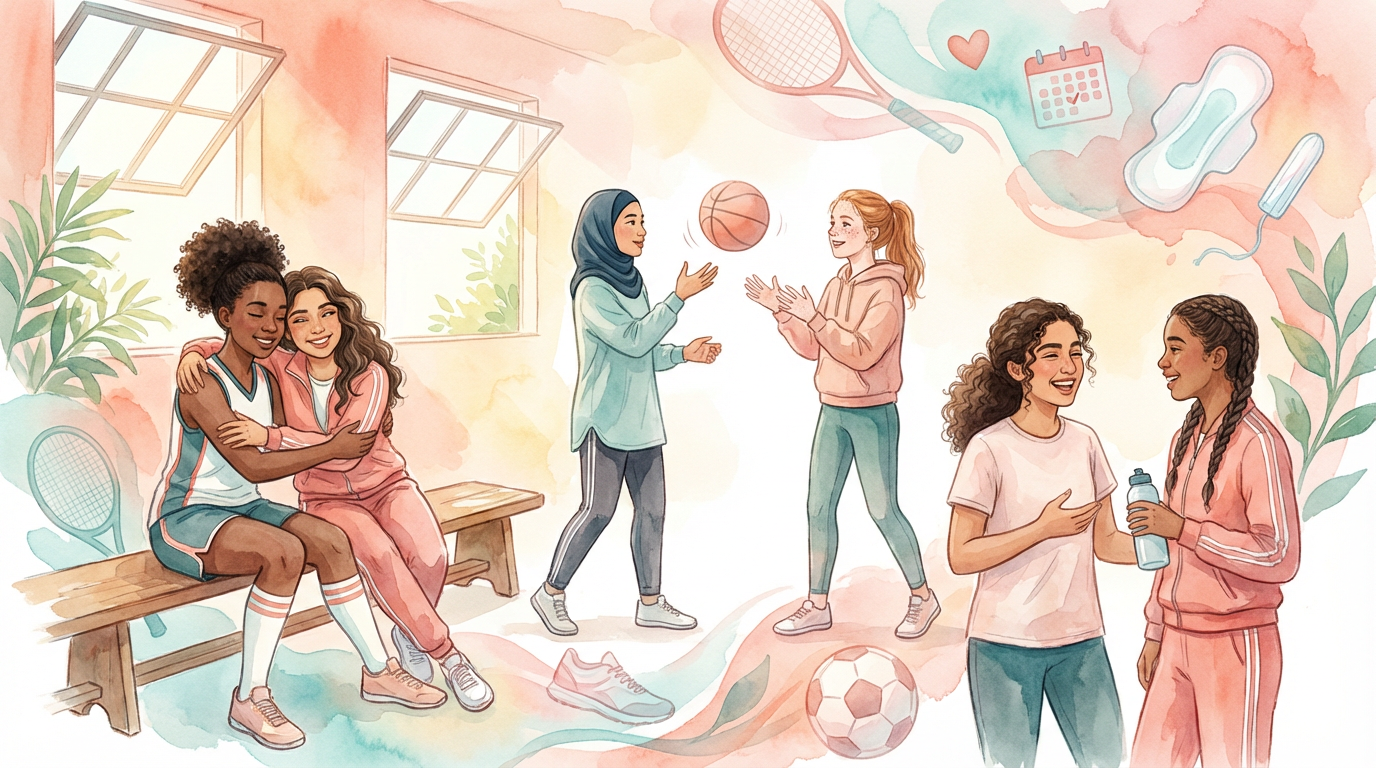
Managing your period while playing sports is totally normal and manageable for teen athletes. This guide covers how to prepare, handle symptoms, and keep performing your best during your cycle, offering practical tips for game day and everyday training.
Listen to this article
~13 min listen
Click play to generate audio narration with a calming voice
TL;DR Summary
- •Having your period during sports is common, and with the right prep, it won't stop you from performing your best. 🤸♀️
- •Managing symptoms like cramps and fatigue with hydration, nutrition, and pain relief is key for teen athletes.
- •Choosing the right period products and open communication with coaches/parents can make a huge difference in your athletic period tips.
Can You Still Play Sports When You Have Your Period? Absolutely! 💪
Yes, absolutely! Having your period doesn't mean you have to sit on the sidelines. In fact, many teen athletes continue to train and compete at their best during their menstrual cycle. While some days might feel a little tougher than others, understanding your body, planning ahead, and using the right strategies can help you manage your periods and sports seamlessly. Think of it as just another part of being an amazing athlete – your body is doing incredible things, and you're learning to work with it, not against it. This guide is packed with athletic period tips to help you stay in the game, whether it's practice or game day.
Why Do Periods Sometimes Feel Tricky During Sports? 🤔
Your menstrual cycle is controlled by hormones, and these hormones (estrogen and progesterone) fluctuate throughout the month. These changes can affect your energy levels, mood, and even how your muscles feel. For example, during the first few days of your period, when hormone levels are lower, some teens might experience:
- •Cramps: That familiar, sometimes intense, ache in your lower belly.
- •Bloating: Feeling a bit puffy or heavier than usual.
- •Fatigue: Feeling more tired or having less energy.
- •Mood changes: Feeling a bit more irritable or emotional.
- •Headaches: Sometimes a dull ache, sometimes more intense.
It's important to remember that everyone's experience is different. Some athletes barely notice their period, while others might find certain days more challenging. The good news is there's a lot you can do to feel comfortable and confident.
How Can Teen Athletes Prepare for Their Period on Game Day? 🗓️
Preparation is your secret weapon! Knowing when your period is likely to arrive, especially around important games or events, can help you feel in control. This is where tracking your cycle comes in super handy.
Tracking Your Cycle: Your Period Power-Up! 📱
Keeping tabs on your cycle isn't just for predicting when your period will start; it helps you understand how your body feels at different times of the month. You can use a simple calendar, a journal, or even better, a period tracking app like PERIODiQ.
What to track:
- •Start and end dates of your period: This helps you see patterns.
- •Flow intensity: Light, medium, heavy.
- •Symptoms: Note down cramps, bloating, mood, energy levels, headaches, breast tenderness, etc.
- •How you felt during practice/games: Did you feel more tired? Stronger? This can reveal connections between your cycle and performance.
By tracking, you might notice that you feel super energetic during one phase of your cycle and a bit more tired during another. This knowledge empowers you to adjust your training, nutrition, and self-care on those specific days. For example, if you know you tend to get cramps on day 1, you can have your pain relief ready.
Choosing the Right Period Products for Sports 🩸
This is a big one! Comfort and leak protection are key when you're moving, jumping, and sweating. There are several great options, and what works best for you might take a little trial and error.
- •Pads: While convenient, pads can sometimes feel bulky or shift during intense movement. If you use them, opt for athletic pads specifically designed for movement or thinner, winged pads for extra security. Change them frequently.
- •Tampons: Many athletes prefer tampons because they offer discreet internal protection and allow for full freedom of movement. Make sure to use the lowest absorbency necessary for your flow and change them every 4-8 hours. If you're new to tampons, start with the smallest size and practice inserting them.
- •Menstrual Cups: These are becoming super popular among athletes! A menstrual cup is a flexible cup inserted into the vagina to collect menstrual fluid. They can be worn for up to 12 hours, meaning you can often wear one for an entire game or practice without needing to change it. They're reusable, eco-friendly, and once you get the hang of insertion, many find them incredibly comfortable and leak-proof. They're a fantastic option for athletic period tips because they require less fuss during long events.
- •Period Underwear: This specialized underwear has absorbent layers built-in to catch leaks. They can be worn alone on lighter flow days or as a backup with tampons or cups on heavier days. They're comfortable, discreet, and a great option for peace of mind.
Pro Tip: Always have extra products in your sports bag – even if you don't think you'll need them. You never know when a teammate might need one too!
How Can Teen Athletes Manage Period Symptoms During Training and Games? 🩹
Dealing with symptoms like cramps, bloating, and fatigue while trying to perform can be tough, but there are many strategies to help you feel better and stay focused.
Staying Hydrated: Your Body's Best Friend 💧
This is crucial for every athlete, but especially during your period. Dehydration can make cramps worse and contribute to fatigue. Aim to drink plenty of water throughout the day, not just during practice.
- •Before practice/game: Start hydrating hours in advance.
- •During: Sip water regularly, even if you don't feel thirsty.
- •After: Replenish fluids lost through sweat.
Consider electrolyte drinks if you're sweating a lot, but check the sugar content. Water is usually your best bet.
Fueling Your Body Right: Nutrition Power! 🍎
What you eat plays a huge role in how you feel. During your period, focusing on nutrient-dense foods can help manage symptoms.
- •Complex Carbohydrates: Foods like whole grains, fruits, and vegetables provide sustained energy. They're your body's preferred fuel source.
- •Lean Proteins: Chicken, fish, beans, lentils, and tofu help with muscle repair and recovery.
- •Healthy Fats: Avocados, nuts, seeds, and olive oil can help reduce inflammation.
- •Iron-Rich Foods: Your period means you lose a small amount of iron. Replenish it with foods like lean meat, spinach, beans, and fortified cereals. Iron is essential for energy. Eating vitamin C (like oranges or bell peppers) with iron-rich foods helps your body absorb the iron better.
- •Magnesium-Rich Foods: Dark chocolate, leafy greens, nuts, and seeds can help relax muscles and may ease cramps.
- •Limit: Sugary snacks, excessive caffeine, and salty foods can sometimes worsen bloating and mood swings for some people. Listen to your body!
Pain Relief and Comfort Measures 💊🔥
Don't be a hero and suffer through severe cramps! There are safe and effective ways to manage pain.
- •Over-the-counter pain relievers: Ibuprofen (Advil, Motrin) or naproxen (Aleve) can be very effective for period pain. Take them as directed on the package or as advised by a trusted adult or doctor. It can sometimes be helpful to take them before your cramps get really bad.
- •Heat therapy: A heating pad or hot water bottle placed on your lower abdomen can work wonders to relax muscles and ease cramps. You can use these before or after practice/games, or even during downtime.
- •Gentle Movement: While intense exercise might be tough, light stretching, walking, or yoga can sometimes help alleviate cramps by increasing blood flow.
Prioritizing Rest and Sleep 😴
Your body is working hard during your period, and even harder when you're an athlete. Getting enough sleep (aim for 8-10 hours for teens!) is crucial for recovery, energy levels, and mood regulation. If you're feeling extra tired, allow yourself to rest when you can.
What About Hormonal Birth Control for Period Management in Sports? 💊
Some teen athletes, especially those with very heavy periods, severe cramps, or irregular cycles, might talk to their doctor about hormonal birth control. This can be a really effective way to manage period symptoms, lighten flow, or even skip periods altogether (under medical guidance) which can be helpful for competition schedules.
It's super important to discuss this with a trusted adult (like a parent or guardian) and a doctor. They can help you understand the options, potential benefits, and any side effects to see if it's the right choice for you.
Communication is Key: Talking to Your Coach and Parents 🗣️
It might feel a little awkward at first, but having open conversations with trusted adults can make a huge difference in your teen athlete menstruation journey.
Talking to Your Coach:
- •You don't have to share every detail, but letting your coach know if you're not feeling 100% can be helpful. You could say something like, "Coach, I'm not feeling my best today due to my period, but I'm ready to push through." This helps them understand if your performance is a little off or if you need a moment.
- •Discuss any concerns: If you're worried about managing your period during a specific game or event, talk to them beforehand. They might have strategies or be able to offer a little extra support.
Talking to Your Parents/Guardians:
- •They are your biggest advocates! Share how you're feeling, what symptoms you're experiencing, and any concerns you have. They can help you get pain relief, ensure you have the right products, and support you in talking to a doctor if needed.
- •Medical support: If your periods are consistently debilitating or affecting your ability to participate in sports, your parents can help you schedule an appointment with a doctor. This is especially important for very heavy bleeding, severe pain, or irregular cycles.
Common Concerns for Teen Athletes and Periods 😟
Let's tackle some common worries head-on!
What if I Leak During a Game? 😱
This is a common fear, but try not to stress too much! It happens. Here's how to minimize the chances and handle it if it does:
- •Choose the right product: As discussed, tampons, cups, and period underwear offer great protection.
- •Change regularly: Don't wait until you're completely full. Change your tampon or pad before practice/game and again if there's a break.
- •Wear darker colors: If you're worried, wear darker shorts or leggings. Black is usually a safe bet!
- •Have a backup plan: Keep extra period products, a spare pair of underwear, and a small dark towel or jacket in your bag. If a leak happens, calmly excuse yourself, change, and get back in the game. Most people won't even notice, and your teammates will totally understand.
Can Exercise Make My Period Irregular or Stop It? 🏃♀️
Yes, sometimes intense exercise, especially combined with low body fat, can affect your period. This is called exercise-induced amenorrhea (when your period stops) or oligomenorrhea (irregular periods). While it might seem convenient to not have a period, it's actually a sign that your body isn't getting enough energy or is under too much stress.
- •Why it's a concern: A regular period is a sign of good overall health, especially bone health. Not having periods for a long time can increase your risk of stress fractures and other health issues in the long run.
- •What to do: If your period becomes consistently irregular or stops for more than 3 months, it's really important to talk to a doctor. They can help figure out the cause and make sure you're getting enough fuel and nutrients for your activity level.
Does My Performance Change During My Cycle? 📈
Some athletes report feeling stronger or having more endurance during certain phases of their cycle, while others might feel a dip in energy or strength during their period. Research on this is ongoing and varies for individuals.
- •Follicular Phase (after period, before ovulation): Some studies suggest increased strength and endurance during this phase due to rising estrogen.
- •Luteal Phase (after ovulation, before period): Some might experience slightly reduced endurance due to higher progesterone and body temperature.
- •Menstrual Phase (during period): Energy levels can vary. Some feel fine, others experience fatigue.
The most important thing is to listen to your own body. If you feel great, go for it! If you're feeling a bit low on energy, be kind to yourself, focus on recovery, and adjust your intensity if needed. Your tracking app can help you notice your own patterns.
Key Takeaways for Teen Athletes and Their Periods 🌟
- •Your period is normal: It's a natural part of being a teen and doesn't have to stop you from excelling in sports.
- •Track your cycle: Use an app or calendar to understand your body's patterns and predict your period.
- •Choose wisely: Find the period products (tampons, cups, period underwear) that offer you the most comfort and protection during activity.
- •Hydrate and fuel: Drink plenty of water and eat nutrient-rich foods to manage symptoms and maintain energy.
- •Pain management: Don't hesitate to use OTC pain relievers or heat therapy for cramps.
- •Communicate: Talk to your parents, coaches, or a doctor if you have concerns, severe symptoms, or if your period becomes irregular.
- •Be prepared: Always have extra supplies in your sports bag for peace of mind.
Remember, you're strong, capable, and amazing! With a little planning and self-care, your period won't stand in the way of your athletic goals. Go get 'em! 🚀
Frequently Asked Questions About Periods and Sports
Q1: Is it safe to exercise heavily during my period?
A1: Yes, for most individuals, it is perfectly safe to exercise heavily during your period. In fact, for some, light to moderate exercise can even help alleviate period cramps. Listen to your body and adjust intensity if needed, but there's no medical reason to stop exercising just because you have your period.
Q2: What should I eat before a game if I have my period?
A2: Focus on complex carbohydrates for sustained energy (like whole-wheat pasta, brown rice, fruits, or oatmeal), lean protein for muscle support (chicken, fish, tofu, eggs), and healthy fats. Stay well-hydrated with water. Avoid overly sugary or fatty foods right before a game as they can cause digestive upset.
Q3: How can I stop period leaks during sports?
A3: To prevent leaks, choose period products designed for active lifestyles, such as tampons, menstrual cups, or period underwear. Change products frequently, especially on heavy flow days. Wearing darker shorts or leggings can also provide an extra layer of confidence. Always have backup products and a spare change of clothes in your bag.
Q4: My period makes me feel really tired during sports. What can I do?
A4: Fatigue during your period is common. Ensure you're getting enough sleep (8-10 hours), staying well-hydrated, and eating iron-rich foods (like lean meats, spinach, beans) to combat potential iron loss. If fatigue is severe or persistent, talk to a doctor, as it could indicate an iron deficiency or another issue.
Q5: Can my coach tell if I'm on my period?
A5: No, your coach cannot tell if you are on your period just by looking at you. While you might feel a bit more self-conscious, your period is an internal process. You are in control of what you choose to share with your coach. You can simply say you're not feeling 100% if you need to, without going into specific details.
Q6: Should I take painkillers for cramps before a game?
A6: If you typically experience painful cramps, taking an over-the-counter pain reliever like ibuprofen (Advil, Motrin) or naproxen (Aleve) before your cramps get severe can be very effective. Always follow the dosage instructions on the package or consult with a trusted adult or doctor. It can help you feel more comfortable and focused during your game.
Q7: My period stopped because of sports. Is that bad?
A7: Yes, if your period stops for more than three months (a condition called amenorrhea) or becomes very irregular due to sports, it's important to talk to a doctor. While it might seem convenient, it can be a sign that your body isn't getting enough energy or is under too much stress, which can impact bone health and long-term well-being. A doctor can help you address this safely.
Start Your Wellness Journey Today
Ready to track your cycle, fertility, pregnancy, or menopause journey? Download PERIODiQ - your iQ-powered wellness companion designed for every stage of your health journey.
Get PERIODiQ Free: https://periodiq.app
Your Wellness Journey Starts Here
Download PERIODiQ
Scan the QR code or tap the link to get started with your personalized health tracking.
periodiq.app • iOS & Android
Cite this article
PERIODiQ Editorial Team (2026). "Sports & Periods: Teen Athletes & Game Day Strategies." PERIODiQ. https://periodiq.app/library/sports-periods-teen-athletes-game-day-strategies
"Sports & Periods: Teen Athletes & Game Day Strategies." PERIODiQ, 2026, https://periodiq.app/library/sports-periods-teen-athletes-game-day-strategies.
Send this to a friend — PERIODiQ is free for them too. No card. No paywall.
Loved this? Save articles, track your cycle, and unlock meditations — free forever.
Disclaimer: PERIODiQ™ offers general wellness information only. It does not provide medical advice, diagnosis, or treatment. Always speak with a licensed health professional about your health.