Sports and Periods: How Teen Athletes Handle Game Day
Article about Sports and Periods: How Teen Athletes Handle Game Day
Listen to this article
~13 min listen
Click play to generate audio narration with a calming voice
TL;DR Summary
- •Proactive Management is Key: Teen athletes often plan around their menstrual cycle to minimize period-related disruptions during training and competition.
- •Communication & Support: Openly discussing periods with coaches, parents, and teammates creates a supportive environment for managing symptoms.
- •Holistic Approach: Combining smart product choices, pain relief, nutrition, and mental strategies helps teen athletes perform their best, regardless of their cycle phase.
How Do Teen Athletes Handle Their Periods on Game Day?
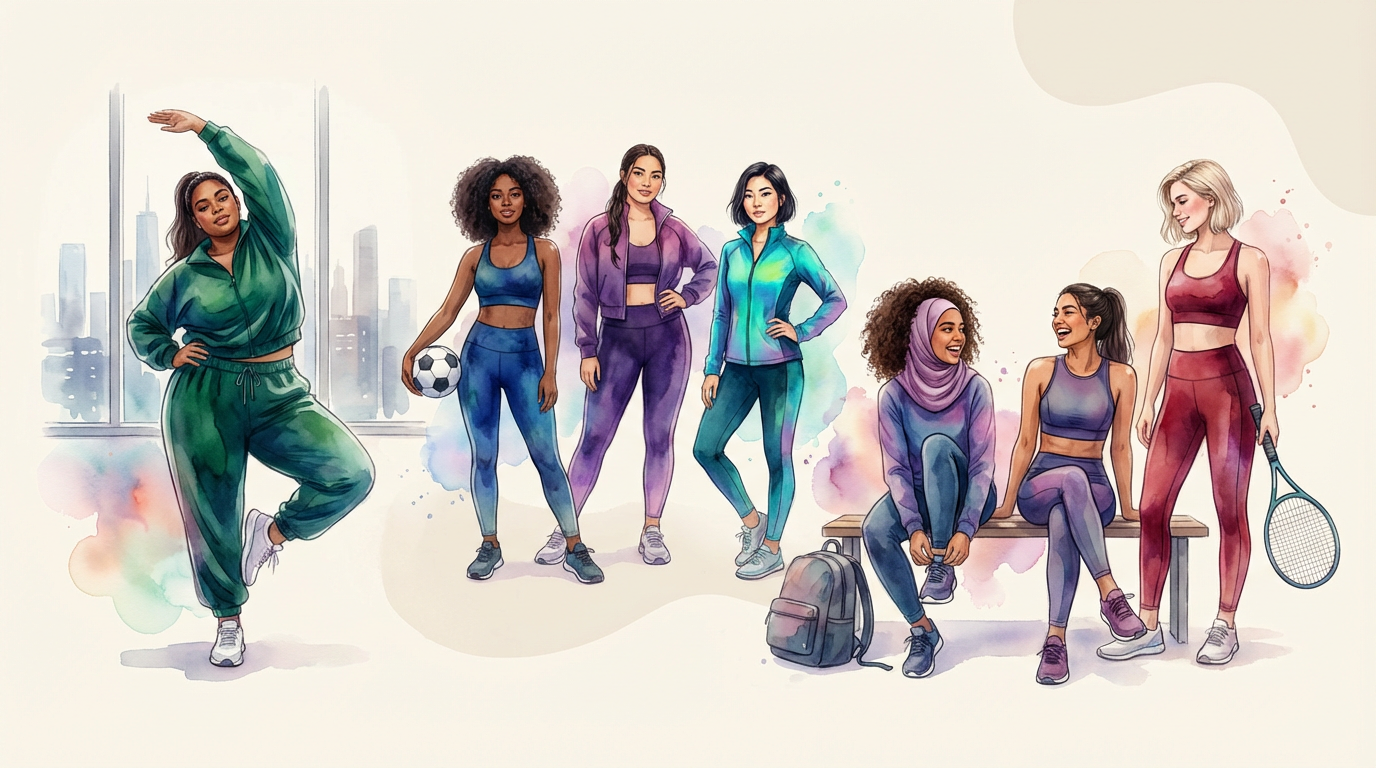
Teen athletes handle their periods on game day by employing a combination of proactive planning, effective symptom management, strategic period product choices, and open communication with their support system. Far from being a debilitating obstacle, many young sportswomen learn to integrate their menstrual cycle into their athletic routine, leveraging an understanding of their body to maintain peak performance even when Aunt Flo makes an unwelcome appearance. This involves everything from timing medication to nutritional adjustments and mental preparedness, ensuring that a period doesn't sideline their competitive spirit or physical capabilities.
Why is a Teen Athlete's Period Different During Sports?
For a teen athlete, a period isn't just a monthly inconvenience; it's a physiological event that can directly impact performance, energy levels, and even injury risk. The rigorous demands of training and competition can sometimes intensify menstrual symptoms or, conversely, suppress them in some cases due to high energy expenditure. Hormonal fluctuations throughout the cycle (estrogen and progesterone) influence everything from energy metabolism and fluid retention to pain perception and mood. For instance, some athletes might experience increased fatigue or muscle soreness during their luteal phase (the week before their period) when progesterone levels are high, while others might feel a surge of energy during their follicular phase (the week after their period) due to rising estrogen. Understanding these individual variations is crucial. Moreover, the stress of competition can sometimes exacerbate symptoms like cramps or bloating, making effective management even more critical for a teen athlete period.
What are the Common Period Challenges for Young Athletes?
Young athletes face a unique set of challenges when their period coincides with a game or intense training. These aren't just about discomfort; they can directly affect performance. Here are some of the most common hurdles:
- •Pain and Discomfort: Dysmenorrhea (cramps) can range from mild aches to severe, debilitating pain, making it difficult to run, jump, or focus. Lower back pain, headaches, and breast tenderness are also common.
- •Bloating and Fluid Retention: This can lead to a feeling of heaviness, discomfort, and even affect agility or balance, especially in sports requiring precise movements.
- •Fatigue and Low Energy: Hormonal shifts, particularly the drop in estrogen and rise in progesterone before and during a period, can cause significant fatigue, impacting endurance and reaction time. Blood loss itself can contribute to iron deficiency and further fatigue if not managed.
- •Mood Swings and Irritability: Premenstrual Syndrome (PMS) symptoms like irritability, anxiety, and mood swings can affect concentration, team dynamics, and mental resilience, which are vital in competitive sports.
- •Logistical Concerns: Managing period products (pads, tampons, cups) discreetly and effectively during intense physical activity, especially in team sports with limited bathroom breaks or specific uniforms, can be a major source of stress. The fear of leaks is a real and valid concern for many young women.
- •Gastrointestinal Issues: Diarrhea, constipation, and nausea are not uncommon during menstruation, further adding to discomfort and potentially impacting hydration and nutrition strategies.
- •Anemia Risk: Heavy menstrual bleeding (menorrhagia) can put young female athletes at a higher risk for iron-deficiency anemia, which severely impacts oxygen transport to muscles, leading to extreme fatigue and reduced performance. This is a critical concern for any teen athlete period.
How Do Teen Athletes Strategize for Game Day Periods?
Strategic planning is paramount for a teen athlete facing a game day period. It's not about ignoring the period but integrating it into their preparation. Here's how many approach it:
- •Cycle Tracking: The first step is knowing when your period is expected. Using an app (like PERIODiQ, hint hint!), a calendar, or a journal to track cycle start and end dates, flow intensity, and symptoms allows athletes to predict their period's arrival and plan accordingly. This foresight is invaluable.
- •Proactive Pain Management: If cramps are a known issue, many athletes will start taking over-the-counter pain relievers (like ibuprofen or naproxen, which are NSAIDs) a day or two before their period is expected to begin, or at the very first sign of discomfort. This can help prevent severe pain from setting in. They might also use heat patches or warm baths for muscle relaxation.
- •Nutrition Adjustments: Leading up to and during their period, athletes might focus on iron-rich foods (lean meats, spinach, lentils) to combat potential blood loss and fatigue, and magnesium-rich foods (nuts, seeds, dark chocolate) to help with cramps. Staying well-hydrated is always crucial but becomes even more so to combat bloating and maintain energy levels.
- •Hydration Focus: Drinking plenty of water can help reduce bloating and improve overall energy. Avoiding excessive sodium can also mitigate fluid retention.
- •Sleep Prioritization: Adequate sleep is essential for recovery and energy. During their period, when fatigue might be higher, athletes often prioritize extra rest to help their bodies cope.
- •Mental Preparation: Acknowledging that symptoms might be present and developing coping mechanisms, such as mindfulness or visualization, can help maintain focus and reduce anxiety. Understanding that it's okay to not feel 100% and being kind to oneself is part of this mental strategy.
- •Communication with Coaches: Openly discussing their cycle with a trusted coach can lead to understanding and accommodations, such as adjusting training intensity, allowing for more frequent breaks, or having period products readily available. This destigmatizes the teen athlete period experience.
What Period Products are Best for Active Teenagers?
Choosing the right period product is a personal decision, but for active teenagers, functionality, comfort, and leak protection are top priorities. Here's a breakdown of common options:
- •Tampons: Widely popular for athletes due to their internal placement, which allows for unrestricted movement. They come in various absorbencies. It's crucial to change them regularly (every 4-8 hours) to prevent TSS (Toxic Shock Syndrome), though it's rare. Many find them ideal for swimming and high-impact sports.
- •Menstrual Cups: A reusable, bell-shaped device inserted into the vagina to collect menstrual fluid. Cups offer longer wear time (up to 12 hours), are environmentally friendly, and provide excellent leak protection, making them a favorite for many athletes. They require a bit of practice to insert and remove, but once mastered, they can be highly convenient. They are also suitable for swimming.
- •Period Underwear: These specialized absorbent underwear are designed to hold menstrual fluid, often used as a backup to tampons/cups or on lighter flow days. They offer comfort and discretion, feeling like regular underwear while providing protection. Brands have improved designs significantly, offering different absorbencies and styles for various activities.
- •Pads: While less popular for intense sports due to potential bulkiness and chafing, thin, athletic-specific pads can be an option for lighter days or as a backup. They are external and might not be ideal for all movements or uniforms. However, for some, they offer comfort and ease of use.
- •Discreet Carry Options: Regardless of the product, having a small, discreet pouch or bag to carry extra products, wipes, and pain relievers is a common strategy for quick changes and peace of mind on game day.
How Do Coaches and Parents Support Teen Athletes During Their Periods?
Support from coaches and parents is foundational for a teen athlete period to be managed effectively and without undue stress. A supportive environment fosters open communication and reduces stigma.
For Coaches:
- •Educate Themselves: Coaches should understand the basic physiology of the menstrual cycle and its potential impact on athletic performance. This knowledge helps them empathize and make informed decisions.
- •Foster Open Communication: Create a culture where athletes feel comfortable discussing their periods without embarrassment. A simple, "If you're feeling off today, let me know, and we can adjust things," can go a long way.
- •Flexibility and Understanding: Be willing to make minor adjustments to training or drills if an athlete is experiencing severe symptoms. This doesn't mean excusing them from effort but acknowledging physical limitations. For example, allowing a slightly modified warm-up or a brief break.
- •Provide Resources: Have a supply of basic period products (tampons, pads) in the team first-aid kit or locker room. This simple gesture can alleviate significant stress.
- •Focus on Holistic Well-being: Emphasize nutrition, hydration, and sleep, which are critical for managing period symptoms.
For Parents:
- •Encourage Open Dialogue: Talk to your teen about their period openly and honestly. Normalize it as a natural part of life, not something to be ashamed of.
- •Help with Cycle Tracking: Assist your teen in tracking their cycle and symptoms, which empowers them to predict and prepare.
- •Ensure Access to Products and Relief: Make sure your teen has their preferred period products readily available, as well as over-the-counter pain relievers if needed. Discuss optimal pain management strategies with them.
- •Nutritional Support: Provide iron-rich foods, magnesium, and ensure they are well-hydrated, especially around their period.
- •Listen and Validate: Acknowledge their discomfort or frustration. Sometimes, just being heard can make a big difference. Avoid dismissive language like "it's just cramps."
- •Communicate with Coaches (with athlete's consent): If necessary and with your teen's permission, communicate relevant information to coaches to ensure they are aware and can provide appropriate support.
Can Exercise Help or Hurt Period Symptoms?
This is a nuanced question, as exercise can both alleviate and, in some cases, exacerbate period symptoms, depending on the individual and the intensity. For many, regular physical activity is a natural remedy for menstrual discomfort.
- •
How Exercise Helps:
- •Reduces Cramps: Light to moderate exercise releases endorphins, which are natural painkillers and mood elevators. It can also improve blood flow, which may help reduce uterine contractions and muscle tension that cause cramps.
- •Boosts Mood: Endorphins also combat mood swings, irritability, and anxiety associated with PMS.
- •Alleviates Bloating: Movement can aid digestion and reduce fluid retention, making bloating less severe.
- •Improves Sleep: Regular exercise generally leads to better sleep quality, which is crucial when fatigue is a symptom.
- •
When Exercise Might Hurt (or needs adjustment):
- •Intense Training During Severe Symptoms: Pushing through severe cramps, heavy bleeding, or extreme fatigue can be counterproductive, potentially leading to exhaustion or increased pain. It's important to listen to your body.
- •High-Impact Activities: For some, high-impact sports during heavy flow days can worsen discomfort or the feeling of leaks.
- •Risk of Relative Energy Deficiency in Sport (RED-S): Very intense training combined with insufficient caloric intake can lead to menstrual dysfunction (e.g., amenorrhea – loss of period). While this isn't directly hurting period symptoms, it's a significant health concern for female athletes where the body essentially shuts down non-essential functions like menstruation due to energy deficit. This requires medical attention.
The key is moderation and listening to one's body. On game day, if a teen athlete period is causing significant distress, modifying intensity or focusing on supportive movements might be more beneficial than pushing through.
What About Hormonal Birth Control for Period Management in Sports?
Hormonal birth control, such as the pill, patch, ring, or hormonal IUD, is a common and effective strategy many teen athletes use to manage their periods, especially to mitigate severe symptoms or to time their cycle. It's a medical decision that should always be made in consultation with a doctor.
- •
Benefits for Athletes:
- •Symptom Reduction: Hormonal birth control can significantly reduce menstrual cramps, heavy bleeding, and PMS symptoms.
- •Cycle Regulation: It provides predictable periods, which can be invaluable for planning around competitions. Some methods even allow for periods to be skipped entirely for several months, offering extended periods of symptom-free activity.
- •Anemia Prevention: By reducing heavy bleeding, hormonal birth control can help prevent iron-deficiency anemia, a common concern for athletes with heavy periods.
- •
Considerations:
- •Individual Response: Not everyone reacts the same way to hormonal birth control. Some may experience side effects like mood changes, weight fluctuations, or breakthrough bleeding, especially in the initial months.
- •Timing: It takes time for the body to adjust to hormonal birth control, so it's not a quick fix. Planning is necessary.
- •Medical Consultation: It's crucial to discuss all options, potential benefits, and risks with a healthcare provider to find the most suitable method for the individual athlete's health profile and athletic goals. They can assess factors like blood clotting risks, bone density, and overall health.
Key Takeaways
- •Proactive Planning: Cycle tracking is essential for anticipating periods and preparing for game day. Knowledge is power!
- •Personalized Management: What works for one athlete might not work for another. Experiment with pain relief, nutrition, and period products to find your optimal strategy.
- •Open Communication: Don't suffer in silence. Talk to coaches, parents, and trusted teammates about your needs and concerns.
- •Holistic Health: Prioritize sleep, nutrition, and hydration to support your body through your cycle and maximize performance.
- •Listen to Your Body: It's okay to adjust intensity or take breaks when needed. Pushing too hard through severe symptoms can be detrimental.
Frequently Asked Questions
Q1: Can my period affect my athletic performance?
A1: Yes, absolutely. Hormonal fluctuations can impact energy levels, strength, endurance, pain perception, and mood, all of which can affect athletic performance. Common symptoms like cramps, fatigue, and bloating can also directly hinder physical capabilities and focus.
Q2: Is it safe to skip my period using birth control for sports?
A2: For most healthy individuals, skipping periods using hormonal birth control under medical supervision is considered safe and can be beneficial for athletes. It helps manage symptoms and provides predictability. Always discuss this option with a healthcare professional to ensure it's appropriate for your individual health needs.
Q3: What should I eat before and during my period for game day?
A3: Focus on iron-rich foods (lean meats, leafy greens, fortified cereals) to combat potential blood loss and fatigue. Hydrate well, and consider magnesium-rich foods (nuts, seeds, dark chocolate) for cramps. Avoid excessive salt and highly processed foods that can worsen bloating.
Q4: How do I talk to my male coach about my period?
A4: Keep it direct and professional. You can say something like, "Coach, I'm experiencing some menstrual discomfort today that might affect my performance. I'm managing it, but I might need a quick break if possible." Focus on the impact on your physical state rather than detailed explanations. A good coach will understand and be supportive.
Q5: Can I swim with a period on game day?
A5: Yes! Tampons and menstrual cups are excellent options for swimming as they collect blood internally, preventing leaks in the water. Period swimwear also exists, offering an additional layer of confidence and protection.
Q6: What if my period is irregular as a teen athlete?
A6: Irregular periods in teen athletes can sometimes be a sign of Relative Energy Deficiency in Sport (RED-S), where the body isn't getting enough energy to support both athletic demands and normal bodily functions. It's crucial to consult a doctor or a sports medicine specialist to investigate the cause and ensure your overall health isn't compromised.
Q7: Are there specific stretches or exercises that help with period cramps?
A7: Gentle, low-impact exercises like walking, light jogging, yoga, or stretching can often help alleviate cramps by promoting blood flow and releasing endorphins. Specific yoga poses like child's pose, cat-cow, or gentle twists can be particularly soothing for abdominal and back pain.
Start Your Wellness Journey Today
Ready to track your cycle, fertility, pregnancy, or menopause journey? Download PERIODiQ - your iQ-powered wellness companion designed for every stage of your health journey.
Get PERIODiQ Free: https://periodiq.app
Your Wellness Journey Starts Here
Download PERIODiQ
Scan the QR code or tap the link to get started with your personalized health tracking.
periodiq.app • iOS & Android
Cite this article
PERIODiQ Editorial Team (2026). "Sports and Periods: How Teen Athletes Handle Game Day." PERIODiQ. https://periodiq.app/library/sports-and-periods-how-teen-athletes-handle-game-day-1774201995157
"Sports and Periods: How Teen Athletes Handle Game Day." PERIODiQ, 2026, https://periodiq.app/library/sports-and-periods-how-teen-athletes-handle-game-day-1774201995157.
Send this to a friend — PERIODiQ is free for them too. No card. No paywall.
Loved this? Save articles, track your cycle, and unlock meditations — free forever.
Disclaimer: PERIODiQ™ offers general wellness information only. It does not provide medical advice, diagnosis, or treatment. Always speak with a licensed health professional about your health.