South Asian Postpartum Traditions: The 40-Day Rest Period
Discover the profound wisdom behind South Asian postpartum traditions, particularly the 40-day 'lying-in' period. This ancient practice prioritizes rest, nourishment, and community support for new mothers, fostering physical recovery and emotional well-being after childbirth. Learn how these time-honored rituals can be adapted for modern life.
Listen to this article
~17 min listen
Click play to generate audio narration with a calming voice
TL;DR Summary
- •The 40-Day Sacred Rest: South Asian postpartum traditions emphasize a crucial 40-day (or sometimes longer) period of dedicated rest and recovery for new mothers, known as the 'lying-in' period, to heal from childbirth and bond with their baby.
- •Holistic Nurturing: This tradition encompasses specific dietary practices, gentle bodywork, emotional support from family, and protection from external stressors, all designed to replenish the mother's energy and prevent long-term health issues.
- •Modern Relevance: While rooted in ancient wisdom, the core principles of focused rest, tailored nutrition, and strong community support are incredibly relevant today for improving maternal health outcomes and reducing postpartum challenges.
Introduction: What is the South Asian 40-Day Postpartum Rest Period?
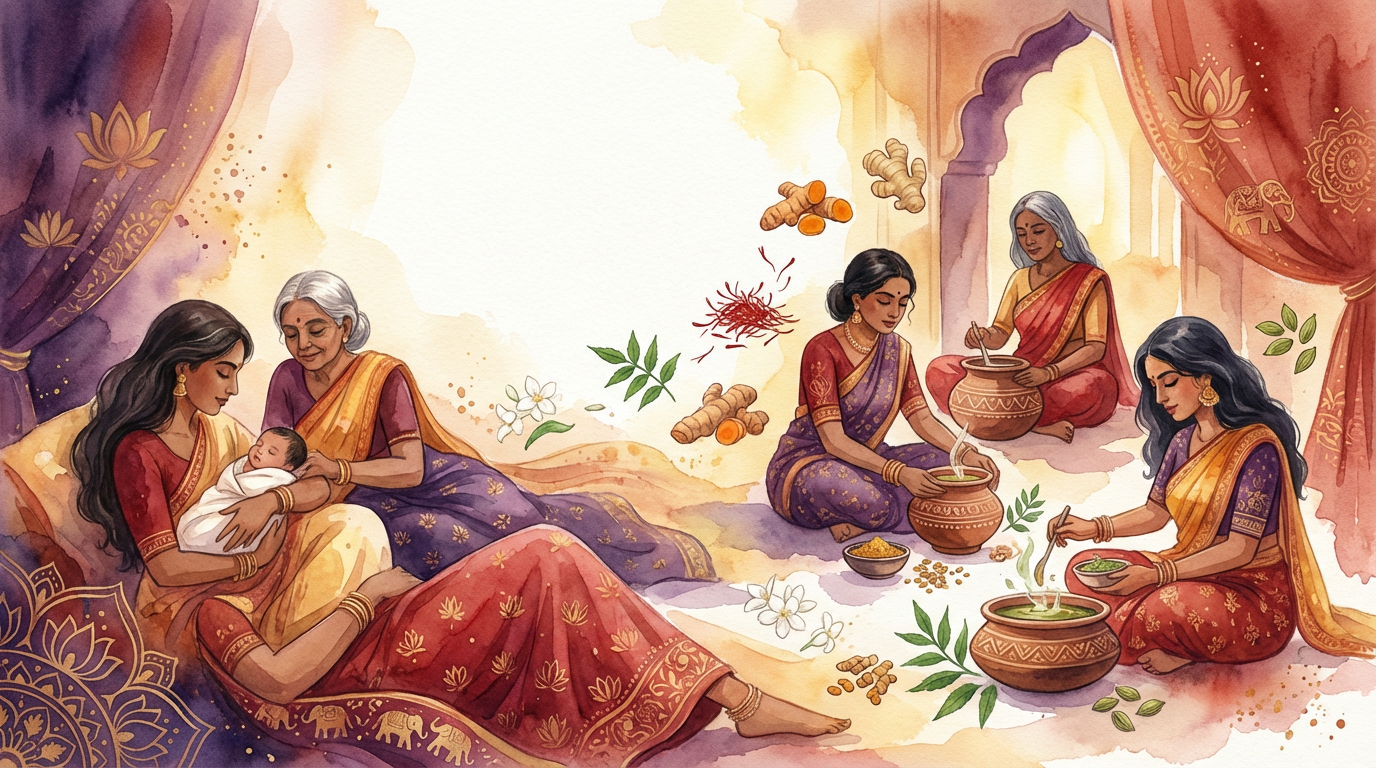
Bringing a new life into the world is an extraordinary, transformative, and profoundly demanding experience. While Western societies often emphasize getting 'back to normal' quickly after childbirth, many traditional cultures around the globe recognize and honor a sacred, extended period of rest and recovery for new mothers. Among the most well-known and comprehensive of these is the South Asian postpartum tradition, often referred to as the '40-day rest period,' or sometimes 'lying-in' (known by various regional names like sutika in Ayurveda, chilla in Urdu/Hindi, or jalma in Bengali). This isn't merely a suggestion; it's a deeply ingrained cultural practice that prioritizes the mother's complete physical, emotional, and spiritual recuperation after the monumental effort of pregnancy and childbirth.
At its core, the 40-day rest period is a deliberate and structured approach to postpartum care designed to rebuild the mother's strength, restore her vitality, and ensure a healthy start for both mother and baby. It acknowledges that childbirth is not just a medical event but a profound life transition that requires immense healing and adjustment. This period is a protective cocoon, shielding the new mother from external demands and allowing her to focus solely on her recovery and bonding with her newborn. It's a testament to ancient wisdom that understood the long-term implications of inadequate postpartum care, aiming to prevent chronic health issues, support lactation, and foster emotional well-being. Far from being a rigid set of rules, these traditions are imbued with empathy, community support, and a deep understanding of the female body's needs during this crucial window.
Why is a 40-Day Rest Period So Important for New Mothers?
The rationale behind the 40-day rest period is multifaceted, rooted in both physiological understanding and cultural recognition of the mother's pivotal role. Childbirth, whether vaginal or C-section, is akin to running a marathon and undergoing major surgery simultaneously. The body undergoes immense physical trauma, significant blood loss, hormonal upheaval, and extreme fatigue. The uterus, which stretched to accommodate a baby, needs to contract back to its original size, a process called involution. Tissues need to heal, muscles need to regain strength, and energy reserves need to be replenished.
Physical Recuperation and Healing
- •Uterine Involution: The uterus needs time to shrink back to its pre-pregnancy size. Rest and avoiding strenuous activity aid this process and reduce the risk of complications like postpartum hemorrhage.
- •Tissue Repair: Whether it's a perineal tear, an episiotomy, or a C-section incision, significant tissue damage occurs during birth. Adequate rest is crucial for optimal healing, preventing infection, and minimizing long-term discomfort.
- •Blood Replenishment: Childbirth involves blood loss, and many new mothers experience some degree of anemia. Nutrient-dense foods and rest help the body rebuild blood stores.
- •Hormonal Rebalancing: Pregnancy hormones plummet after birth, leading to a complex hormonal shift. Rest helps the body navigate this transition more smoothly, potentially reducing the intensity of 'baby blues' and postpartum depression.
- •Pelvic Floor Recovery: The pelvic floor muscles undergo tremendous strain during labor and delivery. Rest and gentle movement (later on) are essential for their recovery and preventing issues like incontinence or prolapse.
Emotional and Mental Well-being
Beyond the physical, the 40-day period is vital for the new mother's emotional and mental health. The transition to motherhood is a profound identity shift, often accompanied by sleep deprivation, anxiety, and overwhelming emotions. This protected time allows her to:
- •Bond with the Baby: Uninterrupted time with the newborn fosters attachment and strengthens the mother-baby bond, which is crucial for both their development.
- •Process the Birth Experience: Childbirth can be intense, and mothers need time and space to process their experience, whether it was positive, challenging, or traumatic.
- •Adjust to New Responsibilities: Learning to care for a newborn – feeding, changing, soothing – is a steep learning curve. The rest period provides a supportive environment to practice these new skills without external pressure.
- •Prevent Postpartum Depression and Anxiety: By minimizing stress, ensuring adequate rest, and providing a strong support system, these traditions inherently offer protective factors against common postpartum mental health challenges.
Establishing Breastfeeding
For mothers who choose to breastfeed, the initial weeks are critical for establishing a good milk supply and helping the baby learn to latch effectively. The 40-day rest period greatly supports this:
- •Reduced Stress: Stress can inhibit milk production. A calm, supportive environment promotes oxytocin release, which is essential for milk let-down.
- •Frequent Nursing: With fewer distractions and demands, mothers can offer the breast frequently, which signals the body to produce more milk based on demand.
- •Support and Guidance: Often, experienced family members are present to offer breastfeeding advice and practical help, troubleshooting common issues.
In essence, the 40-day rest period is an investment in the mother's long-term health and the family's well-being. It acknowledges that a healthy, well-supported mother is better equipped to care for her child and thrive in her new role.
What are the Key Components and Practices of This Tradition?
The South Asian 40-day postpartum period is a holistic system, integrating various practices that work synergistically to support the new mother. While specific customs can vary by region, religion, and family, several core components are consistently observed.
1. Dedicated Rest and Limited Activity
This is the cornerstone of the tradition. The mother is largely relieved of household duties, cooking, and caring for older children. Her primary tasks are healing, feeding the baby, and resting.
- •Actionable Advice: Delegate all chores. Accept help from family and friends. Prioritize sleep whenever the baby sleeps, even if it's just 20-minute naps. Avoid visitors who add stress rather than provide support.
2. Specialized, Nourishing Diet
Food plays a central role in recovery, believed to warm the body, aid digestion, replenish nutrients, and promote milk production. The diet is typically bland, easy to digest, and tailored to the mother's changing needs.
- •
Warm, Cooked Foods: Cold or raw foods are often avoided, as they are believed to be 'cooling' and harder to digest. Warm soups, stews, and porridges are staples.
- •
Lactation-Boosting Ingredients: Fenugreek (methi), carom seeds (ajwain), dill seeds (sowa), and specific nuts are commonly incorporated into dishes like laddus (nutritional balls) or cooked vegetables to enhance milk supply.
- •
Digestive Spices: Turmeric, ginger, and garlic are used for their anti-inflammatory, antiseptic, and digestive properties.
- •
Ghee (Clarified Butter): Often used generously, ghee is considered nourishing and helps lubricate the body, aiding in recovery and digestion.
- •
Avoidance of 'Gas-Producing' Foods: Certain legumes, cruciferous vegetables, and sometimes even nightshades are temporarily restricted to prevent gas and bloating, which can be uncomfortable for both mother and baby.
- •
Actionable Advice: Prepare a postpartum meal plan with your family or partner before birth. Stock your pantry with recommended spices and ingredients. Focus on warm, easily digestible, nutrient-dense meals. Hydrate consistently with warm water, herbal teas, or broths.
3. Gentle Bodywork and Massage
Traditional oil massages are a hallmark of South Asian postpartum care, typically performed by an experienced elder woman (dai or malishwali).
- •
Abdominal Massage: Gentle strokes with warm oil are believed to help the uterus contract, expel lochia (postpartum bleeding), and strengthen abdominal muscles. It's also thought to help reposition organs that shifted during pregnancy.
- •
Full Body Massage: These massages improve circulation, relieve muscle tension, soothe aches, and promote relaxation. Specific herbal oils are often used for their warming and healing properties.
- •
Belly Binding: After massage, the abdomen is often wrapped tightly with a long cloth (dhoti or sari) to provide support to the core, aid uterine contraction, and help the abdominal muscles regain strength. This practice is believed to prevent sagging and back pain.
- •
Actionable Advice: If possible, arrange for a traditional postpartum dai or massage therapist. If not, teach your partner or a family member gentle massage techniques. Consider a postpartum belly wrap or binder for abdominal support, ensuring it's comfortable and not overly restrictive.
4. Warmth and Protection from Cold
There's a strong belief that the mother's body is 'open' and vulnerable to cold and 'bad air' after childbirth. Therefore, keeping warm is paramount.
- •
Warm Baths and Showers: While cold water is often avoided, warm baths with healing herbs are sometimes recommended after a certain period.
- •
Layered Clothing: Mothers are encouraged to dress warmly, even indoors, and avoid drafts.
- •
Avoidance of Air Conditioning/Fans: In some traditions, direct cold air is avoided.
- •
Actionable Advice: Keep your environment comfortably warm. Dress in layers. Use warm water for showers. Listen to your body – if you feel cold, warm up.
5. Spiritual and Emotional Support
The community plays a crucial role in nurturing the new mother.
- •
Family Support: Grandmothers, aunts, and sisters often move in to provide hands-on help with cooking, cleaning, and caring for the baby, allowing the mother to rest. This collective care reduces the burden on the new mother and provides invaluable emotional support and wisdom.
- •
Rituals and Prayers: Religious or cultural rituals are often performed to bless the mother and baby, offering a sense of protection and spiritual well-being.
- •
Limited Visitors: While family provides support, external visitors are often limited, especially in the early days, to prevent overstimulation and allow the mother to rest and bond.
- •
Actionable Advice: Communicate your needs clearly to your support system. Don't be afraid to ask for help or decline visitors. Lean on your partner, family, or close friends for emotional and practical assistance. Consider connecting with other new mothers for shared experiences.
How Can Modern Mothers Adapt These Traditions?
In today's fast-paced world, replicating the traditional 40-day rest period exactly as it was practiced generations ago can be challenging, especially for mothers living far from extended family or those returning to work early. However, the core principles are timeless and incredibly adaptable to modern life, offering significant benefits for any new mother.
1. Prioritize Rest Above All Else
- •The Golden Rule: Sleep When the Baby Sleeps: This isn't just a cliché; it's vital. Delegate baby care to your partner or a trusted family member for a few hours each day so you can get uninterrupted sleep.
- •Create a 'Rest Zone': Designate a comfortable, quiet space where you can retreat for rest and feeding without distractions.
- •Limit Screen Time: While it's tempting to scroll, excessive screen time can interfere with sleep and heighten anxiety. Opt for audiobooks or calm music.
- •Say 'No': Politely decline non-essential commitments and visitors who don't offer practical help. Your priority is rest and recovery.
2. Embrace a Nourishing, Healing Diet
- •Meal Prep Power: Before the baby arrives, batch cook and freeze nutrient-dense meals. Friends and family can also organize a meal train.
- •Focus on Warm, Easy-to-Digest Foods: Think soups, stews, oatmeal, lentil dals, and gently cooked vegetables. Incorporate warming spices like ginger, turmeric, and cumin.
- •Hydration is Key: Keep a water bottle always within reach. Herbal teas (like fenugreek or chamomile) can also be beneficial.
- •Nutrient-Dense Snacks: Have healthy snacks readily available – nuts, seeds, fruit, yogurt – to fuel your body between meals.
3. Seek Gentle Body Support
- •Professional Postpartum Massage: If a traditional dai isn't available, seek out a massage therapist specializing in postpartum care. Communicate any specific areas of discomfort.
- •Self-Massage: Even gentle self-massage with warm oil can be incredibly soothing and beneficial for circulation and relaxation. Focus on your feet, hands, and lower back.
- •Belly Binding: Explore modern postpartum belly binders or wraps. Ensure it fits well, provides support without being too tight, and is comfortable for extended wear.
- •Pelvic Floor Physical Therapy: This is a crucial modern adaptation. A pelvic floor physical therapist can assess your recovery, help with healing, and provide exercises to strengthen your core and pelvic floor muscles, preventing long-term issues.
4. Build a Robust Support System
- •Communicate Your Needs: Clearly articulate your expectations and needs to your partner, family, and close friends before the baby arrives. Create a 'postpartum plan.'
- •Delegate Tasks: Don't try to be a superhero. Assign specific tasks – grocery shopping, laundry, older child care – to your support system.
- •Professional Help: Don't hesitate to hire a postpartum doula, lactation consultant, or house cleaner if your budget allows. These professionals can fill gaps in family support.
- •Limit and Manage Visitors: Establish clear boundaries for visitors. Ask them to bring a meal, help with a chore, or visit briefly. Don't feel obligated to entertain.
- •Connect with Other Mothers: Join online or in-person new mother groups. Sharing experiences and advice can be incredibly validating and reduce feelings of isolation.
5. Embrace the 'Cocoon' Mentality
- •Protect Your Space: During the initial weeks, minimize exposure to external stressors, loud noises, and overwhelming social demands. Create a peaceful, nurturing environment at home.
- •Focus on Bonding: Let go of the pressure to 'do' anything other than rest, heal, and bond with your baby. This precious time is fleeting.
- •Mindfulness and Gentle Movement: Once cleared by your doctor, incorporate gentle movements like short walks or simple stretches. Practice mindfulness or meditation to manage stress and connect with your body.
By thoughtfully adapting these ancient practices, modern mothers can create a postpartum experience that is deeply restorative, promotes healing, and sets a strong foundation for both their own well-being and their baby's healthy development.
What are the Long-Term Benefits of Honoring Postpartum Recovery?
The benefits of observing a dedicated postpartum recovery period extend far beyond the initial 40 days, laying a strong foundation for a mother's long-term health and well-being. This ancient wisdom understood that neglecting postpartum care could lead to chronic issues, a notion increasingly supported by modern research.
1. Reduced Risk of Chronic Health Issues
- •Pelvic Floor Dysfunction: Adequate rest and proper healing significantly reduce the risk of long-term problems like urinary incontinence, pelvic organ prolapse, and chronic pelvic pain. Starting pelvic floor physical therapy post-recovery can further strengthen these muscles.
- •Chronic Fatigue: By prioritizing rest and nourishment in the early weeks, mothers are less likely to experience prolonged exhaustion that can persist for months or even years.
- •Musculoskeletal Problems: Proper rest and avoiding strenuous activity protect the back, joints, and ligaments which are still lax due to pregnancy hormones. Belly binding can support abdominal muscles during recovery, reducing back pain.
- •Anemia and Nutrient Deficiencies: A focus on nutrient-rich, iron-rich foods helps replenish stores, preventing long-term fatigue and other complications associated with deficiencies.
2. Enhanced Mental and Emotional Resilience
- •Lower Risk of Postpartum Depression and Anxiety: A supportive, restful environment, combined with proper nutrition, acts as a protective buffer against the severe mood shifts and anxiety often experienced postpartum. Feeling cared for and having help reduces isolation and overwhelm.
- •Stronger Mother-Baby Bond: Uninterrupted time for bonding, without external pressures, deepens the attachment between mother and child, which is crucial for the baby's development and the mother's emotional satisfaction.
- •Improved Self-Efficacy: Successfully navigating the postpartum period with support and self-care helps mothers feel more competent and confident in their new role, fostering a positive adjustment to motherhood.
3. Sustained Breastfeeding Success
- •Established Milk Supply: The initial weeks are critical for establishing a robust milk supply. Rest, good nutrition, and frequent nursing without pressure greatly contribute to successful and sustained breastfeeding journeys.
- •Reduced Stress: Stress is a known inhibitor of milk production. A calm postpartum environment supports consistent milk flow and let-down.
4. Faster and More Complete Physical Recovery
- •Optimal Uterine Involution: Ensuring the uterus contracts back to its original size properly reduces the risk of future gynecological issues.
- •Improved Wound Healing: Whether from a vaginal tear or a C-section, good rest and nutrition are paramount for complete and complication-free wound healing.
- •Restored Energy Levels: While sleep deprivation is inevitable with a newborn, a focused period of rest helps to mitigate its cumulative effects, allowing mothers to regain energy more steadily.
5. Cultural Preservation and Intergenerational Connection
- •Passing on Wisdom: By engaging in these traditions, new mothers connect with their heritage and benefit from the accumulated wisdom of generations of women, fostering a sense of belonging and continuity.
- •Strengthened Family Bonds: The collective effort of family members in supporting the new mother strengthens intergenerational ties and reinforces the importance of community care.
Ultimately, honoring postpartum recovery is not a luxury but a necessity. It is an investment in the mother's present and future health, ensuring she has the physical and emotional reserves to thrive as a parent and beyond. It's a powerful reminder that taking care of the mother is taking care of the entire family.
Key Takeaways
- •The South Asian 40-day postpartum rest period is a holistic tradition focused on the new mother's complete physical and emotional recovery.
- •Key components include dedicated rest, specialized nourishing diets, gentle bodywork (like oil massages and belly binding), warmth, and extensive family support.
- •This practice aims to prevent long-term health issues, establish breastfeeding, and foster a strong mother-baby bond.
- •Modern mothers can adapt these traditions by prioritizing rest, preparing nutrient-dense meals, seeking gentle physical support (including pelvic floor PT), and building a robust support system.
- •Honoring postpartum recovery has significant long-term benefits for a mother's physical health, mental well-being, and overall family thriving.
FAQ Section
Q1: Is the 40-day rest period a strict rule, or can it be adapted?
A1: While 40 days is the traditional benchmark, it's more about embracing the principles of rest, nourishment, and support for an adequate duration. It can be adapted to suit individual circumstances, ranging from 6 weeks to several months, depending on the mother's recovery needs and available support. The critical aspect is to prioritize healing, not adhere rigidly to a calendar.
Q2: What kind of foods are typically recommended during this period?
A2: The diet is generally warm, easy to digest, and nutrient-dense. Staples include warm soups, porridges, lentils (dal), rice, and gently cooked vegetables. Warming spices like ginger, turmeric, and fenugreek are commonly used. Ghee (clarified butter) is often included for its nourishing properties. Foods believed to be 'cooling' or gas-producing (like certain raw vegetables or some legumes) are often avoided initially.
Q3: Can I still exercise during the 40-day rest period?
A3: Strenuous exercise is generally discouraged during the initial 40 days to allow the body to heal and the uterus to contract. Gentle movements like short walks (once cleared by your doctor) and very light stretching may be introduced gradually. The focus is on rest and recovery, not fitness. Always consult your healthcare provider before starting any exercise postpartum.
Q4: What if I don't have extended family to help me during this time?
A4: Many modern mothers face this challenge. You can adapt by building a strong support system with your partner, close friends, or hired help. Consider a postpartum doula, a meal train from community groups, or even a trusted friend who can dedicate time to help with chores and childcare. Clearly communicate your needs and don't be afraid to ask for or accept help.
Q5: Is belly binding truly effective, and is it safe?
A5: Traditional belly binding, when done correctly with a soft cloth and not excessively tight, is believed to support the abdominal muscles, aid uterine involution, and reduce back pain. Modern postpartum binders offer similar support. It's generally considered safe as long as it's comfortable, doesn't restrict breathing or movement, and is used after consulting with your doctor, especially if you had a C-section. It should complement, not replace, pelvic floor and core strengthening exercises once cleared by a professional.
Q6: How does this tradition address postpartum mental health?
A6: While not explicitly named 'mental health support,' the entire framework of the 40-day rest period inherently addresses factors that contribute to postpartum depression and anxiety. By providing dedicated rest, nourishing food, continuous practical and emotional support, and reducing external stressors, it creates an environment conducive to emotional well-being and reduces feelings of overwhelm and isolation. The focus on mother-baby bonding also contributes positively to maternal mental health.
Q7: What if I had a C-section? Do these traditions still apply?
A7: Absolutely. In fact, a C-section is major abdominal surgery, requiring even more meticulous recovery. The core principles of dedicated rest, gentle healing, nutrient-rich food, and comprehensive support are even more critical for C-section recovery. Adaptations might include more gentle massage around the incision site and ensuring the belly binding is comfortable and supportive without irritating the wound.
Cite this article
PERIODiQ Editorial Team (2026). "South Asian Postpartum Traditions: The 40-Day Rest Period." PERIODiQ. https://periodiq.app/library/south-asian-postpartum-traditions-the-40-day-rest-period
"South Asian Postpartum Traditions: The 40-Day Rest Period." PERIODiQ, 2026, https://periodiq.app/library/south-asian-postpartum-traditions-the-40-day-rest-period.
Send this to a friend — PERIODiQ is free for them too. No card. No paywall.
Loved this? Save articles, track your cycle, and unlock meditations — free forever.
Disclaimer: PERIODiQ™ offers general wellness information only. It does not provide medical advice, diagnosis, or treatment. Always speak with a licensed health professional about your health.