
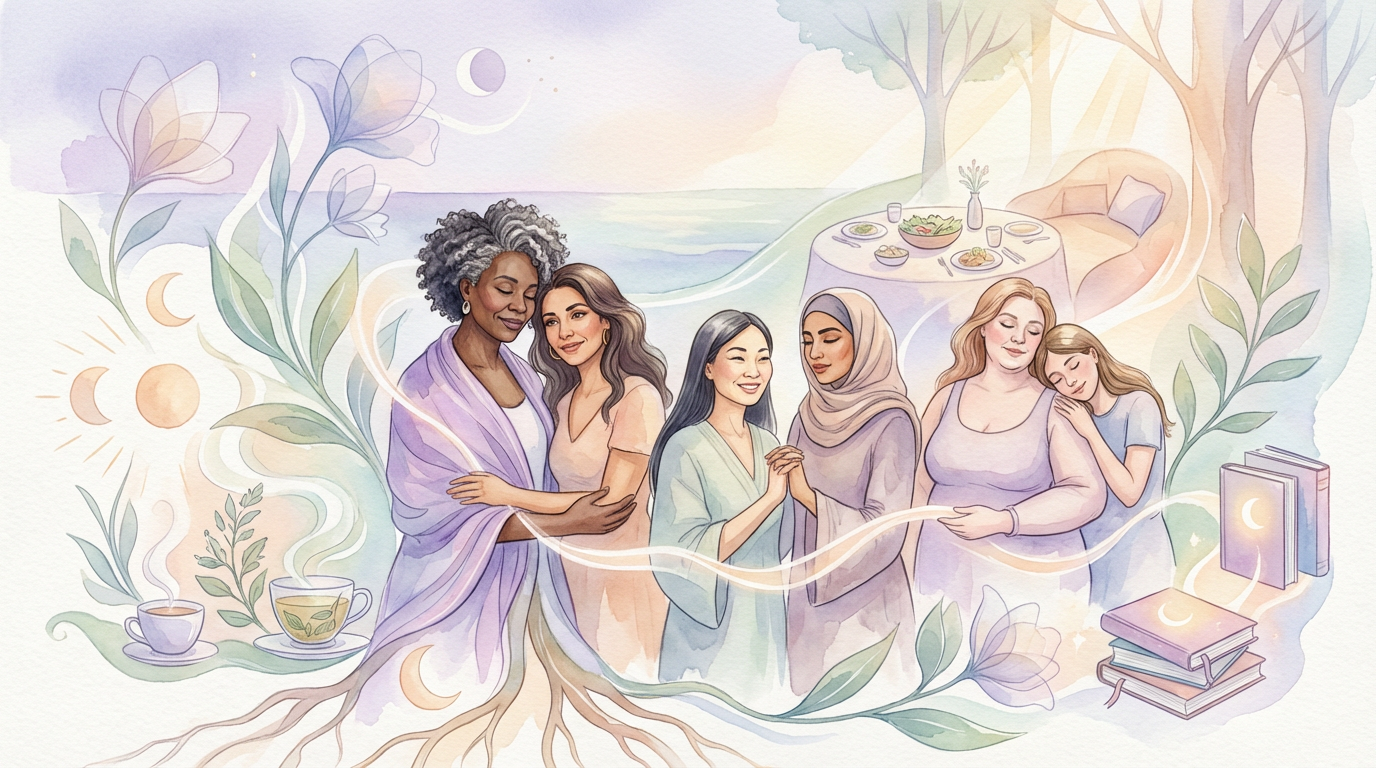
Social & Emotional Identity During Menopause
Menopause significantly impacts a woman's social and emotional identity, often leading to shifts in self-perception, relationships, and life purpose as hormones fluctuate. This transition can challenge established roles but also offers opportunities for growth and redefined identity.
Listen to this article
~17 min listen
TL;DR Summary
- •Menopause is a profound biopsychosocial transition that redefines a woman's sense of self and her place in the world.
- •Hormonal changes directly influence mood, cognition, and physical well-being, impacting emotional regulation and social interactions.
- •This life stage presents both challenges to established identities and unique opportunities for personal growth, self-discovery, and empowerment.
Introduction: How Does Menopause Impact a Woman's Social and Emotional Identity?
Menopause profoundly impacts a woman's social and emotional identity by initiating a complex biopsychosocial transition that redefines her sense of self, her relationships, and her life purpose. This period, marked by significant hormonal shifts, extends beyond physical symptoms to influence mood, cognition, self-perception, and how women engage with their social world, often leading to a re-evaluation of established roles and priorities.
What is Social Identity in the Context of Menopause?
Social identity, during menopause, refers to how a woman perceives herself in relation to various social groups and roles, such as mother, partner, professional, friend, or caregiver, and how these roles may shift or be challenged. As women navigate this life stage, their established social identities, often deeply intertwined with reproductive capacity or youthful appearance, can undergo significant re-evaluation. For instance, the end of fertility may prompt a re-assessment of one's identity as a mother or potential mother, while physical changes might affect self-confidence in social settings or professional environments. Research indicates that women often grapple with societal expectations of aging and perceived loss of attractiveness, which can impact their social engagement and overall self-esteem.
How Do Hormonal Changes Influence Emotional Identity During Menopause?
Hormonal changes, particularly the fluctuating and declining levels of estrogen and progesterone, profoundly influence emotional identity during menopause by directly affecting mood regulation, cognitive function, and psychological well-being. Estrogen, a key hormone, plays a significant role in neurotransmitter pathways (like serotonin and dopamine) that regulate mood, sleep, and cognitive processes. Its decline can lead to symptoms such as increased anxiety, irritability, mood swings, depression, and difficulty concentrating, which can alter a woman's emotional landscape and self-perception. These emotional shifts can make it challenging to maintain previous levels of emotional stability or engagement, leading some women to feel 'not themselves' or to question their emotional resilience. This internal experience directly shapes their emotional identity, sometimes leading to feelings of loss, frustration, or confusion about their reactions and feelings.
What Are the Common Emotional Challenges Faced During Menopause?
Common emotional challenges faced during menopause include heightened anxiety, increased irritability, mood swings, feelings of sadness or depression, and a sense of loss or grief. These challenges are often exacerbated by the interplay of hormonal fluctuations, sleep disturbances (due to hot flashes and night sweats), and life stressors that frequently coincide with midlife. The emotional rollercoaster can range from unexpected bursts of anger to profound sadness, sometimes without a clear external trigger. Many women report feeling a diminished sense of control over their emotions, which can be unsettling and impact their daily functioning and relationships. This period can also bring on a sense of grief for the end of reproductive years, perceived loss of youth, or shifts in family dynamics, contributing to a complex emotional landscape.
How Does Menopause Impact Self-Perception and Body Image?
Menopause significantly impacts self-perception and body image through a myriad of physical changes that can challenge a woman's established sense of attractiveness, vitality, and femininity. As estrogen declines, women may experience changes such as weight redistribution (often around the abdomen), skin and hair changes (dryness, thinning), loss of muscle mass, and vaginal dryness, all of which can affect how they see themselves. Societal emphasis on youth and beauty can intensify these feelings, leading to decreased self-esteem, body dissatisfaction, and a struggle to reconcile their changing physical appearance with their internal identity. This can manifest as a diminished sense of confidence, reluctance to engage in activities they once enjoyed, or a feeling of disconnect from their 'younger self.'
Can Menopause Lead to a Re-evaluation of Life Purpose and Values?
Yes, menopause can frequently lead to a profound re-evaluation of life purpose and values, as women enter a new phase of life often referred to as the 'second half' or 'post-reproductive stage.' This period often coincides with other midlife transitions, such as children leaving home, career plateaus or shifts, and caring for aging parents, prompting introspection. The physical and emotional shifts of menopause can act as a catalyst for women to reflect on their past achievements, future aspirations, and what truly brings them meaning and fulfillment. Many women use this time to shed roles that no longer serve them, pursue long-held dreams, or dedicate themselves to new passions, leading to a powerful sense of self-discovery and a redefined purpose aligned with their evolving identity.
What Role Do Relationships Play in Menopausal Identity Shifts?
Relationships play a crucial role in menopausal identity shifts, as interactions with partners, children, friends, and colleagues can either support or challenge a woman's evolving sense of self. Communication with partners can be strained due to mood swings, decreased libido, or changes in intimacy, requiring open dialogue and mutual understanding. Family dynamics may shift as children become independent or aging parents require more care, influencing a woman's identity as a caregiver or mother. Friendships can provide vital emotional support and validation, helping women navigate shared experiences, or they can highlight differences in how individuals are aging. In professional settings, women may face ageism or feel less visible, impacting their professional identity. Navigating these relational changes is integral to how a woman integrates her menopausal experience into her broader social identity.
How Can Women Reclaim and Redefine Their Identity During Menopause?
Women can reclaim and redefine their identity during menopause by actively engaging in self-care, seeking support, embracing new perspectives, and focusing on personal growth. This involves prioritizing physical well-being (nutrition, exercise, sleep), managing symptoms through lifestyle changes or medical interventions, and nurturing mental health through practices like mindfulness or therapy. Connecting with other women who are also experiencing menopause can provide validation and a sense of community. Embracing this stage as an opportunity for self-discovery allows women to shed outdated expectations, explore new interests, pursue passions, and redefine their purpose. It's about shifting the narrative from loss to empowerment, recognizing that wisdom, experience, and authenticity are powerful aspects of their evolving identity.
Benefits by Life Stage
While the primary focus is on menopause, understanding the broader context of women's health reinforces the importance of identity across all life stages.
Menstrual Health (periods, cramps, PMS)
During reproductive years, a woman's identity is often intertwined with her menstrual cycle. Understanding and managing menstrual health can foster a sense of control and empowerment, preventing feelings of being 'at the mercy' of one's body. A positive relationship with one's cycle can reinforce a healthy identity, while severe PMS or painful periods can sometimes lead to feelings of frustration or a diminished sense of self, especially if social activities are impacted.
Fertility Journey (TTC, ovulation, conception)
For many women, the fertility journey is deeply tied to their identity as a potential mother. Challenges with conception can profoundly impact self-worth, relationships, and emotional well-being, leading to feelings of inadequacy or despair. Successfully navigating fertility, or making peace with alternative paths to parenthood, involves significant identity work and resilience.
Pregnancy (trimesters, prenatal care)
Pregnancy brings about immense shifts in identity, as a woman transitions to motherhood. This period involves not only physical changes but also profound emotional and social adjustments as she prepares for a new role. Prenatal care supports not just physical health but also the psychological readiness for this new identity, helping to manage anxieties and embrace the transformative experience.
Menopause (perimenopause, hormonal changes)
Menopause marks a significant identity transition, often challenging previous self-perceptions related to youth, fertility, and societal roles. It requires women to redefine their vitality, purpose, and femininity, moving beyond reproductive capacity to embrace a new stage of wisdom and self-discovery. This involves navigating emotional volatility, body image shifts, and re-evaluating personal and social roles.
Key Takeaways
- •Menopause is a holistic transition impacting social, emotional, and physical aspects of a woman's identity.
- •Hormonal fluctuations are central to emotional shifts like anxiety, mood swings, and feelings of loss.
- •Self-perception and body image are often challenged by physical changes and societal beauty standards.
- •This period offers a unique opportunity for introspection, re-evaluation of life purpose, and personal growth.
- •Supportive relationships and proactive self-care are vital for navigating identity shifts and fostering resilience.
- •Embracing menopause as a stage of empowerment can lead to a redefined, authentic, and stronger sense of self.
Frequently Asked Questions
Q: Is it normal to feel depressed or anxious during menopause?
It is common and normal for women to experience symptoms of depression and anxiety during menopause, as hormonal fluctuations, particularly the decline in estrogen, directly impact mood-regulating neurotransmitters. While common, persistent or severe symptoms should be discussed with a healthcare provider for appropriate support and management.
Q: How can I cope with changes in my body image during menopause?
Coping with changes in body image during menopause involves shifting focus from external appearance to overall health and well-being, practicing self-compassion, and challenging societal beauty standards. Engaging in regular physical activity, choosing nourishing foods, dressing in ways that make you feel confident, and connecting with supportive communities can all help foster a more positive body image.
Q: Will menopause affect my relationships with my partner and friends?
Menopause can affect relationships with partners and friends due to mood swings, decreased libido, communication challenges, and shifts in personal priorities. Open and honest communication with loved ones, seeking mutual understanding, and potentially involving a therapist or counselor can help navigate these changes and strengthen relationships.
Q: How long do emotional symptoms of menopause last?
The duration of emotional symptoms during menopause varies greatly among individuals, lasting anywhere from a few months to several years, often coinciding with the perimenopausal and early postmenopausal stages. While some women experience short-lived symptoms, others may have more prolonged or intense emotional challenges that require ongoing management and support.
Q: Can menopause be a time of personal growth and empowerment?
Absolutely, menopause can be a profound time of personal growth and empowerment, often viewed as a 'second spring' or a period of liberation. Many women use this stage to shed societal expectations, pursue new interests, focus on self-care, and redefine their purpose, leading to a stronger, more authentic sense of self and renewed vitality.
Q: Should I talk to my doctor about my emotional changes during menopause?
Yes, it is highly recommended to talk to your doctor about any emotional changes you experience during menopause. Your healthcare provider can help determine if your symptoms are related to hormonal shifts, rule out other conditions, and discuss various treatment options, including hormone therapy, antidepressants, lifestyle modifications, or referrals to mental health professionals.
Q: What strategies can help me redefine my identity post-menopause?
Strategies to redefine your identity post-menopause include engaging in self-reflection to clarify new values and passions, exploring new hobbies or career paths, nurturing existing or forming new social connections, prioritizing physical and mental well-being, and embracing the wisdom and experience that comes with this life stage. Focusing on what brings you joy and purpose is key.
Start Your Wellness Journey Today
Ready to track your cycle, fertility, pregnancy, or menopause journey? Download PERIODiQ - your iQ-powered wellness companion designed for every stage of your health journey.
Get PERIODiQ Free: https://periodiq.app
Your Wellness Journey Starts Here
Download PERIODiQ
Scan the QR code or tap the link to get started with your personalized health tracking.
periodiq.app • iOS & Android
Cite this article
PERIODiQ Editorial Team (2025). "Social & Emotional Identity During Menopause." PERIODiQ. https://periodiq.app/library/social-emotional-identity-menopause
"Social & Emotional Identity During Menopause." PERIODiQ, 2025, https://periodiq.app/library/social-emotional-identity-menopause.
Send this to a friend — PERIODiQ is free for them too. No card. No paywall.
Loved this? Save articles, track your cycle, and unlock meditations — free forever.
Disclaimer: PERIODiQ™ offers general wellness information only. It does not provide medical advice, diagnosis, or treatment. Always speak with a licensed health professional about your health.