
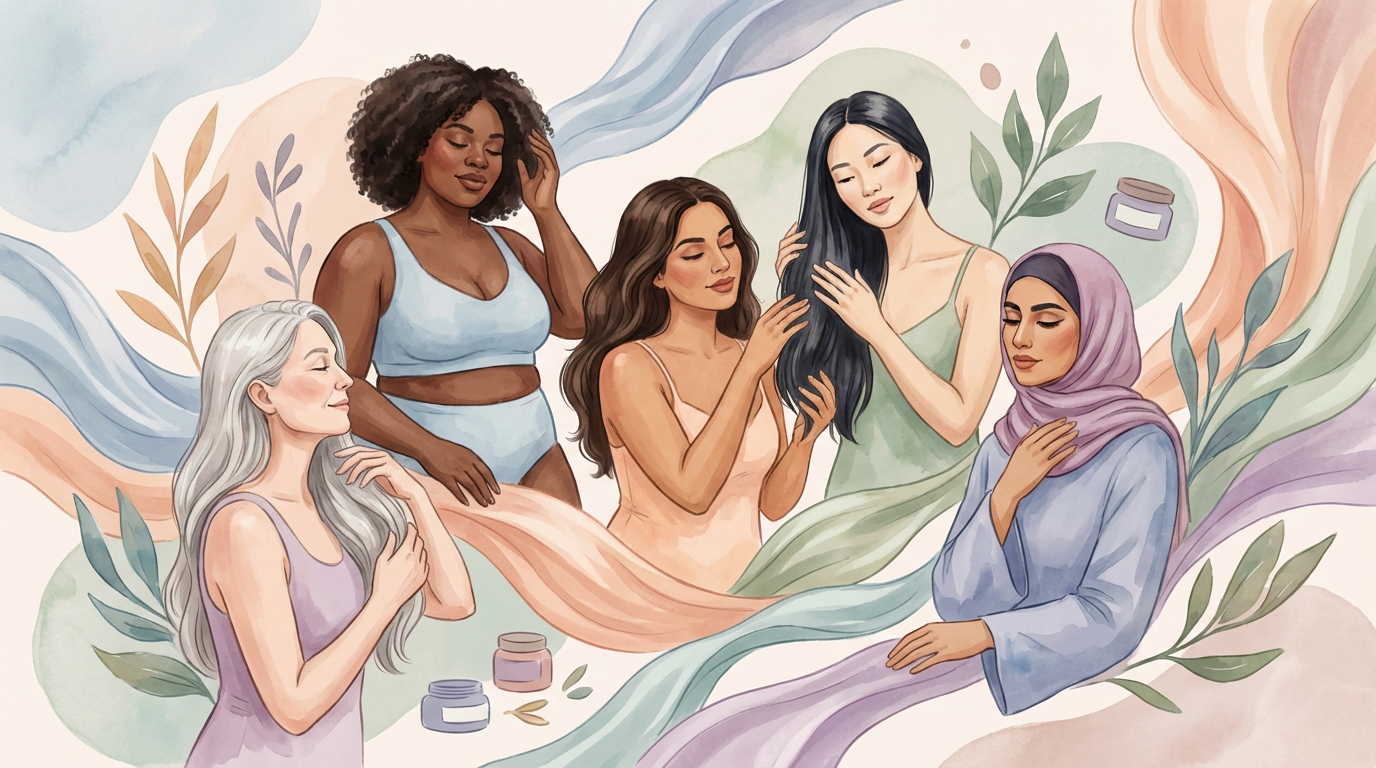
Skin and Hair Changes During Menopause: A Complete Care Guide
During menopause, plummeting estrogen levels lead to significant changes in skin and hair, including increased dryness, loss of elasticity, thinning hair, and scalp issues. Understanding these hormonal shifts is crucial for adopting targeted skincare and haircare routines to manage these common symptoms effectively and maintain healthy skin and hair.
Listen to this article
~17 min listen
TL;DR Summary
- •Menopause causes skin dryness, thinning, and loss of elasticity due to declining estrogen, impacting collagen and hyaluronic acid production.
- •Hair thinning, increased shedding, and changes in texture are common during menopause, often linked to hormonal fluctuations and follicle sensitivity.
- •Targeted skincare (hydration, collagen support) and haircare (gentle products, scalp care) are essential for managing these menopausal changes effectively.
Introduction
Menopause brings about a cascade of physiological changes, and among the most noticeable are those affecting our skin and hair, primarily due to the dramatic decline in estrogen. This comprehensive guide will delve into the specific ways menopause impacts your skin and hair, providing evidence-based insights and actionable strategies to help you navigate these transformations with confidence and maintain your natural radiance.
What Hormonal Changes Impact Skin and Hair During Menopause?
Menopause is defined by the cessation of menstruation, marking the end of a woman's reproductive years, and it's primarily driven by a significant reduction in ovarian estrogen production. Estrogen, a key female hormone, plays a vital role in maintaining the health and vitality of skin and hair by stimulating collagen production, promoting hydration, and supporting hair follicle growth. As estrogen levels fall during perimenopause and menopause, these protective effects diminish, leading to observable changes. Androgen levels, while not increasing, can become relatively higher compared to estrogen, further influencing hair follicle behavior and contributing to thinning hair on the head and increased facial hair.
How Does Menopause Affect Your Skin?
During menopause, the skin undergoes several notable transformations, primarily due to estrogen deficiency, leading to increased dryness, loss of elasticity, and slower wound healing.
Why Does Skin Become Drier and Less Hydrated?
Skin dryness and dehydration are among the most common complaints during menopause because estrogen is crucial for maintaining the skin's natural moisture barrier. Estrogen helps regulate hyaluronic acid production, a powerful humectant that draws and holds water in the skin, and also supports the production of ceramides, essential lipids that form the skin's protective barrier. With reduced estrogen, the skin's ability to retain moisture diminishes, leading to a compromised barrier, increased transepidermal water loss, and a drier, rougher texture.
What Causes Increased Wrinkles and Loss of Skin Elasticity?
The decline in estrogen significantly impacts collagen and elastin, the structural proteins responsible for skin firmness and elasticity. Studies show that women can lose up to 30% of their skin's collagen during the first five years of menopause, with a continued, albeit slower, decline thereafter. This reduction in collagen, coupled with decreased elastin production, leads to the thinning of the dermal layer, increased skin laxity, deeper wrinkles, and a less plump appearance. The skin's ability to bounce back is reduced, making fine lines more pronounced.
Can Menopause Lead to New Skin Sensitivities and Conditions?
Yes, menopausal hormonal shifts can make the skin more sensitive and prone to new or exacerbated conditions. The compromised skin barrier, combined with reduced natural oils, can lead to increased irritation, redness, and sensitivity to products that were previously well-tolerated. Conditions like rosacea may worsen, and some women experience an increase in itching (pruritus senilis) due to extreme dryness. Furthermore, the skin's immune function can be altered, potentially impacting its ability to heal and protect against environmental aggressors.
How Does Menopause Affect Your Hair?
Menopausal hormonal changes also have profound effects on hair, often leading to thinning, changes in texture, and increased shedding.
Why Do Women Experience Hair Thinning and Hair Loss?
Hair thinning and loss during menopause, often referred to as female pattern hair loss (FPHL) or androgenetic alopecia, are primarily driven by the fluctuating and declining estrogen levels, alongside a relative increase in androgenic activity. Estrogen typically prolongs the anagen (growth) phase of the hair cycle. When estrogen declines, the anagen phase shortens, and more follicles enter the telogen (resting) phase prematurely, leading to increased shedding. Androgens, while always present, can become relatively more dominant, and in genetically predisposed individuals, dihydrotestosterone (DHT) can miniaturize hair follicles, resulting in finer, shorter hairs and eventually dormant follicles. This typically manifests as a widening part and overall thinning, rather than distinct bald patches.
What Causes Changes in Hair Texture and Scalp Health?
Beyond thinning, hair texture can also change significantly during menopause. Many women report their hair becoming drier, more brittle, coarser, or even frizzier. This is partly due to reduced oil production from the scalp's sebaceous glands, which are also influenced by hormones. The hair cuticle, the outermost layer, may become more porous, leading to a loss of moisture and protein. Scalp health can also be compromised, with increased dryness, itching, and flakiness, as the skin on the scalp is also subject to the same estrogen-related changes as the rest of the body. This can create an unfavorable environment for healthy hair growth.
Is Increased Facial Hair Common During Menopause?
Yes, hirsutism, or the growth of coarse, dark hair on areas typically associated with male hair growth (e.g., upper lip, chin, jawline, chest), is a common symptom for some women during menopause. This occurs because the relative balance between estrogens and androgens shifts. Even if androgen levels don't increase, the decrease in estrogen means that the existing levels of androgens can have a more pronounced effect on hair follicles, stimulating growth in these sensitive areas.
Comprehensive Skincare Strategies for Menopausal Skin
Managing menopausal skin changes requires a multi-faceted approach focused on hydration, protection, and collagen support.
Hydration and Moisturizing Techniques
- •Choose rich, emollient moisturizers: Look for ingredients like hyaluronic acid, glycerin, ceramides, shea butter, and squalane to replenish the skin barrier and lock in moisture. Apply immediately after showering or cleansing to trap water.
- •Incorporate hydrating serums: Layer serums containing hyaluronic acid or polyglutamic acid under your moisturizer.
- •Consider a humidifier: Especially in dry climates or during winter, a humidifier can add moisture to the air and benefit your skin.
- •Drink plenty of water: While topical hydration is key, internal hydration supports overall skin health.
Protecting Skin from Environmental Damage
- •Daily broad-spectrum SPF: Non-negotiable! Use an SPF 30 or higher every single day, rain or shine, to protect against UV damage, which accelerates collagen breakdown and hyperpigmentation. Mineral sunscreens (zinc oxide, titanium dioxide) are often well-tolerated by sensitive skin.
- •Antioxidants: Incorporate serums with Vitamin C, Vitamin E, ferulic acid, or niacinamide to neutralize free radicals and protect against environmental stressors like pollution.
- •Protective clothing: Wear hats, sunglasses, and long sleeves when spending extended time outdoors.
Supporting Collagen Production and Skin Renewal
- •Retinoids (Retinol/Tretinoin): These are gold-standard ingredients for stimulating collagen production and accelerating cell turnover. Start with a low concentration and gradually increase usage to minimize irritation, especially for sensitive menopausal skin. Consult a dermatologist for prescription-strength options.
- •Peptides: These short chains of amino acids signal the skin to produce more collagen and elastin. Look for them in serums and moisturizers.
- •Growth Factors: These proteins play a role in cell growth and repair, potentially improving skin texture and firmness.
- •Exfoliation: Gentle chemical exfoliants like AHAs (glycolic, lactic acid) or PHAs can help remove dead skin cells, improve radiance, and enhance product penetration. Avoid harsh physical scrubs.
Professional Treatments for Menopausal Skin
- •Hydrating Facials: Can provide deep hydration and address dryness.
- •Microneedling: Stimulates collagen production and can improve texture and firmness.
- •Laser Therapy: Fractional lasers can target wrinkles, hyperpigmentation, and improve skin tone and texture.
- •Dermal Fillers and Neurotoxins: Can address volume loss and static wrinkles. Discuss options with a board-certified dermatologist.
- •Hormone Replacement Therapy (HRT): While not a cosmetic treatment, HRT can significantly improve skin thickness, hydration, and elasticity by replenishing estrogen, and should be discussed with your healthcare provider.
Expert Haircare Strategies for Menopausal Hair
Addressing menopausal hair changes requires a gentle, nourishing approach focused on scalp health and strengthening fragile strands.
Gentle Cleansing and Conditioning
- •Sulfate-free shampoos: Harsh sulfates can strip natural oils, exacerbating dryness and fragility. Opt for gentle, moisturizing formulas.
- •Volumizing conditioners: Choose lightweight conditioners that won't weigh down thinning hair. Focus on conditioning the ends.
- •Avoid over-washing: Wash hair every 2-3 days, or as needed, to prevent stripping natural oils.
- •Lukewarm water: Hot water can dry out the scalp and hair; use lukewarm water for washing.
Nourishing Scalp and Hair Follicles
- •Scalp massage: Gentle massage can increase blood circulation to the scalp, potentially stimulating hair follicles.
- •Targeted scalp treatments: Look for serums containing ingredients like minoxidil (FDA-approved for hair loss), peptides, caffeine, or botanical extracts (e.g., rosemary oil, saw palmetto) that support hair growth and scalp health.
- •Hair masks: Weekly hydrating and strengthening masks can provide deep conditioning for brittle hair. Ingredients like argan oil, coconut oil, keratin, and hyaluronic acid are beneficial.
Styling Tips and Protecting Fragile Hair
- •Minimize heat styling: Excessive heat from blow dryers, straighteners, and curling irons can further damage fragile, thinning hair. Air dry when possible, or use the lowest heat setting with a heat protectant spray.
- •Gentle brushes and ties: Use wide-tooth combs or soft bristle brushes. Avoid tight ponytails or hairstyles that pull on the hair, which can lead to breakage and traction alopecia.
- •Protective hairstyles: Consider looser styles that reduce stress on the hair follicles.
- •Silk pillowcases: Can reduce friction and minimize hair breakage during sleep.
Dietary and Lifestyle Support for Hair Health
- •Balanced diet: Ensure adequate intake of protein, iron, zinc, biotin, and vitamins A, C, D, and E, all crucial for hair health. Foods like lean meats, eggs, leafy greens, nuts, seeds, and berries are beneficial.
- •Omega-3 fatty acids: Found in fatty fish, flaxseeds, and walnuts, these can help nourish the scalp and hair.
- •Stress management: High stress levels can exacerbate hair shedding (telogen effluvium). Practice stress-reducing techniques like yoga, meditation, or mindfulness.
- •Avoid smoking: Smoking impairs blood circulation to the scalp and can contribute to premature hair aging.
Benefits by Life Stage: Menopause
Menopause (Perimenopause, Hormonal Changes)
During perimenopause and menopause, recognizing the interplay between hormonal shifts and skin/hair health is paramount. Estrogen decline directly impacts collagen, elastin, hyaluronic acid, and hair follicle function, leading to the symptoms discussed. Adopting a proactive and consistent care routine, focusing on hydration, protection, gentle treatment, and nutritional support, can significantly mitigate these changes. For some, Hormone Replacement Therapy (HRT), prescribed by a healthcare provider, can directly address the root cause of these symptoms by replenishing estrogen, leading to improvements in skin hydration, elasticity, and hair density. However, HRT is not suitable for everyone, and lifestyle and topical interventions remain crucial components of a comprehensive care plan.
Key Takeaways
- •Estrogen decline during menopause is the primary driver of skin and hair changes, leading to dryness, thinning, and loss of elasticity.
- •Menopausal skin requires intensive hydration, robust sun protection, and ingredients that stimulate collagen like retinoids and peptides.
- •Menopausal hair benefits from gentle cleansing, scalp nourishment, minimizing heat, and a nutrient-rich diet.
- •Hormone Replacement Therapy (HRT) can significantly improve skin and hair health for some, but lifestyle and topical care are essential for all.
- •Consistency and patience are key, as it takes time to see improvements in skin and hair health.
Frequently Asked Questions
Q: Can menopausal skin changes be reversed?
A: While you cannot completely reverse the aging process or the decline in estrogen, many menopausal skin changes can be significantly improved and managed through consistent, targeted skincare, lifestyle adjustments, and, for some, medical interventions like HRT or professional treatments. The goal is to mitigate symptoms and maintain skin health.
Q: Is hair loss during menopause permanent?
A: Hair loss during menopause is often a form of female pattern hair loss, which is progressive if untreated. However, it's not necessarily permanent. Early intervention with topical treatments like minoxidil, oral medications (if prescribed), and addressing nutritional deficiencies can help slow progression, stimulate regrowth, and improve hair density. Consulting a dermatologist or trichologist is recommended.
Q: How quickly will I see results from new skincare or haircare routines?
A: Patience is crucial. For skincare, you might notice improvements in hydration and texture within a few weeks, but significant changes in wrinkles or firmness can take 3-6 months or longer with consistent use of active ingredients like retinoids. For hair, it typically takes 3-6 months to see noticeable results from new treatments, as hair growth is a slow process.
Q: Should I change my makeup routine during menopause?
A: Yes, menopausal skin often benefits from changes in makeup. Opt for hydrating, luminous foundations and concealers instead of heavy, matte formulas that can emphasize dryness and fine lines. Cream-based products generally work better than powders, and a good primer can help makeup sit more smoothly on drier skin.
Q: Are there any specific supplements that help with menopausal skin and hair?
A: While a balanced diet is key, some supplements may offer support. Collagen peptides, omega-3 fatty acids, biotin, vitamin D, and zinc are often recommended. However, always consult your healthcare provider before starting any new supplements, as they can interact with medications or have contraindications.
Q: Can stress worsen menopausal skin and hair issues?
A: Absolutely. Chronic stress can exacerbate many menopausal symptoms, including skin dryness, sensitivity, and hair shedding (telogen effluvium). Stress hormones like cortisol can negatively impact collagen production and disrupt the hair growth cycle. Incorporating stress-reduction techniques into your daily routine is beneficial for overall well-being, including skin and hair health.
Q: What is the single most important thing I can do for my menopausal skin?
A: While many factors are important, daily broad-spectrum sun protection (SPF 30+) is arguably the most critical step for menopausal skin. UV radiation is a primary driver of collagen breakdown, hyperpigmentation, and accelerated aging, making sun protection essential for preserving skin health and minimizing further damage during this vulnerable period.
Start Your Wellness Journey Today
Ready to track your cycle, fertility, pregnancy, or menopause journey? Download PERIODiQ - your iQ-powered wellness companion designed for every stage of your health journey.
Get PERIODiQ Free: https://periodiq.app
Your Wellness Journey Starts Here
Download PERIODiQ
Scan the QR code or tap the link to get started with your personalized health tracking.
periodiq.app • iOS & Android
Cite this article
PERIODiQ Editorial Team (2025). "Skin and Hair Changes During Menopause: A Complete Care Guide." PERIODiQ. https://periodiq.app/library/skin-hair-changes-menopause
"Skin and Hair Changes During Menopause: A Complete Care Guide." PERIODiQ, 2025, https://periodiq.app/library/skin-hair-changes-menopause.
Send this to a friend — PERIODiQ is free for them too. No card. No paywall.
Loved this? Save articles, track your cycle, and unlock meditations — free forever.
Disclaimer: PERIODiQ™ offers general wellness information only. It does not provide medical advice, diagnosis, or treatment. Always speak with a licensed health professional about your health.