Seed Cycling: Trend or Science? Unpacking Hormone Harmony
Seed cycling is a holistic health practice involving consuming specific seeds during different phases of the menstrual cycle, aiming to naturally balance hormones. While widely popular, scientific evidence directly supporting its efficacy is limited, with most benefits attributed to the general nutritional value of the seeds. It's generally safe and can be a beneficial dietary addition, but shouldn't replace medical care for hormonal imbalances.
Listen to this article
~13 min listen
Click play to generate audio narration with a calming voice
TL;DR
- •Seed cycling involves eating specific seeds (flax, pumpkin, sesame, sunflower) during different menstrual cycle phases to support hormone balance.
- •While individual seeds have impressive nutritional profiles that can aid hormonal health, direct scientific evidence for seed cycling's specific efficacy is largely anecdotal.
- •It's a low-risk, nutrient-rich dietary practice that can complement other hormone-balancing strategies, but isn't a medical treatment.
Is Seed Cycling a Game-Changer or Just Another Wellness Fad?
Seed cycling is a popular wellness practice that involves consuming specific combinations of seeds during different phases of the menstrual cycle to purportedly balance hormones. The core idea is that the lignans, essential fatty acids, and nutrients found in these seeds can support the body's natural estrogen and progesterone production and metabolism. While it's gained significant traction on social media and in holistic health circles, many wonder: is seed cycling backed by solid science, or is it just another trend in the ever-evolving world of wellness? For young women navigating early adulthood, career, and relationships, understanding how to support their bodies naturally is key, and seed cycling offers an intriguing, low-risk approach to potentially enhancing hormonal health.
Let's dive deep into what seed cycling entails, the science (or lack thereof) behind it, and whether incorporating these hormone balancing seeds into your diet could offer tangible seed cycling benefits.
What Exactly Is Seed Cycling and How Does It Work?
Seed cycling is a dietary practice where you rotate specific seeds – typically flax, pumpkin, sesame, and sunflower – throughout the two main phases of your menstrual cycle: the follicular phase and the luteal phase. The goal is to naturally support the fluctuations of estrogen and progesterone, the two primary female sex hormones, which ideally rise and fall in a harmonious dance throughout the month.
The Follicular Phase (Days 1-14, roughly)
This phase starts on day 1 of your period and lasts until ovulation. During this time, estrogen levels are on the rise, preparing the uterus for a potential pregnancy. The recommended seeds for this phase are:
- •Flax Seeds: Rich in lignans, which are phytoestrogens. These compounds can bind to estrogen receptors, potentially helping to modulate estrogen levels. If estrogen is too high, they can block stronger forms of estrogen; if estrogen is too low, they can provide a mild estrogenic effect. They are also a great source of Omega-3 fatty acids, crucial for reducing inflammation.
- •Pumpkin Seeds: Packed with zinc, which is vital for hormone production, ovarian health, and even immune function. They also contain magnesium, a mineral known to reduce PMS symptoms and support overall well-being.
During the follicular phase, you typically consume one tablespoon each of freshly ground flax seeds and pumpkin seeds daily.
The Luteal Phase (Days 15-28, roughly)
This phase begins after ovulation and lasts until your period starts. Progesterone becomes the dominant hormone, preparing the uterine lining for implantation and maintaining a potential pregnancy. If no pregnancy occurs, progesterone (and estrogen) levels drop, triggering menstruation. The recommended seeds for this phase are:
- •Sesame Seeds: Like flax, sesame seeds contain lignans, which can help with estrogen metabolism. They are also a good source of zinc, calcium, and magnesium, all important for hormonal health and bone density.
- •Sunflower Seeds: High in selenium, which supports liver detoxification (important for hormone elimination) and thyroid function (which heavily influences sex hormones). They are also rich in Vitamin E, an antioxidant that can support progesterone production and reduce PMS symptoms.
During the luteal phase, you typically consume one tablespoon each of freshly ground sesame seeds and sunflower seeds daily.
What About Irregular Cycles or No Cycle?
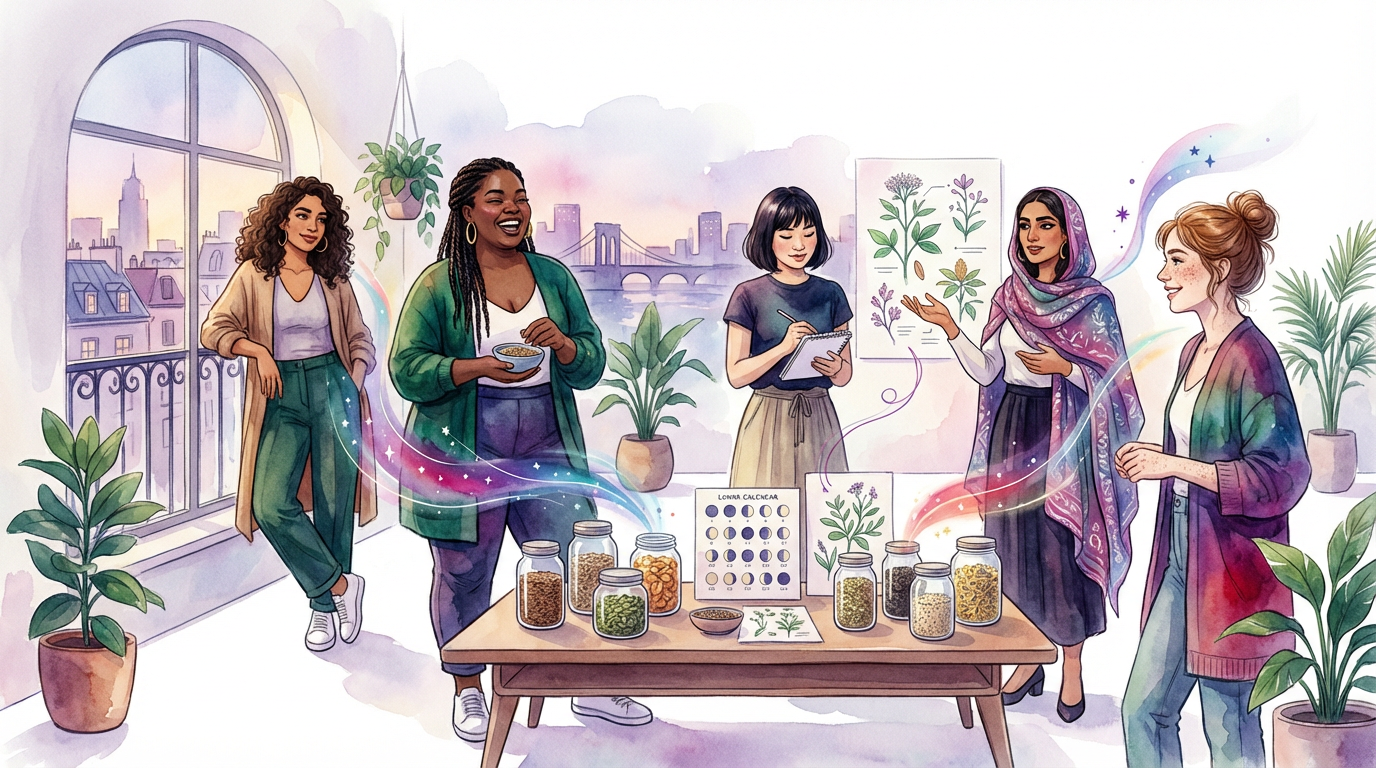
For those with irregular cycles, amenorrhea (absence of periods), or even those in perimenopause, the practice often aligns with the lunar cycle. The new moon is considered the start of the 'follicular phase' (flax and pumpkin), and the full moon marks the start of the 'luteal phase' (sesame and sunflower). This approach aims to bring a rhythmic structure to hormone support, even without a regular menstrual cycle.
Does Science Back Up the Hype Around Seed Cycling?
This is where things get a bit nuanced. While the individual components of the seeds have well-documented benefits for health, direct, large-scale clinical trials specifically investigating seed cycling's efficacy for hormone balance are limited. Most of the evidence supporting seed cycling benefits is anecdotal, based on traditional medicine practices, or extrapolated from studies on the individual seeds.
What We Know About the Seeds Individually:
- •Flax Seeds: Research strongly supports the role of flax lignans in modulating estrogen metabolism. Studies have shown they can help reduce circulating estrogen levels, potentially benefiting conditions like PCOS, endometriosis, and even reducing breast cancer risk. Reference: Phipps, W. R., et al. (1993). 'Effect of flax seed ingestion on the menstrual cycle.' Journal of Clinical Endocrinology & Metabolism, 77(5), 1215-1219. They also improve bowel regularity, which is crucial for excreting excess hormones.
- •Pumpkin Seeds: Rich in zinc, which is a cofactor for hundreds of enzymatic reactions, including those involved in hormone synthesis and release. Zinc deficiency has been linked to menstrual irregularities. Reference: Ghaffari, F., et al. (2016). 'The effect of zinc supplementation on primary dysmenorrhea: A systematic review and meta-analysis.' Journal of Obstetrics and Gynaecology Research, 42(1), 3-10. Their magnesium content can also relax smooth muscles, potentially easing cramps.
- •Sesame Seeds: Like flax, sesame contains lignans (sesamin and sesamolin) that can influence estrogen metabolism. They are also a good source of calcium, important for bone health, especially as estrogen levels fluctuate. Reference: Wu, W. H., et al. (2007). 'Sesame ingestion affects estrogen metabolism in postmenopausal women.' The Journal of Nutrition, 137(4), 953-957.
- •Sunflower Seeds: A fantastic source of Vitamin E, a potent antioxidant that can support the corpus luteum (the structure that produces progesterone after ovulation). Vitamin E has also been studied for its potential to reduce PMS symptoms. Reference: Pruthi, S., et al. (2010). 'Vitamin E and breast cancer: a review.' Breast Cancer Research and Treatment, 122(2), 315-326. (While this is about breast cancer, it highlights Vitamin E's hormonal impact). Selenium supports thyroid health, and a healthy thyroid is foundational for balanced sex hormones.
The Gap in Direct Seed Cycling Research:
While the individual nutritional benefits are clear, the specific rotation of these seeds in a cycle to achieve a targeted hormonal effect lacks robust, peer-reviewed clinical trials. Most studies focus on the general consumption of these seeds, not the phased approach. This doesn't mean seed cycling doesn't work, but rather that its precise mechanisms and efficacy as a rotational practice haven't been definitively proven by modern Western scientific standards.
Many proponents argue that the subtle, synergistic effects of these nutrients, consumed in alignment with the body's natural rhythms, provide benefits that are hard to capture in a standard reductionist scientific study. It's often viewed as a gentle, supportive dietary intervention rather than a potent medical treatment.
Who Can Benefit from Incorporating Hormone Balancing Seeds?
Given its low-risk nature and the nutritional richness of the seeds, many women choose to try seed cycling as a complementary approach to managing various hormonal concerns. It's particularly popular among those experiencing:
- •Irregular Periods: Anecdotally, some women report more regular cycles after consistent seed cycling.
- •PMS Symptoms: Reduced bloating, cramps, mood swings, and breast tenderness are commonly cited seed cycling benefits.
- •PCOS (Polycystic Ovary Syndrome): By supporting estrogen metabolism and providing zinc, it may help manage some PCOS symptoms, though it's not a cure.
- •Hormonal Acne: Balancing hormones can often improve skin health.
- •Perimenopause Symptoms: Some women find it helps alleviate hot flashes and mood fluctuations.
- •Difficulty Conceiving: By supporting overall hormonal balance, it may indirectly aid fertility, especially if underlying hormonal imbalances are present.
- •Post-Pill Syndrome: After coming off hormonal birth control, the body can take time to re-regulate. Seed cycling is sometimes used to support this transition.
It's important to remember that while these are widely reported benefits, individual results can vary greatly. Consistency is key, and it often takes 2-3 cycles to notice significant changes.
How Can You Integrate Seed Cycling into Your Daily Routine?
Making hormone balancing seeds a regular part of your diet is surprisingly easy and versatile. The key is to use freshly ground seeds, as grinding increases bioavailability and prevents oxidation of their delicate oils.
- •Grind Your Seeds: Invest in a small coffee grinder dedicated to seeds. Grind a few days' worth at a time and store them in an airtight container in the fridge to maintain freshness.
- •Add to Smoothies: This is a popular and easy method. Just toss in your tablespoon of each seed with your other smoothie ingredients.
- •Sprinkle on Meals: Top your oatmeal, yogurt, salads, soups, avocado toast, or even baked goods with the ground seeds.
- •Mix into Dressings/Sauces: Blend them into homemade salad dressings, pesto, or dips.
- •Bake with Them: Incorporate them into muffins, bread, or energy balls. Be mindful that high heat can degrade some nutrients, so adding them after baking or to no-bake recipes is ideal.
Pro Tip: Listen to your body. If you have digestive sensitivities, start with half a tablespoon of each seed and gradually increase. Ensure you're also drinking plenty of water, as the fiber content of the seeds can increase your need for hydration.
Are There Any Downsides or Risks to Seed Cycling?
For most people, seed cycling is a very safe practice with minimal to no risks. The seeds themselves are nutrient-dense foods that offer general health benefits. However, there are a few considerations:
- •Allergies: If you have allergies to any of these seeds, you should, of course, avoid them.
- •Digestive Issues: The high fiber content can cause bloating or gas in some individuals, especially if not introduced gradually or without adequate hydration. Starting with smaller amounts and increasing slowly can help.
- •Not a Replacement for Medical Care: Seed cycling is a complementary dietary practice, not a medical treatment. If you have significant hormonal imbalances, severe PMS, endometriosis, PCOS, or fertility issues, it's crucial to consult with a healthcare professional. They can provide a diagnosis and recommend appropriate medical interventions.
- •Cost and Consistency: Buying organic, high-quality seeds and consistently grinding and consuming them daily can be a commitment in terms of time and cost.
Ultimately, the potential seed cycling benefits often outweigh these minor considerations for those looking for a natural, supportive approach to hormonal health.
Key Takeaways
- •Seed cycling involves rotating flax, pumpkin, sesame, and sunflower seeds across the follicular and luteal phases of your menstrual cycle.
- •Individual seeds are packed with nutrients (lignans, zinc, selenium, Vitamin E) that are scientifically proven to support various aspects of hormonal health.
- •Direct scientific evidence specifically for the rotational practice of seed cycling is limited, with much support being anecdotal or extrapolated.
- •Many women report improvements in cycle regularity, PMS symptoms, and overall hormonal balance.
- •It's a low-risk, nutrient-rich dietary addition that can complement other wellness strategies.
- •Always consult a healthcare professional for significant hormonal issues; seed cycling is a supportive practice, not a medical cure.
Frequently Asked Questions
Q1: How long does it take to see results from seed cycling?
A: Most individuals report noticing changes after 2-3 full menstrual cycles (roughly 2-3 months) of consistent seed cycling. Hormonal shifts take time, so patience and consistency are key.
Q2: Do I need to grind the seeds, or can I eat them whole?
A: It's highly recommended to grind the seeds, especially flax and sesame. Grinding breaks down their tough outer shells, making the beneficial lignans and fatty acids more bioavailable and easier for your body to absorb. Whole seeds might pass through your digestive system largely undigested.
Q3: What if I have an irregular cycle or no period at all?
A: If you have an irregular cycle or amenorrhea, you can align your seed cycling with the lunar calendar. Start the follicular phase (flax and pumpkin) on the new moon and switch to the luteal phase (sesame and sunflower) on the full moon. This provides a consistent rhythm for your body.
Q4: Can I do seed cycling while on hormonal birth control?
A: While seed cycling is generally safe, it's unlikely to have a significant impact on your hormones if you are on hormonal birth control, as the birth control overrides your natural hormonal fluctuations. It might still offer general nutritional benefits from the seeds, but the specific hormone-balancing effect is diminished.
Q5: Can men or postmenopausal women benefit from seed cycling?
A: While the practice is primarily focused on the menstrual cycle, the individual seeds offer general health benefits for everyone. Men could benefit from the zinc (pumpkin, sesame) for prostate health and testosterone, and lignans (flax, sesame) for overall hormonal balance. Postmenopausal women might find lignans helpful in managing estrogen levels and symptoms like hot flashes, often following the lunar cycle or a consistent 28-day rotation.
Q6: Where should I buy my seeds, and how should I store them?
A: Opt for organic, raw, and unhulled seeds whenever possible. Buy them from reputable sources. Store whole seeds in an airtight container in a cool, dark place. Once ground, store them in an airtight container in the refrigerator or freezer to prevent oxidation and maintain their nutritional integrity.
Q7: Is seed cycling a weight loss strategy?
A: Seed cycling is not primarily a weight loss strategy. However, by supporting hormonal balance, reducing inflammation, and improving gut health, it might indirectly contribute to a healthier metabolism and body weight for some individuals. The fiber content can also promote satiety.
Start Your Wellness Journey Today
Ready to track your cycle, fertility, pregnancy, or menopause journey? Download PERIODiQ - your iQ-powered wellness companion designed for every stage of your health journey.
Get PERIODiQ Free: https://periodiq.app
Your Wellness Journey Starts Here
Download PERIODiQ
Scan the QR code or tap the link to get started with your personalized health tracking.
periodiq.app • iOS & Android
Cite this article
PERIODiQ Editorial Team (2026). "Seed Cycling: Trend or Science? Unpacking Hormone Harmony." PERIODiQ. https://periodiq.app/library/seed-cycling-trend-or-science-unpacking-hormone-harmony
"Seed Cycling: Trend or Science? Unpacking Hormone Harmony." PERIODiQ, 2026, https://periodiq.app/library/seed-cycling-trend-or-science-unpacking-hormone-harmony.
Send this to a friend — PERIODiQ is free for them too. No card. No paywall.
Loved this? Save articles, track your cycle, and unlock meditations — free forever.
Disclaimer: PERIODiQ™ offers general wellness information only. It does not provide medical advice, diagnosis, or treatment. Always speak with a licensed health professional about your health.