
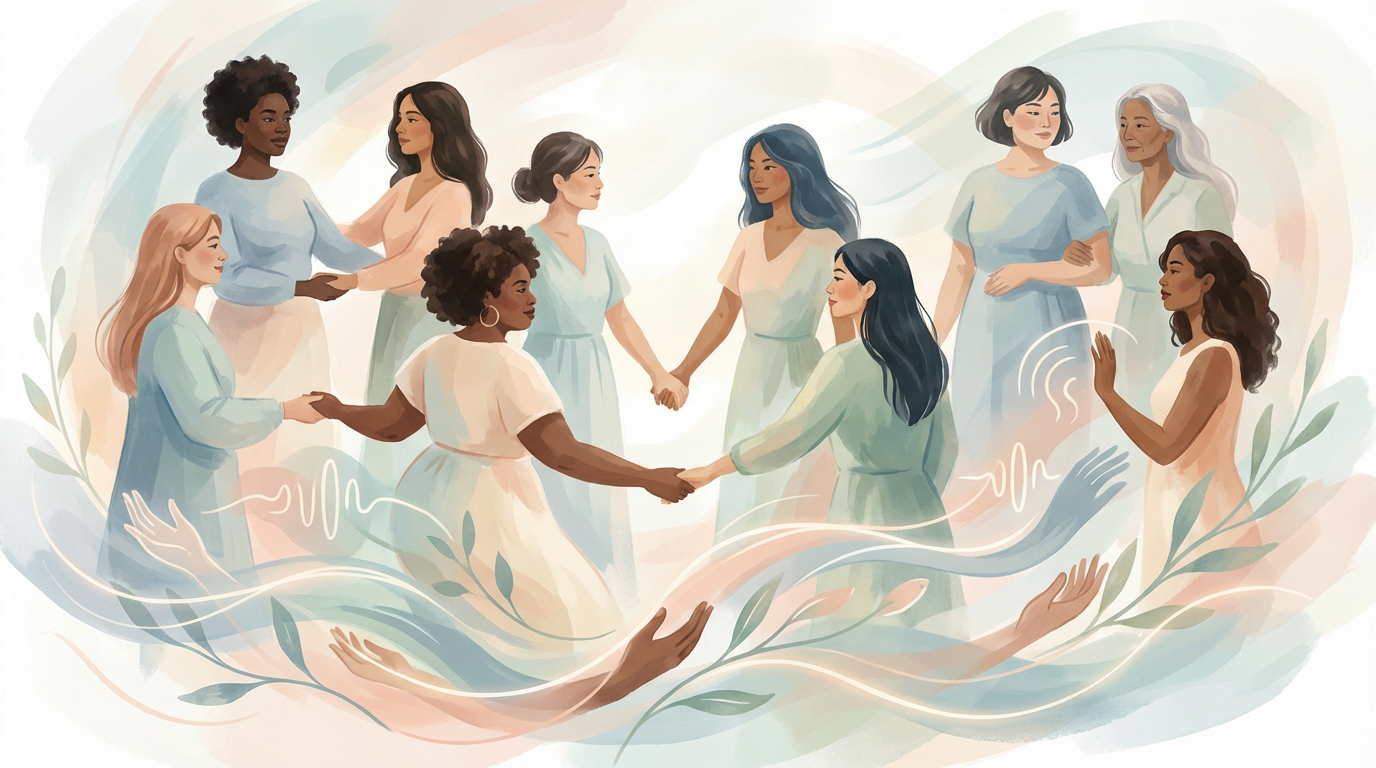
Relationships, Communication & Support
Menopause significantly impacts relationships due to hormonal shifts affecting mood, libido, and communication. Open, empathetic communication, seeking support, and understanding physical and emotional changes are crucial for maintaining healthy connections with partners, family, and friends during this life stage.
Listen to this article
~17 min listen
TL;DR Summary
- •Menopause introduces significant physical and emotional changes that can strain relationships, requiring understanding and adaptation from all parties.
- •Open and honest communication about symptoms, feelings, and needs is paramount for maintaining healthy connections with partners, family, and friends.
- •Seeking support, both professional and personal, helps navigate challenges and fosters stronger, more resilient relationships during the menopausal transition.
Navigating Relationships, Communication, and Support During Menopause
Menopause profoundly impacts relationships due to the complex interplay of hormonal fluctuations, physical symptoms, and emotional well-being, necessitating open communication and robust support systems to thrive through this significant life transition.
The menopausal transition, encompassing perimenopause and menopause, is a natural biological process characterized by fluctuating and eventually declining hormone levels, primarily estrogen and progesterone. These hormonal shifts don't just affect physical health; they can ripple through every aspect of a woman's life, including her most intimate relationships. Understanding these changes and their potential effects on communication and connection is the first step toward navigating this period successfully.
How Does Menopause Affect Relationships and Communication?
Menopause affects relationships and communication through a combination of physical symptoms, emotional changes, and shifts in self-perception, which can alter dynamics with partners, family, and friends.
Impact on Partner Relationships
Partner relationships often bear the brunt of menopausal changes, as intimacy, shared activities, and daily interactions can be affected.
- •Sexual Health and Intimacy: Declining estrogen levels can lead to vaginal dryness, painful intercourse (dyspareunia), and reduced libido. These physical changes can make sexual activity less appealing or even uncomfortable, potentially leading to a decrease in intimacy and connection if not addressed openly. Partners may misinterpret a decline in sexual interest as a lack of desire for them personally, rather than a physiological symptom of menopause.
- •Mood Swings and Irritability: Hormonal fluctuations are notorious for causing mood swings, increased irritability, anxiety, and even depressive symptoms. These emotional shifts can make daily interactions challenging, leading to misunderstandings, arguments, and a feeling of walking on eggshells for both partners. A woman might feel constantly on edge, while her partner might feel confused or hurt by seemingly unprovoked emotional outbursts.
- •Sleep Disturbances: Hot flashes and night sweats frequently disrupt sleep, leading to chronic fatigue. Sleep deprivation exacerbates irritability, reduces patience, and can impair cognitive function, making effective communication more difficult and increasing tension within the relationship.
- •Body Image and Self-Esteem: Menopause can bring about changes in body composition (e.g., weight gain, changes in skin and hair), which can impact a woman's body image and self-esteem. These feelings of insecurity can affect how she interacts with her partner, potentially leading to withdrawal or a feeling of being less desirable.
- •Communication Breakdown: The combination of physical discomfort, emotional volatility, and fatigue can make it harder for women to articulate their needs and feelings clearly. Partners, in turn, may struggle to understand what their loved one is going through, leading to a breakdown in empathetic communication.
Impact on Family Dynamics
Family dynamics, particularly with children and extended family, can also be influenced by the menopausal transition.
- •Parent-Child Relationships: Teenagers and young adult children may find their mother's mood swings or increased irritability confusing or upsetting. Openly discussing what menopause entails can help children understand that changes in their mother's behavior are not personal attacks but symptoms of a natural biological process. It also models vulnerability and healthy communication.
- •Caregiving Responsibilities: Many women experience menopause while simultaneously caring for aging parents or navigating their children's transition to adulthood. The added stress of these responsibilities, combined with menopausal symptoms, can lead to burnout and affect patience and availability for family members.
- •Intergenerational Understanding: Grandchildren or younger family members might not understand the concept of menopause. Educating the family can foster a more supportive environment and reduce misunderstandings.
Impact on Friendships and Social Connections
Friendships and social connections are vital for well-being but can also be affected by menopause.
- •Social Withdrawal: Fatigue, anxiety, and depression can lead some women to withdraw from social activities. This isolation can exacerbate feelings of loneliness and reduce opportunities for emotional support.
- •Shared Experiences: Conversely, menopause can also be a bonding experience among women. Sharing symptoms and coping strategies with friends who are going through similar experiences can strengthen friendships and provide invaluable emotional support and validation.
- •Empathy and Understanding: Friends who are not experiencing menopause may struggle to understand the depth of changes their friend is undergoing. Open communication can help bridge this gap and maintain strong connections.
What are Effective Communication Strategies During Menopause?
Effective communication during menopause involves honesty, empathy, active listening, and setting clear boundaries to ensure needs are met and relationships remain strong.
For the Woman Experiencing Menopause
- •Educate Yourself and Your Loved Ones: Understanding the physiological and psychological aspects of menopause is crucial. Share reliable information with your partner, family, and close friends so they can better comprehend what you're experiencing. This knowledge can transform confusion into empathy.
- •Be Open and Honest About Your Symptoms: Don't suffer in silence. Clearly articulate your symptoms—whether it's a hot flash, irritability, fatigue, or discomfort during sex. For example, instead of snapping, try saying, "I'm feeling incredibly irritable right now because of my hormones, and I need a moment." Or, "I'm experiencing vaginal dryness, which makes sex painful, and I'd like to explore solutions together."
- •Use "I" Statements: Frame your feelings and needs using "I" statements to avoid sounding accusatory. For instance, instead of "You never listen to me," try "I feel unheard when I try to explain my symptoms." Or, "I need more rest because I'm so tired from hot flashes."
- •Schedule Difficult Conversations: Choose a calm moment when both you and your partner are well-rested and relatively stress-free to discuss sensitive topics, rather than in the heat of the moment or when you're exhausted.
- •Identify and Communicate Your Needs: Clearly express what kind of support you need. Do you need more help with household chores? Do you need your partner to listen without offering solutions? Do you need more physical affection that doesn't necessarily lead to sex? Be specific.
- •Maintain Your Sense of Self: While menopause brings changes, it's important to remember who you are beyond your symptoms. Continue engaging in activities you enjoy and nurturing your individual identity, which can prevent you from feeling solely defined by menopause.
For Partners, Family, and Friends
- •Educate Yourselves: Learn about perimenopause and menopause. Reading articles, books, or reputable websites can provide invaluable insight into the challenges your loved one is facing. Understanding that symptoms are physiological, not personal, is key.
- •Practice Empathy and Patience: Recognize that mood swings, fatigue, and other symptoms are often beyond her control. Approach interactions with empathy and a willingness to be patient, even when it's challenging. Validate her feelings by saying, "I can see you're struggling, and I'm here for you."
- •Listen Actively: When she shares her experiences, listen without interruption or immediate problem-solving unless she explicitly asks for solutions. Sometimes, simply being heard is the most profound form of support.
- •Offer Practical Support: Ask how you can help. This could mean taking on more household responsibilities, helping with childcare, offering to run errands, or ensuring she gets uninterrupted sleep. "What can I do to make things easier for you today?" is a powerful question.
- •Initiate Conversations About Intimacy: If sexual intimacy is affected, approach the topic with sensitivity and understanding. Reassure her that your attraction and love are not solely dependent on sexual activity. Explore other forms of intimacy and physical affection, and be open to discussing solutions like lubricants or medical interventions.
- •Encourage Self-Care: Support her in prioritizing her self-care activities, whether it's exercise, meditation, hobbies, or spending time with friends. Offer to facilitate this by taking on other responsibilities.
- •Avoid Minimizing Her Experience: Never dismiss her symptoms or feelings with phrases like, "It's just your hormones," or "You're overreacting." This can make her feel invalidated and alone.
What Support Systems Are Beneficial During Menopause?
Beneficial support systems during menopause include professional medical guidance, peer support groups, and a strong network of family and friends, all of which contribute to holistic well-being and coping strategies.
Professional Support
- •Healthcare Providers: A women's health specialist (gynecologist, endocrinologist, or a general practitioner with expertise in menopause) can offer medical advice, diagnose symptoms, and discuss treatment options such as hormone replacement therapy (HRT), non-hormonal medications, or lifestyle interventions. Regular check-ups are essential.
- •Therapists or Counselors: A mental health professional can provide strategies for coping with anxiety, depression, mood swings, and relationship challenges. Cognitive Behavioral Therapy (CBT) has shown efficacy in managing menopausal symptoms like hot flashes and sleep disturbances, as well as addressing emotional well-being.
- •Sex Therapists: If sexual dysfunction is significantly impacting a relationship, a sex therapist can offer guidance, strategies, and resources to improve intimacy and sexual satisfaction.
- •Nutritionists/Dietitians: These professionals can help develop a diet plan that supports hormonal balance, bone health, and weight management during menopause.
Peer Support
- •Menopause Support Groups: Connecting with other women experiencing menopause can provide immense validation, reduce feelings of isolation, and offer practical coping strategies. Sharing experiences can normalize symptoms and build a sense of community.
- •Online Forums and Communities: Numerous online platforms offer spaces for women to discuss menopause. These can be particularly helpful for those who don't have local in-person groups or prefer anonymity.
Personal Support Network
- •Partner: A supportive and informed partner is arguably one of the most crucial elements of a woman's support system during menopause. Their understanding, patience, and willingness to adapt can significantly alleviate stress and strengthen the relationship.
- •Family: Open communication with children and other family members helps them understand the changes and offer appropriate support, whether it's practical help or emotional understanding.
- •Friends: Confidantes who listen, offer empathy, and share their own experiences can be a powerful source of comfort and practical advice.
Menopause: Nurturing Relationships Through Hormonal Changes
Menopause brings a unique set of challenges and opportunities for growth within relationships, requiring adaptability and understanding from everyone involved.
Perimenopause: The Beginning of Change
Perimenopause, the period leading up to menopause, is often characterized by erratic hormone fluctuations. Symptoms can be unpredictable and intense, leading to confusion and frustration. This stage is critical for initiating conversations with partners and family about upcoming changes. Early education and proactive communication can lay a strong foundation for navigating the full menopausal transition.
Hormonal Changes and Their Relational Ripples
The decline in estrogen and progesterone directly influences mood, energy levels, and physical comfort. These hormonal shifts are not merely 'in a woman's head'; they are physiological realities that profoundly affect her capacity for patience, intimacy, and social engagement. Recognizing the biological basis of these changes helps depersonalize symptoms and fosters greater empathy within relationships.
Building Resilience in Relationships
Menopause can test the strength of relationships, but it also presents an opportunity to deepen connection through shared vulnerability and mutual support. When both partners commit to understanding, communicating openly, and seeking solutions together, relationships can emerge stronger and more resilient. This period can be a catalyst for redefining intimacy beyond just sex, exploring emotional closeness, shared activities, and mutual care.
Key Takeaways
- •Menopause impacts relationships through physical symptoms (e.g., vaginal dryness, hot flashes), emotional changes (e.g., mood swings, anxiety), and shifts in self-perception.
- •Open and honest communication is vital; women should articulate their symptoms and needs using "I" statements, while partners should practice empathy and active listening.
- •Education about menopause for all involved helps foster understanding and reduces misunderstandings.
- •Seeking professional support (doctors, therapists) and connecting with peer groups can provide valuable strategies and emotional validation.
- •Practical support from partners and family, such as helping with chores or encouraging self-care, significantly alleviates stress.
- •Menopause can be an opportunity to redefine and strengthen relationships through shared vulnerability and mutual support.
Frequently Asked Questions
Q: Why do I feel so irritable and angry with my partner during menopause?
Many women experience increased irritability and anger during menopause due to fluctuating hormone levels, particularly estrogen and progesterone. These hormonal shifts can affect neurotransmitters in the brain, leading to mood swings, heightened emotional responses, and reduced patience, often exacerbated by sleep disturbances and hot flashes.
Q: How can I talk to my partner about painful sex during menopause?
Start by choosing a calm, private moment and use "I" statements to express your feelings and explain the physiological cause (vaginal dryness or thinning tissues due to lower estrogen). You might say, "I've been experiencing some discomfort during sex, which I've learned is a common menopause symptom called vaginal dryness. It's not about you, and I'd like us to explore solutions together like lubricants or talking to my doctor." Emphasize your desire for intimacy and connection beyond just intercourse.
Q: My partner doesn't understand what I'm going through. What should I do?
Encourage your partner to educate themselves about menopause by sharing reliable resources like articles, books, or reputable websites. You can also invite them to a doctor's appointment if you feel comfortable. Clearly communicate your symptoms and feelings using "I" statements and explain how these changes are affecting you, emphasizing that it's a physiological process, not a personal choice.
Q: Can menopause cause me to lose interest in sex completely?
Menopause can lead to a decrease in libido or sexual desire for many women due to hormonal changes, vaginal dryness, discomfort, fatigue, and psychological factors like body image concerns. While not everyone loses interest completely, it's a common symptom. Open communication with your partner and healthcare provider can help address these changes and explore solutions to maintain intimacy.
Q: How can I maintain friendships when I feel so tired and withdrawn during menopause?
Be honest with your friends about your symptoms, explaining that fatigue or mood changes sometimes make social engagement challenging. Suggest alternative ways to connect that require less energy, such as a quiet coffee, a phone call, or a short walk. Prioritize friendships that offer understanding and support, and don't be afraid to lean on your friends for empathy and companionship.
Q: Should I consider therapy for relationship issues during menopause?
Yes, therapy can be highly beneficial. A therapist, especially one specializing in women's health or couples counseling, can provide tools for managing mood swings, anxiety, and communication challenges. They can help both you and your partner navigate the emotional impact of menopause on your relationship, improve understanding, and develop healthier coping strategies.
Q: What practical support can my family offer during my menopausal transition?
Practical support from family can include taking on more household chores, helping with childcare, offering to run errands, ensuring you get uninterrupted sleep, and simply being present to listen without judgment. Family members can also help by being patient with mood changes and encouraging you to prioritize self-care activities.
Start Your Wellness Journey Today
Ready to track your cycle, fertility, pregnancy, or menopause journey? Download PERIODiQ - your iQ-powered wellness companion designed for every stage of your health journey.
Get PERIODiQ Free: https://periodiq.app
Your Wellness Journey Starts Here
Download PERIODiQ
Scan the QR code or tap the link to get started with your personalized health tracking.
periodiq.app • iOS & Android
Cite this article
PERIODiQ Editorial Team (2025). "Relationships, Communication & Support." PERIODiQ. https://periodiq.app/library/relationships-communication-support-menopause
"Relationships, Communication & Support." PERIODiQ, 2025, https://periodiq.app/library/relationships-communication-support-menopause.
Send this to a friend — PERIODiQ is free for them too. No card. No paywall.
Loved this? Save articles, track your cycle, and unlock meditations — free forever.
Disclaimer: PERIODiQ™ offers general wellness information only. It does not provide medical advice, diagnosis, or treatment. Always speak with a licensed health professional about your health.