
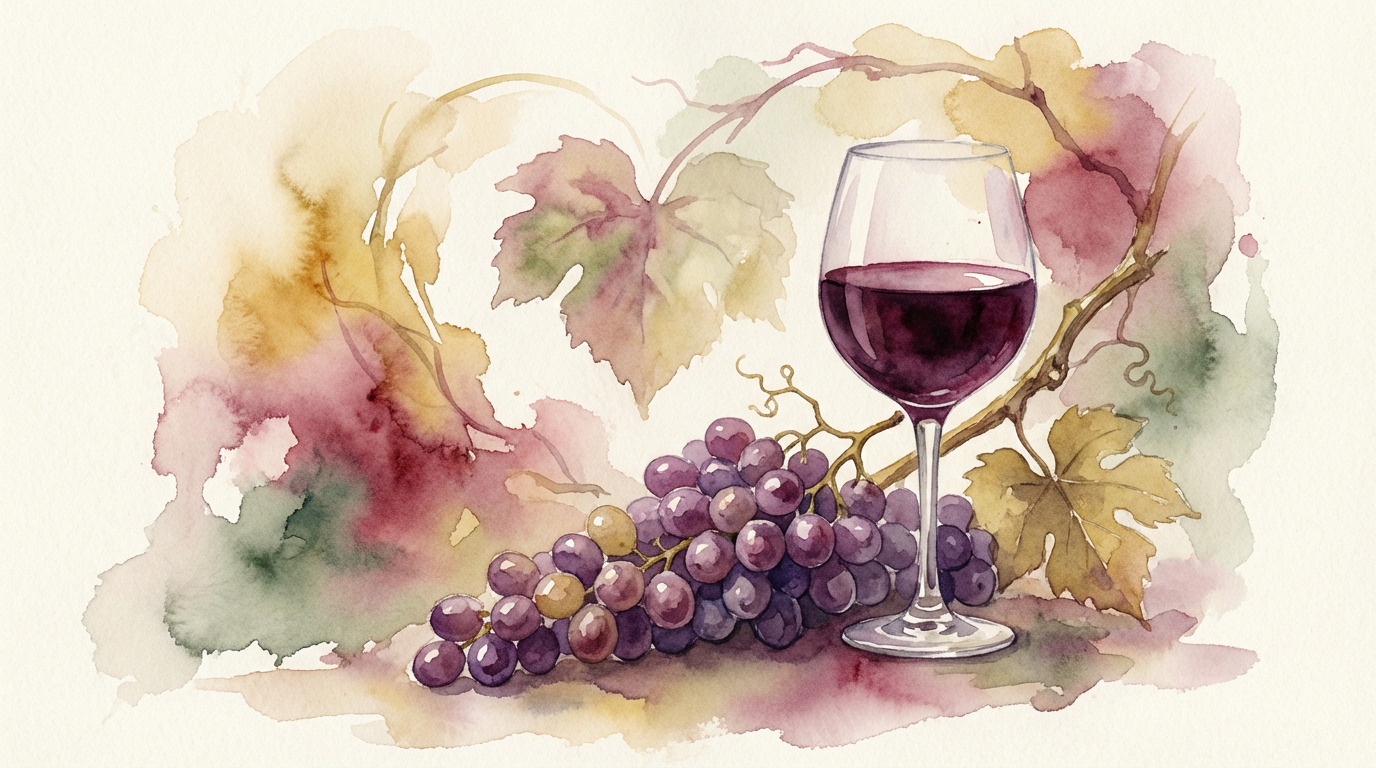
Red Wine, Resveratrol & Women's Heart Health: Separating Hype From Evidence
Generated article about Red Wine, Resveratrol & Women's Heart Health: Separating Hype From Evidence
Listen to this article
~17 min listen
Click play to generate audio narration with a calming voice
TL;DR Summary
- •Moderate red wine may offer some cardiovascular benefits due to resveratrol, but alcohol's risks often outweigh these. Many studies on resveratrol women heart health are observational or animal-based, requiring more human clinical trials.
- •Resveratrol is a potent antioxidant and anti-inflammatory compound found in grapes, berries, and nuts, offering potential benefits independent of alcohol.
- •Prioritize diverse, plant-based nutrition and healthy lifestyle choices over red wine benefits women for robust heart health, as these provide a safer and more effective path to well-being.
Introduction
Is a nightly glass of red wine truly a secret weapon for women's heart health, or is the perceived benefit largely a myth perpetuated by clever marketing and wishful thinking? The relationship between red wine benefits women, particularly concerning cardiovascular well-being, is complex, often debated, and frequently misunderstood. While some research points to the antioxidant power of compounds like resveratrol found in red wine, it's crucial for health-conscious women to critically evaluate the evidence, separating genuine scientific findings from popular hype, especially when considering the known risks of alcohol consumption. This article will delve into the science behind resveratrol women heart health, explore the nuances of moderate drinking research, and provide an evidence-based perspective on how women can truly support their cardiovascular system.
What is Resveratrol and Why is it in Red Wine?
Resveratrol is a natural polyphenol, a type of plant compound known for its antioxidant properties, predominantly found in the skin of red grapes, blueberries, raspberries, mulberries, peanuts, and dark chocolate. It's a phytoalexin, meaning it's produced by plants as a defense mechanism against pathogens like bacteria and fungi. Red wine, in particular, contains resveratrol because the fermentation process, which involves crushing grape skins, allows for a longer contact time between the skins and the juice, extracting more of this beneficial compound. White wine, on the other hand, involves less skin contact, resulting in significantly lower resveratrol levels. This powerful compound has garnered significant attention in the scientific community due to its potential role in mitigating oxidative stress and inflammation, two key contributors to various chronic diseases, including heart disease.
How Does Resveratrol Impact Women's Heart Health?
Resveratrol's impact on women's heart health is multifaceted and primarily attributed to its potent antioxidant and anti-inflammatory capabilities. In the context of resveratrol women heart studies, this compound has been shown to potentially improve endothelial function, which refers to the health of the inner lining of blood vessels. Healthy endothelium is crucial for proper blood flow and blood pressure regulation. Resveratrol may also help reduce LDL (bad) cholesterol oxidation, a critical step in the development of atherosclerosis, the hardening and narrowing of arteries. Furthermore, some research suggests it can inhibit platelet aggregation, thereby reducing the risk of blood clot formation. Its anti-inflammatory action helps to calm systemic inflammation, a known risk factor for cardiovascular disease. While these mechanisms are promising, many of these findings stem from in vitro (test tube) studies or animal models, and translating these effects directly to human health, especially in the context of red wine benefits women, requires careful consideration and more robust clinical trials.
Is Moderate Red Wine Consumption Truly Beneficial for Women's Hearts?
Moderate red wine consumption has been the subject of extensive moderate drinking research concerning cardiovascular health, often leading to the "French paradox" hypothesis – the observation that the French have a relatively low incidence of coronary heart disease despite a diet rich in saturated fats, a phenomenon sometimes attributed to their regular red wine intake. For women, moderate drinking is generally defined as up to one drink per day (a 5-ounce glass of wine). The proposed benefits are largely linked to the presence of polyphenols like resveratrol, which act as antioxidants and may improve cholesterol profiles, reduce blood clotting, and lower inflammation. However, it's vital to acknowledge that these observational studies cannot prove causation. Confounding factors, such as the overall healthy Mediterranean diet often associated with red wine consumption, or other lifestyle choices, could contribute significantly to the observed heart health benefits. Moreover, alcohol itself carries risks, and even moderate consumption can have adverse effects on other aspects of health, making it a nuanced discussion when considering red wine benefits women.
What Are the Risks of Alcohol Consumption for Women's Health?
Despite the potential for wine cardiovascular benefits, it is imperative to address the significant and well-documented risks associated with alcohol consumption, even at moderate levels, particularly for women. Women metabolize alcohol differently than men, generally having less body water and lower levels of alcohol dehydrogenase, an enzyme that breaks down alcohol. This means that women tend to reach higher blood alcohol concentrations than men after consuming the same amount of alcohol, making them more susceptible to its harmful effects. Risks include an increased likelihood of developing certain cancers, such as breast cancer, even with light to moderate drinking. Alcohol can also negatively impact liver health, brain function, and bone density over time. Furthermore, it can exacerbate mental health conditions like anxiety and depression and interfere with sleep quality. For women navigating hormonal changes throughout their life stages, alcohol can disrupt hormonal balance, potentially worsening symptoms of PMS, perimenopause, and menopause. Therefore, any perceived red wine benefits women must be weighed against these substantial and often underestimated health risks.
Can Resveratrol Supplements Offer a Safer Alternative?
Resveratrol supplements offer a compelling alternative for women seeking the potential health benefits of this polyphenol without the associated risks of alcohol consumption. These supplements typically contain concentrated doses of resveratrol, often derived from Japanese knotweed or red grape extracts. The advantage is clear: one can potentially gain the antioxidant, anti-inflammatory, and cardiovascular-protective properties of resveratrol without exposing the body to ethanol, which is a known carcinogen and liver toxin. Research on resveratrol women heart health using supplements is ongoing, with some studies showing promising results in areas like blood pressure regulation, lipid profile improvement, and arterial stiffness reduction. However, it's important to note that the bioavailability of resveratrol from supplements can vary, and optimal dosages are still being established. Consulting a healthcare provider before starting any new supplement regimen is always recommended to ensure safety and efficacy, especially for women with pre-existing conditions or those taking other medications. While supplements bypass the alcohol risk, they also lack the synergistic effects of other beneficial compounds found in whole foods or even red wine.
How Does Diet and Lifestyle Influence Women's Heart Health?
Diet and lifestyle are paramount determinants of women's heart health, far outweighing the singular focus on red wine benefits women. A heart-healthy diet, such as the Mediterranean diet, emphasizes whole, unprocessed foods: abundant fruits, vegetables, whole grains, lean proteins (especially fish rich in omega-3 fatty acids), nuts, and seeds. These foods naturally provide a diverse array of antioxidants, fiber, and healthy fats that collectively protect the cardiovascular system. Regular physical activity, aiming for at least 150 minutes of moderate-intensity exercise per week, strengthens the heart muscle, improves circulation, helps manage weight, and reduces blood pressure and cholesterol levels. Managing stress through practices like mindfulness, yoga, or meditation is also crucial, as chronic stress can elevate cortisol levels and contribute to inflammation and high blood pressure. Adequate sleep, typically 7-9 hours per night, supports overall bodily repair and regulates hormones vital for heart health. Avoiding smoking and limiting processed foods, excessive sugar, and unhealthy fats are equally important. These foundational lifestyle pillars provide a comprehensive and unequivocally beneficial approach to preventing heart disease, making the discussion around wine cardiovascular benefits secondary to these primary health drivers.
Benefits by Life Stage: Red Wine, Resveratrol & Women's Health
Understanding how red wine and resveratrol intersect with women's health across different life stages requires a nuanced perspective, acknowledging both potential benefits and definite risks, especially concerning alcohol.
Menstrual Health (periods, cramps, PMS)
For women experiencing menstrual health issues like periods, cramps, and PMS, the role of red wine is generally not beneficial. Alcohol, including red wine, can act as a diuretic, potentially worsening dehydration and making cramps more severe. It can also disrupt sleep patterns, which are often already compromised during PMS. While resveratrol itself has anti-inflammatory properties that might theoretically help with menstrual pain, consuming it through red wine introduces alcohol, which can exacerbate symptoms. Alcohol can also interfere with hormonal balance, potentially worsening mood swings and other PMS symptoms. Therefore, for menstrual health, focusing on anti-inflammatory foods, adequate hydration, stress management, and exercise is a far more effective and safer strategy than relying on red wine benefits women.
Fertility Journey (TTC, ovulation, conception)
During the fertility journey, including trying to conceive (TTC), ovulation, and conception, any alcohol consumption, including red wine, is generally discouraged. Moderate drinking research consistently shows that even low to moderate alcohol intake can negatively impact fertility in women. Alcohol can disrupt hormonal balance, interfere with ovulation, and reduce the chances of successful conception. For men, it can affect sperm quality. The risks associated with alcohol during this sensitive period far outweigh any theoretical wine cardiovascular benefits. Resveratrol, independent of alcohol, has been studied for its potential role in improving ovarian health and egg quality due to its antioxidant properties, but this research is still largely preclinical. If considering resveratrol for fertility, supplements under medical guidance would be the safer route, completely avoiding red wine.
Pregnancy (trimesters, prenatal care)
During pregnancy, across all trimesters, there is no safe amount of alcohol consumption, including red wine. Alcohol crosses the placenta and can cause Fetal Alcohol Spectrum Disorders (FASDs), leading to severe and lifelong developmental and health problems for the baby. This is a non-negotiable health recommendation. Any perceived red wine benefits women are completely nullified by the profound risks to the developing fetus. Prenatal care unequivocally advises against all alcohol. If a woman is seeking the antioxidant benefits of resveratrol during pregnancy, she should focus on resveratrol-rich whole foods like blueberries and grapes, or discuss specific, physician-approved supplements, though general supplement use in pregnancy should always be cleared by an OB/GYN.
Menopause (perimenopause, hormonal changes)
Menopause and perimenopause bring significant hormonal changes that can impact cardiovascular health, as estrogen levels decline. There's a common misconception that red wine might help mitigate these changes. While some moderate drinking research has explored alcohol's effects during menopause, the overall consensus is that alcohol consumption, even in moderation, can worsen menopausal symptoms like hot flashes, night sweats, and sleep disturbances. It can also contribute to bone density loss, a concern for postmenopausal women. While resveratrol's antioxidant properties are intriguing for long-term cardiovascular protection, especially post-menopause when heart disease risk increases, obtaining it from red wine is problematic. The risks of alcohol, including increased breast cancer risk, are particularly relevant for postmenopausal women. Instead, focusing on a heart-healthy diet rich in phytoestrogens, regular exercise, and stress management are far more effective and safer strategies for managing menopausal symptoms and supporting resveratrol women heart health during this life stage.
Key Takeaways
- •Resveratrol is a potent antioxidant found in red wine, grapes, and other plants, offering potential cardiovascular benefits like reduced oxidative stress and inflammation.
- •Red wine's benefits are often exaggerated and are primarily due to resveratrol and other polyphenols, not the alcohol itself.
- •Moderate alcohol consumption (up to one drink per day for women) carries inherent health risks, including increased breast cancer risk and negative impacts on liver and brain health.
- •Resveratrol supplements may offer a safer way to obtain resveratrol's benefits, bypassing alcohol's risks, but their efficacy and optimal dosage require more research.
- •Overall diet and lifestyle (plant-rich diet, exercise, stress management, no smoking) are the most powerful and safest determinants of women's heart health.
- •Alcohol is contraindicated during pregnancy, and generally discouraged during fertility journeys and for managing menstrual or menopausal symptoms due to potential negative impacts.
- •Prioritize whole food sources of antioxidants over alcohol for long-term health and well-being.
Frequently Asked Questions
Q: Can red wine really protect my heart as a woman?
Red wine may offer some heart-protective benefits due to its resveratrol content, but these are often modest and are outweighed by the well-documented risks of alcohol consumption, such as increased breast cancer risk and liver damage. It's generally not recommended as a primary strategy for heart health.
Q: What is the recommended moderate drinking limit for women?
The U.S. Dietary Guidelines define moderate drinking for women as up to one alcoholic drink per day. A standard drink is typically 5 ounces of wine, 12 ounces of beer, or 1.5 ounces of distilled spirits. Exceeding this limit increases health risks significantly.
Q: Are resveratrol supplements as effective as red wine for heart health?
Resveratrol supplements can provide concentrated doses of resveratrol without the alcohol, potentially offering similar antioxidant and anti-inflammatory benefits. However, research on the optimal dosage and long-term efficacy of supplements compared to dietary sources is still ongoing, and they lack the full spectrum of beneficial compounds found in whole grapes or other foods.
Q: What are safer ways for women to boost heart health without red wine?
Safest and most effective ways include adopting a Mediterranean-style diet rich in fruits, vegetables, whole grains, and healthy fats; engaging in regular physical activity; maintaining a healthy weight; managing stress; getting adequate sleep; and avoiding smoking. These lifestyle choices offer comprehensive heart protection without alcohol's risks.
Q: Does red wine impact breast cancer risk in women?
Yes, even moderate alcohol consumption, including red wine, has been consistently linked to an increased risk of breast cancer in women. This risk should be a significant consideration when evaluating the perceived red wine benefits women might gain for heart health.
Q: Are there other foods rich in resveratrol besides red wine?
Absolutely. Many fruits and vegetables contain resveratrol, including the skins of red grapes, blueberries, cranberries, raspberries, mulberries, peanuts, and dark chocolate. These food sources provide resveratrol along with other beneficial nutrients and fiber, without the negative effects of alcohol.
Q: How does menopausal status affect the relationship between red wine and heart health?
During menopause, women's risk of heart disease increases due to declining estrogen levels. While some might consider red wine for wine cardiovascular benefits, alcohol can worsen menopausal symptoms like hot flashes and sleep disturbances, and its risks, particularly increased breast cancer risk, remain significant. A comprehensive heart-healthy lifestyle is more crucial than ever during this stage.
Start Your Wellness Journey Today
Ready to track your cycle, fertility, pregnancy, or menopause journey? Download PERIODiQ - your iQ-powered wellness companion designed for every stage of your health journey.
Get PERIODiQ Free: https://periodiq.app
Your Wellness Journey Starts Here
Download PERIODiQ
Scan the QR code or tap the link to get started with your personalized health tracking.
periodiq.app • iOS & Android
Cite this article
PERIODiQ Editorial Team (2026). "Red Wine, Resveratrol & Women's Heart Health: Separating Hype From Evidence." PERIODiQ. https://periodiq.app/library/red-wine-resveratrol-womens-heart-health-separating-hype-from-evidence
"Red Wine, Resveratrol & Women's Heart Health: Separating Hype From Evidence." PERIODiQ, 2026, https://periodiq.app/library/red-wine-resveratrol-womens-heart-health-separating-hype-from-evidence.
Send this to a friend — PERIODiQ is free for them too. No card. No paywall.
Loved this? Save articles, track your cycle, and unlock meditations — free forever.
Disclaimer: PERIODiQ™ offers general wellness information only. It does not provide medical advice, diagnosis, or treatment. Always speak with a licensed health professional about your health.