
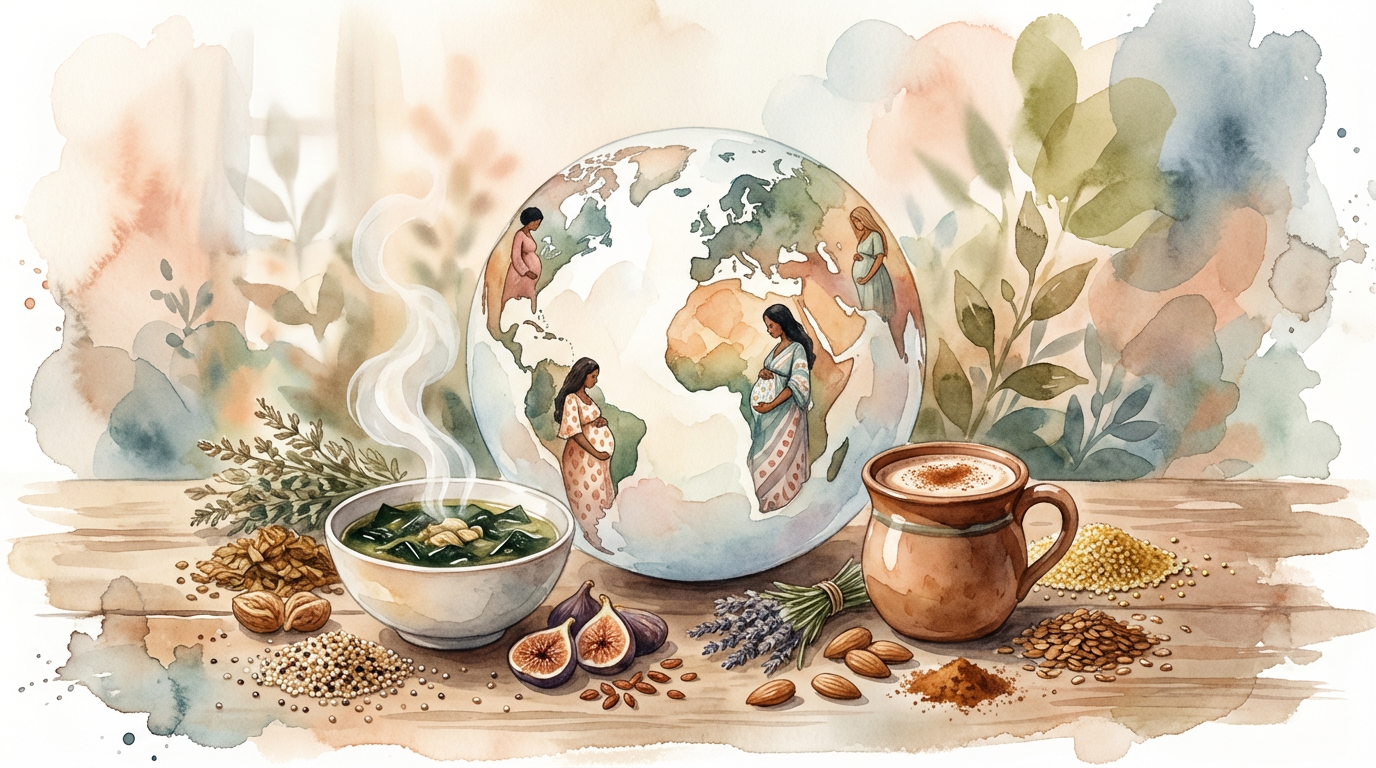
Pregnancy Nutrition Across Cultures: From Korean Miyeokguk to Mexican Atole
Pregnancy nutrition varies significantly across cultures, reflecting diverse traditional wisdom and locally available ingredients. Expectant mothers globally incorporate specific cultural pregnancy foods, like Korean miyeokguk and Mexican atole, to support maternal health, fetal development, and postpartum recovery, often emphasizing nutrient-dense ingredients passed down through generations.
Listen to this article
~24 min listen
Click play to generate audio narration with a calming voice
TL;DR Summary
- •Global Diversity in Pregnancy Diets: Expectant mothers worldwide embrace unique cultural pregnancy foods, drawing on centuries of traditional wisdom and local resources to support maternal and fetal health.
- •Nutrient-Dense Traditions: Many traditional pregnancy foods, such as Korean miyeokguk (seaweed soup) and Mexican atole, are rich in essential vitamins, minerals, and energy-boosting nutrients vital for a healthy pregnancy and postpartum recovery.
- •Empathy and Integration: Understanding and respecting diverse nutritional practices can enrich prenatal care, offering valuable insights into holistic well-being while ensuring expectant mothers feel supported in their cultural food choices.
Nourishing New Life: Pregnancy Nutrition Across Cultures
Pregnancy nutrition is a universal concern, yet its expression is wonderfully diverse, shaped by centuries of cultural wisdom, geographical availability, and traditional beliefs about maternal and fetal well-being. Expectant mothers globally turn to specific cultural pregnancy foods, such as the restorative Korean miyeokguk and the comforting Mexican atole, not just for sustenance but as integral components of their prenatal and postpartum care. These practices highlight a profound understanding of the body's needs during this transformative period, often emphasizing nutrient-dense ingredients that support growth, healing, and energy. This article delves into the rich tapestry of global pregnancy nutrition, exploring how different cultures nourish mothers-to-be and new mothers, offering insights into their wisdom, and providing actionable advice for multicultural expectant mothers.
Why is Cultural Pregnancy Nutrition Important?
Cultural pregnancy nutrition is important because it provides a holistic approach to maternal and fetal health, integrating traditional knowledge, social support, and specific dietary practices that have evolved over generations to meet the unique physiological demands of pregnancy and postpartum recovery. These dietary patterns are often deeply intertwined with cultural identity, offering comfort, continuity, and a sense of belonging to expectant mothers. Beyond mere sustenance, these foods frequently carry symbolic meaning, believed to promote good fortune, easy delivery, or abundant milk production. For example, the emphasis on warming foods in many Asian cultures aims to restore qi (life force) and balance the body after the perceived 'coldness' of childbirth.
From a nutritional standpoint, many traditional cultural pregnancy foods are inherently rich in vital nutrients. They often incorporate local, seasonal ingredients, ensuring a fresh and diverse intake of vitamins, minerals, protein, and healthy fats. Understanding these practices allows healthcare providers to offer more culturally sensitive and effective care, respecting individual beliefs while also ensuring nutritional adequacy. Ignoring cultural food preferences can lead to non-compliance with dietary advice, stress, and a feeling of alienation for the expectant mother. By embracing and understanding these diverse nutritional landscapes, we can better support the physical and emotional well-being of multicultural expectant mothers.
What are Key Nutritional Needs During Pregnancy?
Key nutritional needs during pregnancy are significantly elevated to support the rapid growth and development of the fetus, the expansion of maternal tissues, and the physiological changes occurring in the mother's body. Expectant mothers require increased intake of macronutrients (carbohydrates, proteins, fats) for energy and building blocks, as well as a heightened demand for specific micronutrients. These include:
- •Folate (Folic Acid): Crucial for preventing neural tube defects. Found in leafy greens, legumes, and fortified grains.
- •Iron: Essential for increasing blood volume and preventing iron-deficiency anemia, which can lead to fatigue and premature birth. Red meat, poultry, fish, beans, and fortified cereals are good sources.
- •Calcium: Vital for fetal bone and teeth development, and to maintain maternal bone health. Dairy products, fortified plant milks, and dark leafy greens are excellent sources.
- •Vitamin D: Works with calcium for bone health and supports immune function. Sunlight exposure, fatty fish, and fortified foods are key.
- •Choline: Important for fetal brain development and neural tube formation. Eggs, meat, fish, and legumes provide choline.
- •Omega-3 Fatty Acids (DHA): Essential for fetal brain and eye development. Found in fatty fish (salmon, sardines), flaxseed, and walnuts.
- •Iodine: Critical for fetal brain development and thyroid function. Iodized salt, seafood, and dairy are good sources.
- •Protein: Needed for fetal tissue growth and maternal tissue repair. Lean meats, poultry, fish, eggs, dairy, legumes, and nuts are rich in protein.
These increased demands necessitate a well-balanced diet, and often, prenatal supplements to bridge any nutritional gaps. Cultural pregnancy foods often naturally address many of these needs through their traditional compositions.
How Do Korean Pregnancy and Postpartum Traditions Emphasize Nutrition?
Korean pregnancy and postpartum traditions place immense emphasis on nutrition, particularly through the consumption of specific warming and restorative foods designed to support the mother's recovery and milk production, with miyeokguk (seaweed soup) being the quintessential example. This Korean postpartum soup is foundational to the postpartum diet, often consumed for weeks or even months after childbirth. Its significance stems from both nutritional and symbolic value.
The Power of Korean Miyeokguk (Seaweed Soup)
Miyeokguk, made primarily from miyeok (seaweed, specifically Undaria pinnatifida or wakame), beef or seafood, and garlic, is a nutritional powerhouse. Seaweed is an exceptional source of:
- •Iodine: Crucial for thyroid hormone production, which regulates metabolism and energy, and vital for the baby's brain development, especially if breastfeeding.
- •Calcium: Essential for bone health, helping to replenish stores depleted during pregnancy and supporting milk production.
- •Iron: Addresses postpartum anemia, a common issue due to blood loss during delivery, combating fatigue and promoting recovery.
- •Fiber: Aids digestion and prevents constipation, a common postpartum complaint.
- •Vitamins and Minerals: Contains various B vitamins, Vitamin K, and trace minerals that support overall health and energy.
Traditionally, the beef or seafood (often anchovies or clams) in miyeokguk adds high-quality protein and additional iron. The soup is believed to cleanse the blood, contract the uterus, and promote lactation. It's often prepared by family members, symbolizing care and support for the new mother. This tradition is not merely about food; it's a ritual that underscores the importance of the mother's recovery and well-being, reflecting a deep-seated cultural understanding of postpartum needs.
Beyond miyeokguk, Korean postpartum diets often include other warming foods like rice, various kimchi (fermented vegetables), and other nourishing soups and stews, all aimed at restoring body heat, promoting healing, and ensuring a steady supply of nutrients for both mother and baby.
What Role Does Mexican Pregnancy Nutrition Play in Maternal Health?
Mexican pregnancy nutrition plays a vital role in maternal health by incorporating a rich array of traditional ingredients known for their nutritional density and comforting properties, often centered around staples like corn, beans, and fresh produce, with atole being a notable example. Mexican pregnancy nutrition emphasizes a balanced intake of carbohydrates, proteins, and essential micronutrients, deeply rooted in pre-Hispanic culinary traditions.
The Comfort and Nutrition of Mexican Atole
Atole is a warm, thick beverage made from masa (corn dough), water or milk, piloncillo (unrefined whole cane sugar), cinnamon, and sometimes fruit or chocolate. It's a cherished staple in Mexican culture, often consumed for breakfast or as a comforting drink, and holds particular significance during pregnancy and postpartum due to its nourishing qualities:
- •Energy Boost: The corn masa provides complex carbohydrates, offering sustained energy crucial for expectant and new mothers battling fatigue.
- •Calcium and Protein: When made with milk, atole becomes an excellent source of calcium for fetal bone development and maternal bone health, as well as protein for tissue repair and growth.
- •Hydration: As a liquid, it contributes to overall hydration, which is essential during pregnancy and for milk production postpartum.
- •Folate: Corn, the primary ingredient, contains some natural folate, which is vital for preventing neural tube defects.
- •Digestibility: Its smooth, warm texture makes it easy to digest, which can be particularly beneficial for mothers experiencing morning sickness or postpartum digestive discomfort.
Beyond atole, traditional Mexican pregnancy diets often include a diverse range of nutrient-dense foods:
- •Beans (Frijoles): A cornerstone of Mexican cuisine, beans are rich in protein, fiber, iron, and folate, all critical for pregnancy.
- •Corn (Maíz): In various forms like tortillas and tamales, corn provides complex carbohydrates and energy.
- •Fruits and Vegetables: A wide variety of fresh produce, such as avocados (healthy fats, folate), oranges (Vitamin C), and various leafy greens, supply essential vitamins and antioxidants.
- •Chiles: While some might be cautious, many chiles contain Vitamin C and antioxidants, often consumed in moderation.
These foods collectively contribute to a robust nutritional profile, supporting both the mother's health and the baby's development, while also offering a sense of cultural connection and comfort.
How Do Other Cultures Approach Pregnancy Nutrition?
Other cultures worldwide approach pregnancy nutrition with unique and equally profound wisdom, often focusing on specific foods, preparation methods, and beliefs that support maternal well-being and fetal development. These diverse practices underscore the universal goal of nourishing new life while adapting to local resources and traditional knowledge.
Indian Subcontinent: Ghee, Lentils, and Spices
In the Indian subcontinent, pregnancy diets often emphasize warming foods and nutrient-dense ingredients. Ghee (clarified butter) is highly valued for its healthy fats and energy content, believed to lubricate the birth canal and aid digestion. Lentils (daal) are a staple, providing essential protein, iron, and folate. Turmeric, ginger, and other spices are incorporated not just for flavor but for their anti-inflammatory and digestive properties. Fresh fruits, vegetables, and whole grains are central to a balanced diet, often prepared in comforting, easily digestible forms.
West Africa: Fonio, Groundnuts, and Leafy Greens
Across West Africa, traditional pregnancy diets often feature nutrient-rich grains like fonio (a highly nutritious ancient grain rich in amino acids and iron), alongside groundnuts (peanuts) for protein and healthy fats. Dark leafy greens, such as spinach and bitter leaf, are consumed for their high iron, folate, and vitamin content. Soups and stews made with various vegetables, fish, and sometimes lean meats are common, providing a comprehensive nutrient profile. Fermented foods are also integral, supporting gut health.
Mediterranean Region: Olive Oil, Fish, and Legumes
The Mediterranean diet, renowned for its health benefits, naturally extends to pregnancy. It emphasizes extra virgin olive oil (healthy fats), abundant fresh fruits and vegetables, whole grains, and legumes (protein, fiber, folate). Fish, particularly fatty fish like sardines, provides crucial Omega-3 fatty acids for fetal brain and eye development. Dairy products, nuts, and seeds round out a diet rich in antioxidants, vitamins, and minerals, promoting cardiovascular health for both mother and baby.
Southeast Asia: Herbal Soups and Steamed Dishes
In many Southeast Asian cultures, especially during postpartum, herbal soups and steamed dishes are paramount. For instance, in Vietnam, thịt kho trứng (pork and egg stew) is a nourishing postpartum dish, and various herbal teas are used to restore energy and promote milk flow. Ginger, turmeric, and lemongrass are common ingredients, valued for their warming and healing properties. Rice is a staple, providing energy, and a variety of lean proteins and vegetables ensure a balanced intake.
Indigenous Cultures: Wild Game, Berries, and Traditional Plants
Indigenous cultures worldwide often rely on traditional foods gathered from their ancestral lands, which are inherently nutrient-dense. For example, in some North American Indigenous communities, wild game (lean protein, iron), berries (antioxidants, vitamins), and traditional plant foods (fiber, micronutrients) form the backbone of a pregnancy diet. These foods are not only nutritionally superior to many processed alternatives but also carry deep cultural significance, connecting mothers to their heritage and land.
These examples illustrate that while the specific ingredients differ, the underlying principles of nourishing new life with whole, unprocessed, and nutrient-rich foods are remarkably consistent across diverse cultures.
Can Traditional Pregnancy Foods Be Integrated into Modern Diets?
Yes, traditional pregnancy foods can absolutely be integrated into modern diets, offering a wealth of nutritional benefits and cultural richness to expectant mothers. Many traditional practices align well with contemporary dietary recommendations for pregnancy, emphasizing whole foods, diverse nutrients, and balanced meals. The key lies in mindful adaptation and understanding the core nutritional contributions of these foods.
Practical Integration Strategies:
- •Identify Nutrient-Dense Staples: Focus on foods like Korean miyeokguk (seaweed for iodine, iron), Mexican atole (corn for complex carbs, milk for calcium), Indian lentils (protein, iron, folate), or Mediterranean fatty fish (Omega-3s). These can easily replace or supplement less nutritious options.
- •Modernize Preparation Methods: While maintaining traditional flavors, consider lighter cooking methods (steaming, baking instead of deep-frying) or reducing added sugars/sodium if traditional recipes are very high in these. For example, atole can be made with less piloncillo or with fortified plant-based milks.
- •Balance with Current Dietary Guidelines: Ensure that incorporating traditional foods does not lead to an overconsumption of certain nutrients or a deficiency in others. A diverse diet that includes a variety of fruits, vegetables, whole grains, lean proteins, and healthy fats remains paramount.
- •Embrace Cultural Exchange: For multicultural families, integrating foods from both partners' backgrounds can create a rich and inclusive dietary experience. This can also be a wonderful way to introduce cultural heritage to the baby even before birth.
- •Consult Healthcare Providers and Nutritionists: Discussing cultural food practices with a prenatal care provider or a registered dietitian can help ensure that dietary choices are both culturally affirming and nutritionally sound. They can offer guidance on portion sizes, potential food safety concerns, and supplement needs.
- •Focus on Comfort and Connection: Beyond nutrition, traditional foods often provide psychological comfort and a sense of connection to heritage. These emotional benefits are invaluable during pregnancy and postpartum.
By thoughtfully incorporating these time-honored practices, expectant mothers can enjoy the benefits of diverse culinary traditions, enriching their pregnancy journey both nutritionally and culturally.
Benefits for Pregnancy (Trimesters, Prenatal Care)
Pregnancy nutrition is critical throughout all trimesters and forms a cornerstone of comprehensive prenatal care, directly impacting both maternal health and fetal development. Each trimester has specific nutritional highlights, and cultural foods often naturally cater to these evolving needs.
First Trimester: Foundation and Nausea Management
During the first trimester, the focus is on establishing a strong foundation for fetal development, particularly neural tube formation. This is when the demand for folate is highest. Many cultural diets, rich in leafy greens, legumes, and whole grains, naturally provide this. For example, the beans in Mexican cuisine or the various vegetables in Korean dishes contribute significantly. Managing morning sickness is also key; bland, easily digestible foods like plain rice (common in Asian diets), or the soothing nature of atole, can be beneficial. Ginger, a common ingredient in many Asian and Indian cuisines, is recognized for its anti-nausea properties.
Second Trimester: Growth and Energy Demands
The second trimester sees rapid fetal growth and an increase in maternal blood volume, leading to higher demands for iron, calcium, and protein. Cultural foods rich in these nutrients become even more vital. Korean miyeokguk with beef or seafood provides excellent iron and protein. Mexican frijoles (beans) offer plant-based iron and protein. Dairy products, common in many European and Indian diets, contribute calcium. Omega-3 fatty acids, found in fish (like in Mediterranean diets) or certain plant sources (flaxseed, walnuts, common in varied global diets), are crucial for fetal brain and eye development during this period.
Third Trimester: Final Development and Energy Stores
In the third trimester, the fetus gains significant weight, and the mother's body prepares for labor and delivery, requiring sustained energy and continued nutrient supply. Iron needs remain high to prevent anemia and prepare for potential blood loss during birth. Protein is essential for continued fetal tissue development and maternal muscle strength. Complex carbohydrates, abundant in staple foods like rice (Asia), corn (Latin America), or whole grains (Europe, Africa), provide the necessary energy. Cultural foods that are easy to digest and provide sustained energy, like hearty soups and stews, are often favored.
Prenatal Care and Cultural Sensitivity
Integrating cultural pregnancy foods into prenatal care is crucial for holistic support. Healthcare providers who understand and respect these traditions can better guide expectant mothers, ensuring they receive adequate nutrition while honoring their heritage. This approach builds trust, reduces stress, and empowers mothers to make informed choices that align with their cultural values, leading to better adherence to dietary recommendations and improved health outcomes for both mother and baby. Education on safe food preparation and the importance of variety within cultural frameworks can further enhance prenatal care.
Key Takeaways
- •Pregnancy nutrition is profoundly influenced by cultural traditions, offering diverse approaches to maternal and fetal well-being.
- •Traditional cultural pregnancy foods, like Korean miyeokguk and Mexican atole, are often inherently nutrient-dense, providing essential vitamins, minerals, and energy.
- •Korean postpartum diets heavily feature miyeokguk (seaweed soup) for its iodine, iron, and calcium, supporting recovery and lactation.
- •Mexican pregnancy nutrition emphasizes staples like corn, beans, and atole for sustained energy, protein, and calcium.
- •Other global cultures utilize diverse ingredients such as ghee, lentils, fonio, olive oil, fish, and traditional herbs to meet specific pregnancy needs.
- •These traditional foods can be successfully integrated into modern diets, enriching nutrition and cultural connection, especially with mindful adaptation and professional guidance.
- •Culturally sensitive prenatal care acknowledges and supports these dietary practices, leading to better health outcomes for multicultural expectant mothers.
Frequently Asked Questions
Q: What are cultural pregnancy foods?
Cultural pregnancy foods are traditional dishes and dietary practices passed down through generations within specific communities, designed to nourish expectant mothers and support fetal development, often with beliefs about promoting health, easy delivery, or abundant milk production. These foods are deeply intertwined with cultural identity and local resources.
Q: Is Korean miyeokguk only for postpartum?
While miyeokguk (seaweed soup) is most famously associated with postpartum recovery in Korea, it is also consumed during pregnancy, though perhaps less frequently or with different variations. During pregnancy, it provides iodine, iron, and calcium, which are vital nutrients. Its primary role, however, is in the postpartum period to aid recovery, blood replenishment, and lactation.
Q: Can I eat Mexican atole if I have gestational diabetes?
If you have gestational diabetes, you can potentially consume Mexican atole, but it's crucial to do so with careful monitoring and possibly modifications. Traditional atole can be high in carbohydrates and sugars. Opt for versions made with less added sugar or with sugar substitutes, and consider using whole grain masa if available. Always consult with your healthcare provider or a registered dietitian for personalized dietary advice regarding gestational diabetes.
Q: How do cultural foods address common pregnancy discomforts?
Many cultural foods address common pregnancy discomforts through their inherent properties. For example, bland, easily digestible foods like plain rice or atole can help with morning sickness. Fiber-rich foods like beans and whole grains (common in many global diets) aid in preventing constipation. Warming soups and broths, prevalent in many Asian and European traditions, can offer comfort and hydration.
Q: Should I avoid any traditional cultural foods during pregnancy?
While most traditional cultural foods are safe and beneficial, it's wise to exercise caution with certain items. Avoid raw or undercooked meats, fish, or eggs, as they pose a risk of foodborne illness. Limit high-mercury fish. Be mindful of excessive consumption of certain traditional herbs that may have medicinal properties and could interact with pregnancy. Always consult your healthcare provider about any specific traditional foods or herbal remedies you plan to consume during pregnancy to ensure they are safe for you and your baby.
Q: How can I ensure my cultural diet is nutritionally complete during pregnancy?
To ensure your cultural diet is nutritionally complete during pregnancy, focus on variety within your cultural food choices. Include a wide range of fruits, vegetables, whole grains, lean proteins, and healthy fats. Pay attention to common pregnancy nutrients like iron, folate, calcium, and Omega-3s, and identify which of your traditional foods provide these. If you have concerns, consult with a registered dietitian who is culturally sensitive and can help you create a balanced meal plan that honors your traditions while meeting all your pregnancy nutritional needs.
Q: What are some examples of cultural pregnancy foods from other regions?
Beyond Korean miyeokguk and Mexican atole, other examples include: Sheng Hua Tang (Chinese herbal soup for postpartum), Indian laddoos (sweet, nutrient-dense balls often with ghee, nuts, and seeds), West African fufu with vegetable soup (complex carbs, vitamins), and Mediterranean diets emphasizing olive oil, fish, and legumes. Each region offers unique, nutrient-rich traditions tailored to pregnancy and postpartum.
Start Your Wellness Journey Today
Ready to track your cycle, fertility, pregnancy, or menopause journey? Download PERIODiQ - your iQ-powered wellness companion designed for every stage of your health journey.
Get PERIODiQ Free: https://periodiq.app
Your Wellness Journey Starts Here
Download PERIODiQ
Scan the QR code or tap the link to get started with your personalized health tracking.
periodiq.app • iOS & Android
Cite this article
PERIODiQ Editorial Team (2026). "Pregnancy Nutrition Across Cultures: From Korean Miyeokguk to Mexican Atole." PERIODiQ. https://periodiq.app/library/pregnancy-nutrition-across-cultures-from-korean-miyeokguk-to-mexican-atole
"Pregnancy Nutrition Across Cultures: From Korean Miyeokguk to Mexican Atole." PERIODiQ, 2026, https://periodiq.app/library/pregnancy-nutrition-across-cultures-from-korean-miyeokguk-to-mexican-atole.
Send this to a friend — PERIODiQ is free for them too. No card. No paywall.
Loved this? Save articles, track your cycle, and unlock meditations — free forever.
Disclaimer: PERIODiQ™ offers general wellness information only. It does not provide medical advice, diagnosis, or treatment. Always speak with a licensed health professional about your health.