
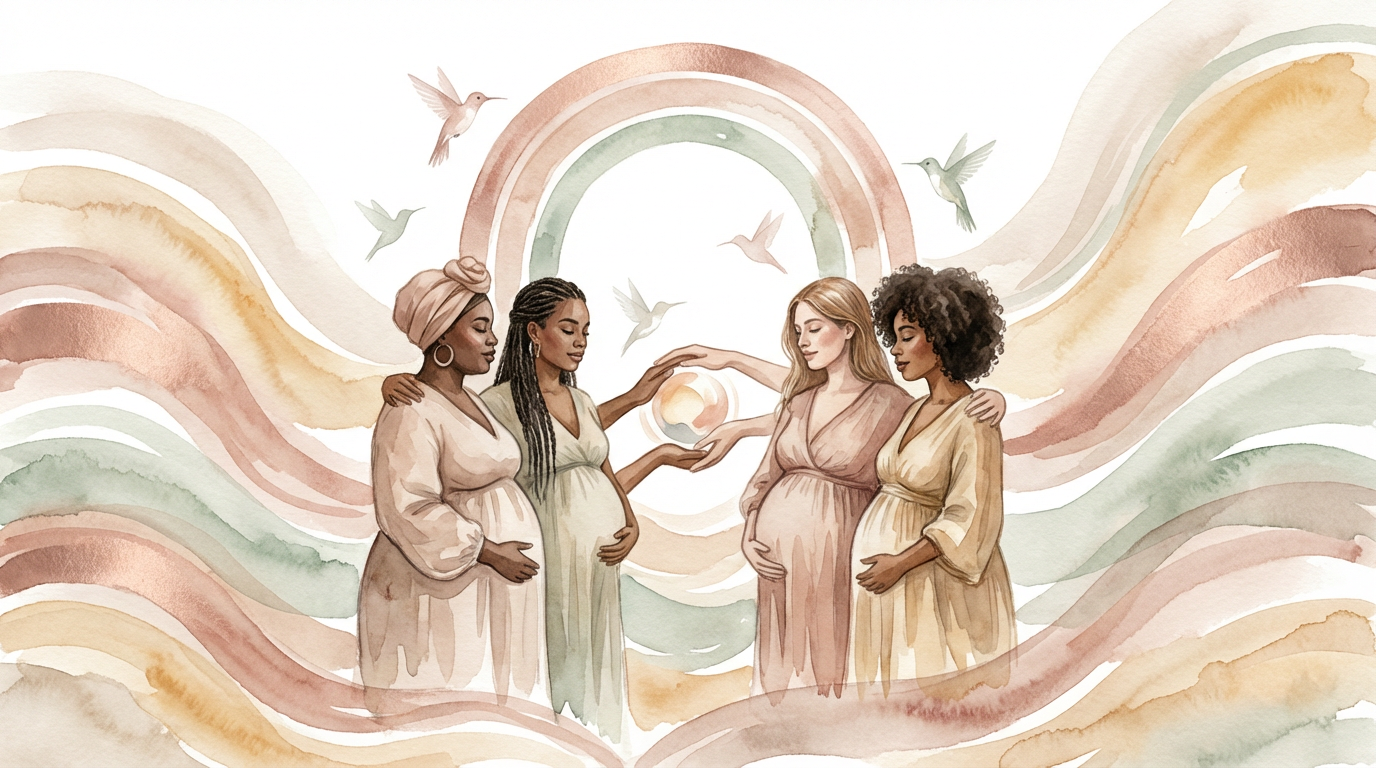
Pregnancy After Loss: Navigating Fear & Hope for Your Rainbow Baby
Navigating pregnancy after a previous loss is a complex journey, often characterized by a profound mix of fear, anxiety, and renewed hope. This guide provides empathetic, evidence-based strategies for managing emotional challenges, finding support, and embracing the unique experience of a rainbow baby.
Listen to this article
~13 min listen
Click play to generate audio narration with a calming voice
TL;DR Summary
- •Pregnancy after miscarriage or an earlier loss is a unique journey marked by heightened anxiety and a desire for hope.
- •It's crucial to acknowledge and validate your feelings, seeking support from partners, healthcare providers, and support groups.
- •Developing coping mechanisms and setting realistic expectations can help navigate the emotional complexities of a PAL pregnancy.
Pregnancy After Loss: Navigating Fear and Hope for Your Rainbow Baby
Pregnancy after a previous loss, often referred to as a PAL pregnancy, is a profoundly unique and emotionally charged experience. It's a journey where the joy of a new pregnancy is frequently intertwined with the lingering shadows of past grief, anxiety, and fear. For women balancing careers, fertility planning, and family life, navigating this delicate path requires immense resilience, self-compassion, and a robust support system. This article aims to provide comprehensive, evidence-based guidance to help you embrace hope while acknowledging and managing the inevitable fears that can arise when expecting your rainbow baby.
What Exactly is a "Rainbow Baby" and Why is This Journey So Different?
A "rainbow baby" is a term used to describe a baby born after a miscarriage, stillbirth, neonatal death, or infant loss. The metaphor signifies that a rainbow appears after a storm, symbolizing hope and light after a period of profound sorrow. While every pregnancy comes with its own anxieties, a PAL pregnancy is distinctly different because the expectant parents have already experienced the devastating loss of a previous child. This prior experience can lead to a heightened sense of vulnerability, a constant fear of history repeating itself, and a struggle to fully embrace the joy of the current pregnancy.
According to research published in Obstetrics & Gynecology, women experiencing pregnancy after a prior loss often report higher levels of anxiety, depression, and post-traumatic stress symptoms compared to women with no prior loss history (Krogh et al., 2017). This isn't just about general worry; it's about a deep-seated fear rooted in a real, painful past event. Understanding this distinction is the first step toward validating your feelings and seeking appropriate support.
How Can I Acknowledge and Validate My Feelings During a PAL Pregnancy?
One of the most critical steps in navigating a PAL pregnancy is to acknowledge and validate the complex array of emotions you are experiencing. It's perfectly normal to feel a mix of joy, fear, excitement, guilt, anxiety, and even detachment. These feelings are not contradictory; they are a natural response to your unique situation. Trying to suppress or ignore difficult emotions can often lead to increased stress and anxiety.
- •Allow yourself to grieve: Even while pregnant, you may still be grieving your previous loss. This grief doesn't diminish your love for your current baby; it simply means you're carrying both your past and your present. Recognize that grief is not linear, and it can resurface during significant milestones like ultrasounds or due dates.
- •Avoid comparing your experience: Your journey is unique. Do not compare your feelings or experiences to those of friends or family who have not experienced loss. Their pregnancies may seem joyful and carefree, but that doesn't invalidate the complex emotions you are feeling.
- •Journaling: Writing down your thoughts and feelings can be a powerful therapeutic tool. It allows you to process emotions, identify triggers for anxiety, and track your emotional progress. Consider writing letters to your previous baby, your current baby, or even just free-form thoughts.
- •Mindfulness and Meditation: Practices like mindfulness can help you stay present and manage anxious thoughts. Apps and guided meditations specifically designed for pregnancy can be beneficial. Focusing on your breath can ground you when fear feels overwhelming.
What Strategies Can Help Manage Anxiety and Fear During This Time?
Managing anxiety and fear is paramount for your well-being and, by extension, your baby's. While some anxiety is normal, persistent, overwhelming fear can impact your quality of life. Here are several actionable strategies:
- •Open Communication with Your Partner: Your partner is likely experiencing their own set of fears and hopes. Sharing your feelings openly can strengthen your bond and allow you both to support each other. Discuss triggers for anxiety, ways to cope, and how you can celebrate milestones together.
- •Seek Professional Support: Don't hesitate to reach out to a therapist or counselor specializing in perinatal loss or perinatal mood and anxiety disorders. Cognitive Behavioral Therapy (CBT) and Eye Movement Desensitization and Reprocessing (EMDR) can be highly effective in processing trauma and managing anxiety. A study in the Journal of Psychosomatic Obstetrics & Gynecology highlighted the benefits of psychological interventions for women with a history of recurrent miscarriage (Li et al., 2016).
- •Find a Support Group: Connecting with others who understand your specific challenges can be incredibly validating. Online forums, local support groups, or even social media communities dedicated to PAL pregnancy can provide a safe space to share experiences, fears, and triumphs.
- •Educate Yourself, But Don't Obsess: Understanding the medical aspects of your current pregnancy can be empowering. Ask your healthcare provider questions, but avoid excessive self-diagnosis via unreliable internet sources, which can exacerbate anxiety. Focus on reliable information.
- •Set Small, Achievable Milestones: Instead of focusing on the entire nine months, break down your pregnancy into smaller, more manageable milestones. Celebrate each positive ultrasound, each week passed, or each prenatal appointment. This can help shift your focus from constant worry to incremental progress.
- •Limit Information Overload: While it's good to be informed, constant exposure to negative stories or statistics can be detrimental. Be selective about the news you consume and the online communities you engage with.
- •Practice Self-Care: Prioritize activities that nourish your mind, body, and spirit. This could include gentle exercise, healthy eating, adequate sleep, spending time in nature, or engaging in hobbies you enjoy. Self-care is not selfish; it's essential.
How Can Healthcare Providers Best Support a PAL Pregnancy?
Your healthcare team plays a vital role in providing both medical and emotional support during a PAL pregnancy. It's crucial to have open and honest communication with your doctor, midwife, or obstetrician.
- •Early and Frequent Monitoring: Many providers will offer earlier and more frequent ultrasounds or appointments to help ease anxiety. Discuss your comfort level with monitoring; some women find it reassuring, while others find it triggers more anxiety.
- •Discuss Your History Openly: Ensure your provider is fully aware of your previous loss(es), including the details, causes (if known), and your emotional state. This information allows them to tailor your care plan and offer appropriate psychological support.
- •Empathy and Validation: A supportive provider will acknowledge your fears and validate your feelings without dismissing them. They should be prepared to answer your questions patiently and empathetically.
- •Referrals to Specialists: If needed, your provider should be able to refer you to a perinatal therapist, genetic counselor, or other specialists who can offer additional support or diagnostic testing.
- •Clear Communication about Risks: While avoiding alarm, your provider should clearly communicate any specific risks associated with your current pregnancy based on your history, and explain the steps being taken to mitigate them.
What Role Does Hope Play, and How Can I Embrace It?
While fear is a natural companion in a PAL pregnancy, hope is equally crucial. Embracing hope doesn't mean ignoring your fears; it means actively choosing to believe in a positive outcome and allowing yourself to connect with your baby.
- •Visualization and Affirmations: Regularly visualize a healthy, full-term pregnancy and a joyous birth. Use positive affirmations, such as "I am strong, my body is capable," or "This baby is healthy and growing." Repeat them daily.
- •Bonding with Your Baby: While some women find it difficult to bond early due to fear, making conscious efforts can be beneficial. Talk to your belly, sing, play music, or gently rub your abdomen. These actions can help foster a connection and shift your focus from anxiety to love.
- •Prepare for the Baby (Gradually): You might feel superstitious about buying baby items early. That's okay. Start with small, non-committal steps when you feel ready. Perhaps create a Pinterest board, research names, or buy one small, meaningful item. Allow yourself to gradually engage in the joyful preparations.
- •Celebrate the Small Victories: Every kick, every clear ultrasound, every week passed is a victory. Acknowledge and celebrate these milestones, allowing yourself moments of joy and relief.
- •Focus on the Present: While difficult, try to focus on the present moment rather than dwelling on the past or catastrophizing about the future. Practice mindfulness techniques to bring your attention back to the here and now.
How Do I Navigate the "Due Date" of My Previous Loss and the Birth of My Rainbow Baby?
Significant dates can be particularly challenging during a PAL pregnancy.
- •Acknowledge the Original Due Date: The due date of your previous loss can bring a fresh wave of grief and anxiety. Plan something special to honor your previous baby on this day. It could be a quiet remembrance, lighting a candle, or visiting a special place. Talk to your partner or support system about how you want to handle this day.
- •Prepare for the Birth: The birth of your rainbow baby is a momentous occasion, but it can also be emotionally complex. You might feel a mix of joy, relief, and renewed grief for the baby you lost. Discuss your birth plan with your medical team, including any specific requests related to your emotional history. You might want to include a photo of your previous baby in your hospital bag or have a special item to remember them.
- •Postpartum Emotions: Be prepared for a range of postpartum emotions. While the relief of having a healthy baby is immense, you may still experience periods of sadness or anxiety. Continue to lean on your support system and be open with your healthcare provider about how you are feeling.
Conclusion: Embracing the Journey with Compassion
Pregnancy after miscarriage or any form of loss is an incredibly brave and challenging journey. It's a testament to the enduring power of hope and the profound desire for a family. By acknowledging your fears, seeking comprehensive support, and actively embracing moments of joy, you can navigate this unique path with resilience and self-compassion. Remember that your feelings are valid, your journey is unique, and you are not alone. Your rainbow baby is a symbol of hope, and you are strong enough to carry both the memory of your past and the promise of your future.
Key Takeaways
- •Validate Your Feelings: Acknowledge the complex mix of joy, fear, and anxiety inherent in a PAL pregnancy; all emotions are valid.
- •Seek Robust Support: Lean on partners, therapists, support groups, and understanding healthcare providers.
- •Practice Self-Care & Mindfulness: Prioritize your well-being through activities that reduce stress and keep you grounded.
- •Communicate Openly: Talk to your partner and medical team about your history and current emotional state.
- •Embrace Hope Gradually: Allow yourself to connect with your rainbow baby and celebrate milestones, even amidst lingering fears.
Frequently Asked Questions
Q1: Is it normal to feel guilty about being pregnant again after a loss?
A1: Yes, it is very common to experience feelings of guilt during a PAL pregnancy. This can stem from feeling like you're replacing your lost baby, or from experiencing joy while still grieving. These feelings are a normal part of the grieving process and do not diminish your love for either child.
Q2: How can I tell my friends and family about my PAL pregnancy without overwhelming them with my anxiety?
A2: You can choose how and when to share the news. Consider telling a few trusted individuals first who you know will be supportive. You can set boundaries by saying, "We are cautiously optimistic, and while we're excited, we also have some fears due to our past experience. We appreciate your support and understanding." It's okay to ask for specific types of support or to state what you don't need.
Q3: What if I can't bond with my rainbow baby during pregnancy because of my fear?
A3: It's common to struggle with bonding in a PAL pregnancy due to a protective emotional barrier. Don't force it. Try small steps like talking to your belly, listening to music, or gentle touch. If the difficulty persists or causes significant distress, discuss it with your therapist or healthcare provider, as it could be a sign of anxiety or depression.
Q4: Should I have extra monitoring during a PAL pregnancy?
A4: The level of monitoring often depends on the reason for your previous loss and your individual anxiety levels. Many healthcare providers will offer earlier ultrasounds or more frequent appointments to provide reassurance. Discuss your history and your comfort level with your doctor to create a personalized care plan.
Q5: How can my partner best support me during this time?
A5: Your partner can provide immense support by listening without judgment, validating your feelings, attending appointments with you, and helping you manage anxiety triggers. Encourage them to share their own feelings too. Open communication and mutual understanding are key.
Q6: What if I experience triggers related to my previous loss during labor and delivery?
A6: It's vital to discuss your previous loss and any potential triggers with your labor and delivery team beforehand. You can include specific requests in your birth plan, such as avoiding certain phrases, having a consistent care provider, or having a supportive person present. Having a clear plan can help manage anxiety during this critical time.
Q7: When does the intense fear typically subside in a PAL pregnancy?
A7: The intensity of fear can vary greatly for each individual. For some, it might lessen after reaching specific milestones (e.g., passing the week of the previous loss, a positive anatomy scan, feeling consistent movement). For others, it may not fully subside until the baby is safely in their arms. It's a fluctuating journey, and seeking ongoing support is important throughout.
Start Your Wellness Journey Today
Ready to track your cycle, fertility, pregnancy, or menopause journey? Download PERIODiQ - your iQ-powered wellness companion designed for every stage of your health journey.
Get PERIODiQ Free: https://periodiq.app
Your Wellness Journey Starts Here
Download PERIODiQ
Scan the QR code or tap the link to get started with your personalized health tracking.
periodiq.app • iOS & Android
Cite this article
PERIODiQ Editorial Team (2026). "Pregnancy After Loss: Navigating Fear & Hope for Your Rainbow Baby." PERIODiQ. https://periodiq.app/library/pregnancy-after-loss-navigating-fear-hope-for-your-rainbow-baby
"Pregnancy After Loss: Navigating Fear & Hope for Your Rainbow Baby." PERIODiQ, 2026, https://periodiq.app/library/pregnancy-after-loss-navigating-fear-hope-for-your-rainbow-baby.
Send this to a friend — PERIODiQ is free for them too. No card. No paywall.
Loved this? Save articles, track your cycle, and unlock meditations — free forever.
Disclaimer: PERIODiQ™ offers general wellness information only. It does not provide medical advice, diagnosis, or treatment. Always speak with a licensed health professional about your health.