
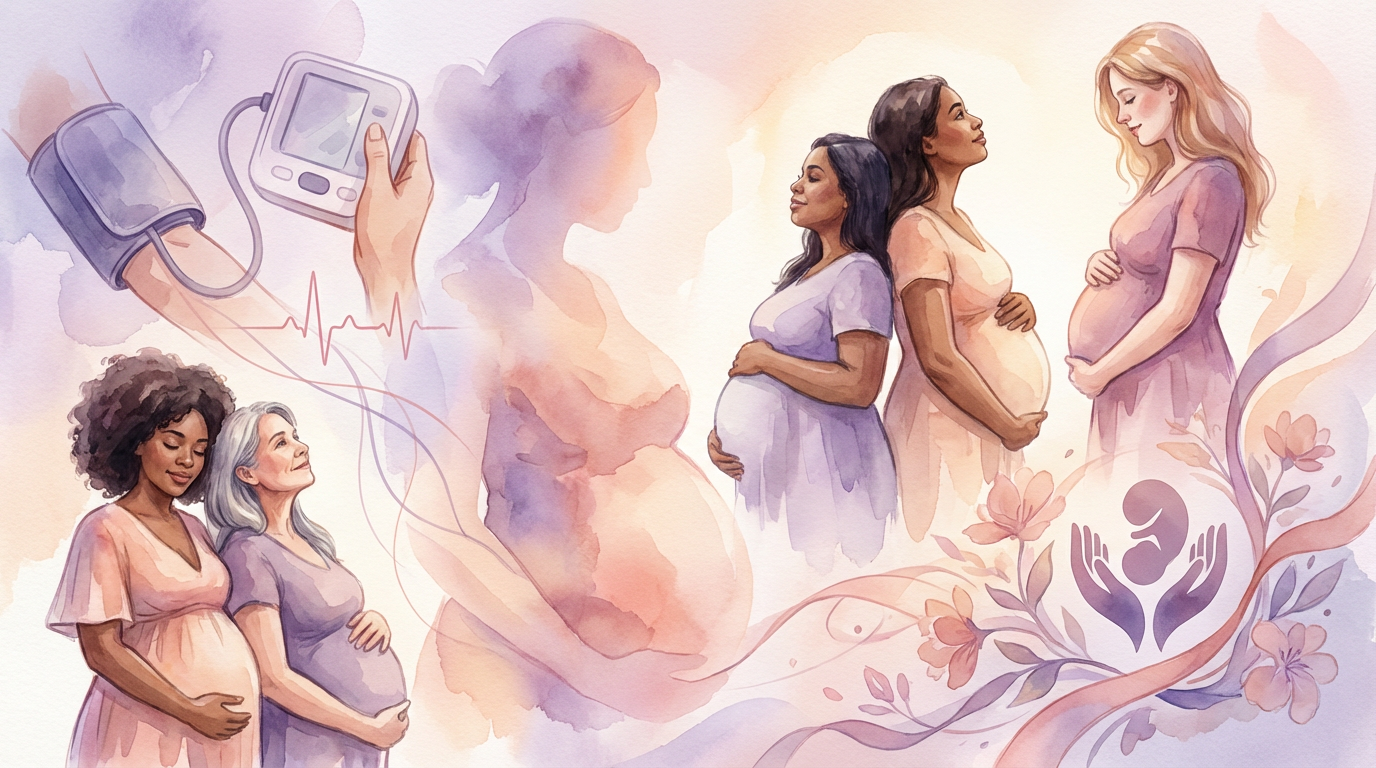
Pre-Eclampsia: Warning Signs, Prevention & Management
Comprehensive guide to understanding pre-eclampsia warning signs, risk factors, diagnostic tests, treatment options, and prevention strategies for a safer pregnancy.
Listen to this article
~16 min listen
Click play to generate audio narration with a calming voice
Pre-Eclampsia: Warning Signs, Prevention & Management
Pre-eclampsia is a serious pregnancy complication that affects approximately 5-8% of pregnancies worldwide. While it can be concerning, understanding the warning signs and management strategies empowers you to protect both your health and your baby's wellbeing.
What is Pre-Eclampsia?
Pre-eclampsia is a condition characterized by high blood pressure and signs of damage to other organ systems, most often the liver and kidneys. It typically develops after 20 weeks of pregnancy in women whose blood pressure had been normal.
The condition occurs when the placenta doesn't develop properly, causing blood vessels to react differently than they should. This leads to high blood pressure and can affect blood flow to organs throughout your body.
Understanding Risk Factors
Certain factors increase your likelihood of developing pre-eclampsia. First-time pregnancies carry higher risk, as do pregnancies occurring before age 20 or after age 40. Women carrying multiples (twins, triplets) face elevated risk due to the increased demand on the cardiovascular system.
Pre-existing conditions significantly influence risk. Chronic hypertension, kidney disease, diabetes, and autoimmune disorders like lupus all increase susceptibility. If you experienced pre-eclampsia in a previous pregnancy, your risk increases substantially for subsequent pregnancies.
Family history plays a role too. If your mother or sister had pre-eclampsia, your own risk increases. Obesity, with a BMI over 30, also contributes to higher risk levels.
Recognizing Warning Signs
Early recognition of symptoms is crucial for timely intervention. Persistent headaches that don't respond to over-the-counter pain relievers should never be ignored. These headaches often feel severe and throbbing, different from typical pregnancy headaches.
Vision changes are significant warning signs. Blurred vision, seeing spots or flashing lights, temporary loss of vision, or light sensitivity all warrant immediate medical attention. These symptoms indicate potential neurological involvement.
Upper abdominal pain, particularly under the ribs on the right side, can signal liver involvement. This pain might feel sharp or like severe heartburn. Accompanying nausea and vomiting intensify concern.
Sudden weight gain and swelling, while common in pregnancy, become concerning when rapid. Gaining more than 2 pounds in a week, or sudden swelling in your face and hands, especially if accompanied by other symptoms, requires evaluation.
Reduced urination, despite adequate fluid intake, suggests kidney involvement. Dark urine or protein in urine (detected during routine prenatal visits) are additional warning signs.
Blood Pressure Monitoring
Regular blood pressure monitoring is essential during pregnancy. Normal pregnancy blood pressure reads below 120/80 mmHg. Readings of 140/90 mmHg or higher on two occasions, at least four hours apart, indicate hypertension requiring immediate medical assessment.
If you're at high risk, your healthcare provider might recommend home blood pressure monitoring. When measuring at home, ensure you're relaxed, seated with feet flat on the floor, and your arm supported at heart level. Take measurements at the same time each day for consistency.
Diagnostic Tests and What They Mean
When pre-eclampsia is suspected, your healthcare provider will order several tests. Blood tests assess liver and kidney function, while also checking platelet counts. Low platelets can indicate disease progression.
Urine tests measure protein levels. A 24-hour urine collection or a protein-to-creatinine ratio provides accurate assessment. Protein in urine (proteinuria) is a hallmark sign of pre-eclampsia.
Ultrasounds evaluate fetal growth and amniotic fluid levels. Non-stress tests and biophysical profiles monitor fetal wellbeing, ensuring your baby is receiving adequate oxygen and nutrients.
Understanding HELLP Syndrome
HELLP syndrome is a life-threatening pregnancy complication considered a severe form of pre-eclampsia. The acronym stands for Hemolysis (breakdown of red blood cells), Elevated Liver enzymes, and Low Platelet count.
HELLP syndrome symptoms often include severe upper right abdominal pain, nausea and vomiting, fatigue, and headache. The condition can develop rapidly, sometimes without obvious warning. Any sudden onset of these symptoms, especially in the third trimester, requires immediate emergency care.
Treatment Approaches
Treatment strategies depend on severity and how far along you are in pregnancy. For mild pre-eclampsia, careful monitoring might suffice. Your provider will schedule more frequent prenatal visits, monitor blood pressure regularly, and order periodic blood and urine tests.
Medications may be prescribed to lower blood pressure and prevent seizures. Antihypertensive medications help control blood pressure, while magnesium sulfate prevents eclamptic seizures. These medications are carefully selected for safety during pregnancy.
For severe pre-eclampsia, hospitalization becomes necessary. Hospital monitoring allows continuous assessment of both maternal and fetal wellbeing. Corticosteroids might be given to speed fetal lung development if early delivery is anticipated.
Bed rest, while once routinely prescribed, is now recommended selectively. Your healthcare provider might suggest modified activity levels, focusing on reduced stress rather than complete bed rest.
When Delivery is Necessary
The only cure for pre-eclampsia is delivery. If your pregnancy has reached 37 weeks, delivery is typically recommended. For pre-eclampsia developing before 37 weeks, the decision becomes more complex, weighing maternal health risks against fetal development needs.
Delivery might be necessary before 37 weeks if maternal condition worsens, fetal wellbeing is compromised, or severe complications develop. In these cases, the benefits of delivery outweigh the risks of prematurity.
The delivery method depends on various factors. Vaginal delivery is preferred when possible, but cesarean section might be necessary if maternal or fetal condition deteriorates rapidly.
Postpartum Pre-Eclampsia
Pre-eclampsia doesn't always end with delivery. Postpartum pre-eclampsia can develop within 48 hours after delivery or up to six weeks postpartum. Symptoms mirror those during pregnancy: high blood pressure, severe headaches, vision changes, and upper abdominal pain.
If you experienced pre-eclampsia during pregnancy, your provider will monitor you closely after delivery. Report any concerning symptoms immediately, even if you've been discharged from the hospital. Postpartum pre-eclampsia requires prompt treatment to prevent serious complications.
Prevention Strategies
While not all pre-eclampsia cases can be prevented, certain measures reduce risk. Low-dose aspirin (81 mg daily), started before 16 weeks of pregnancy, reduces pre-eclampsia risk in high-risk women. Your healthcare provider will determine if aspirin therapy is appropriate for you.
Calcium supplementation (1.5-2 grams daily) may help, particularly if your dietary calcium intake is low. Studies suggest calcium reduces pre-eclampsia risk, especially in women with low baseline calcium levels.
Maintaining healthy weight before pregnancy and gaining appropriate weight during pregnancy helps. While weight loss isn't recommended during pregnancy, maintaining a balanced diet and regular approved exercise supports overall health.
Long-Term Health Implications
Women who develop pre-eclampsia face increased cardiovascular disease risk later in life. This includes higher risk of high blood pressure, heart disease, and stroke. Regular cardiovascular screening and healthy lifestyle maintenance are important long-term.
Future pregnancies carry increased pre-eclampsia risk. Work closely with your healthcare provider from the beginning of subsequent pregnancies. Early intervention strategies can be implemented to reduce recurrence risk.
When to Seek Emergency Care
Certain symptoms require immediate emergency care. Severe persistent headache, vision problems, difficulty breathing, severe upper abdominal pain, and sudden swelling with rapid weight gain all warrant emergency evaluation.
If you experience seizures, chest pain, or signs of stroke (sudden weakness, numbness, speech difficulty), call emergency services immediately. These symptoms indicate severe complications requiring immediate intervention.
Support and Resources
Managing pre-eclampsia diagnosis can be emotionally challenging. Connect with support groups, either locally or online, to share experiences with women who understand. The Preeclampsia Foundation offers extensive resources, educational materials, and support networks.
Work closely with your healthcare team, asking questions and expressing concerns. Understanding your condition empowers you to participate actively in treatment decisions.
Remember, while pre-eclampsia is serious, most women with proper monitoring and treatment deliver healthy babies and recover fully. Stay informed, remain vigilant for warning signs, and maintain open communication with your healthcare providers.
Cite this article
PERIODiQ Editorial Team (2025). "Pre-Eclampsia: Warning Signs, Prevention & Management." PERIODiQ. https://periodiq.app/library/pre-eclampsia-guide
"Pre-Eclampsia: Warning Signs, Prevention & Management." PERIODiQ, 2025, https://periodiq.app/library/pre-eclampsia-guide.
Send this to a friend — PERIODiQ is free for them too. No card. No paywall.
Loved this? Save articles, track your cycle, and unlock meditations — free forever.
Disclaimer: PERIODiQ™ offers general wellness information only. It does not provide medical advice, diagnosis, or treatment. Always speak with a licensed health professional about your health.