
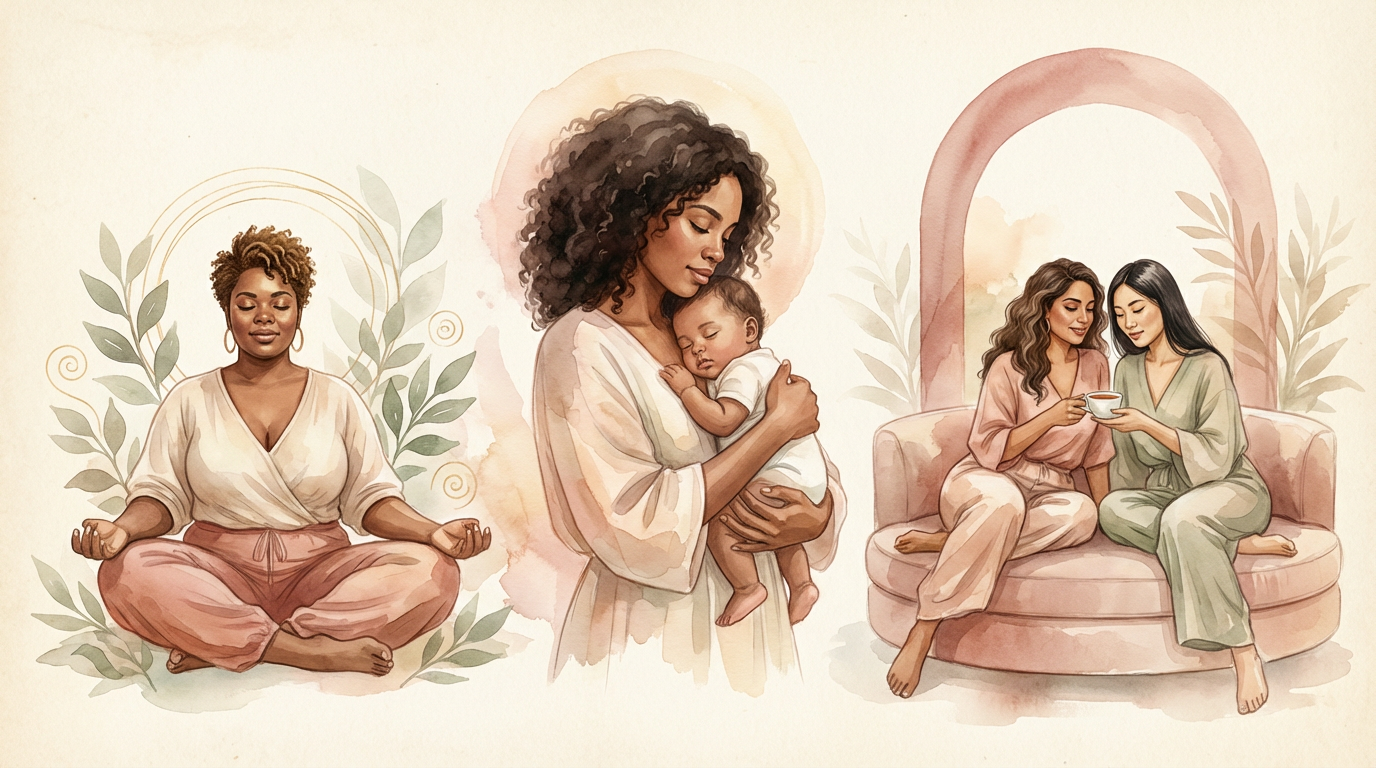
Postpartum Recovery: Navigating the Fourth Trimester
The fourth trimester, lasting from birth until around three months postpartum, is a critical and often overlooked period of significant physical, emotional, and mental recovery for new mothers. It involves healing from childbirth, hormonal shifts, sleep deprivation, and adjusting to new motherhood, requiring intentional care and support.
Listen to this article
~13 min listen
Click play to generate audio narration with a calming voice
TL;DR Summary
- •The fourth trimester is a vital 12-week period after birth focused on intense postpartum recovery for the birthing parent.
- •This phase involves significant physical healing, hormonal rebalancing, and emotional adjustment, often overshadowed by newborn care.
- •Prioritizing self-care, seeking support, and managing expectations are crucial for navigating after birth recovery effectively.
Postpartum Recovery: The Fourth Trimester Nobody Warns You About
You've likely heard a lot about pregnancy trimesters, but what about the one after birth? The fourth trimester, often referred to as the “postpartum period,” is the critical 12-week phase immediately following childbirth. It's a time of profound transformation and intense postpartum recovery for the birthing parent, yet it's surprisingly under-discussed in mainstream conversations about pregnancy and new parenthood. While the focus often shifts entirely to the newborn, the mother is undergoing significant physical healing, massive hormonal shifts, and immense emotional and mental adjustments. Understanding and preparing for this crucial period can make a world of difference in a new mother's well-being.
What Exactly is the Fourth Trimester?
The term "fourth trimester" was popularized by pediatrician Dr. Harvey Karp, author of The Happiest Baby on the Block, to emphasize the newborn's need for a womb-like environment outside the uterus. However, the concept has expanded to highlight the mother's equally vital recovery period. It extends from the moment of birth until roughly three months postpartum (around 12 weeks). During this time, the birthing parent's body is recovering from the marathon of pregnancy and childbirth, hormones are plummeting and re-regulating, and a new identity as a mother is forming.
This phase is not just about physical healing from a vaginal birth or C-section; it's also about navigating sleep deprivation, breastfeeding challenges, emotional fluctuations, and the immense responsibility of caring for a newborn. Many women find themselves unprepared for the intensity of this period, feeling isolated and overwhelmed by the demands of after birth recovery while simultaneously learning to care for a new human.
Why is Postpartum Recovery So Challenging?
The challenges of postpartum recovery during the fourth trimester stem from a confluence of physical, hormonal, and emotional factors. Understanding these can help in preparing for and navigating this intense period.
What Physical Changes Occur During Postpartum Recovery?
Immediately after birth, the body begins a remarkable process of healing and returning to its pre-pregnancy state, a journey that takes weeks, if not months. Key physical changes include:
- •Uterine Involution: The uterus, which grew to the size of a watermelon during pregnancy, contracts back to its pre-pregnancy size, a process that can cause cramping (often called 'afterpains'). This process helps to prevent excessive bleeding. Research indicates that it takes approximately 6 weeks for the uterus to return to its normal size and position (American College of Obstetricians and Gynecologists, ACOG). Lochia, a discharge consisting of blood, mucus, and uterine tissue, will be present for several weeks.
- •Perineal Healing: For those who had a vaginal birth, there may be stitches from an episiotomy or tears. Swelling, soreness, and pain are common. Proper wound care, sitz baths, and pain management are essential for healing.
- •C-Section Recovery: If you had a Cesarean section, you are recovering from major abdominal surgery. This involves managing incision pain, restricted movement, and a longer recovery time compared to an uncomplicated vaginal birth. Studies show that full recovery from a C-section can take 6-8 weeks or even longer for some individuals (National Institutes of Health, NIH). Abdominal binders can provide support.
- •Breast Changes: Whether breastfeeding or not, breasts will undergo significant changes. Engorgement, tenderness, and nipple soreness are common, especially in the first few days as milk comes in. For breastfeeding mothers, establishing a good latch and dealing with potential issues like mastitis or clogged ducts become priorities.
- •Fluid Retention and Swelling: It's common to experience continued swelling, particularly in the legs and feet, due to excess fluid retained during pregnancy and fluids administered during labor and delivery. Frequent urination is also common as the body expels this excess fluid.
- •Hair Loss: Many women experience significant hair shedding around 3-4 months postpartum, known as telogen effluvium. This is due to hormonal shifts and is temporary.
- •Pelvic Floor Weakness: Pregnancy and childbirth can weaken the pelvic floor muscles, leading to issues like urinary incontinence, fecal incontinence, or pelvic organ prolapse. Pelvic floor physical therapy is highly recommended for assessment and rehabilitation.
How Do Hormones Impact the Fourth Trimester?
During pregnancy, hormone levels, particularly estrogen and progesterone, are sky-high. After birth, these levels plummet dramatically within 24-48 hours. This sudden drop is a major contributor to the intense emotional and psychological shifts experienced during the fourth trimester.
- •Estrogen and Progesterone Crash: The rapid decrease in these hormones can mimic the hormonal fluctuations of premenstrual syndrome (PMS) or menopause, leading to mood swings, irritability, and tearfulness. This is a primary driver of the 'baby blues,' which affect up to 80% of new mothers.
- •Prolactin and Oxytocin: If breastfeeding, prolactin levels remain elevated to stimulate milk production, and oxytocin, the 'love hormone,' is released during nursing, promoting bonding and uterine contractions. These hormones have their own effects on mood and well-being.
- •Thyroid Dysfunction: Some women can develop postpartum thyroiditis, an inflammation of the thyroid gland, which can cause symptoms like fatigue, anxiety, and weight changes. It's important to monitor for these symptoms and discuss them with a healthcare provider.
What Emotional and Mental Adjustments Are Common During After Birth Recovery?
Beyond the physical and hormonal shifts, the emotional and mental landscape of the fourth trimester is often the most surprising and challenging aspect of postpartum recovery.
- •Baby Blues: As mentioned, the 'baby blues' are very common, characterized by weepiness, anxiety, irritability, and sadness, usually peaking around day 3-5 postpartum and resolving within two weeks. They are largely attributed to hormonal shifts and sleep deprivation.
- •Postpartum Depression (PPD): If symptoms of sadness, anxiety, hopelessness, or inability to cope persist beyond two weeks or worsen, it could indicate PPD. PPD affects approximately 1 in 7 new mothers and requires professional intervention. Early screening and intervention are crucial for better outcomes (Journal of the American Medical Association, JAMA Psychiatry). Other perinatal mood and anxiety disorders (PMADs) include postpartum anxiety, OCD, and PTSD.
- •Identity Shift: Becoming a mother is a profound identity transformation. Women often grapple with a loss of their pre-baby self, feelings of inadequacy, and the overwhelming responsibility of caring for a newborn. This can lead to a sense of isolation.
- •Sleep Deprivation: The fragmented and often minimal sleep of the newborn phase is a significant contributor to emotional fragility and cognitive issues. Chronic sleep deprivation impacts mood, decision-making, and overall well-being.
- •Bonding: While often portrayed as instant, bonding with a newborn can take time and vary among mothers. It's normal to feel a range of emotions, including ambivalence, in the early days.
How Can You Prepare for and Navigate the Fourth Trimester?
While you can't fully predict your postpartum recovery experience, proactive planning and a supportive mindset can significantly ease the transition.
What Practical Tips Help with After Birth Recovery?
- •Prioritize Rest: This is non-negotiable. Sleep when the baby sleeps, even if it's for short periods. Don't worry about chores. Adequate rest is crucial for physical healing and mental well-being (Sleep Foundation). Consider delegating night feedings if possible.
- •Nourish Your Body: Eat nutrient-dense, easy-to-prepare meals. Stay hydrated. Batch cooking before birth or accepting meal trains from friends and family can be incredibly helpful.
- •Manage Pain and Discomfort: Use peri bottles, sitz baths, ice packs, witch hazel pads, and over-the-counter pain relievers as recommended by your doctor for perineal care. For C-section recovery, adhere to activity restrictions and use prescribed pain medication.
- •Embrace Support: Don't be afraid to ask for and accept help. This might mean having family or friends assist with household chores, cooking, or watching the baby so you can rest or shower. Consider hiring a postpartum doula for professional support.
- •Limit Visitors: While exciting, too many visitors can be exhausting. Set boundaries and prioritize your rest and bonding time with the baby.
- •Gentle Movement: Once cleared by your healthcare provider, gentle walks and light stretching can aid recovery and improve mood. Avoid strenuous exercise until fully healed (typically 6 weeks postpartum, but listen to your body).
- •Pelvic Floor Care: Consult with a pelvic floor physical therapist. They can assess your pelvic floor health, provide exercises, and address any issues like incontinence or prolapse. Early intervention with pelvic floor physical therapy is associated with better long-term outcomes (Physical Therapy Journal).
- •Prepare a 'Recovery Station': Have all your postpartum essentials (pads, pain relief, snacks, water, phone charger) within easy reach where you'll be spending most of your time.
What Emotional Support is Needed During Postpartum Recovery?
- •Communicate with Your Partner: Openly discuss your feelings, fears, and needs. Your partner is a crucial source of support during this time.
- •Connect with Other New Mothers: Sharing experiences with women going through similar challenges can reduce feelings of isolation and normalize your struggles. Online forums, local support groups, or friends can be invaluable.
- •Be Kind to Yourself: Release the pressure to be a 'perfect' mother. There's no right way to do it. Focus on bonding with your baby and taking care of yourself. Self-compassion is linked to lower rates of postpartum depression (Journal of Women's Health).
- •Seek Professional Help if Needed: If you experience symptoms of postpartum depression or anxiety that last longer than two weeks, interfere with daily functioning, or feel overwhelming, reach out to your doctor, a therapist, or a mental health professional specializing in perinatal mood disorders. Early intervention is key.
- •Schedule Time for Yourself: Even 15-30 minutes alone for a shower, a short walk, or listening to music can make a significant difference in your mental state.
Why is the Fourth Trimester Often Overlooked?
The oversight of the fourth trimester in societal discussions and healthcare stems from several factors:
- •Focus on the Baby: There's an intense societal focus on the newborn, often at the expense of the birthing parent's needs. The baby's health checks are frequent, while the mother's postpartum care often culminates in a single 6-week check-up, which many experts argue is insufficient.
- •Cultural Expectations: Many cultures emphasize resilience and quick 'bouncing back' after birth, creating unrealistic expectations for new mothers. The idea of immediate joy and effortless bonding can make mothers feel guilty or inadequate if their experience differs.
- •Lack of Education: Many expectant parents are not adequately educated about the physical and emotional realities of after birth recovery, leading to a sense of being blindsided.
- •Healthcare System Gaps: The traditional 6-week postpartum check-up is often too late for early intervention for many physical and mental health issues. The American College of Obstetricians and Gynecologists (ACOG) now recommends that postpartum care be an ongoing process, not a single visit, beginning within the first three weeks postpartum and continuing as needed.
The Importance of a Postpartum Plan
Just as you create a birth plan, developing a postpartum plan can be incredibly beneficial. This plan can outline:
- •Support System: Who will help with meals, chores, and childcare for older children?
- •Visitor Protocol: How will you manage visitors to ensure adequate rest?
- •Self-Care Strategies: What activities help you recharge, and how will you incorporate them?
- •Mental Health Check-ins: Who will you talk to if you're struggling, and what resources are available?
- •Nourishment Strategy: Plan for easy, healthy meals.
- •Medical Follow-ups: Schedule your postpartum appointments, including a pelvic floor physical therapy consultation.
By acknowledging and preparing for the fourth trimester, we can shift the narrative around postpartum recovery from an overlooked struggle to a recognized and supported phase of life. It's a time for healing, bonding, and profound personal growth, deserving of as much attention and care as pregnancy itself.
Key Takeaways
- •The fourth trimester is the 12-week period after childbirth, crucial for the birthing parent's intense postpartum recovery.
- •Physical healing from childbirth, significant hormonal shifts, and emotional adjustments are central to this phase.
- •Common challenges include pain, sleep deprivation, hormonal mood swings, and potential postpartum depression/anxiety.
- •Proactive planning, prioritizing rest and nutrition, building a strong support system, and seeking professional help for mental health are vital for effective after birth recovery.
- •Societal and healthcare systems are increasingly recognizing the need for more comprehensive and continuous postpartum care beyond the traditional 6-week check-up.
Frequently Asked Questions
Q1: How long does the fourth trimester actually last?
A1: The fourth trimester typically lasts for 12 weeks (approximately three months) after childbirth. However, some aspects of physical and emotional recovery can extend well beyond this period, with many women feeling fully recovered after 6-12 months.
Q2: What are the most common physical challenges during postpartum recovery?
A2: Common physical challenges include uterine cramping (afterpains), perineal pain and healing (from tears or episiotomy), C-section incision recovery, breast engorgement or soreness, lochia (postpartum bleeding), and pelvic floor weakness that can lead to incontinence.
Q3: Is it normal to feel sad or anxious after giving birth?
A3: Yes, it is very common to experience 'baby blues' – mild sadness, anxiety, and weepiness – in the first two weeks postpartum due to hormonal shifts. However, if these feelings are intense, persistent for more than two weeks, or interfere with your daily life, it could be postpartum depression or anxiety, and you should seek professional help.
Q4: How can I best prepare for the fourth trimester before the baby arrives?
A4: Preparing for the fourth trimester involves creating a 'postpartum plan.' This includes arranging for practical support (meals, chores, childcare), stocking up on postpartum recovery essentials, setting boundaries with visitors, learning about newborn care, and discussing potential emotional challenges with your partner and healthcare provider.
Q5: When should I see a doctor during the fourth trimester?
A5: You should have a postpartum check-up within the first 3 weeks, and a comprehensive visit by 12 weeks postpartum, as recommended by ACOG. Additionally, contact your doctor immediately if you experience heavy bleeding, fever, severe pain, signs of infection, or symptoms of severe depression or anxiety.
Q6: Can I exercise during postpartum recovery?
A6: Gentle movement like short walks can be beneficial early on, but strenuous exercise should be avoided until you've received clearance from your healthcare provider, typically at your 6-week postpartum check-up. Listen to your body, and consider consulting a pelvic floor physical therapist before returning to high-impact activities.
Q7: What role does a partner play in the fourth trimester?
A7: A partner's role is crucial. They can provide emotional support, help with newborn care (diaper changes, comforting), take on household chores, ensure the birthing parent gets rest and proper nutrition, advocate for the birthing parent's needs, and watch for signs of postpartum mood disorders.
Start Your Wellness Journey Today
Ready to track your cycle, fertility, pregnancy, or menopause journey? Download PERIODiQ - your iQ-powered wellness companion designed for every stage of your health journey.
Get PERIODiQ Free: https://periodiq.app
Your Wellness Journey Starts Here
Download PERIODiQ
Scan the QR code or tap the link to get started with your personalized health tracking.
periodiq.app • iOS & Android
Cite this article
PERIODiQ Editorial Team (2026). "Postpartum Recovery: Navigating the Fourth Trimester." PERIODiQ. https://periodiq.app/library/postpartum-recovery-navigating-the-fourth-trimester
"Postpartum Recovery: Navigating the Fourth Trimester." PERIODiQ, 2026, https://periodiq.app/library/postpartum-recovery-navigating-the-fourth-trimester.
Send this to a friend — PERIODiQ is free for them too. No card. No paywall.
Loved this? Save articles, track your cycle, and unlock meditations — free forever.
Disclaimer: PERIODiQ™ offers general wellness information only. It does not provide medical advice, diagnosis, or treatment. Always speak with a licensed health professional about your health.