
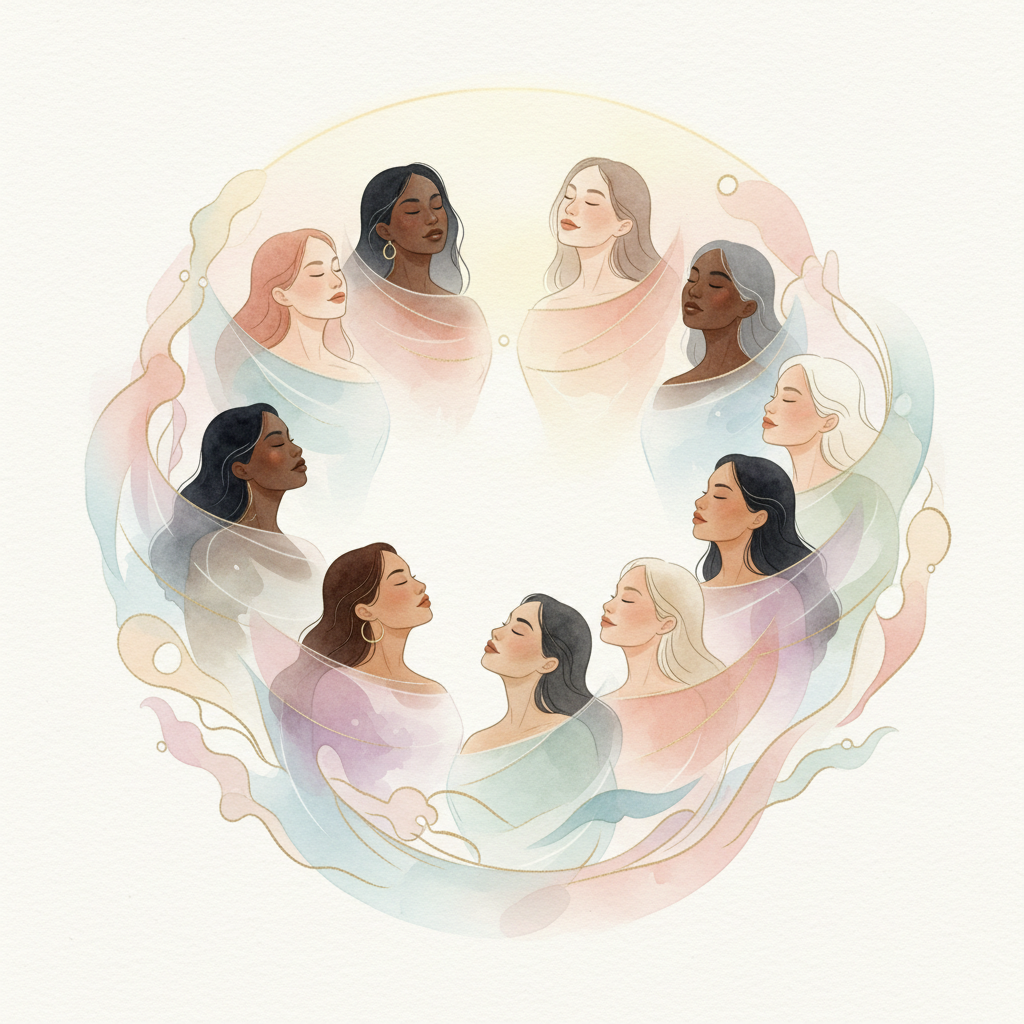
Postpartum Depression in Communities of Color: Breaking the Silence
Postpartum depression affects 1 in 5 women, with higher rates and lower treatment in Black and Latina mothers. Learn to recognize symptoms, overcome stigma, and find culturally-affirming mental health support.
Listen to this article
~21 min listen
Postpartum Depression in Communities of Color: Breaking the Silence
Postpartum depression (PPD) affects approximately 1 in 5 new mothers—but for Black and Latina women, the rates are even higher, while diagnosis and treatment rates are significantly lower. Cultural stigma, systemic barriers, and provider bias create a perfect storm where mothers of color suffer in silence, their mental health crisis unrecognized and untreated.
Understanding Postpartum Depression
What Is PPD?
Postpartum depression is more than "baby blues"—it's a serious medical condition involving:
Emotional Symptoms:
- •Persistent sadness, emptiness, or hopelessness
- •Severe mood swings
- •Excessive crying or inability to cry
- •Loss of interest in activities once enjoyed
- •Feelings of worthlessness or guilt
- •Thoughts of harming yourself or baby
Physical Symptoms:
- •Extreme fatigue despite rest
- •Changes in appetite (eating too much or too little)
- •Sleep disturbances beyond baby's schedule
- •Physical aches and pains with no clear cause
Cognitive Symptoms:
- •Difficulty concentrating or making decisions
- •Memory problems
- •Intrusive, frightening thoughts
- •Difficulty bonding with baby
Behavioral Symptoms:
- •Withdrawing from family and friends
- •Inability to care for self or baby
- •Avoiding baby or being overly anxious about baby
PPD vs. Baby Blues vs. Postpartum Psychosis
Baby Blues (50-80% of new mothers):
- •Mild mood swings, crying, anxiety
- •Starts within days of birth
- •Resolves within 2 weeks without treatment
Postpartum Depression (10-20% of new mothers):
- •More severe, persistent symptoms
- •Can start during pregnancy or up to 1 year postpartum
- •Requires treatment to resolve
Postpartum Psychosis (1-2 per 1,000 births):
- •Medical emergency requiring immediate help
- •Hallucinations, delusions, paranoia
- •Thoughts of harming self or baby
- •Confusion, disorientation
- •Call 911 or go to ER immediately
Disparities in Postpartum Mental Health
The Statistics
Higher Rates:
- •Black women: 38% report depressive symptoms postpartum
- •Latina women: 35% experience PPD symptoms
- •Native American women: Up to 40% affected
- •Compared to 13-15% in white women
Lower Treatment:
- •Only 1 in 5 Black mothers with PPD receive treatment
- •Latina mothers face significant treatment barriers
- •Asian American mothers underreport symptoms
Worse Outcomes:
- •Longer duration of untreated depression
- •Higher rates of suicide ideation
- •Greater impact on maternal-infant bonding
- •Increased risk of chronic depression
Why Disparities Exist
Systemic Barriers:
- •Healthcare access: Lack of insurance, transportation, childcare
- •Provider shortage: Few mental health providers of color
- •Language barriers: Limited services in non-English languages
- •Cost: Therapy often not covered or high copays
Provider Bias:
- •Underscreening: Black mothers less likely to be screened for PPD
- •Symptom minimization: Complaints dismissed as stress or normal adjustment
- •Stereotyping: "Strong Black woman" stereotype prevents recognition of suffering
- •Cultural incompetence: Providers unfamiliar with how PPD manifests across cultures
Cultural Factors:
- •Mental health stigma: "We don't do therapy"
- •Religious beliefs: Depression seen as lack of faith
- •Shame: Feeling like you're failing as a mother
- •Isolation: Lack of culturally-specific support resources
Cultural Stigma and Barriers
The "Strong Black Woman" Stereotype
The expectation that Black women must be resilient, self-sacrificing, and invulnerable prevents:
- •Recognizing your own suffering
- •Asking for help
- •Being seen as "deserving" of support
- •Acknowledging vulnerability as strength, not weakness
Breaking free: Strength includes knowing when to ask for help. Caring for your mental health is caring for your baby.
"We Handle Things Within Family"
Many cultures prioritize family privacy and handling problems internally:
- •Mental health issues seen as family shame
- •Seeking outside help viewed as betrayal or weakness
- •Traditional remedies preferred over professional care
Finding balance: Family support is valuable AND professional help provides tools family may not have. Both can coexist.
"Prayer Will Fix It"
Faith is a powerful source of comfort and healing, but:
- •Clinical depression is a medical condition requiring treatment
- •Prayer and therapy are not mutually exclusive
- •Many faith leaders now support integrated care
- •God can work through medical professionals
Integrating faith: Seek faith-based counseling or therapists who respect your spirituality while providing evidence-based treatment.
"Good Mothers Don't Feel This Way"
Cultural expectations of maternal joy and natural bonding create intense shame:
- •"I should be grateful—I have a healthy baby"
- •"What's wrong with me that I can't handle this?"
- •"Other mothers make it look easy"
Reality check: PPD is not your fault. It's a medical condition, not a character flaw or sign you don't love your baby.
Recognizing PPD in Yourself or Others
Self-Assessment
Ask yourself:
- •Do I feel sad, empty, or hopeless most of the day, nearly every day?
- •Have I lost interest in things I used to enjoy?
- •Am I having trouble bonding with my baby?
- •Do I have thoughts of harming myself or my baby?
- •Is it difficult to function in daily tasks?
- •Has this lasted more than 2 weeks?
If you answered yes to multiple questions, reach out for help.
Supporting Other Mothers
Signs a new mother may be struggling:
- •Withdrawn from social connections
- •Not responding to texts/calls
- •Unkempt appearance (unusual for her)
- •House is very messy (if usually tidy)
- •Baby's needs not being met
- •Expressing hopelessness or thoughts of escape
- •Substance use to cope
How to help:
- •"I've noticed you seem different. How are you really doing?"
- •"It's okay to not be okay. Can I help you find support?"
- •Offer concrete help: meals, childcare, rides to appointments
- •Follow up persistently—depression isolates
Getting Help: Overcoming Barriers
Finding Culturally-Affirming Mental Health Care
Therapists of Color Directories:
- •Therapy for Black Girls: therapyforblackgirls.com
- •Latinx Therapy: latinxtherapy.com
- •Asian Mental Health Collective: asianmentalhealthcollective.com
- •Inclusive Therapists: inclusivetherapists.com (filter by race, culture, language)
Community Health Centers:
- •Often provide sliding-scale fees
- •Culturally diverse staff
- •Language services available
- •No or low-cost care
Postpartum Support International (PSI):
- •1-800-944-4773 (English/Spanish)
- •Online support groups
- •Local coordinator network
- •Culturally-specific resources
Faith-Based Counseling:
- •Many churches, mosques, temples offer counseling
- •Faith-integrated therapy approaches
- •May be more acceptable to family
Types of Treatment
Psychotherapy:
- •Cognitive Behavioral Therapy (CBT): Changing negative thought patterns
- •Interpersonal Therapy (IPT): Improving relationships and communication
- •Support groups: Connecting with other mothers experiencing PPD
Medication:
- •Antidepressants can be safe during breastfeeding (discuss with doctor)
- •May take 4-6 weeks to feel full effects
- •Work with a psychiatrist experienced in perinatal mental health
Holistic Approaches:
- •Exercise, nutrition, sleep support
- •Omega-3 supplements
- •Light therapy
- •Acupuncture
- •These supplement, not replace, professional treatment
Paying for Care
If you have insurance:
- •PPD screening and treatment are covered under Affordable Care Act
- •Postpartum visits covered up to 12 months after birth
- •Check if your insurance covers telehealth
If you don't have insurance:
- •Community health centers offer sliding-scale fees
- •Emergency Medicaid covers pregnancy and postpartum (60 days in most states, full year in some)
- •Some therapists offer reduced rates for cash-pay clients
- •Online therapy platforms (BetterHelp, Talkspace) may be more affordable
Grants and Programs:
- •National Maternal Mental Health Hotline: 1-833-TLC-MAMA (1-833-852-6262) for free resources
- •State-specific maternal mental health programs
- •Postpartum Support International offers financial assistance for support groups
Talking to Family About PPD
Preparing for the Conversation
- •Choose someone you trust
- •Pick a calm, private time
- •Plan what you want to say
- •Have resources ready to share
- •Be prepared for various reactions
What to Say
Sample scripts:
"I need to talk about something difficult. Since the baby was born, I've been feeling sad and overwhelmed most days. It's more than being tired—I think I have postpartum depression. I need support."
"I know in our family we usually handle things privately, but I need professional help right now. This is a medical condition, and I need treatment just like I would for any other illness."
"I love our baby, AND I'm struggling. Both things are true. This doesn't mean I'm a bad mother—it means I need help."
"I understand you may not fully understand depression, but I need you to trust that this is serious and support me in getting help."
Handling Negative Reactions
If they minimize your feelings: "I know this might be hard to understand, but this is serious. I need you to believe me."
If they bring up faith/prayer: "My faith is important to me, and I'm also seeking medical care. Both are part of my healing."
If they express shame/stigma: "I understand this is new territory for our family. I'm asking you to learn with me."
If they blame you: "This is not my fault. PPD is a medical condition that affects 1 in 5 mothers."
When Family Can't or Won't Support
- •Seek support elsewhere: friends, support groups, online communities
- •Set boundaries with unsupportive family
- •Consider limiting contact temporarily for your wellbeing
- •Remember: their inability to support you is about them, not you
Special Considerations
For Immigrant Mothers
Additional stressors:
- •Immigration trauma and separation from family
- •Acculturative stress
- •Language barriers in healthcare
- •Fear of deportation preventing care-seeking
- •Loss of traditional postpartum support (cuarentena, zuo yue zi, etc.)
Resources:
- •International perinatal mental health specialists
- •Community organizations serving immigrant populations
- •Services in your native language
For Single Mothers
Additional challenges:
- •Financial stress
- •Lack of co-parenting support
- •Stigma about single motherhood
- •Isolation
Resources:
- •Single mother support groups
- •Community family services
- •In-home support programs
For Mothers Experiencing Birth Trauma
- •PPD can be compounded by traumatic birth experiences
- •Black mothers experience higher rates of birth trauma
- •Birth trauma therapy (EMDR, trauma-focused CBT) may be needed
- •Birth trauma support groups
For Mothers Experiencing Grief
- •Pregnancy or infant loss
- •NICU stays
- •Diagnosis of baby's health condition
- •All can contribute to or trigger PPD
Self-Care and Coping Strategies
While professional help is essential, these strategies support your recovery:
Immediate Relief
- •Get outside: Even 10 minutes of sunshine helps
- •Move your body: Gentle walks, stretching
- •Ask for help: Specific requests ("Can you hold baby while I shower?")
- •Lower expectations: House doesn't need to be clean; you need rest
Daily Practices
- •Sleep when possible: Accept help with night feedings
- •Eat regularly: Simple, nourishing foods
- •Stay hydrated: Dehydration worsens mood
- •Limit social media: Comparing yourself to others' highlight reels intensifies inadequacy
Connection
- •Talk to someone daily: Even a text conversation helps
- •Join support groups: Online or in-person
- •Accept help: Say yes when people offer
- •Be honest: "I'm struggling" is a complete sentence
What NOT to Do
- •Don't isolate yourself
- •Don't make major life decisions while depressed
- •Don't stop treatment prematurely when you start feeling better
- •Don't expect instant recovery
Emergency Resources
If you're having thoughts of harming yourself or your baby, get help immediately:
- •Call 911 or go to nearest ER
- •National Suicide Prevention Lifeline: 988 (multilingual)
- •Crisis Text Line: Text HOME to 741741
- •Postpartum Support International: 1-800-944-4773
- •National Maternal Mental Health Hotline: 1-833-TLC-MAMA (1-833-852-6262)
For Partners and Family
How to support a mother with PPD:
Do:
- •Believe her when she says she's struggling
- •Take over baby care to allow her to rest
- •Help with household tasks without being asked
- •Accompany her to appointments
- •Learn about PPD
- •Be patient—recovery takes time
Don't:
- •Tell her to "snap out of it" or "think positive"
- •Suggest she's being ungrateful or weak
- •Take her symptoms personally
- •Leave her alone with the baby if she's expressed thoughts of harm
- •Expect immediate improvement
Breaking the Cycle for Future Generations
- •Talk openly about your experience (when you're ready)
- •Educate your community about PPD
- •Support policy changes for maternal mental health
- •Advocate for culturally-competent perinatal care
- •Normalize mental health care in your family
- •Support organizations addressing maternal health disparities
You Are Not Alone
Postpartum depression is not your fault. It's not a sign of weakness or bad motherhood. It's a treatable medical condition that affects millions of mothers—especially mothers of color.
You deserve support, treatment, and full recovery. Your baby needs you healthy—and that means caring for your mental health is caring for your baby.
Reach out. Speak up. Get help. You will feel better, and you will look back on this time knowing you were brave enough to ask for what you needed.
Your community needs you to break the silence. Your baby needs you well. You deserve to thrive, not just survive.
Cite this article
PERIODiQ Editorial Team (2025). "Postpartum Depression in Communities of Color: Breaking the Silence." PERIODiQ. https://periodiq.app/library/postpartum-depression-communities-of-color
"Postpartum Depression in Communities of Color: Breaking the Silence." PERIODiQ, 2025, https://periodiq.app/library/postpartum-depression-communities-of-color.
Send this to a friend — PERIODiQ is free for them too. No card. No paywall.
Loved this? Save articles, track your cycle, and unlock meditations — free forever.
Disclaimer: PERIODiQ™ offers general wellness information only. It does not provide medical advice, diagnosis, or treatment. Always speak with a licensed health professional about your health.