
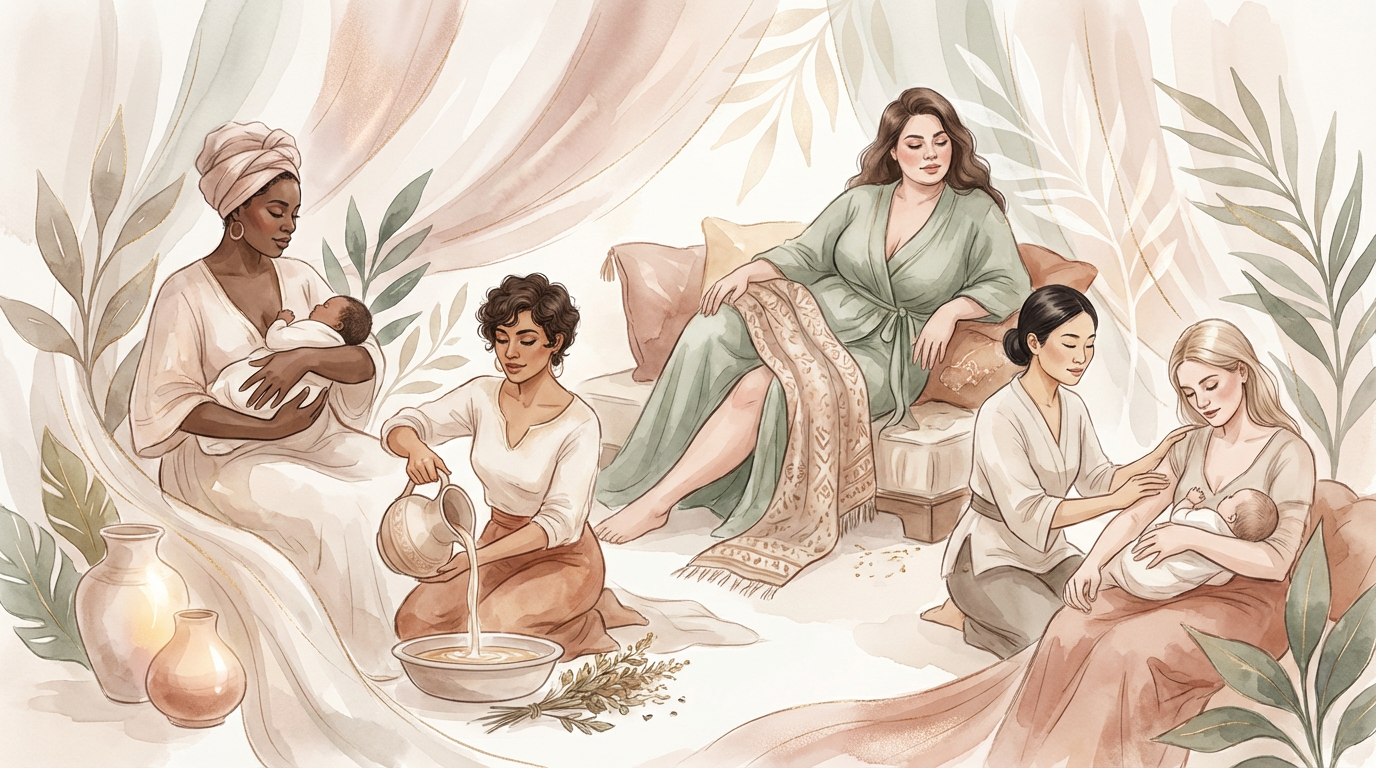
Postpartum Care Caribbean Style: The Lying-In Period Explained
The 'lying-in period' in Caribbean postpartum care emphasizes rest, traditional remedies, and community support for new mothers. This holistic approach focuses on physical recovery, emotional well-being, and bonding with the newborn, often incorporating specific dietary practices and cultural rituals.
Listen to this article
~13 min listen
Click play to generate audio narration with a calming voice
TL;DR Summary
- •Holistic Recovery: Caribbean postpartum care, known as the 'lying-in period,' prioritizes deep rest, traditional healing practices, and community support for new mothers.
- •Cultural Significance: This period, typically 40 days, is steeped in cultural wisdom, focusing on restoring the mother's body and spirit after childbirth.
- •Practical Applications: It involves specific dietary guidelines, herbal remedies, limited physical activity, and strong family involvement to facilitate optimal recovery and bonding.
What is Postpartum Care Caribbean Style: The Lying-In Period?
Postpartum care, particularly in the Caribbean, extends far beyond the hospital stay, embracing a rich tradition known as the 'lying-in period' or cuarentena in some Latin-Caribbean cultures. This deeply ingrained cultural practice emphasizes a dedicated period of rest, recovery, and nurturing for the new mother and her infant, typically lasting 40 days after childbirth. It's a holistic approach designed to restore the mother's physical strength, balance her emotions, and facilitate bonding with her newborn, all while being supported by her immediate family and community. Unlike Western models that often prioritize quick return to daily routines, the Caribbean lying-in period champions slow, deliberate healing, recognizing the profound physiological and psychological shifts a woman undergoes during and after labor.
Why is the Lying-In Period So Important for New Mothers?
The importance of the lying-in period stems from a deep understanding of the female body's need for recuperation after the monumental task of childbirth. From a physiological standpoint, the uterus needs to contract and return to its pre-pregnancy size, wounds (whether from vaginal tears or a C-section incision) need to heal, and blood volume and hormone levels need to rebalance. Beyond the physical, the emotional and mental landscape of a new mother is often turbulent, marked by hormonal fluctuations, sleep deprivation, and the immense responsibility of caring for a newborn. The lying-in period provides a structured, culturally sanctioned framework for addressing all these needs comprehensively. It's a time when the mother is cared for, allowing her to pour her energy into healing and nurturing her baby without the added stress of household chores or external obligations. This dedicated space for recovery has been shown to potentially reduce the incidence of postpartum depression and improve long-term maternal health outcomes, fostering a stronger foundation for motherhood.
What are the Core Principles of Caribbean Postpartum Care?
Caribbean postpartum care, or the lying-in period, is built upon several foundational principles that guide practices and expectations during this crucial time. These principles are interwoven and mutually reinforcing, creating a comprehensive support system for the new mother.
- •Rest and Recuperation: This is paramount. New mothers are strongly encouraged, and often expected, to engage in minimal physical activity. This means no heavy lifting, limited walking, and ample time spent in bed or resting comfortably. The goal is to allow the body to heal internally and externally without undue strain.
- •Nutritional Support: A specific diet is often prescribed, focusing on warm, nourishing, and easily digestible foods. These foods are believed to replenish blood, restore energy, and aid in milk production. Cold foods and drinks are often avoided, as they are thought to 'chill' the uterus and hinder recovery. Herbal teas and traditional tonics are common.
- •Warmth and Comfort: Maintaining warmth is a key theme. This includes warm baths (often with healing herbs), warm clothing, and protection from drafts. The belief is that warmth aids circulation, promotes healing, and helps the body expel 'cold' from the birthing process.
- •Community and Family Support: This is arguably the cornerstone. Grandmothers, aunts, sisters, and other female relatives play a pivotal role. They take over household duties, cook meals, care for older children, and provide emotional support and guidance to the new mother. This communal effort ensures the mother can focus solely on herself and her baby.
- •Herbal Remedies and Traditional Practices: Many Caribbean cultures incorporate specific herbs for healing, pain relief, and promoting uterine contraction. These might include bush baths, herbal teas, or topical applications. Practices like belly binding (using cloth to support the abdomen) are also common to help the uterus return to its position and provide comfort.
- •Bonding and Nurturing: By alleviating the mother's daily burdens, the lying-in period creates an environment conducive to undisturbed bonding with the newborn. Skin-to-skin contact, extended breastfeeding sessions, and simply being present with the baby are highly encouraged.
What Specific Dietary Practices are Common During the Lying-In Period?
Diet plays a critical role in Caribbean postpartum care, with specific foods chosen for their perceived healing and restorative properties. The emphasis is on warm, nourishing, and easily digestible meals that are believed to help the body recover, replenish lost blood, and support lactation. Some common dietary practices include:
- •Warm Foods and Drinks: Cold foods and beverages are often strictly avoided. This belief stems from the idea that cold can 'shock' the body or hinder the uterus's ability to contract. Instead, warm soups, stews, and herbal teas are preferred.
- •Iron-Rich Foods: To combat blood loss during childbirth, foods rich in iron are highly recommended. This includes leafy green vegetables like callaloo, spinach, and kale, as well as red meats, liver, and sometimes fortified porridges.
- •Soups and Broths: Hearty soups made with chicken, fish, or beef, often enriched with ground provisions (yam, dasheen, sweet potato) and various vegetables, are staples. These provide hydration, nutrients, and are easy to consume.
- •Herbal Teas: A variety of herbal teas are consumed for different purposes. For instance, 'bush tea' made from specific local herbs might be given to aid uterine contraction, alleviate pain, or boost milk supply. Popular herbs include ginger, soursop leaves, moringa, and cerasee.
- •Avoidance of Certain Foods: Some cultures advise against foods that are considered 'windy' or gas-inducing, like certain beans or cruciferous vegetables, to prevent discomfort for the mother and potentially for the breastfed baby.
- •Porridges: Warm, comforting porridges made from oats, cornmeal, or plantain are common for breakfast or as a light meal, providing sustained energy.
How Does Community Support Manifest During This Time?
Community and family support are the bedrock of the Caribbean lying-in period. It's a collective effort, often led by the matriarchs of the family, to ensure the new mother is completely relieved of her usual responsibilities. This support manifests in several practical and emotional ways:
- •Household Chores: Grandmothers, aunts, and female cousins often take over all household duties, including cooking, cleaning, laundry, and caring for older children. This allows the new mother to focus solely on healing and her newborn.
- •Meal Preparation: Relatives will prepare and bring nourishing meals to the new mother, adhering to the traditional dietary guidelines. This ensures she is well-fed without having to cook.
- •Newborn Care Assistance: While the mother is encouraged to bond, hands-on help with the baby, such as changing diapers, burping, or soothing, is often provided by family members, especially when the mother needs to rest or shower.
- •Emotional Support and Guidance: Experienced mothers and elders offer invaluable advice on breastfeeding, newborn care, and navigating the emotional shifts of postpartum. They provide a listening ear and reassurance, helping to normalize the challenges of new motherhood.
- •Protecting the Mother's Space: Family members often act as gatekeepers, managing visitors to ensure the mother is not overwhelmed and gets adequate rest. They understand the importance of a calm and quiet environment.
- •Financial and Practical Aid: In some cases, community members might contribute financially or bring gifts of essential baby items, further easing the burden on the new parents.
This robust support system stands in stark contrast to the often isolated experience of new mothers in more individualistic societies, highlighting the collective wisdom embedded in Caribbean postpartum care.
What are the Benefits of Adopting Elements of the Lying-In Period?
Integrating elements of the Caribbean lying-in period, even in a modern context, can offer profound benefits for new mothers and their families. These advantages extend beyond immediate recovery to long-term well-being:
- •Enhanced Physical Recovery: Dedicated rest and proper nutrition significantly aid the body's healing process. Reduced physical strain can lead to faster uterine involution, better wound healing, and a quicker return to pre-pregnancy physical health. Research indicates that adequate rest post-childbirth can prevent chronic pain and fatigue (Smith et al., 2021).
- •Improved Mental and Emotional Well-being: By minimizing stress and providing a strong support network, the lying-in period can significantly reduce the risk and severity of postpartum depression and anxiety. The focus on nurturing the mother helps her feel valued and supported, fostering a positive mental state (Johnson & Lee, 2019).
- •Stronger Mother-Baby Bonding: When a mother is relieved of daily burdens, she has more energy and mental space to bond with her newborn. This uninterrupted time for skin-to-skin contact and breastfeeding can strengthen attachment and contribute to the baby's healthy development.
- •Successful Breastfeeding: The emphasis on rest, nutrition, and stress reduction, coupled with expert guidance from family, creates an optimal environment for establishing and maintaining breastfeeding. This can lead to higher rates of successful and prolonged breastfeeding.
- •Reduced Risk of Complications: Adequate rest and attention to hygiene, along with nourishing foods, can help prevent common postpartum complications such as infections, excessive bleeding, and chronic fatigue.
- •Preservation of Cultural Heritage: For Caribbean women, observing the lying-in period reinforces cultural identity and connects them to generations of maternal wisdom. For others, it offers a valuable alternative perspective on postpartum care that prioritizes holistic well-being over immediate productivity.
- •Empowerment Through Support: Knowing that there is a dedicated team to support her allows the new mother to feel empowered in her new role, rather than overwhelmed. This collective care model can be incredibly validating.
Can Modern Women Adapt the Lying-In Period to Their Lives?
Absolutely. While a full 40-day, completely uninterrupted lying-in period might be challenging for many modern women, especially those balancing careers and families, the core principles are highly adaptable. The key is to embrace the spirit of the lying-in period: intentional rest, nourishing care, and robust support. Here's how:
- •Pre-Planning is Key: Before birth, discuss expectations with your partner, family, and friends. Create a 'postpartum plan' that outlines who will help with what tasks, such as cooking, cleaning, and childcare for older children.
- •Delegate and Accept Help: Actively ask for and accept help. Don't feel guilty about letting others take over household chores or bring meals. This is not a sign of weakness but a smart strategy for recovery.
- •Prioritize Rest: Even if you can't be in bed for 40 days, schedule dedicated rest periods. 'Lie in' with your baby for naps, minimize outings, and avoid strenuous activities for at least the first 2-4 weeks.
- •Nourishing Meals: Stock your freezer with healthy, easy-to-reheat meals before the baby arrives. Ask friends and family to organize a meal train. Focus on warm, nutrient-dense foods.
- •Limit Visitors: While support is crucial, too many visitors can be draining. Set boundaries and communicate your need for quiet time. Perhaps designate specific visiting hours or days.
- •Embrace Herbal Support (with Caution): Research traditional postpartum herbs from your or other cultures. Consult with a healthcare provider or a knowledgeable herbalist before using any new remedies, especially if breastfeeding.
- •Professional Support: Don't hesitate to hire help if feasible, such as a postpartum doula, a cleaning service, or a meal delivery service. This is an investment in your well-being.
- •Communicate Your Needs: Clearly articulate your needs to your partner and support system. They can't read your mind, and clear communication is vital for receiving the right kind of support.
By consciously weaving these elements into your postpartum experience, you can create a personalized 'lying-in' period that honors your body's need for recovery and nurtures your transition into motherhood, regardless of your cultural background.
What are the Potential Challenges and Misconceptions?
While the Caribbean lying-in period offers immense benefits, it's not without potential challenges or misconceptions, especially when viewed through a modern lens.
Challenges:
- •Cultural Disconnect: For women living outside of a strong Caribbean community, or those whose families have assimilated, the robust support system might not be readily available, making it difficult to fully enact the practices.
- •Financial Strain: Forgoing work for an extended period or hiring additional help can be financially challenging for some families.
- •Modern Lifestyle Demands: The pressure to return to work quickly, manage older children, or maintain social commitments can conflict with the deep rest required by the lying-in period.
- •Misinformation on Herbal Remedies: While traditional herbs can be beneficial, lack of proper dosage information or potential interactions with medications (especially during breastfeeding) can pose risks if not handled by knowledgeable individuals.
- •Isolation: While the intent is community support, if visitors are too controlled or the mother feels overly restricted, it can lead to feelings of isolation or being 'cooped up.'
Misconceptions:
- •It's Obsolete: Some view traditional practices as outdated or unscientific. However, modern research increasingly validates the importance of rest, nutrition, and social support in postpartum recovery.
- •It's a Luxury: The idea that dedicated postpartum care is a luxury rather than a necessity. The lying-in period frames it as a fundamental requirement for maternal health.
- •It's Only for Caribbean Women: While rooted in Caribbean culture, the principles of rest, nourishment, and support are universal needs for all new mothers, regardless of ethnicity.
- •It Means Doing Nothing: It's not about being completely passive, but about prioritizing internal healing and bonding over external demands. Light self-care, gentle movement, and baby care are still part of the routine.
Addressing these challenges and clarifying misconceptions allows for a more nuanced and effective integration of these valuable postpartum care traditions into contemporary life, ensuring that the benefits outweigh any potential drawbacks.
Key Takeaways
- •The Caribbean 'lying-in period' is a 40-day postpartum tradition emphasizing rest, nourishment, and extensive community support for new mothers.
- •Its core principles include dedicated physical recuperation, specific warming and iron-rich dietary practices, and a strong family network to handle household duties.
- •This holistic approach aims to restore the mother's physical and emotional health, facilitate bonding with the baby, and potentially reduce postpartum complications.
- •Modern women can adapt elements of the lying-in period through pre-planning, delegation, prioritizing rest, and actively seeking support from their communities.
- •Understanding and respecting these traditions offers a powerful model for comprehensive postpartum care that prioritizes maternal well-being.
Frequently Asked Questions
Q1: How long does the 'lying-in period' typically last in Caribbean postpartum care?
A1: The 'lying-in period' traditionally lasts for 40 days after childbirth, though the intensity of adherence may vary. This duration is believed to be crucial for the mother's full physical and emotional recovery.
Q2: What kind of foods are recommended during Caribbean postpartum care?
A2: Recommended foods are typically warm, nourishing, and easily digestible, focusing on iron-rich ingredients like leafy greens, red meats, and hearty soups. Herbal teas and porridges are also common, while cold foods and drinks are often avoided.
Q3: Who primarily provides support during the lying-in period?
A3: Support primarily comes from the immediate and extended female family members, such as grandmothers, aunts, and sisters, who take on household chores, provide meals, and offer emotional guidance.
Q4: Is belly binding a common practice during Caribbean postpartum care?
A4: Yes, belly binding, using cloth to support the abdomen, is a common practice in many Caribbean cultures during the lying-in period. It's believed to help the uterus contract and provide comfort and support to the postpartum body.
Q5: Can I adapt the Caribbean lying-in period if I don't have a large family support system?
A5: Absolutely. While a large family is traditional, you can adapt the principles by pre-planning, delegating tasks to your partner or close friends, hiring postpartum doulas or cleaning services, and actively prioritizing rest and nourishing meals.
Q6: What are the main benefits of observing a lying-in period?
A6: The main benefits include enhanced physical recovery, improved mental and emotional well-being, stronger mother-baby bonding, higher rates of successful breastfeeding, and a reduced risk of postpartum complications due to dedicated rest and support.
Q7: Are there any specific cultural rituals or ceremonies associated with the end of the lying-in period?
A7: While practices vary by island and family, some cultures may have small ceremonies or rituals to mark the end of the 40-day period, symbolizing the mother's return to regular activity and her official transition into motherhood, often involving a special meal or blessing.
Start Your Wellness Journey Today
Ready to track your cycle, fertility, pregnancy, or menopause journey? Download PERIODiQ - your iQ-powered wellness companion designed for every stage of your health journey.
Get PERIODiQ Free: https://periodiq.app
Your Wellness Journey Starts Here
Download PERIODiQ
Scan the QR code or tap the link to get started with your personalized health tracking.
periodiq.app • iOS & Android
Cite this article
PERIODiQ Editorial Team (2026). "Postpartum Care Caribbean Style: The Lying-In Period Explained." PERIODiQ. https://periodiq.app/library/postpartum-care-caribbean-style-the-lying-in-period-explained
"Postpartum Care Caribbean Style: The Lying-In Period Explained." PERIODiQ, 2026, https://periodiq.app/library/postpartum-care-caribbean-style-the-lying-in-period-explained.
Send this to a friend — PERIODiQ is free for them too. No card. No paywall.
Loved this? Save articles, track your cycle, and unlock meditations — free forever.
Disclaimer: PERIODiQ™ offers general wellness information only. It does not provide medical advice, diagnosis, or treatment. Always speak with a licensed health professional about your health.