
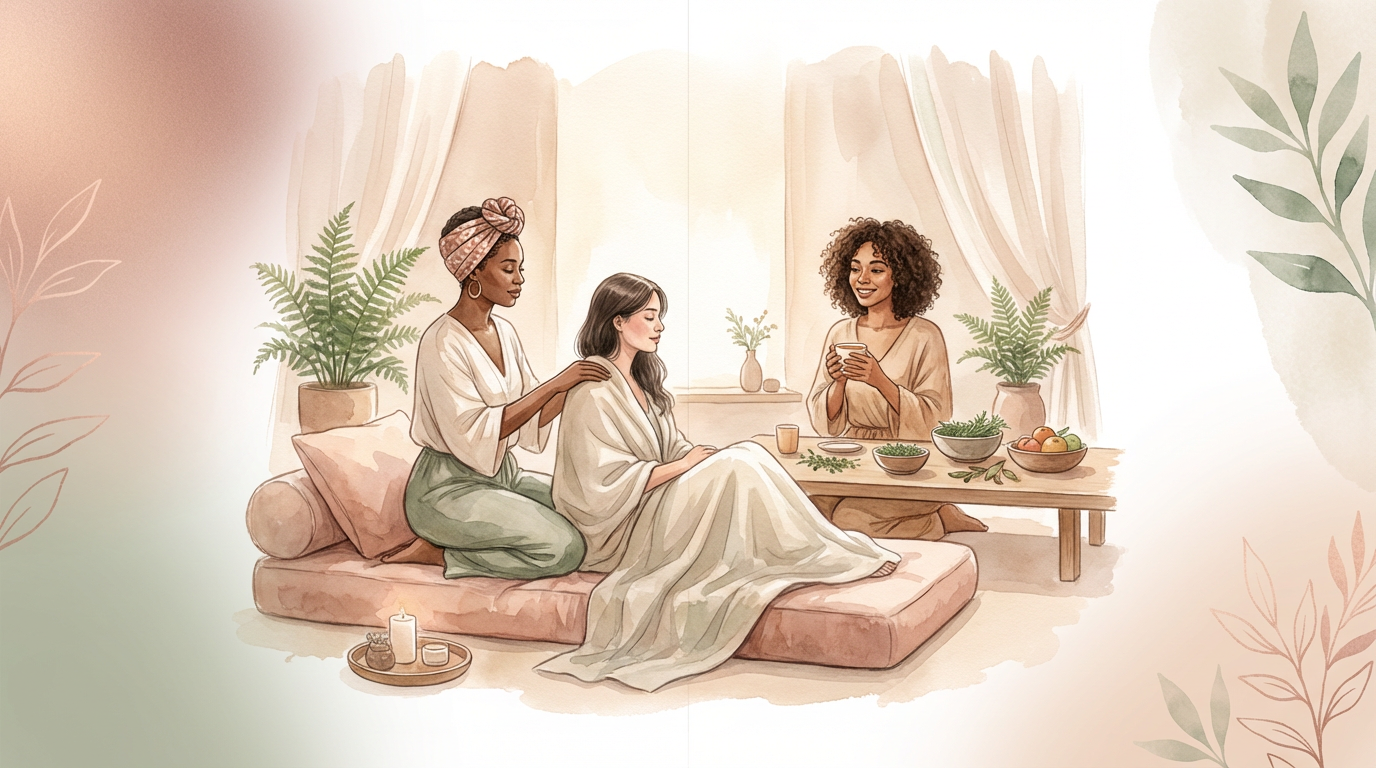
Postpartum Care Caribbean Style: The Lying-In Period
The Caribbean 'lying-in' period, or 'quarentena,' is a traditional postpartum care practice emphasizing rest, nourishment, and community support for new mothers. This cultural approach prioritizes healing and bonding over immediate resumption of daily tasks. It offers valuable lessons for modern postpartum recovery.
Listen to this article
~13 min listen
Click play to generate audio narration with a calming voice
TL;DR Summary
- •Caribbean 'Lying-In' (Quarentena): A traditional 40-day postpartum care period focused on maternal rest, recovery, and bonding.
- •Holistic Support: Emphasizes nutrient-rich foods, herbal remedies, limited physical exertion, and strong community/family assistance.
- •Lessons for Modern Mothers: Prioritizes maternal well-being and offers a blueprint for structured, supported postpartum healing.
Understanding Postpartum Care Caribbean Style: The Lying-In Period
Postpartum care, particularly the traditional Caribbean 'lying-in' period, also known as 'quarentena' in many Latin-influenced Caribbean cultures or simply 'the 40 days,' is a deeply rooted practice that prioritizes a new mother's physical and emotional recovery after childbirth. This cultural tradition emphasizes several weeks of dedicated rest, specialized nutrition, and unwavering community support, allowing the birthing parent to heal, bond with their newborn, and transition into motherhood with minimal stress. Unlike the often rushed return to normalcy in Western societies, the Caribbean lying-in period champions a slower, more intentional approach to postpartum recovery, offering profound benefits for both mother and baby.
What Exactly is the Caribbean 'Lying-In' Period?
The Caribbean 'lying-in' period refers to a traditional postpartum practice, often lasting around 40 days (hence 'quarentena'), where a new mother is expected to rest, recover, and receive intensive support from family and community members. This period is not merely about physical recuperation but encompasses a holistic approach to wellness, addressing emotional, spiritual, and practical needs. The core philosophy is that the mother has undergone a significant physical and emotional ordeal and requires dedicated time and resources to heal and adapt to her new role without the burdens of household chores or external pressures. This structured period of care is designed to prevent long-term health issues for the mother and foster a strong, healthy start for the newborn.
Research highlights the importance of such structured postpartum support. A study published in the Journal of Obstetric, Gynecologic, & Neonatal Nursing emphasized that adequate rest and social support during the postpartum period are critical for preventing postpartum depression and promoting successful breastfeeding outcomes (Dennis et al., 2009). The Caribbean lying-in period inherently provides these elements.
Why is the 'Lying-In' Period So Important for New Mothers?
The significance of the lying-in period for new mothers cannot be overstated. Childbirth, regardless of delivery method, is a major physiological event that requires substantial recovery time. The uterus contracts, hormones fluctuate dramatically, and the body expends immense energy to produce breast milk, if breastfeeding. Without adequate rest and nourishment, mothers can experience prolonged fatigue, delayed healing, increased risk of infections, and a higher incidence of postpartum mood disorders such as postpartum depression and anxiety.
Furthermore, the early weeks are crucial for establishing breastfeeding, if chosen, and for the foundational bonding between mother and baby. When a mother is relieved of daily responsibilities like cooking, cleaning, and caring for older children, she can dedicate her energy to these vital tasks. This protected time allows for uninterrupted skin-to-skin contact, frequent nursing, and responsive caregiving, which are all essential for infant development and maternal confidence. The traditional Caribbean approach to postpartum care acknowledges these biological and emotional imperatives, providing a framework for optimal recovery and attachment.
What Are the Core Principles of Caribbean Postpartum Care?
The Caribbean approach to postpartum care is built upon several foundational principles that work in concert to support the new mother:
- •Mandated Rest and Limited Activity: This is perhaps the most defining characteristic. New mothers are strongly encouraged, and often expected, to stay indoors, avoid heavy lifting, strenuous activities, and even extensive walking for the duration of the lying-in period. The focus is on conserving energy for healing and infant care.
- •Nutrient-Rich, Restorative Foods: Diet plays a crucial role. Meals are carefully prepared, often by family members, focusing on easily digestible, warming, and highly nutritious foods believed to aid in blood replenishment, milk production, and overall recovery. Specific foods and herbal teas are often consumed for their traditional healing properties.
- •Warmth and Protection from 'Cold': Many Caribbean traditions subscribe to the belief that the birthing body is 'open' and susceptible to 'cold' after childbirth, which can lead to illness or discomfort. This translates to practices like wearing warm clothing, avoiding cold drinks, limiting exposure to drafts, and using warm compresses or baths. The concept of 'cold' here often refers to states of imbalance or vulnerability rather than just temperature.
- •Community and Family Support: This is the bedrock of the lying-in period. Grandmothers, aunts, sisters, and close friends step in to manage household chores, cook meals, care for older children, and provide emotional support. This communal effort ensures the mother's only focus is on herself and her baby.
- •Herbal Remedies and Traditional Practices: Specific herbs, often passed down through generations, are used in teas, baths, or compresses to aid healing, reduce swelling, improve circulation, and support lactation. Examples might include soursop leaf tea for relaxation or ginger for warmth and digestion.
These principles collectively create an environment where the mother's needs are paramount, fostering a supportive cocoon for recovery and bonding. The World Health Organization (WHO) emphasizes the importance of social support in postpartum care, noting that strong family and community networks are beneficial for maternal mental health and infant well-being (WHO, 2018).
What Specific Foods and Herbal Remedies are Common During Quarentena?
During the traditional postpartum care period, the dietary focus is on restoring strength, replenishing blood, and supporting lactation. Foods are often prepared to be 'warming' and easy to digest. Common examples include:
- •Soups and Stews: Hearty broths made with lean meats (chicken, fish), root vegetables (yam, sweet potato, dasheen), and nutrient-dense greens (callaloo, spinach). These are excellent for hydration and nutrient delivery.
- •Porridges: Cornmeal porridge, oatmeal, or plantain porridge, often enriched with milk, spices (nutmeg, cinnamon), and sometimes fortified with local superfoods like moringa powder. These provide sustained energy.
- •Ground Provisions: Boiled or steamed yam, green banana, cassava, and sweet potato are staples, offering complex carbohydrates and essential minerals.
- •Lactation-Boosting Foods: Fenugreek (often in teas), oats, and certain leafy greens are believed to enhance milk supply.
- •Herbal Teas: Commonly consumed teas include ginger tea for warmth and digestion, soursop leaf tea for relaxation and sleep, and various 'bush teas' made from local herbs known for their restorative properties. Moringa tea is also gaining popularity for its nutrient density.
It's important to note that while many traditional remedies have anecdotal evidence and cultural significance, scientific validation for all of them may vary. Always consult with a healthcare provider before incorporating new herbal remedies, especially if breastfeeding or on medication. However, the emphasis on whole, unprocessed, nutrient-dense foods is universally beneficial for postpartum recovery.
How Does Community Support Manifest During the Lying-In Period?
Community and family support are the cornerstones of effective postpartum care in the Caribbean. This support extends beyond mere assistance; it's a cultural expectation and a demonstration of love and care. Here's how it typically manifests:
- •Household Management: Grandmothers, aunts, and sisters will take over cooking, cleaning, laundry, and caring for older children, ensuring the new mother can fully rest.
- •Newborn Care Assistance: Experienced family members often help with bathing the baby, changing diapers, and soothing the infant, particularly at night, allowing the mother to get crucial sleep.
- •Emotional Support: The presence of loving family members provides a strong emotional buffer, reducing feelings of isolation and offering a space for the mother to share her experiences and anxieties without judgment. This continuous presence acts as a protective factor against postpartum depression.
- •Passing Down Knowledge: Older women in the family share wisdom about infant care, breastfeeding techniques, and traditional postpartum practices, empowering the new mother with practical skills and confidence.
- •Food Provision: It's common for neighbors and friends to bring prepared meals to the household, further alleviating the cooking burden and ensuring the mother receives nourishing food.
This robust support system stands in stark contrast to the often isolated experience of new mothers in individualistic societies, where the burden of childcare and household duties often falls solely on the birthing parent. The collective effort during the lying-in period reinforces the idea that raising a child is a community endeavor.
What are the Potential Benefits and Challenges of This Approach?
Benefits:
- •Enhanced Maternal Recovery: Dedicated rest, nutritious food, and minimal stress significantly aid physical healing and reduce the risk of complications.
- •Reduced Postpartum Depression Risk: Strong social support and reduced workload are powerful protective factors against postpartum mood disorders.
- •Improved Breastfeeding Outcomes: Ample rest and support allow for better establishment of breastfeeding and increased milk supply.
- •Stronger Mother-Baby Bonding: The protected time allows for uninterrupted bonding and attachment.
- •Preservation of Cultural Heritage: The practice reinforces community ties and passes down valuable traditions.
- •Long-Term Health: Traditional beliefs suggest that proper 'lying-in' prevents long-term ailments like chronic back pain or internal issues, though scientific evidence for all these claims is ongoing.
Challenges:
- •Modern Lifestyle Conflicts: In contemporary society, with smaller families and geographical dispersion, it can be challenging to mobilize the traditional level of family support.
- •Economic Pressures: Many women need to return to work sooner than 40 days, making prolonged rest difficult.
- •Lack of Awareness/Misunderstanding: Younger generations may not fully understand or appreciate the value of the tradition.
- •Gender Roles: While supportive, some aspects can reinforce traditional gender roles, placing the primary care burden on female relatives.
- •Access to Traditional Knowledge: As societies modernize, the knowledge of specific herbal remedies and practices might diminish.
Despite these challenges, the core tenets of the Caribbean lying-in period offer invaluable lessons for modern postpartum care, emphasizing the universal need for rest, nourishment, and unwavering support for new mothers.
How Can Modern Mothers Adapt 'Lying-In' Principles to Their Postpartum Care?
Even without a full traditional 'quarentena,' modern mothers can integrate key principles of Caribbean postpartum care into their recovery plan:
- •Prioritize Rest Ruthlessly: Schedule naps, accept help with night feedings, and limit visitors. Remember, sleep deprivation is a major contributor to postpartum challenges. Consider a 'babymoon' at home where you prioritize rest above all else for the first few weeks.
- •Meal Train or Batch Cooking: Prepare freezer meals before birth or organize a meal train with friends and family. Focus on warm, nutritious, and easy-to-eat foods. Don't be afraid to ask for specific dishes that you find comforting and nourishing.
- •Build Your Support Network: Identify your 'village' – partner, family, close friends, or hired postpartum doulas. Clearly communicate your needs and delegate tasks like laundry, grocery shopping, and childcare for older children. Don't be a hero; accept all offers of help.
- •Embrace Warmth and Comfort: Whether through warm baths, cozy clothing, or comforting teas, create an environment that feels nurturing and protective. This can be a physical and emotional comfort.
- •Limit External Demands: Say no to non-essential commitments. Postpone social events, avoid house guests who expect to be entertained, and set boundaries with well-meaning but demanding visitors. Your priority is healing and bonding.
- •Seek Professional Guidance: Integrate traditional wisdom with modern medicine. Consult your doctor or a lactation consultant for any concerns, and consider a postpartum doula who can offer both practical and emotional support, embodying some of the community roles.
- •Mindful Movement: While strenuous activity is out, gentle movement like short walks (if cleared by your doctor) or pelvic floor exercises can aid recovery without overexertion. Listen to your body.
By consciously integrating these elements, new mothers can create a more supportive and restorative postpartum experience, mirroring the wisdom of the Caribbean lying-in period and fostering a healthier transition into motherhood.
Key Takeaways
- •The Caribbean 'lying-in' (quarentena) is a traditional postpartum care period focused on dedicated maternal rest, nourishment, and community support.
- •It typically lasts around 40 days, emphasizing physical and emotional healing, and infant bonding.
- •Core principles include mandated rest, nutrient-rich foods, warmth, and extensive family/community assistance with household tasks and older children.
- •Specific foods like hearty soups, porridges, and traditional herbal teas are consumed for their restorative and lactogenic properties.
- •Benefits include enhanced maternal recovery, reduced risk of postpartum depression, improved breastfeeding outcomes, and stronger mother-baby bonding.
- •Modern mothers can adapt these principles by prioritizing rest, building a strong support network, pre-planning meals, and limiting external demands to create a more supportive postpartum experience.
Frequently Asked Questions
What is the origin of the 40-day 'lying-in' period in Caribbean culture?
The 40-day 'lying-in' period, often called 'quarentena' in many Caribbean regions, has roots in various ancient traditions, including biblical references (e.g., Leviticus 12:2-4 regarding purification after childbirth) and practices brought by African and European settlers. It reflects a universal understanding across many cultures that childbirth requires a significant recovery period, typically around six weeks, which aligns with the physiological healing time for the uterus and other bodily changes.
Is the 'lying-in' period still practiced widely in the Caribbean today?
While the intensity and strictness of the 'lying-in' period may vary in modern times, especially in urban areas or among younger generations, the core principles of seeking rest, receiving family support, and consuming nourishing foods remain prevalent. Many Caribbean women still receive significant support from their mothers, aunts, and grandmothers during their postpartum period, even if it's not a full 40 days of strict confinement.
Are there any specific risks associated with following traditional Caribbean postpartum practices?
Generally, the emphasis on rest, nutrition, and support is beneficial. However, potential risks could arise if traditional remedies replace necessary medical care (e.g., not seeking medical attention for postpartum hemorrhage or infection). Additionally, some traditional dietary restrictions or herbal remedies might not be suitable for everyone, especially if breastfeeding or on medication. It's always crucial to integrate traditional practices with modern medical advice and ensure any herbal supplements are safe and properly sourced.
How does the 'lying-in' period differ from Western postpartum care?
The primary difference lies in the emphasis on structured, prolonged rest and community support. Western postpartum care often encourages a quicker return to daily activities and places a greater burden on the nuclear family, with less emphasis on extended family or community involvement in daily chores. The Caribbean approach mandates a period of intense care for the mother, whereas Western care often focuses more on the baby's immediate needs, sometimes overlooking the mother's comprehensive recovery.
Can partners participate in the 'lying-in' period, and what is their role?
Absolutely. While traditionally women often took the lead in supporting the new mother, modern Caribbean families increasingly involve partners. Their role can include providing emotional support, assisting with newborn care (diaper changes, soothing), managing household tasks, caring for older children, and advocating for the mother's rest. A supportive partner is crucial in enabling the mother to fully embrace the principles of the lying-in period.
What if a new mother doesn't have immediate family nearby to help with the 'lying-in' period?
This is a common challenge in modern society. If immediate family isn't available, mothers can create a similar support system by hiring postpartum doulas, organizing a 'meal train' with friends, delegating tasks to a supportive partner, or utilizing community groups and virtual support networks. The key is to proactively plan for support and not hesitate to ask for help from anyone in your extended network who is willing and able to assist.
Is there scientific evidence supporting the benefits of the 'lying-in' period's practices?
Yes, many aspects of the 'lying-in' period are supported by scientific evidence. Ample rest is known to aid physical recovery and reduce fatigue. Nutrient-dense foods are vital for healing and lactation. Strong social support is a proven factor in reducing the risk of postpartum depression and anxiety. Skin-to-skin contact and uninterrupted bonding time are critical for infant development and maternal attachment. While specific herbal remedies require more research, the overall framework aligns well with contemporary recommendations for optimal postpartum recovery.
Start Your Wellness Journey Today
Ready to track your cycle, fertility, pregnancy, or menopause journey? Download PERIODiQ - your iQ-powered wellness companion designed for every stage of your health journey.
Get PERIODiQ Free: https://periodiq.app
Your Wellness Journey Starts Here
Download PERIODiQ
Scan the QR code or tap the link to get started with your personalized health tracking.
periodiq.app • iOS & Android
Cite this article
PERIODiQ Editorial Team (2026). "Postpartum Care Caribbean Style: The Lying-In Period." PERIODiQ. https://periodiq.app/library/postpartum-care-caribbean-style-the-lying-in-period-1774202261832
"Postpartum Care Caribbean Style: The Lying-In Period." PERIODiQ, 2026, https://periodiq.app/library/postpartum-care-caribbean-style-the-lying-in-period-1774202261832.
Send this to a friend — PERIODiQ is free for them too. No card. No paywall.
Loved this? Save articles, track your cycle, and unlock meditations — free forever.
Disclaimer: PERIODiQ™ offers general wellness information only. It does not provide medical advice, diagnosis, or treatment. Always speak with a licensed health professional about your health.