
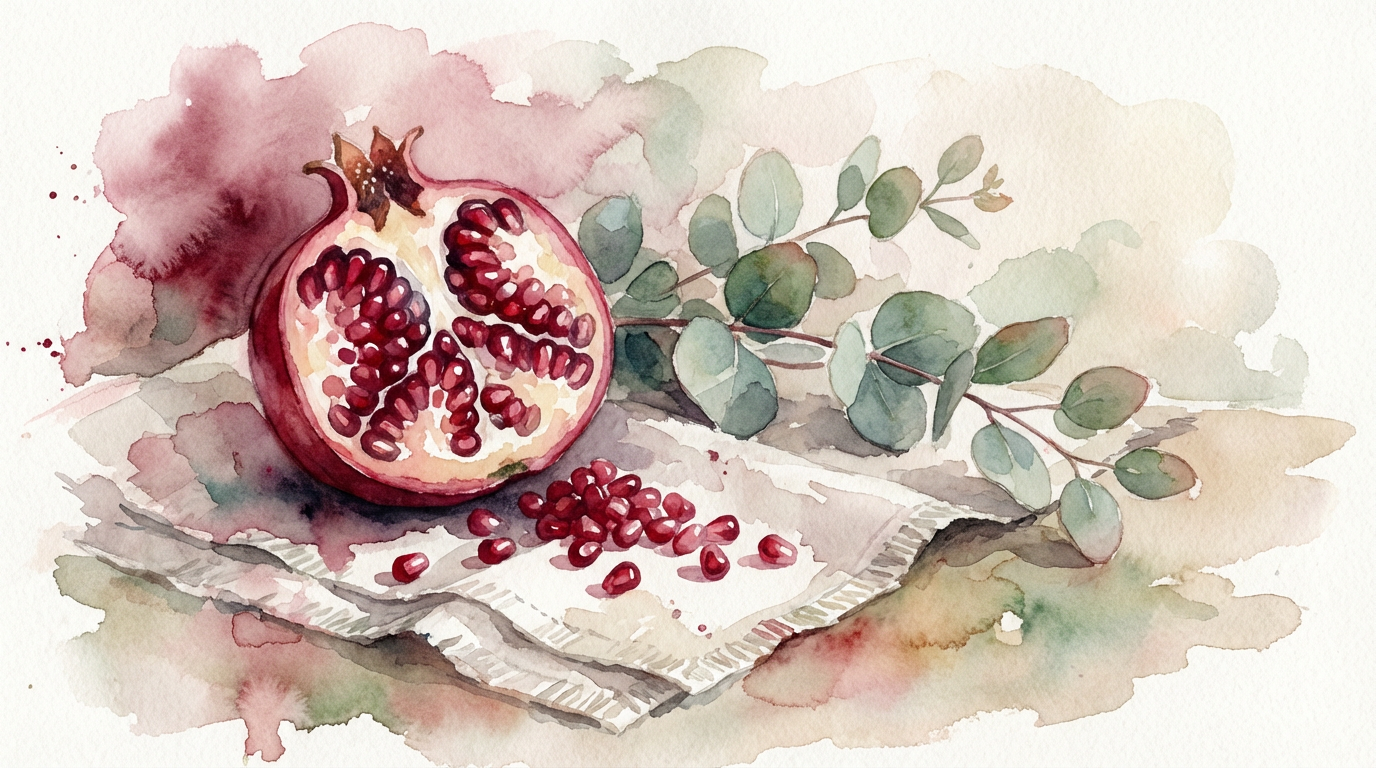
Pomegranate for Hormonal Health: The Ancient Fruit With Modern Science
Pomegranate, a vibrant ancient fruit, offers significant benefits for hormonal health in women due to its rich content of phytoestrogens, antioxidants, and anti-inflammatory compounds. These bioactive components, particularly punicalagins, interact with hormonal pathways to support menstrual regularity, fertility, and menopausal comfort, making it a valuable dietary addition for women at various life stages.
Listen to this article
~15 min listen
Click play to generate audio narration with a calming voice
TL;DR Summary
- •Pomegranate is rich in phytoestrogens, antioxidants, and anti-inflammatory compounds that support women's hormonal balance.
- •Its key bioactive compounds, especially punicalagins, modulate estrogen activity and combat oxidative stress, benefiting menstrual health, fertility, and menopause.
- •Incorporating pomegranate into the diet can offer a natural, evidence-based approach to enhancing overall hormonal well-being.
Pomegranate for Hormonal Health: The Ancient Fruit With Modern Science
Pomegranate, a vibrant and ancient fruit revered across cultures for its health-promoting properties, offers significant benefits for hormonal health in women due to its rich content of phytoestrogens, antioxidants, and anti-inflammatory compounds. This article delves into the scientific evidence supporting pomegranate's role in modulating pomegranate hormones and supporting pomegranate women health across different life stages, exploring how its unique biochemical profile, particularly its high concentration of punicalagins, can positively influence the endocrine system and overall well-being.
What Makes Pomegranate a Hormonal Powerhouse?
Pomegranate's efficacy as a hormonal support agent stems from its complex nutritional profile, which includes a synergistic blend of polyphenols, flavonoids, and ellagitannins. The primary compounds responsible for its hormonal benefits are phytoestrogens, which are plant-derived compounds structurally and functionally similar to human estrogen, and potent antioxidants like punicalagins. These components work in concert to influence various physiological processes, including hormone synthesis, metabolism, and receptor activity.
How Do Phytoestrogens in Pomegranate Impact Hormones?
Phytoestrogens in pomegranate, such as those derived from ellagitannins, exert their effects by binding to estrogen receptors in the body, albeit with a weaker affinity than endogenous estrogen. This interaction can lead to both estrogenic and anti-estrogenic effects, depending on the tissue and the body's existing hormonal milieu. For example, in situations of low estrogen, pomegranate's phytoestrogens can offer a mild estrogenic boost, potentially alleviating symptoms associated with estrogen deficiency. Conversely, in conditions of estrogen dominance, they can competitively bind to receptors, thereby reducing the overall impact of stronger endogenous estrogens. This adaptogenic quality allows pomegranate to help stabilize pomegranate estrogen levels, promoting a more balanced hormonal environment.
What Are Punicalagins and How Do They Contribute?
Punicalagins are the most abundant and potent ellagitannins found in pomegranate, largely responsible for the fruit's antioxidant and anti-inflammatory properties. Once ingested, punicalagins are metabolized in the gut into smaller compounds, including ellagic acid and urolithins. These metabolites are then absorbed and can exert systemic effects. Research indicates that urolithins, specifically urolithin A and B, possess significant biological activity, including modulating estrogen metabolism and influencing cellular processes related to hormonal balance. They can impact the activity of aromatase, an enzyme crucial for estrogen synthesis, and may also affect estrogen receptor signaling, contributing to the fruit's overall benefit for pomegranate hormones.
How Do Antioxidants and Anti-inflammatory Compounds Support Hormonal Health?
Hormonal imbalances are often exacerbated by chronic inflammation and oxidative stress. Pomegranate's rich antioxidant content, primarily from punicalagins and other polyphenols, effectively neutralizes free radicals, reducing cellular damage and inflammation. This anti-inflammatory action is crucial for maintaining the health of endocrine glands, such as the ovaries and adrenal glands, which are vital for hormone production. By mitigating oxidative stress, pomegranate helps to create a more favorable environment for optimal hormone synthesis and function, supporting overall pomegranate women health.
Benefits by Life Stage
Pomegranate's multifaceted benefits make it a valuable dietary inclusion for women across various life stages, addressing specific hormonal challenges unique to each period.
Menstrual Health (Periods, Cramps, PMS)
For women experiencing menstrual irregularities, premenstrual syndrome (PMS), or painful periods (dysmenorrhea), pomegranate can offer significant relief. The fruit's anti-inflammatory properties, largely attributed to punicalagins, can help reduce the severity of menstrual cramps by inhibiting prostaglandin synthesis, which are compounds that trigger uterine contractions and pain. Furthermore, its phytoestrogens may help to balance fluctuating hormone levels throughout the menstrual cycle, potentially alleviating symptoms like mood swings, breast tenderness, and bloating associated with PMS. Regular consumption of pomegranate, either as juice or fresh fruit, can contribute to a more comfortable and regular menstrual cycle, addressing issues related to pomegranate hormones and cyclic discomfort.
Research suggests that the antioxidant capacity of pomegranate may also protect against oxidative stress that can occur during the luteal phase of the menstrual cycle, further supporting overall uterine health. By promoting a healthier inflammatory response, pomegranate creates an environment conducive to smoother menstrual experiences.
Fertility Journey (TTC, Ovulation, Conception)
For women trying to conceive (TTC), reproductive health is paramount, and pomegranate women health benefits extend significantly to fertility. Pomegranate's powerful antioxidants can protect egg quality from oxidative damage, which is a critical factor in successful conception. Oxidative stress can impair ovarian function, disrupt ovulation, and negatively impact embryo development. By scavenging free radicals, pomegranate helps maintain cellular integrity within the reproductive system.
Moreover, the anti-inflammatory effects of pomegranate can improve uterine blood flow, which is essential for endometrial receptivity – the ability of the uterine lining to accept an embryo. Enhanced blood circulation to the uterus creates a healthier environment for implantation. Some studies also indicate that ellagic acid, a metabolite of punicalagins, may have a role in improving hormonal signaling pathways crucial for ovulation. While not a standalone fertility treatment, incorporating pomegranate into a fertility-focused diet can be a supportive measure, particularly for optimizing egg health and uterine conditions.
Pregnancy (Trimesters, Prenatal Care)
During pregnancy, maintaining optimal health is crucial for both mother and baby. Pomegranate offers several benefits, though moderation and consultation with a healthcare provider are always recommended. Its rich nutrient profile, including folate, vitamin K, vitamin C, and potassium, supports overall maternal health and fetal development. Folate is vital for preventing neural tube defects, while vitamin K is important for blood clotting. Vitamin C boosts immunity, and potassium helps maintain fluid balance.
The antioxidant properties of pomegranate are particularly beneficial in counteracting oxidative stress that can increase during pregnancy. This may help protect against complications like preeclampsia, a condition linked to oxidative stress and inflammation, though more research is needed in this area. Furthermore, the anti-inflammatory effects can help manage general inflammation, promoting a healthier gestational environment. For specific concerns about pomegranate hormones during pregnancy, such as its phytoestrogenic effects, professional medical advice is essential, but its overall nutritional richness makes it a valuable prenatal food.
Menopause (Perimenopause, Hormonal Changes)
Menopause marks a significant hormonal transition, characterized by declining estrogen levels, leading to a range of symptoms from hot flashes and night sweats to mood changes and bone density loss. Pomegranate's phytoestrogens can play a supportive role during this phase by offering a mild estrogenic effect, potentially alleviating some of these uncomfortable symptoms. By interacting with estrogen receptors, these plant compounds can help to modulate the body's response to decreasing endogenous estrogen, providing a gentle form of hormonal support.
Studies have explored the potential of pomegranate extracts to reduce menopausal symptoms, with some promising results indicating a decrease in hot flash frequency and severity. The antioxidant and anti-inflammatory properties further support bone health, cardiovascular health, and cognitive function, all of which can be impacted by menopausal hormonal changes. Punicalagins and their metabolites contribute to this protective effect, helping to mitigate age-related chronic diseases often associated with menopause. As a natural alternative or complement to conventional treatments, pomegranate can be a valuable addition to a woman's diet during perimenopause and postmenopause to support pomegranate women health.
Practical Ways to Incorporate Pomegranate into Your Diet
Integrating pomegranate into your daily routine is simple and delicious. You can enjoy the fresh arils (seeds) directly, add them to salads, yogurt, oatmeal, or smoothies. Pomegranate juice is another popular option, but it's important to choose 100% pure juice with no added sugars to maximize health benefits. You can also find pomegranate extracts or supplements, but always consult with a healthcare professional before starting any new supplement regimen, especially if you have underlying health conditions or are taking medications.
Consider making a vibrant pomegranate salad dressing, infusing water with pomegranate arils, or even using it in savory dishes like quinoa salads or roasted vegetables. The key is consistent, moderate consumption to allow the bioactive compounds to exert their beneficial effects on pomegranate hormones and overall health.
Potential Side Effects and Considerations
While generally safe for most people, some individuals may experience side effects when consuming pomegranate. These can include allergic reactions in sensitive individuals, characterized by symptoms like itching, swelling, or difficulty breathing. Pomegranate juice can also interact with certain medications, particularly blood thinners (like warfarin) due to its vitamin K content, and some blood pressure medications, potentially increasing their effects. Individuals with low blood pressure should also monitor their intake, as pomegranate may further lower blood pressure. As with any dietary change, especially when targeting specific health conditions or hormonal balance, it's always advisable to consult with a healthcare professional or a registered dietitian to ensure it's appropriate for your individual needs.
Key Takeaways
- •Pomegranate is a rich source of phytoestrogens, antioxidants, and anti-inflammatory compounds beneficial for women's hormonal health.
- •Punicalagins are key bioactive components, metabolized into urolithins that modulate estrogen activity and combat oxidative stress.
- •It supports menstrual health by reducing cramps and PMS symptoms through anti-inflammatory actions and hormonal balance.
- •For fertility, pomegranate protects egg quality and improves uterine blood flow, enhancing chances of conception.
- •During pregnancy, it provides essential nutrients and antioxidants, though moderation and medical consultation are advised.
- •In menopause, its phytoestrogens can help alleviate symptoms like hot flashes by providing mild estrogenic support.
- •Consistent dietary incorporation of pomegranate can significantly contribute to overall pomegranate women health and hormonal well-being.
Frequently Asked Questions
Q: Can pomegranate really balance hormones?
Yes, pomegranate contains phytoestrogens that can interact with estrogen receptors, offering a mild estrogenic effect when estrogen levels are low and a competitive, anti-estrogenic effect when levels are high. This adaptogenic quality helps to modulate and balance pomegranate hormones, supporting overall endocrine function.
Q: How much pomegranate should I consume for hormonal benefits?
There's no universally prescribed amount, but incorporating 1/2 cup of fresh pomegranate arils or 4-8 ounces of 100% pure pomegranate juice daily or several times a week can be beneficial. Consistency is key, and individual needs may vary, so listening to your body and consulting a dietitian is always recommended.
Q: Is pomegranate good for estrogen dominance?
Pomegranate's phytoestrogens can have a modulating effect. In cases of estrogen dominance, they can competitively bind to estrogen receptors, potentially reducing the impact of stronger endogenous estrogens. Additionally, compounds like urolithins, derived from punicalagins, may influence estrogen metabolism, which could be beneficial. However, for significant estrogen dominance, a comprehensive approach under medical guidance is necessary.
Q: How does pomegranate help with period cramps?
Pomegranate helps with period cramps primarily through its potent anti-inflammatory properties, largely attributed to punicalagins. It can help reduce the production of prostaglandins, which are hormone-like compounds that cause uterine contractions and pain during menstruation, leading to less severe cramps.
Q: Can men consume pomegranate for hormonal health?
Yes, men can also benefit from pomegranate. While this article focuses on pomegranate women health, pomegranate's antioxidants and anti-inflammatory compounds support general health, cardiovascular health, and may even play a role in prostate health and testosterone levels, though research in these areas is ongoing.
Q: Are there any specific conditions where pomegranate should be avoided?
Individuals on blood-thinning medications (like warfarin), blood pressure medications, or those with known allergies to pomegranate should exercise caution or avoid it. It's always best to consult a healthcare provider before making significant dietary changes, especially if you have existing health conditions or are taking prescription drugs.
Q: What are the primary compounds in pomegranate responsible for its hormonal effects?
The primary compounds in pomegranate responsible for its hormonal effects are phytoestrogens (derived from ellagitannins) and the potent antioxidants called punicalagins. These compounds, particularly after being metabolized into urolithins in the gut, interact with estrogen receptors and influence various hormonal pathways.
Start Your Wellness Journey Today
Ready to track your cycle, fertility, pregnancy, or menopause journey? Download PERIODiQ - your iQ-powered wellness companion designed for every stage of your health journey.
Get PERIODiQ Free: https://periodiq.app
Your Wellness Journey Starts Here
Download PERIODiQ
Scan the QR code or tap the link to get started with your personalized health tracking.
periodiq.app • iOS & Android
Cite this article
PERIODiQ Editorial Team (2026). "Pomegranate for Hormonal Health: The Ancient Fruit With Modern Science." PERIODiQ. https://periodiq.app/library/pomegranate-for-hormonal-health-the-ancient-fruit-with-modern-science
"Pomegranate for Hormonal Health: The Ancient Fruit With Modern Science." PERIODiQ, 2026, https://periodiq.app/library/pomegranate-for-hormonal-health-the-ancient-fruit-with-modern-science.
Send this to a friend — PERIODiQ is free for them too. No card. No paywall.
Loved this? Save articles, track your cycle, and unlock meditations — free forever.
Disclaimer: PERIODiQ™ offers general wellness information only. It does not provide medical advice, diagnosis, or treatment. Always speak with a licensed health professional about your health.