Periods & Sports: Teen Athletes' Game Day Guide
Managing periods while playing sports is totally normal for teen athletes. With the right strategies like cycle tracking, pain management, and proper nutrition, you can perform your best and feel comfortable, even on game day. Don't let your period sideline your athletic dreams!
Listen to this article
~13 min listen
Click play to generate audio narration with a calming voice
TL;DR
- •Your period doesn't have to stop you from playing sports! Many teen athletes manage their cycle effectively.
- •Tracking your period helps you predict it and prepare for game day, reducing stress and surprises.
- •Pain relief, proper hydration, and smart nutrition are key to feeling your best and performing well during your period.
Can I Still Play Sports When I Have My Period?
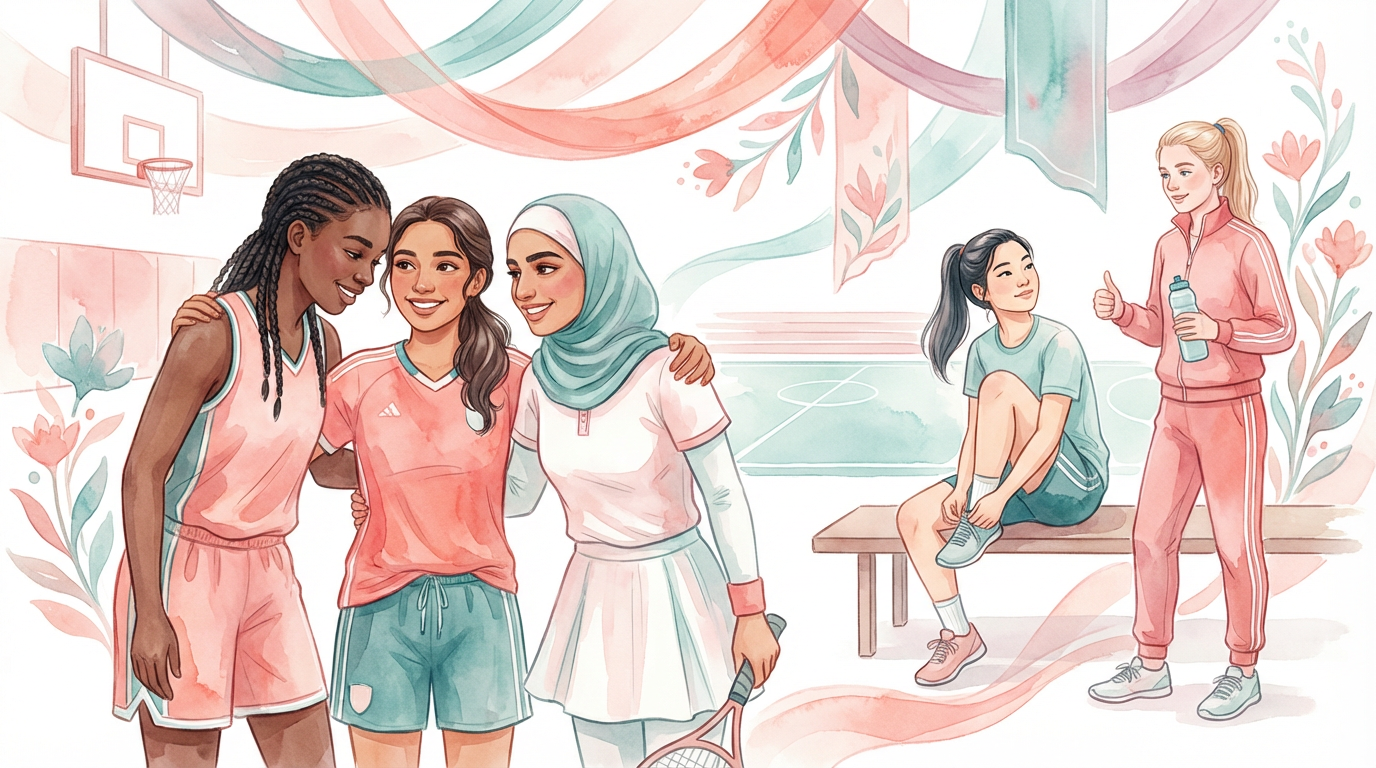
Absolutely, yes! Having your period is a completely normal part of being a teen girl, and it doesn't mean you have to sit on the sidelines when it comes to sports. Millions of teen athletes, from soccer stars to track champions, manage their periods and continue to excel in their chosen activities every single day. While it might feel a little inconvenient or uncomfortable sometimes, with the right knowledge and preparation, your period won't stop you from scoring goals, running faster, or acing your routine. This guide will walk you through everything you need to know about periods and sports, offering practical, friendly advice for teen athlete menstruation.
It's super common to wonder how your body changes during your period might affect your athletic performance. You might worry about cramps, fatigue, or even leaks. But here's the good news: your body is amazing and resilient! Understanding your cycle and how to best support your body during this time can actually empower you to feel stronger and more confident both on and off the field.
How Do Periods Affect Athletic Performance?
Different people experience their periods differently, so how it affects your athletic performance can vary. Some teen athletes might feel a little more tired or experience period cramps that make movement uncomfortable. Others might not notice much difference at all! It's all part of being unique.
Energy Levels and Fatigue
During your period, especially in the first few days, your hormone levels (like estrogen and progesterone) are generally lower. This can sometimes lead to feelings of fatigue or lower energy. You might feel like you need a bit more rest or that your usual warm-up feels a bit harder. This is totally normal! Your body is doing a lot of work, and it's okay to acknowledge that.
Muscle Strength and Endurance
Interestingly, some research suggests that during certain phases of your menstrual cycle (like the follicular phase, which starts on the first day of your period and goes until ovulation), your body might actually be primed for strength and endurance training. However, during your period itself, factors like fatigue or discomfort from cramps might mask these potential benefits. It's more about how you feel and how you manage any symptoms.
Pain and Discomfort
Period cramps (dysmenorrhea) are a common symptom that can definitely impact how you feel during sports. These cramps are caused by contractions of your uterus as it sheds its lining. Back pain, headaches, and breast tenderness are also common. While these can be annoying, there are many ways to manage them, which we'll get into shortly.
Hydration and Bloating
Many girls experience some bloating before or during their period due to fluid retention. This can sometimes make you feel a bit heavy or sluggish. Staying well-hydrated is crucial, as it can actually help reduce bloating and keep your body functioning optimally during exercise.
What Are the Best Ways to Manage Your Period During Sports?
Managing your period effectively means being prepared and listening to your body. These athletic period tips are designed to help you stay in the game!
1. Track Your Cycle 🗓️
This is perhaps the most powerful tool you have! Knowing when your period is likely to start can help you prepare for practices, games, and competitions. You can use a simple calendar, a journal, or a period tracking app like PERIODiQ.
Why it helps:
- •No Surprises: You'll know if a big game or swim meet is coming up when your period is due.
- •Symptom Awareness: You can start to notice patterns in your energy levels, mood, and pain, allowing you to prepare with pain relief or extra rest.
- •Packing Smart: You'll know to pack extra period products, pain relievers, and a change of clothes.
Research Context: Cycle tracking is a fundamental aspect of menstrual health management, allowing individuals to identify regularities and irregularities, and anticipate symptoms. (Fehring, R. J., et al. (2018). Journal of Obstetric, Gynecologic & Neonatal Nursing, 47(5), 653-662).
2. Choose the Right Period Protection 🩸
This is key for comfort and confidence during physical activity. There are several great options, and what works best for you might take a little trial and error.
- •Pads: Great for lighter flows and easy to use. Look for athletic pads designed to stay in place and absorb quickly. They might feel bulky for some sports, especially swimming.
- •Tampons: Many athletes prefer tampons because they're internal, providing discreet and secure protection, even for swimming. Make sure to use the lowest absorbency necessary for your flow and change them regularly (every 4-8 hours). If you're new to tampons, try practicing at home first.
- •Menstrual Cups: These are reusable, flexible cups inserted into the vagina to collect blood. They can hold more blood than tampons and can be worn for up to 12 hours, making them excellent for long practices or game days. They have a learning curve, but many athletes swear by them for their comfort and eco-friendliness.
- •Period Underwear: These look like regular underwear but have absorbent layers built-in. They're great for lighter days, as a backup for tampons/cups, or for activities where you might feel more comfortable without internal products. They're becoming super popular for their comfort and convenience.
Pro Tip: Always pack extra supplies in your sports bag – a small pouch with a few pads, tampons, or period underwear can be a lifesaver!
3. Pain Management Strategies 💪
Don't just tough it out if you're experiencing cramps or discomfort! There are effective ways to manage pain.
- •Over-the-Counter Pain Relievers: Medications like ibuprofen (Advil, Motrin) or naproxen (Aleve) can be very effective at reducing period pain. Take them as directed on the label, ideally before your cramps get really bad. If you're unsure, ask a trusted adult or your doctor.
- •Heat Therapy: A heating pad or a warm bath can do wonders for soothing cramps. While you can't bring a heating pad to the game, a warm shower before or after can help.
- •Gentle Movement: Sometimes, light stretching or a gentle warm-up can actually help ease cramps. Listen to your body and don't push yourself too hard.
- •Hydration: Drinking plenty of water can help reduce bloating, which can sometimes worsen cramps.
Research Context: Nonsteroidal anti-inflammatory drugs (NSAIDs) like ibuprofen are first-line treatment for primary dysmenorrhea due to their effectiveness in inhibiting prostaglandin synthesis. (Proctor, M. L., & Farquhar, C. M. (2015). Cochrane Database of Systematic Reviews, (3), CD002120).
4. Hydration and Nutrition 🍎💧
What you eat and drink plays a huge role in how you feel, especially during your period.
- •Stay Hydrated: Drink plenty of water throughout the day, every day, but especially during your period and around workouts. Dehydration can worsen fatigue and muscle cramps. Electrolyte drinks can be helpful during intense or long activities.
- •Eat Nutrient-Rich Foods: Focus on whole foods like fruits, vegetables, lean proteins, and whole grains. These provide sustained energy and essential nutrients. Iron-rich foods (like lean meat, leafy greens, beans) are particularly important because you lose iron during your period, which can contribute to fatigue.
- •Avoid Excess Salt, Sugar, and Caffeine: While a little treat is fine, too much salt can increase bloating, and excessive sugar can lead to energy crashes. Caffeine can sometimes worsen anxiety or breast tenderness for some individuals.
5. Listen to Your Body and Adjust 🧘♀️
This is perhaps the most important tip. Your body might not feel exactly the same every day of your cycle, and that's okay! On days when you have your period and feel particularly tired or uncomfortable:
- •Modify Your Workout: If you're feeling really fatigued, it's okay to dial down the intensity a bit. Maybe do a lighter jog instead of sprints, or focus on stretching. Don't push yourself to the point of exhaustion or injury.
- •Prioritize Rest: Make sure you're getting enough sleep. Your body needs extra rest when it's working hard, and especially during your period.
- •Communicate: If you feel comfortable, talk to your coach, a parent, or a school nurse about how you're feeling. They can offer support and understanding.
What If My Period Is Irregular or Very Heavy?
It's common for periods to be a bit irregular in the first few years after they start. However, if your periods are consistently very heavy (soaking through products every hour or two), extremely painful, or if you have very irregular cycles that concern you, it's a good idea to talk to a trusted adult and consider speaking with a doctor or gynecologist. They can help figure out if there's an underlying issue and offer solutions, such as certain birth control methods that can regulate your cycle or lighten your flow. This is part of taking care of your overall health as a teen athlete menstruation is a key part of your well-being.
Can Exercise Make My Period Better (or Worse)?
Good news! For many, regular exercise can actually improve period symptoms. Physical activity can help reduce stress, release endorphins (natural pain relievers), and improve circulation, all of which can ease cramps and improve mood. However, extremely intense training without adequate nutrition or rest can sometimes lead to missed periods (amenorrhea), which isn't healthy. This is why a balanced approach is key.
Packing Your Game Day Period Kit 🎒
Being prepared reduces stress! Here's a quick checklist for your sports bag:
- •Extra pads, tampons, or period underwear
- •Small pain reliever pack (ibuprofen/naproxen)
- •A small, sealable bag for used products (if no discreet disposal is available)
- •Change of underwear and athletic shorts/leggings
- •Water bottle (full!)
- •Healthy snacks (banana, granola bar)
- •Wipes or hand sanitizer
Talking to Coaches, Parents, and Teammates 🗣️
It's totally your choice who you talk to about your period, but sometimes sharing can really help.
- •Parents/Guardians: They are often your first line of support. They can help you get pain relievers, discuss options with a doctor, and offer comfort.
- •Coaches: You don't have to go into detail, but a simple, "Coach, I'm feeling a bit tired today because of my period, but I'm ready to play" can help them understand if your performance isn't at its absolute peak. Most coaches are understanding and supportive.
- •School Nurse/Trusted Adult: If you're struggling or have questions you don't want to ask parents, a school nurse or another trusted adult can be a great resource.
- •Teammates: Many of your teammates are likely going through the same thing! Sharing stories or asking for a spare tampon can build camaraderie and remind you that you're not alone.
Remember, your period is a natural part of life, not something to be ashamed of or to hide. It's a sign that your body is healthy and working as it should. With these athletic period tips, you can confidently manage your cycle and continue to shine in your sports!
Key Takeaways
- •Periods are normal for teen athletes. They don't have to stop you from playing sports.
- •Cycle tracking is your superpower. It helps you predict and prepare for your period.
- •Choose protection that works for you. Tampons, cups, and period underwear are great for active days.
- •Manage pain proactively. Don't suffer in silence – use pain relievers or heat.
- •Hydrate and eat well. Fuel your body to minimize fatigue and bloating.
- •Listen to your body. Adjust your activity level if needed and prioritize rest.
- •Don't be afraid to talk. Trusted adults and even teammates can offer support.
Frequently Asked Questions
Q1: Can my period stop me from competing in a big game or race?
A1: No, your period usually shouldn't stop you from competing. With proper planning, pain management, and the right period protection, you can absolutely perform your best. Many professional athletes compete and win while on their periods.
Q2: What should I do if I get my period unexpectedly during a game?
A2: Don't panic! This is why a well-stocked sports bag is so important. Excuse yourself to the restroom, quickly change your period product, and put on a fresh pair of shorts or underwear if needed. If you don't have supplies, ask a teammate, coach, or trusted adult for help. It happens to everyone!
Q3: Is it okay to swim with a tampon or menstrual cup?
A3: Yes! Tampons and menstrual cups are perfect for swimming because they are inserted internally and collect blood before it leaves your body. This means you can swim comfortably and confidently without worrying about leaks. Pads are not suitable for swimming.
Q4: Will exercise make my period cramps worse?
A4: For most people, regular, moderate exercise actually helps reduce period cramps. Physical activity can improve blood flow and release endorphins, which are natural pain relievers. However, if you're experiencing severe pain, it's okay to rest or do lighter activities.
Q5: I'm a teen athlete and my periods are very irregular. Should I be worried?
A5: It's common for periods to be a bit irregular in the first few years after they start. However, if your periods are consistently very irregular, extremely heavy, or if you've missed several periods, it's a good idea to talk to a doctor or a trusted adult about seeing a gynecologist. They can check if everything is okay and offer advice.
Q6: Can my period affect my mood during sports?
A6: Yes, hormonal fluctuations during your menstrual cycle can sometimes affect your mood, leading to feelings of irritability, sadness, or anxiety (often referred to as PMS). This can sometimes spill over into your sports activities. Recognizing these feelings and practicing self-care, like getting enough sleep and speaking with a trusted adult, can help.
Q7: What are some good snacks to eat during my period, especially on game day?
A7: Focus on snacks that provide sustained energy and help with common period symptoms. Good choices include bananas (for potassium to help with cramps), whole-grain crackers with peanut butter, trail mix (nuts and dried fruit), and oranges or berries (for vitamins and hydration). Avoid super sugary or greasy snacks that can lead to energy crashes.
Start Your Wellness Journey Today
Ready to track your cycle, fertility, pregnancy, or menopause journey? Download PERIODiQ - your iQ-powered wellness companion designed for every stage of your health journey.
Get PERIODiQ Free: https://periodiq.app
Your Wellness Journey Starts Here
Download PERIODiQ
Scan the QR code or tap the link to get started with your personalized health tracking.
periodiq.app • iOS & Android
Cite this article
PERIODiQ Editorial Team (2026). "Periods & Sports: Teen Athletes' Game Day Guide." PERIODiQ. https://periodiq.app/library/periods-sports-teen-athletes-game-day-guide
"Periods & Sports: Teen Athletes' Game Day Guide." PERIODiQ, 2026, https://periodiq.app/library/periods-sports-teen-athletes-game-day-guide.
Send this to a friend — PERIODiQ is free for them too. No card. No paywall.
Loved this? Save articles, track your cycle, and unlock meditations — free forever.
Disclaimer: PERIODiQ™ offers general wellness information only. It does not provide medical advice, diagnosis, or treatment. Always speak with a licensed health professional about your health.