
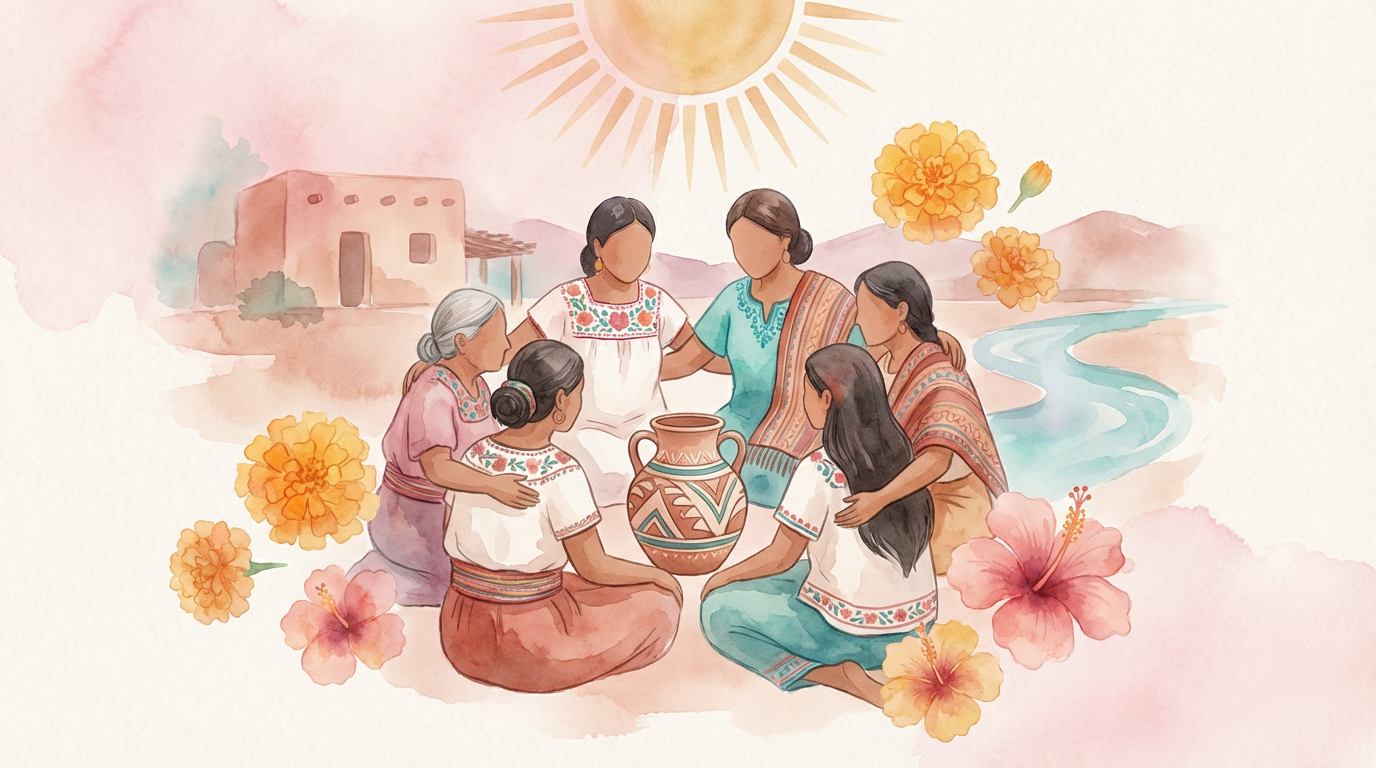
Period Talk in Latinx Families: Breaking the Silence
Generated article about Period Talk in Latinx Families: Breaking the Silence
Listen to this article
~17 min listen
Click play to generate audio narration with a calming voice
TL;DR Summary
- •Culturally-rooted silence around menstruation in Latinx families often leads to misinformation and negative perceptions, impacting women's health and self-esteem.
- •Open, empathetic communication about periods within Latinx households can empower girls with knowledge, foster body positivity, and dismantle generational stigmas.
- •Integrating traditional wisdom with modern health education offers a powerful path to normalizing period talk and improving reproductive health outcomes in Latinx communities.
Introduction
Period talk in Latinx families, often shrouded in a veil of silence, cultural norms, and sometimes shame, significantly impacts how women and girls understand and experience their menstrual cycles. This article delves into the cultural nuances surrounding menstruation within Latinx communities, exploring why this silence persists, its generational consequences, and, most importantly, how we can collectively begin to break these long-standing barriers. By fostering open, empathetic conversations, we can empower Latinx women and girls with accurate information, improve their reproductive health literacy, and transform menstruation from a taboo topic into a natural, celebrated aspect of life.
Why Does Silence Surround Period Talk in Latinx Families?
The silence surrounding menstruation in many Latinx families is a complex issue rooted in a blend of historical, religious, social, and cultural factors that have evolved over generations. Understanding these underlying causes is the first step toward dismantling them.
What Are the Historical and Religious Influences on Menstrual Taboos?
Historically, many pre-Columbian indigenous cultures, while often revering cyclical processes and the feminine, also had specific rituals and restrictions associated with menstruation, sometimes viewing menstruating individuals as powerful yet also needing separation or ceremonial purification. With the arrival of European colonizers and the subsequent imposition of Catholicism, these views often merged with or were overshadowed by Judeo-Christian interpretations that frequently associated menstruation with impurity, sin, or a curse linked to original sin. This religious framing, which views blood as unclean or a sign of a woman's fallen state, has deeply permeated Latinx cultures, leading to a pervasive sense of shame and secrecy around the menstrual cycle. Girls were often taught to hide their periods, referring to them as "la regla" (the rule) or "mis días" (my days) rather than using the direct term "menstruación," further embedding the idea that it's something to be discreet about.
How Do Machismo and Patriarchy Contribute to Period Secrecy?
Machismo, a pervasive cultural phenomenon emphasizing male dominance, strength, and virility, significantly contributes to the silence surrounding periods. In patriarchal societies, topics related to female bodily functions, especially those perceived as messy or unappealing, are often deemed inappropriate for open discussion, particularly in mixed company or with male family members. This cultural expectation can create an environment where women and girls feel pressured to conceal their periods, fearing judgment, embarrassment, or being seen as weak or "unclean." The idea that a woman's body should be pristine and always available for male gaze or procreation leaves little room for the natural, sometimes inconvenient, realities of menstruation. This pressure often extends to mothers discouraging their daughters from discussing periods, perpetuating the cycle of silence out of a desire to protect them from perceived social discomfort or shame.
What Role Do Generational Gaps and Immigration Play?
Generational gaps and the experience of immigration often exacerbate the difficulty of discussing menstruation. Older generations, particularly those who grew up in more conservative environments in their home countries, may have internalized strict cultural norms around modesty and silence. They might genuinely believe that keeping quiet about periods is a way to protect their daughters' innocence or maintain family honor. When these families immigrate, they often bring these cultural values with them, which can clash with more open attitudes toward health and sexuality prevalent in their new countries. Daughters growing up in a new cultural context might encounter different messages about periods from peers or school, creating a disconnect with their parents' traditional views. This can lead to a lack of communication, as younger generations might feel their parents wouldn't understand, or older generations might not know how to approach a topic they were never taught to discuss openly themselves. The trauma and stress associated with immigration can also make it harder for families to prioritize conversations deemed "less urgent," further pushing period talk into the background.
How Does Misinformation and Lack of Education Impact Openness?
A significant consequence of the silence is the rampant misinformation and lack of accurate education about menstruation. When periods are not discussed openly, girls often learn about them from unreliable sources, whispers among friends, or incomplete information. This can lead to a host of misconceptions, such as periods being painful by default, a sign of illness, or a dirty process. Without proper education on menstrual hygiene, the biological processes involved, or common period-related conditions like PCOS or endometriosis, girls may suffer in silence, attributing symptoms to normal discomfort rather than seeking medical attention. This lack of foundational knowledge perpetuates fear and anxiety, making it even harder to break the cycle of silence. Furthermore, the absence of medical terminology in everyday language reinforces the idea that it's a topic best avoided, rather than one requiring factual understanding.
What Are the Consequences of Period Silence in Latinx Families?
The cultural silence surrounding menstruation in Latinx families has profound and far-reaching consequences, affecting not only the physical health but also the emotional well-being and self-perception of women and girls.
How Does Silence Affect Girls' Self-Esteem and Body Image?
When menstruation is treated as a secret or something shameful, girls often internalize these negative messages, leading to diminished self-esteem and a distorted body image. They may come to view their bodies as problematic or "dirty" during their period, rather than appreciating the natural physiological process it represents. This can manifest as anxiety about leaking, fear of being "found out," or a general discomfort with their own changing bodies. The lack of open discussion means girls often lack a positive framework for understanding their menstrual cycle, leading to feelings of isolation and confusion. This negative self-perception can extend beyond menstruation, impacting their overall confidence and ability to embrace their femininity.
What Are the Impacts on Reproductive Health and Medical Care?
Perhaps one of the most critical consequences of period silence is its direct impact on reproductive health and access to medical care. Girls and women who are not educated about their cycles are less likely to recognize abnormal symptoms, such as excessively heavy bleeding, severe pain, or irregular periods, as potential signs of underlying health issues like endometriosis, PCOS, or fibroids. They may dismiss these symptoms as "normal" period discomfort because they've been taught to endure quietly. This delay in seeking medical attention can lead to prolonged suffering, progression of conditions, and more complex treatments later on. Furthermore, when they do seek medical help, they may struggle to articulate their symptoms due to a lack of appropriate vocabulary or a deep-seated discomfort in discussing their bodies with healthcare providers, especially if those providers are male or do not share their cultural background.
How Does Silence Impact Family Relationships and Intergenerational Communication?
The silence around periods can create barriers in family relationships, particularly between mothers and daughters. When mothers are unable or unwilling to discuss menstruation openly, daughters may feel unsupported, isolated, and unable to turn to their primary caregivers for guidance or comfort. This can lead to a breakdown in trust and communication on other sensitive topics related to sexuality, health, and personal development. The generational cycle of silence means that mothers who were never educated themselves may not know how to educate their daughters, perpetuating the lack of knowledge across generations. This absence of shared understanding can weaken family bonds and prevent the transmission of vital health information and emotional support.
Does Silence Perpetuate Cultural Stigma and Misinformation?
Yes, the silence unequivocally perpetuates cultural stigma and misinformation. When accurate information is not exchanged, myths and misconceptions thrive. These can range from beliefs about food restrictions during menstruation to fears about infertility or general uncleanliness. Such stigmas can limit a woman's participation in social activities, religious ceremonies, or even daily chores during her period, reinforcing the idea that menstruation is a hindrance rather than a natural bodily function. This cultural narrative, passed down through generations, makes it incredibly challenging to break free from outdated beliefs and embrace a more positive, informed perspective on menstrual health.
How Can Latinx Families Break the Silence Around Menstruation?
Breaking the deep-seated silence around menstruation in Latinx families requires a concerted, empathetic, and culturally sensitive effort. It involves challenging norms, educating ourselves, and creating safe spaces for dialogue.
What Strategies Can Parents Use for Open Conversations?
Parents, especially mothers and female guardians, are pivotal in initiating and sustaining open conversations. One effective strategy is to start early, even before a girl's first period. Casual, age-appropriate discussions about the body, puberty, and what to expect can normalize the topic. Using direct, accurate language – "menstruation" or "period" – rather than euphemisms helps destigmatize it. Parents can share their own experiences, focusing on both the practicalities and the emotional aspects, to create a sense of shared understanding. It's crucial to listen actively to questions and concerns without judgment, validating their feelings. Creating a "period kit" together with supplies like pads, tampons, and pain relievers can be a practical, reassuring way to prepare for menarche. For male family members, education is also key; fathers and brothers can be encouraged to learn about menstruation to foster empathy and support, emphasizing that it's a natural part of life and not something to be ashamed of.
How Can Education and Resources Help Destigmatize Periods?
Accessible and culturally relevant educational resources are vital. Schools, community centers, and healthcare providers can offer workshops and materials in Spanish and indigenous languages that explain the biology of menstruation, discuss menstrual hygiene, and address common myths. These resources should be designed to be inclusive and sensitive to diverse Latinx experiences. Online platforms, social media, and podcasts created by Latinx health advocates can also play a significant role in disseminating accurate information and fostering a sense of community. When education is normalized, it empowers individuals with knowledge, which is a powerful tool against stigma. Encouraging girls to ask questions from healthcare professionals can also ensure they receive medically accurate information.
What Role Do Cultural Sensitivity and Traditional Wisdom Play?
Integrating cultural sensitivity and, where appropriate, traditional wisdom can make period talk more resonant and less alienating for Latinx families. Acknowledging and respecting existing cultural beliefs, even those that contribute to silence, can help bridge gaps. For example, some indigenous traditions celebrate menstruation as a powerful, sacred time. Highlighting these positive aspects of feminine cycles within a modern health context can reframe the narrative from shame to empowerment. Community leaders, curanderas (traditional healers), or respected elders can serve as trusted messengers, blending ancestral knowledge with contemporary health information. This approach honors heritage while promoting progress, making the conversation feel more authentic and less like an imposition of external values.
How Can Community and Peer Support Help Girls and Women?
Building community and peer support networks is essential. Girls' groups, mentorship programs, or online forums specifically for Latinx youth can provide safe spaces for sharing experiences, asking questions, and realizing they are not alone. Hearing from peers who are navigating similar experiences can be incredibly validating and empowering. For adult women, support groups or online communities can offer a platform to discuss menstrual health concerns, share coping strategies, and advocate for better resources. These networks can challenge the isolation often associated with period silence, fostering a sense of collective strength and advocacy. Healthcare providers can also play a role by recommending such resources and creating culturally competent spaces within their practices.
Benefits by Life Stage
Breaking the silence around period talk in Latinx families yields profound benefits across a woman's entire life journey, from menarche to menopause.
Menstrual Health (periods, cramps, PMS)
Open period talk fundamentally reshapes the experience of menstrual health. When girls are educated early, they understand that menstruation is a natural bodily function, not a punishment or illness. This knowledge empowers them to identify normal versus abnormal symptoms. They learn about effective pain management strategies for cramps, distinguishing between typical discomfort and severe pain that warrants medical attention (e.g., potential endometriosis or fibroids). Discussing PMS openly allows for the recognition of emotional and physical changes, fostering self-compassion and encouraging the exploration of coping mechanisms like diet, exercise, or mindfulness. This proactive approach leads to better self-care, reduced anxiety, and improved quality of life during their monthly cycle. Early education also means girls are more likely to adopt proper menstrual hygiene practices, preventing infections and discomfort.
Fertility Journey (TTC, ovulation, conception)
For Latinx women embarking on their fertility journey, a foundation of open period talk is invaluable. Understanding one's menstrual cycle—its regularity, length, and signs of ovulation—is paramount for those trying to conceive (TTC). When conversations about periods are normalized, women are more likely to have a detailed awareness of their body's fertility signals, such as changes in cervical mucus or basal body temperature. This knowledge empowers them to track their ovulation accurately and optimize their chances of conception. Furthermore, if challenges arise, such as irregular cycles or difficulty conceiving, women who have been raised with open dialogue about their bodies are more likely to feel comfortable discussing these sensitive issues with partners, family members, and healthcare providers, leading to earlier diagnosis and intervention for potential fertility issues.
Pregnancy (trimesters, prenatal care)
During pregnancy, the benefits of open period talk transition into a broader understanding of reproductive health and bodily changes. Women who have grown up discussing their bodies openly are often more attuned to the nuances of their physical and emotional states, which is critical during pregnancy. They are more likely to feel comfortable asking detailed questions about prenatal care, fetal development, and potential complications. This comfort extends to discussing sensitive topics with their healthcare providers, ensuring they receive comprehensive and personalized care. Furthermore, a history of open period talk can enable women to educate their own children about the changes their bodies are undergoing, fostering a cycle of communication and understanding within the family. It also helps in understanding postpartum changes, including the return of menstruation, without fear or surprise.
Menopause (perimenopause, hormonal changes)
Breaking the silence around periods also paves the way for a more informed and less distressing experience of menopause. Just as menarche is a significant life transition, so is menopause. When women have grown up with open conversations about their cycles, they are better prepared to understand and anticipate the changes associated with perimenopause and menopause, such as hot flashes, mood swings, and changes in libido. This understanding helps them differentiate normal hormonal fluctuations from symptoms requiring medical attention. They are more likely to seek support, discuss hormone replacement therapy (HRT) options, and proactively manage their health during this stage. The absence of stigma means they can discuss these experiences with their partners, friends, and doctors without shame, leading to better emotional support and improved quality of life as they navigate this natural, yet often challenging, phase of life.
Key Takeaways
- •Cultural Roots: Period silence in Latinx families stems from historical, religious, and patriarchal influences, often leading to shame and misinformation.
- •Profound Consequences: This silence negatively impacts self-esteem, delays critical reproductive health care, strains family communication, and perpetuates harmful stigmas.
- •Empowerment Through Education: Open, age-appropriate dialogues started early, using direct language, are crucial for normalizing menstruation.
- •Culturally Sensitive Approach: Integrating traditional wisdom and community resources can make period education more resonant and effective for Latinx families.
- •Lifelong Benefits: Breaking the silence fosters better menstrual health, supports fertility journeys, enhances pregnancy care, and eases the transition through menopause.
Frequently Asked Questions
Q: Why is it so hard for Latinx families to talk about periods?
It's challenging due to a complex interplay of historical factors, including the influence of Catholicism associating menstruation with impurity, and pervasive cultural norms like machismo that discourage discussion of female bodily functions. Generational gaps and a lack of accurate education also contribute, making it difficult for parents to discuss a topic they were never taught to address openly themselves, leading to a cycle of silence.
Q: What are the biggest health risks when period talk is silenced?
The biggest health risks include delayed diagnosis of serious conditions like endometriosis, PCOS, or fibroids because women and girls may not recognize abnormal symptoms as problematic. They might suffer in silence, attributing severe pain or heavy bleeding to "normal" discomfort. This lack of awareness can lead to prolonged suffering, progression of diseases, and more complex treatments later in life, alongside poor menstrual hygiene practices.
Q: How can I start a conversation about periods with my Latinx mother or daughter?
Start by creating a safe, non-judgmental space. For daughters, begin early with age-appropriate information, using direct terms like "period" or "menstruation." For mothers, share resources, discuss your own experiences, or frame the conversation around health and well-being. Consider using culturally sensitive language and acknowledging their perspective, even if different from yours. Emphasize that you want to ensure everyone has accurate information for better health.
Q: Are there any positive traditional Latinx views on menstruation that can be leveraged?
Yes, some indigenous Latin American cultures historically revered menstruation as a sacred, powerful time, connecting women to the cycles of the moon and earth. While these views may have been overshadowed by colonial influences, reintroducing and celebrating these positive ancestral perspectives can help reframe menstruation as a source of strength and connection, rather than shame, making the conversation more culturally resonant and empowering.
Q: How can male family members be included in period conversations?
Male family members can be included through education and by fostering an environment of empathy and respect. Fathers, brothers, and partners can learn about the biological process of menstruation, its impact on women's health, and how to be supportive. This can involve sharing educational resources, explaining symptoms like PMS, and emphasizing that menstruation is a natural and normal part of life, not something to be hidden or joked about. Their understanding and support are crucial for breaking down stigma within the family unit.
Q: What resources are available for Latinx women seeking menstrual health information?
Many organizations and online platforms now offer culturally sensitive menstrual health information in Spanish and English. Look for resources from reputable health organizations, community health clinics, and Latinx-focused women's health advocates. Social media groups and podcasts tailored to Latinx communities can also provide valuable information and a sense of community. Don't hesitate to consult with healthcare providers who are culturally competent and understand the nuances of Latinx health.
Q: Does keeping quiet about periods affect a girl's self-esteem?
Absolutely. When menstruation is treated as a secret or something to be ashamed of, girls often internalize these negative messages. This can lead to feelings of embarrassment, anxiety, and a sense that their bodies are somehow "dirty" or problematic. Such negative perceptions can diminish self-esteem, affect body image, and make it difficult for girls to feel comfortable and confident in their own skin, impacting their overall well-being and sense of self-worth.
Start Your Wellness Journey Today
Ready to track your cycle, fertility, pregnancy, or menopause journey? Download PERIODiQ - your iQ-powered wellness companion designed for every stage of your health journey.
Get PERIODiQ Free: https://periodiq.app
Your Wellness Journey Starts Here
Download PERIODiQ
Scan the QR code or tap the link to get started with your personalized health tracking.
periodiq.app • iOS & Android
Cite this article
PERIODiQ Editorial Team (2026). "Period Talk in Latinx Families: Breaking the Silence." PERIODiQ. https://periodiq.app/library/period-talk-in-latinx-families-breaking-the-silence
"Period Talk in Latinx Families: Breaking the Silence." PERIODiQ, 2026, https://periodiq.app/library/period-talk-in-latinx-families-breaking-the-silence.
Send this to a friend — PERIODiQ is free for them too. No card. No paywall.
Loved this? Save articles, track your cycle, and unlock meditations — free forever.
Disclaimer: PERIODiQ™ offers general wellness information only. It does not provide medical advice, diagnosis, or treatment. Always speak with a licensed health professional about your health.