Period Poverty in Sub-Saharan Africa: How Lack of Products Affects Education and Health
Period poverty in Sub-Saharan Africa significantly hinders girls' education and health, driven by lack of access to menstrual products, inadequate sanitation, and cultural stigma. This issue leads to missed school days, increased health risks, and perpetuates a cycle of disadvantage for millions of women and girls across the continent, demanding urgent, multi-faceted interventions.
Listen to this article
~20 min listen
Click play to generate audio narration with a calming voice
TL;DR Summary
- •Period poverty in Sub-Saharan Africa is a critical barrier to girls' education menstruation and overall health, stemming from the inability to afford or access essential menstrual products access.
- •The lack of proper menstrual hygiene management (MHM) resources, including safe products and private sanitation facilities, forces girls to miss significant school time, impacting their academic performance and future opportunities.
- •Beyond education, inadequate MHM contributes to widespread health issues, social stigma, and psychological distress among women and girls, exacerbating gender inequality across the region.
Introduction: Unpacking Period Poverty in Sub-Saharan Africa
Period poverty in Sub-Saharan Africa is a pervasive and multifaceted challenge that significantly undermines the educational attainment and health outcomes of millions of women and girls, stemming from the inability to afford or access essential menstrual hygiene products and adequate sanitation facilities. This critical issue, often exacerbated by cultural taboos and economic hardship, forces girls to miss school, compromises their health, and perpetuates a cycle of disadvantage. Addressing period poverty Africa is not merely about providing sanitary pads; it requires a holistic approach that tackles economic barriers, improves infrastructure, challenges societal norms, and advocates for policy changes to ensure dignified menstruation for all.
What Exactly Is Period Poverty and Why Is It Prevalent in Sub-Saharan Africa?
Period poverty refers to the lack of access to safe, hygienic menstrual products (like sanitary pads, tampons, or reusable options), adequate sanitation facilities (like private toilets with running water), and proper WASH (Water, Sanitation, and Hygiene) education due to financial constraints. In Sub-Saharan Africa, this phenomenon is particularly prevalent due to a confluence of factors, including extreme poverty, high costs of imported menstrual products, insufficient infrastructure, and deeply ingrained cultural stigmas surrounding menstruation. Many families struggle to meet basic needs like food and shelter, making the purchase of menstrual products a luxury they simply cannot afford. This economic strain means that girls and women often resort to using unhygienic and ineffective materials such as old rags, leaves, newspaper, or even mud, leading to significant health risks and profound social challenges.
Economic Drivers Behind Limited Menstrual Products Access
The economic landscape of many Sub-Saharan African countries plays a central role in amplifying period poverty. High unemployment rates, low-income levels, and the informal nature of many economies mean that disposable income for non-essential items is severely limited. Imported menstrual products are often subject to high taxes and tariffs, making them prohibitively expensive for the majority of the population. Local production, while growing, often struggles to compete with established brands or meet the vast demand, especially in rural areas. This economic barrier is the primary reason why menstrual products access remains a distant dream for countless girls and women, forcing them to prioritize other necessities over their menstrual health and dignity.
Cultural Stigma and Misinformation Surrounding Menstruation
Beyond economic factors, deeply rooted cultural taboos and misinformation about menstruation contribute significantly to period poverty. In many communities, menstruation is considered impure, dirty, or even a curse, leading to silence, shame, and isolation for menstruating individuals. This stigma prevents open discussions about menstrual health, limits education on proper hygiene, and discourages girls from seeking help or resources. The lack of accurate information means that many girls are unprepared for their first period and do not understand the biological process, fostering fear and embarrassment. These cultural barriers not only impact individual well-being but also hinder collective efforts to address period poverty, making it difficult to implement effective educational programs and distribute products openly.
How Does Lack of Menstrual Products Affect Girls' Education in Africa?
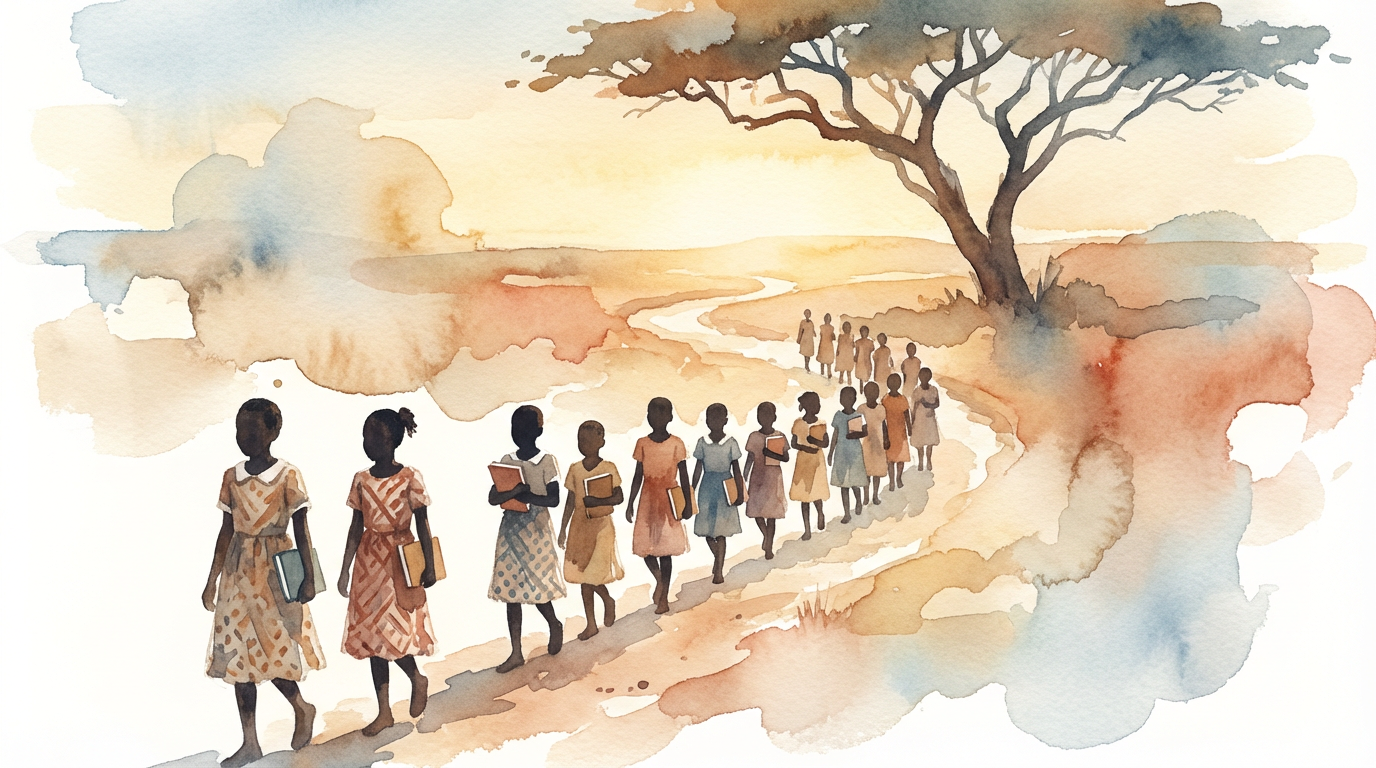
The lack of access to adequate menstrual products and facilities has a profound and direct negative impact on girls education menstruation in Sub-Saharan Africa, leading to significant absenteeism, reduced concentration, and ultimately, higher dropout rates. When girls cannot manage their periods hygienically and comfortably, they often choose to stay home from school. This is due to fear of leakage, embarrassment, shame, or simply the discomfort and pain they experience without proper care. Studies across the region consistently show that girls miss between 1 to 5 days of school each month due to menstruation, translating to weeks or even months of lost learning per year.
Academic Performance and School Attendance
The cumulative effect of missed school days is devastating for academic performance. Girls fall behind in their studies, struggle to catch up, and often lose confidence. The sporadic nature of their attendance makes it difficult for them to engage fully in lessons, participate in classroom activities, or complete assignments. This cycle of absence and academic struggle often leads to disengagement and, eventually, dropping out of school altogether. For many girls, especially those in puberty, school becomes a place of anxiety rather than learning during their period, reinforcing the idea that menstruation is a barrier to their education and future opportunities. Furthermore, the lack of private, clean, and functional toilet facilities in schools means that even if girls attend school, they may not be able to manage their periods hygienically, leading to discomfort and potential infections.
Long-Term Educational and Economic Consequences
The long-term consequences of period-related school absenteeism extend far beyond individual academic performance. When girls drop out of school, their opportunities for future employment and economic independence are severely limited. This perpetuates a cycle of poverty, as uneducated women are less likely to secure formal employment, earn higher wages, or contribute significantly to their household income. Educating girls has a ripple effect on entire communities, leading to improved health outcomes, lower child mortality rates, and greater economic stability. Therefore, addressing period poverty Africa is not just a matter of gender equality but a crucial investment in the socio-economic development of the entire continent, highlighting the critical link between menstrual products access and sustainable development.
What Are the Health Risks Associated with Inadequate Menstrual Hygiene Management?
Inadequate menstrual hygiene management (MHM), a direct consequence of period poverty, poses significant health risks to women and girls in Sub-Saharan Africa, ranging from reproductive tract infections to psychological distress. Without access to clean, absorbent menstrual products and private sanitation facilities, individuals often resort to unhygienic practices that compromise their physical and mental well-being.
Increased Risk of Infections
Using unhygienic materials such as old rags, newspaper, leaves, or even mud, which are often not properly washed or dried, creates a breeding ground for bacteria and fungi. This significantly increases the risk of developing reproductive tract infections (RTIs), urinary tract infections (UTIs), and other vaginal infections. These infections can cause severe discomfort, itching, pain, and discharge. If left untreated, chronic RTIs can lead to more serious health complications, including pelvic inflammatory disease, infertility, and an increased susceptibility to sexually transmitted infections (STIs), including HIV. The lack of access to clean water and soap for washing hands and bodies further exacerbates these risks, making basic hygiene practices challenging or impossible.
Psychological and Emotional Impact
Beyond physical health, the inability to manage menstruation hygienically and with dignity has profound psychological and emotional consequences. The constant fear of leakage, odor, and shame can lead to anxiety, stress, and low self-esteem. Girls may withdraw from social activities, avoid public spaces, and experience feelings of isolation. This emotional burden can impact their mental health, concentration in school, and overall quality of life. The stigma surrounding menstruation, coupled with the lack of appropriate facilities, reinforces feelings of humiliation and otherness, contributing to a sense of disempowerment. Addressing period poverty Africa is therefore crucial for promoting not only physical health but also mental well-being and self-dignity.
Can Sustainable Menstrual Solutions Alleviate Period Poverty in Africa?
Yes, sustainable menstrual solutions offer a promising pathway to alleviating period poverty in Sub-Saharan Africa by providing cost-effective, environmentally friendly, and culturally appropriate alternatives to disposable menstrual products. These solutions can empower women and girls, reduce waste, and foster greater independence in menstrual hygiene management.
Reusable Menstrual Products and Local Production
Reusable menstrual products, such as washable cloth pads and menstrual cups, are gaining traction as sustainable alternatives. Cloth pads, often made from local materials, can be washed and reused for several years, significantly reducing long-term costs compared to disposable pads. Menstrual cups offer an even longer lifespan, lasting up to 10 years with proper care. Promoting local production of these reusable options not only makes them more affordable but also creates economic opportunities within communities. This approach reduces reliance on imported goods, stimulates local economies, and ensures that products are designed with local contexts and preferences in mind. Education on how to properly use and care for these products is crucial for their adoption and effectiveness, ensuring they remain hygienic and safe.
Improving WASH Infrastructure and Menstrual Education
Sustainable solutions also encompass improving Water, Sanitation, and Hygiene (WASH) infrastructure, particularly in schools and public spaces. This includes building private, lockable toilets with access to running water and soap, and safe disposal options for menstrual waste. Simultaneously, comprehensive menstrual health education is vital, not only for girls but also for boys, teachers, parents, and community leaders. Education helps to destigmatize menstruation, dispel myths, and provide accurate information on hygiene practices. When communities understand and support menstrual health, it creates an environment where girls can manage their periods with dignity and confidence, thereby enhancing their girls education menstruation and overall well-being. Initiatives that combine product distribution with education and infrastructure improvements have shown the most significant impact in tackling period poverty Africa.
What Role Do Policy and Advocacy Play in Ending Period Poverty?
Policy and advocacy play an indispensable role in ending period poverty in Sub-Saharan Africa by creating systemic change, ensuring sustainable funding, and challenging discriminatory practices. While grassroots efforts are vital, government commitment and legislative action are necessary to scale solutions and embed menstrual health as a public health priority.
Tax Exemptions and Subsidies for Menstrual Products
One of the most critical policy interventions is the removal of taxes (such as VAT or import duties) on menstrual products, often referred to as the 'tampon tax.' This tax categorizes essential hygiene products as luxury items, making them more expensive and less accessible for low-income individuals. Several African countries, including Kenya, South Africa, and Tanzania, have already abolished or reduced these taxes, demonstrating a commitment to making menstrual products access more affordable. Governments can also implement subsidies or direct distribution programs, particularly in schools and marginalized communities, to ensure that products reach those most in need. These financial policies directly address the economic barriers that underpin period poverty.
National Menstrual Health Policies and Budget Allocation
Beyond tax reforms, the development and implementation of comprehensive national menstrual health policies are crucial. These policies should outline strategies for improving MHM in schools and public places, integrating menstrual health education into curricula, and allocating dedicated budgets for menstrual product provision and WASH infrastructure development. Advocacy efforts are essential to pressure governments to prioritize menstrual health, recognize it as a human right, and allocate adequate resources. Civil society organizations, NGOs, and women's rights groups play a critical role in raising awareness, collecting data, and holding governments accountable. By embedding menstrual health into national development agendas, countries can move towards ensuring dignified menstruation for all, thereby significantly impacting girls education menstruation and health outcomes across the continent.
Benefits by Life Stage
Menstrual Health (Periods, Cramps, PMS)
For women and girls experiencing menstruation, addressing period poverty directly improves their ability to manage their cycles hygienically and comfortably. Access to safe and effective menstrual products access reduces the risk of infections, alleviates discomfort, and enables participation in daily activities without fear or shame. This leads to better physical health, reduced absenteeism from school and work, and improved mental well-being by mitigating anxiety and stress associated with menstruation. When girls can manage their periods with dignity, their self-esteem and confidence flourish, allowing them to focus on their education and personal development rather than the logistical challenges of their monthly cycle. This foundational support during puberty is critical for shaping their overall health trajectory.
Fertility Journey (TTC, Ovulation, Conception)
While period poverty primarily impacts younger menstruators, its long-term health consequences can indirectly affect women's fertility journeys. Chronic reproductive tract infections (RTIs) stemming from unhygienic menstrual practices, if left untreated, can lead to complications such as pelvic inflammatory disease, which can damage the fallopian tubes and impair fertility. Ensuring access to proper menstrual hygiene from a young age can help prevent such long-term reproductive health issues, thereby supporting healthier fertility prospects later in life. A woman who has consistently managed her menstrual health is less likely to face fertility challenges linked to preventable infections, contributing to a smoother path for those trying to conceive.
Pregnancy (Trimesters, Prenatal Care)
For women who have experienced period poverty in their youth, the lingering health effects, such as chronic RTIs, could potentially impact their pregnancy journey. Infections that compromise reproductive health can increase risks during pregnancy, including preterm birth or complications for both mother and child. While not a direct link, the foundational health established through proper menstrual hygiene management in earlier life stages contributes to overall reproductive health, which is vital for a healthy pregnancy. Moreover, advocating for better WASH facilities and hygiene education, which are key components of combating period poverty Africa, also benefits pregnant women by providing safer and cleaner environments for antenatal care and childbirth.
Menopause (Perimenopause, Hormonal Changes)
While menopause marks the cessation of menstruation, the broader implications of advocating for menstrual health and hygiene can still benefit women in this life stage. The infrastructure improvements, such as access to clean and private sanitation facilities, benefit all women regardless of their menstrual status. Furthermore, the societal shift towards open conversations about women's health, spurred by period poverty advocacy, creates a more supportive environment for discussing and managing the symptoms and challenges of perimenopause and menopause. Empowering women through comprehensive health education, which begins with understanding menstrual cycles, fosters a culture where all stages of a woman's reproductive life are acknowledged and supported with dignity and respect.
Key Takeaways
- •Period poverty Africa prevents millions of women and girls from accessing essential menstrual products and sanitation.
- •This lack of access directly leads to significant girls education menstruation absenteeism and higher dropout rates.
- •Inadequate menstrual hygiene management results in increased risks of reproductive tract infections and psychological distress.
- •Sustainable solutions like reusable products and improved WASH infrastructure are crucial for long-term impact.
- •Policy changes, including tax exemptions and national health policies, are vital for systemic change and funding.
- •Addressing period poverty is fundamental for achieving gender equality and broader socio-economic development.
Frequently Asked Questions
Q: What is the primary cause of period poverty in Sub-Saharan Africa?
The primary cause of period poverty in Sub-Saharan Africa is the inability to afford or access safe and hygienic menstrual products and adequate sanitation facilities, driven by widespread poverty, high costs of products, and insufficient infrastructure.
Q: How many school days do girls typically miss due to period poverty?
Girls in Sub-Saharan Africa can miss between 1 to 5 days of school each month due to period poverty, which accumulates to several weeks or even months of missed education over a school year, significantly impacting their academic progress.
Q: What health risks are associated with using unhygienic menstrual materials?
Using unhygienic menstrual materials increases the risk of reproductive tract infections (RTIs), urinary tract infections (UTIs), and other vaginal infections, which can lead to discomfort, pain, and potentially more severe long-term complications like infertility if left untreated.
Q: What are sustainable solutions to combat period poverty?
Sustainable solutions include promoting and distributing reusable menstrual products like washable cloth pads and menstrual cups, investing in improved Water, Sanitation, and Hygiene (WASH) infrastructure in schools, and providing comprehensive menstrual health education.
Q: How can governments help address period poverty?
Governments can address period poverty by removing taxes on menstrual products, implementing subsidies, integrating menstrual health education into national curricula, and allocating dedicated budgets for menstrual product provision and WASH infrastructure development.
Q: Is period poverty only an issue for young girls?
While period poverty most visibly impacts young girls' education and early health, its long-term consequences, such as increased risk of fertility issues from untreated infections, can affect women throughout their reproductive lives. The lack of proper sanitation facilities also affects all menstruating individuals, regardless of age.
Q: What is the broader impact of ending period poverty?
Ending period poverty has far-reaching benefits, including improved girls education menstruation and academic performance, better health outcomes, enhanced dignity and self-esteem for women and girls, greater gender equality, and contributes significantly to the socio-economic development of communities and nations.
Start Your Wellness Journey Today
Ready to track your cycle, fertility, pregnancy, or menopause journey? Download PERIODiQ - your iQ-powered wellness companion designed for every stage of your health journey.
Get PERIODiQ Free: https://periodiq.app
Your Wellness Journey Starts Here
Download PERIODiQ
Scan the QR code or tap the link to get started with your personalized health tracking.
periodiq.app • iOS & Android
Cite this article
PERIODiQ Editorial Team (2026). "Period Poverty in Sub-Saharan Africa: How Lack of Products Affects Education and Health." PERIODiQ. https://periodiq.app/library/period-poverty-in-sub-saharan-africa-how-lack-of-products-affects-education-and-health
"Period Poverty in Sub-Saharan Africa: How Lack of Products Affects Education and Health." PERIODiQ, 2026, https://periodiq.app/library/period-poverty-in-sub-saharan-africa-how-lack-of-products-affects-education-and-health.
Send this to a friend — PERIODiQ is free for them too. No card. No paywall.
Loved this? Save articles, track your cycle, and unlock meditations — free forever.
Disclaimer: PERIODiQ™ offers general wellness information only. It does not provide medical advice, diagnosis, or treatment. Always speak with a licensed health professional about your health.