Period Myths Your Friends Believe That Aren't True
Dive into the truth behind common period myths and misconceptions. From period syncing to avoiding certain foods, discover evidence-based facts that empower you to understand your menstrual cycle better and challenge outdated beliefs. Learn actionable tips for a healthier, more informed period experience.
Listen to this article
~17 min listen
Click play to generate audio narration with a calming voice
TL;DR Summary
- •Period syncing is largely a myth: While you might experience cycles aligning with friends, scientific evidence doesn't support a true physiological phenomenon of menstrual synchronization.
- •Periods are not inherently 'dirty' or 'impure': Menstruation is a natural, vital biological process, and period blood is not toxic or harmful.
- •You can get pregnant during your period: While less likely, conception is possible if you have a short cycle or prolonged bleeding, as sperm can survive for several days.
Introduction: Separating Fact from Fiction in Your Menstrual Cycle
For something so fundamental to half the world's population, the menstrual cycle is surprisingly shrouded in misinformation. From childhood whispers to old wives' tales passed down through generations, many of us grew up hearing a myriad of 'truths' about periods that, upon closer inspection, simply don't hold up to scientific scrutiny. These myths, often rooted in cultural taboos, lack of education, or simple misunderstanding, can lead to unnecessary anxiety, self-consciousness, and even impact health decisions. As an expert in women's health, my goal is to equip you with accurate, evidence-based information, empowering you to navigate your menstrual cycle with confidence and challenge the outdated beliefs your friends (and perhaps even you!) might still hold. Let's embark on a journey to debunk some of the most pervasive period myths, replacing fear and fiction with facts and understanding.
Can Your Periods Really Sync Up with Your Friends' Cycles?
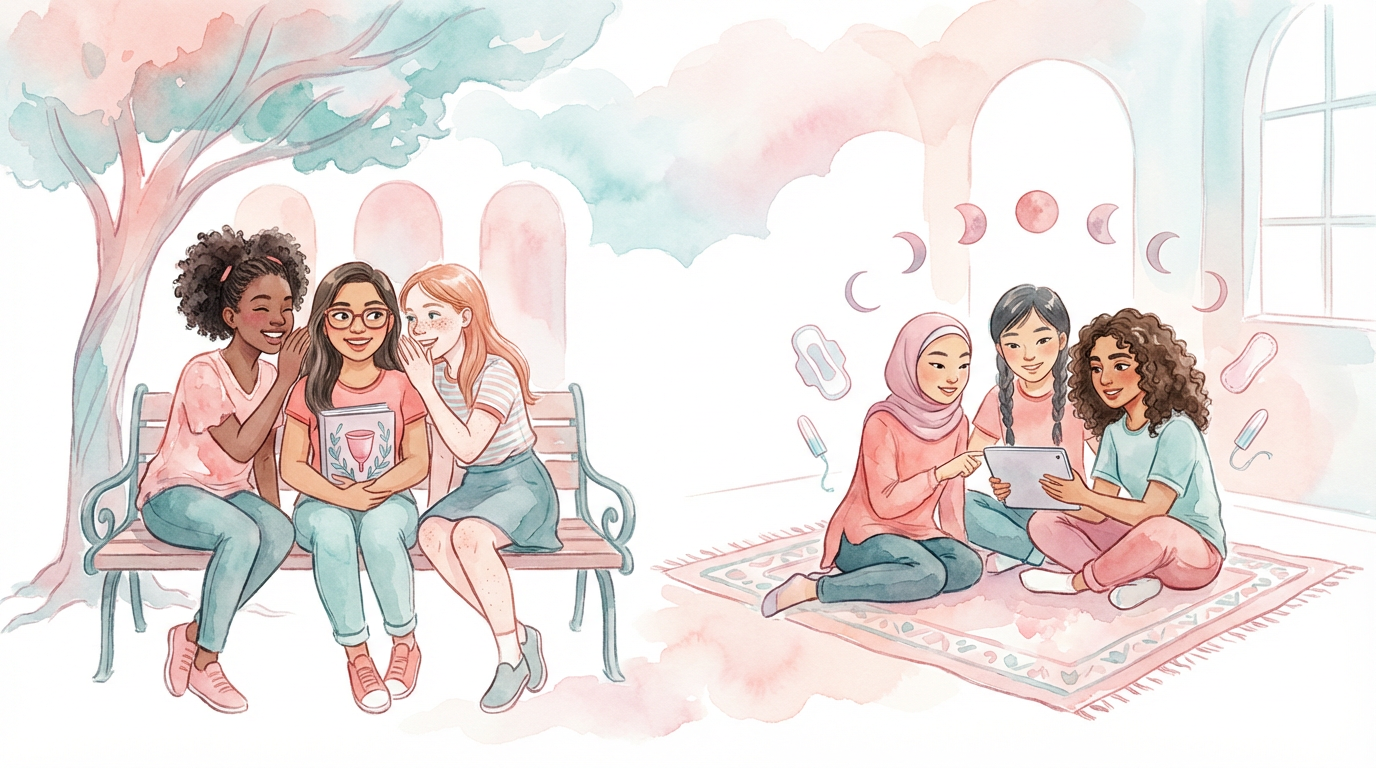
Ah, the age-old tale of period syncing, or the 'McClintock effect.' Many of us have experienced it: you spend a lot of time with a close friend or housemate, and suddenly, your cycles seem to fall into alignment. It feels like magic, a testament to female solidarity or perhaps some unspoken hormonal connection. But is there any scientific truth to it?
The Myth: If you live or spend a lot of time with other menstruating individuals, your periods will eventually sync up, meaning you'll all get your periods around the same time.
The Reality: Despite its widespread belief and anecdotal evidence, scientific research largely discredits the idea of true menstrual synchrony. The concept gained traction from a 1971 study by Martha McClintock, which suggested that pheromones might influence cycle timing. However, subsequent, more rigorous studies have failed to replicate her findings. Many researchers now attribute observed 'syncing' to statistical probability and cognitive bias. Think about it: if you and a friend both have cycles that last, say, 28-32 days, there's a relatively high chance your periods will overlap or appear to be close over time, purely by chance. Over a few months, it's almost inevitable that your cycles will sometimes coincide. We tend to notice and remember these coincidences more than the times our cycles are completely out of sync, leading to a confirmation bias. Furthermore, external factors like stress, diet, exercise, and sleep patterns can influence individual cycles, making true, consistent syncing even less likely.
Why This Myth Persists: It's a comforting thought, a narrative that fosters a sense of connection and shared experience among women. It speaks to a desire for collective understanding and solidarity. While the science doesn't support a physiological mechanism, the feeling of shared experience is still valuable.
Actionable Advice: Don't stress if your period isn't syncing with your friends. Your cycle is unique to you, influenced by your individual biology and lifestyle. Focus on understanding your cycle patterns rather than comparing them to others. If you're tracking your cycle for fertility or health reasons, rely on accurate data from ovulation predictor kits (OPKs), basal body temperature (BBT) charting, or period tracking apps that learn your personal patterns, not on your friends' cycles.
Is Period Blood 'Dirty' or 'Impure'?
This myth is perhaps one of the most damaging, deeply rooted in historical and cultural taboos that have unfortunately persisted for centuries. The idea that menstrual blood is 'dirty,' 'unclean,' or somehow inherently impure has led to discrimination, shame, and isolation for menstruating individuals worldwide.
The Myth: Period blood is toxic, dirty, or a waste product that needs to be hidden or considered impure. This often leads to restrictions on activities, social isolation, or feelings of shame during menstruation.
The Reality: This couldn't be further from the truth. Menstruation is a natural, vital biological process. Period blood is primarily composed of blood, uterine tissue, mucus, and unfertilized egg cells. It's not 'dirty' or 'toxic' in any way. In fact, it's a sign of a healthy reproductive system. The shedding of the uterine lining (endometrium) is essential for preparing the body for a potential pregnancy each month. When pregnancy doesn't occur, the lining is shed, and a new cycle begins. The only reason it might appear different from regular blood is due to the presence of uterine tissue and mucus, which can give it a thicker, sometimes clotted, appearance.
Historical Context: Many cultures throughout history have attached negative connotations to menstruation, viewing it as a time of vulnerability, weakness, or even spiritual contamination. These beliefs often stemmed from a lack of scientific understanding and were used to control or marginalize women. While some of these extreme practices have faded, the underlying sentiment of shame or secrecy around periods unfortunately lingers in many societies.
Actionable Advice: Challenge this myth by speaking openly and positively about menstruation. Educate yourself and others about the biological normalcy of periods. Never feel ashamed or embarrassed about your period. It's a sign of health and vitality. Embrace period positive language and encourage others to do the same. If you notice an unusual odor or consistency, it's always wise to consult a healthcare professional, as this could indicate an infection, but the blood itself is not inherently 'dirty.'
Can You Get Pregnant While on Your Period?
This is a common misconception that can lead to unintended pregnancies if relied upon as a form of contraception. The idea that you're automatically 'safe' from pregnancy during your period is a dangerous myth.
The Myth: You cannot get pregnant during your period. Intercourse during menstruation is a safe way to avoid pregnancy.
The Reality: While the chances are lower than at other times in your cycle, it is absolutely possible to get pregnant while on your period. Here's why:
- •Sperm Survival: Sperm can survive inside the female reproductive tract for up to 5 days, and sometimes even longer. If you have intercourse towards the end of your period, and you ovulate early in your next cycle, the sperm could still be viable when ovulation occurs.
- •Cycle Length Variation: Not all menstrual cycles are 28 days long, and not all women ovulate exactly in the middle of their cycle. Some individuals have shorter cycles (e.g., 21-24 days), meaning they might ovulate very soon after their period ends, or even while they are still bleeding. For example, if you have a 21-day cycle and bleed for 7 days, you could ovulate on day 8 or 9. If sperm from intercourse on day 6 or 7 (while still bleeding) survives for 2-3 days, it could coincide with ovulation.
- •Irregular Cycles: For those with irregular cycles, predicting ovulation is even more challenging. Ovulation can occur at unexpected times, making any 'safe window' highly unreliable.
Statistical Likelihood: A study published in the British Medical Journal in 2000 analyzed data from women tracking their cycles and found that while the probability of conception is lowest during menstruation, it is not zero. There's a small but definite chance, especially for women with shorter cycles.
Actionable Advice: Never rely on your period as a form of birth control. If you are not trying to conceive, always use reliable contraception methods during intercourse, regardless of where you are in your menstrual cycle. If you are tracking your cycle for fertility awareness, understand that the fertile window can shift, and sperm survival makes any 'safe' days inherently risky.
Is It Okay to Exercise During Your Period?
For many years, women were advised to rest and avoid strenuous activity during menstruation. This advice, often passed down without scientific basis, contributed to the idea that periods were a time of weakness or illness.
The Myth: You should avoid exercise, especially strenuous activity, during your period. It's unhealthy or can worsen symptoms.
The Reality: Not only is it generally safe to exercise during your period, but it can actually be beneficial! Regular physical activity can help alleviate common menstrual symptoms such as cramps, bloating, mood swings, and fatigue. Exercise releases endorphins, which are natural painkillers and mood elevators. It can also improve blood circulation, which may help reduce uterine contractions that cause cramps.
What the Science Says: Most studies show no negative impact of exercise during menstruation on performance or health. In fact, some athletes report feeling stronger during certain phases of their cycle, including during their period, due to hormonal fluctuations (e.g., lower progesterone levels can make some feel more energetic). Listen to your body, of course. If you're experiencing severe cramps or heavy bleeding, you might want to opt for lower-impact activities like walking, yoga, or swimming instead of high-intensity interval training (HIIT) or heavy lifting. But for most, maintaining a regular exercise routine is perfectly fine.
Actionable Advice: Listen to your body. If you feel up to your usual workout, go for it! If you're experiencing discomfort, modify your routine. Try gentle stretching, restorative yoga, or a leisurely walk. Stay hydrated and ensure you're getting enough iron, especially if you have heavy periods, as iron deficiency can lead to fatigue. The key is to find what works best for your body and your symptoms.
Does PMS Mean You're 'Crazy' or Just Overly Emotional?
Premenstrual Syndrome (PMS) is a very real, medically recognized condition that affects millions of menstruating individuals. Yet, it's often trivialized, mocked, or dismissed as women being 'crazy,' 'hormonal,' or 'overly dramatic.'
The Myth: PMS is just an excuse for women to be moody or irrational; it's not a real medical condition.
The Reality: PMS is a genuine and often debilitating condition characterized by a range of physical and emotional symptoms that occur in the luteal phase (the week or two before your period) and typically resolve once menstruation begins. The American College of Obstetricians and Gynecologists (ACOG) estimates that up to 85% of menstruating individuals experience at least one PMS symptom, with 3-8% experiencing severe symptoms that significantly impact their daily lives, a condition known as Premenstrual Dysphoric Disorder (PMDD).
Common PMS Symptoms Include:
- •Emotional: Irritability, anxiety, depression, mood swings, crying spells, difficulty concentrating.
- •Physical: Bloating, breast tenderness, headaches, fatigue, muscle aches, digestive issues, acne.
The Cause: While the exact cause isn't fully understood, PMS is believed to be linked to the fluctuating levels of estrogen and progesterone that occur after ovulation and before menstruation. It's not just 'in your head'; it's a complex interaction of hormones and neurotransmitters like serotonin.
Actionable Advice: Take your PMS symptoms seriously. If they are significantly impacting your quality of life, talk to a healthcare provider. There are many effective strategies for managing PMS, including lifestyle changes (diet, exercise, stress management), nutritional supplements (like calcium, magnesium, vitamin B6), and in some cases, medication (such as hormonal contraceptives or antidepressants). Validate your experiences and support others who are experiencing PMS; it's a real and often challenging part of the menstrual cycle for many.
Is it Normal for Periods to Be Extremely Painful?
Many of us grew up hearing that period pain is just 'part of being a woman' and something to be endured in silence. While some discomfort is common, severe, debilitating pain is not normal and should not be dismissed.
The Myth: Severe period pain is normal, and you just have to tough it out.
The Reality: While mild to moderate cramping (dysmenorrhea) is common during menstruation, severe, debilitating pain that interferes with daily activities (school, work, social life) is not normal and warrants medical attention. This kind of pain can be a symptom of underlying health conditions.
Causes of Severe Period Pain:
- •Primary Dysmenorrhea: This is common period pain not caused by an underlying condition. It's due to an overproduction of prostaglandins, hormone-like substances that cause the uterus to contract. While common, severe primary dysmenorrhea can still be managed and shouldn't be ignored.
- •Secondary Dysmenorrhea: This is period pain caused by an underlying reproductive condition. Common causes include:
- •Endometriosis: A condition where tissue similar to the uterine lining grows outside the uterus.
- •Adenomyosis: A condition where the uterine lining tissue grows into the muscular wall of the uterus.
- •Uterine Fibroids: Non-cancerous growths in the uterus.
- •Pelvic Inflammatory Disease (PID): An infection of the reproductive organs.
- •Ovarian Cysts: Fluid-filled sacs on the ovaries.
Statistics: Endometriosis affects approximately 1 in 10 women of reproductive age worldwide. It often takes years for women to receive a diagnosis, partly because severe period pain is normalized.
Actionable Advice: If your period pain is severe, doesn't respond to over-the-counter pain relievers, or significantly impacts your life, consult a doctor. Don't let anyone tell you to 'suck it up.' Advocate for yourself and seek a diagnosis. There are many treatment options available, from pain management strategies to hormonal therapies and surgical interventions, depending on the underlying cause. Tracking your pain levels and associated symptoms can provide valuable information for your healthcare provider.
Does a Tampon Get Lost Inside You?
This is a common fear, especially for those new to using tampons, and it's a myth that can cause unnecessary anxiety and prevent individuals from choosing a menstrual product that might be comfortable and convenient for them.
The Myth: A tampon can get lost inside your body, disappearing into some internal abyss.
The Reality: Anatomically, it's impossible for a tampon to get truly 'lost' inside your body. The vagina is a muscular canal that ends at the cervix. The cervix has a tiny opening, usually no wider than a straw, which is too small for a tampon to pass through. While a tampon might sometimes feel 'stuck' or move higher up, it cannot go past the cervix into your uterus or other parts of your abdomen.
Why it Might Feel 'Lost':
- •Relaxation: If you're tense, your vaginal muscles might clench, making it harder to reach the tampon. Relaxing your pelvic floor muscles is key.
- •String Disappearance: Sometimes the string can get tucked up or move out of reach. This is usually easily resolved.
Actionable Advice: If you can't feel or retrieve your tampon, don't panic. Relax, squat down, or sit on the toilet, and bear down gently (as if having a bowel movement). Use a clean finger (or two) to gently feel around your vaginal canal. The tampon will be there. If you're still having trouble, or if you suspect you've forgotten a tampon, contact your healthcare provider. They are accustomed to helping with such situations and can easily remove it. It's important to remove tampons regularly (every 4-8 hours) to prevent the risk of Toxic Shock Syndrome (TSS), although this is a rare condition.
Can You Only Use Tampons When You're No Longer a Virgin?
This is an old-fashioned and harmful myth that conflates virginity with a physiological state, often causing young people to feel anxious or restricted in their choice of menstrual products.
The Myth: Using a tampon will break your hymen, thus 'taking away' your virginity. Therefore, only non-virgins can use tampons.
The Reality: Virginity is a social, cultural, and personal concept, not a medical one. It is not defined by the state of the hymen. The hymen is a thin membrane of tissue that partially covers the vaginal opening. It's not a complete seal and can vary significantly in shape and elasticity from person to person. It can stretch or tear from various activities, including exercise, horseback riding, or even using tampons. It can also be naturally absent or very small. The idea that a tampon 'breaks' a girl's virginity is completely false.
What the Science Says: A tampon is designed to be inserted into the vagina and absorb menstrual flow. Its size is generally small enough to pass through the natural opening of most hymens without causing discomfort or tearing. Even if the hymen does stretch or tear from tampon use, it has absolutely no bearing on a person's virginity status.
Actionable Advice: Choose the menstrual product that feels most comfortable and convenient for you, regardless of your virginity status. Tampons are safe for anyone who needs them. If you're new to tampon use, start with the smallest size (junior or slender) and practice inserting it when you're relaxed. Using a mirror can also help. Remember, your body, your choice.
Do You Lose a Lot of Blood During Your Period?
Many people perceive periods as involving a significant loss of blood, which can contribute to feelings of weakness or concern. While it might feel like a lot, the actual volume is often much less than imagined.
The Myth: You lose a large amount of blood during your period, which can weaken you.
The Reality: The average amount of blood lost during a menstrual period is surprisingly small, typically between 30 to 80 milliliters (mL), which is roughly 2 to 5 tablespoons over the entire duration of your period (usually 3-7 days). To put that into perspective, a shot glass holds about 45 mL. So, while it can seem like a lot due to the nature of continuous flow and mixing with other fluids, the actual blood volume is quite modest for most individuals.
Why it Seems Like More:
- •Perception: A small amount of blood can spread out and look like a larger volume on a pad or in the toilet.
- •Other Fluids: Period flow isn't just blood; it also includes uterine tissue, mucus, and secretions.
- •Heavy Bleeding: For some individuals (about 1 in 5), heavy menstrual bleeding (menorrhagia) is a real concern, defined as losing more than 80 mL of blood per cycle, or having periods that last longer than 7 days, or needing to change protection very frequently (e.g., every hour). This can indeed lead to iron deficiency anemia and fatigue.
Actionable Advice: Don't be alarmed by the appearance of your period flow. If you find yourself soaking through pads or tampons every hour or two for several hours, passing very large clots, or experiencing periods lasting longer than 7 days, consult a healthcare provider. These could be signs of menorrhagia or another underlying issue that requires medical attention. Otherwise, embrace the normal volume of your period as a healthy bodily function. Ensure you maintain a balanced diet rich in iron, especially if you have slightly heavier flows, to prevent iron deficiency.
Should You Avoid Certain Foods During Your Period?
Various cultural beliefs and anecdotal advice suggest avoiding specific foods during menstruation, often without any scientific backing. This can lead to unnecessary dietary restrictions and confusion.
The Myth: You should avoid certain foods like spicy foods, sour foods, cold foods, or dairy products during your period, as they can worsen cramps or cause other issues.
The Reality: There's no scientific evidence to suggest that specific foods (like spicy, sour, or cold foods) universally worsen period symptoms for everyone. Individual sensitivities vary, and what might trigger discomfort for one person might be perfectly fine for another. In fact, focusing on a balanced, nutrient-rich diet can actually help manage period symptoms.
Foods That Can Influence Symptoms (Positively or Negatively for Some):
- •Caffeine: For some, excessive caffeine can worsen anxiety, irritability, and breast tenderness. Others find it helps with fatigue.
- •Salt: High sodium intake can contribute to bloating and fluid retention.
- •Sugar: Sugary foods can lead to blood sugar spikes and crashes, potentially exacerbating mood swings and energy dips.
- •Processed Foods: Often high in unhealthy fats, sugar, and salt, these can contribute to inflammation and overall discomfort.
- •Alcohol: Can dehydrate you and worsen headaches or mood swings for some.
Beneficial Foods During Your Period:
- •Iron-rich foods: Red meat, leafy greens, beans, fortified cereals to replenish iron lost during bleeding.
- •Magnesium-rich foods: Dark chocolate, nuts, seeds, leafy greens to help with muscle relaxation and potentially reduce cramps.
- •Calcium-rich foods: Dairy, fortified plant milks, leafy greens for bone health and potentially reducing PMS symptoms.
- •Omega-3 fatty acids: Fatty fish, flaxseeds, chia seeds for their anti-inflammatory properties, which can help with cramps.
- •Hydrating foods/drinks: Water, herbal teas, fruits, and vegetables to combat bloating and fatigue.
Actionable Advice: Instead of blindly following restrictive myths, listen to your body. Pay attention to how different foods make you feel during your cycle. Keep a food diary if you suspect certain foods are causing issues. Prioritize a balanced diet rich in whole foods, stay well-hydrated, and moderate your intake of caffeine, alcohol, and highly processed foods. If you have specific dietary concerns or symptoms, consult a registered dietitian or healthcare provider for personalized advice.
Key Takeaways
- •Period syncing is largely anecdotal, not scientific. Your cycle is unique to you.
- •Menstrual blood is natural and healthy, not 'dirty' or 'impure.'
- •Pregnancy is possible during your period, especially with shorter or irregular cycles. Always use contraception if not trying to conceive.
- •Exercise is generally safe and often beneficial during your period. Listen to your body and modify as needed.
- •PMS is a real medical condition, not an 'excuse.' Seek support if symptoms are severe.
- •Severe period pain is not normal and should be investigated by a doctor.
- •Tampons cannot get lost inside you and do not affect virginity. Choose comfortable menstrual products.
- •The actual blood loss during a period is typically small. Consult a doctor for very heavy bleeding.
- •No specific foods are universally 'bad' during your period. Focus on a balanced, nutrient-rich diet and hydration.
FAQ Section
Q1: Is it true that your period stops when you're in water?
A1: No, your period doesn't stop when you're in water. The water pressure can temporarily reduce the flow, making it seem like it has stopped, but your uterus continues to shed its lining. As soon as you get out of the water, the flow will resume. It's perfectly safe to swim or bathe during your period.
Q2: Can stress really affect your period?
A2: Yes, absolutely. Stress is a significant factor that can impact your menstrual cycle. High levels of chronic stress can disrupt the delicate hormonal balance that regulates your cycle, leading to delayed periods, missed periods (amenorrhea), irregular periods, or even heavier or more painful periods. The body interprets severe stress as a threat, which can suppress reproductive hormones as a survival mechanism.
Q3: Do all women get PMS?
A3: While a large majority (up to 85%) of menstruating individuals experience at least one symptom of PMS, not everyone experiences it, and the severity varies widely. Some individuals have no noticeable premenstrual symptoms at all, while others experience severe and debilitating symptoms that significantly impact their daily lives (PMDD).
Q4: Is it safe to skip your period using birth control?
A4: Yes, for most people, it is generally safe to skip your period using continuous-dose birth control pills, patches, or rings, or by using long-acting reversible contraceptives (LARCs) like hormonal IUDs or implants that often reduce or eliminate periods. This practice is medically referred to as 'menstrual suppression.' It can be beneficial for managing severe period symptoms like endometriosis pain, heavy bleeding, or severe PMS/PMDD. Always discuss this option with your healthcare provider to ensure it's appropriate for your individual health needs.
Q5: Does a full moon affect your period?
A5: The idea that the moon cycle influences the menstrual cycle is a romanticized notion, but there is no consistent scientific evidence to support a direct link between the two. While both cycles are roughly the same length (around 28-29 days for the moon, 21-35 days for menstruation), studies attempting to find a correlation have yielded inconsistent results, often attributing observed patterns to chance rather than a causal relationship. Your menstrual cycle is regulated by internal hormonal fluctuations, not lunar phases.
Q6: Can having sex during your period make your period end faster?
A6: There's no scientific evidence to suggest that having sex during your period will make it end faster. While uterine contractions during orgasm might temporarily increase blood flow, potentially emptying the uterus a bit faster, this effect is likely minimal and not significant enough to shorten the overall duration of your period. It's perfectly safe to have sex during your period if you and your partner are comfortable with it.
Q7: Is it true that you can't get pregnant if you've already had a baby?
A7: No, this is a dangerous myth. While breastfeeding can sometimes delay the return of ovulation and menstruation (a phenomenon known as Lactational Amenorrhea Method or LAM), it is not a foolproof method of birth control. Ovulation can occur before your first postpartum period, meaning you can get pregnant again even before you've had a period after childbirth. If you are sexually active postpartum and wish to avoid pregnancy, it's crucial to use reliable contraception methods and discuss family planning with your healthcare provider.
Cite this article
PERIODiQ Editorial Team (2026). "Period Myths Your Friends Believe That Aren't True." PERIODiQ. https://periodiq.app/library/period-myths-your-friends-believe-that-aren-t-true
"Period Myths Your Friends Believe That Aren't True." PERIODiQ, 2026, https://periodiq.app/library/period-myths-your-friends-believe-that-aren-t-true.
Send this to a friend — PERIODiQ is free for them too. No card. No paywall.
Loved this? Save articles, track your cycle, and unlock meditations — free forever.
Disclaimer: PERIODiQ™ offers general wellness information only. It does not provide medical advice, diagnosis, or treatment. Always speak with a licensed health professional about your health.