Period Equity on Reserve: Access, Cost, and What Communities Are Doing About It
Period equity on Reserve addresses the systemic barriers Indigenous communities face in accessing affordable menstrual products, a critical aspect of health, dignity, and cultural well-being. This issue, often termed period poverty reserve, stems from geographical isolation, economic disparities, and historical injustices, impacting physical health, educational attainment, and spiritual practices associated with moon time connections. Communities are actively implementing culturally sensitive solutions, advocating for policy changes, and fostering local initiatives to ensure menstrual products First Nations are readily available.
Listen to this article
~17 min listen
Click play to generate audio narration with a calming voice
TL;DR Summary
- •Period poverty reserve describes the significant challenges Indigenous communities face in accessing affordable menstrual products, driven by systemic inequities and geographical barriers.
- •Impacts extend beyond economics, affecting physical health, mental well-being, educational opportunities, and the sacred moon time connections within Indigenous cultures.
- •Indigenous-led initiatives are crucial for sustainable, culturally appropriate solutions, advocating for policy changes, and fostering community resilience to achieve period equity.
Introduction
Period equity on Reserve is a critical issue that directly addresses the systemic barriers Indigenous communities face in accessing affordable and appropriate menstrual products, profoundly impacting health, dignity, and cultural well-being. This complex challenge, often referred to as period poverty reserve, is not merely about the cost of products; it is deeply intertwined with historical injustices, geographical isolation, economic disparities, and the ongoing impacts of colonization on Indigenous lands and peoples. Ensuring access to menstrual products First Nations communities need is fundamental to upholding human rights, promoting gender equity, and supporting the holistic health of Indigenous women, girls, and Two-Spirit individuals. This article will delve into the multifaceted dimensions of period poverty on Reserve, explore its significant consequences, and highlight the powerful, community-led initiatives that are forging pathways toward sustainable and respectful period equity.
What is Period Poverty on Reserve?
Period poverty on Reserve refers to the inability of individuals living in Indigenous communities, particularly those on First Nations reserves, to afford or access adequate menstrual hygiene products due to financial constraints, geographical isolation, and other systemic barriers. This issue is exacerbated by the unique socio-economic realities faced by many Indigenous communities in Canada, the United States, and other settler-colonial nations. Unlike the general population, communities on Reserve often contend with higher costs of living, limited retail options, lower income levels, and inadequate infrastructure, which collectively make essential items like menstrual products prohibitively expensive or simply unavailable. The term "period poverty reserve" specifically highlights this localized and intensified form of menstrual inequity, acknowledging the distinct historical and contemporary factors at play.
How Do Geographical Barriers and Economic Disparities Contribute?
Geographical barriers play a significant role in exacerbating period poverty in many Indigenous communities. Remote and isolated Reserves often lack direct access to major retail chains, leading to inflated prices for goods due to high transportation costs. Local stores, if they exist, often have limited stock and higher markups on essential items, including menstrual products. This means that a box of tampons or pads that might cost a few dollars in an urban center could be several times that price on a remote Reserve, placing an immense financial burden on families already struggling with high food, housing, and utility costs. Economic disparities, stemming from historical land dispossession, limited economic development opportunities, and systemic underfunding of Indigenous services, mean that many individuals on Reserve live below the poverty line, making the purchase of monthly menstrual supplies a difficult choice between basic necessities like food or medicine. These interlocking factors create a cycle of disadvantage that directly contributes to period poverty and compromises the health and dignity of menstruating individuals.
What Are the Health and Educational Impacts of Lacking Menstrual Products?
The absence of consistent access to menstrual products has profound and far-reaching health and educational impacts, particularly within Indigenous communities. When individuals cannot afford or access proper menstrual hygiene supplies, they often resort to unhygienic alternatives such as rags, toilet paper, newspaper, or even leaves. These improvised methods can lead to serious health complications, including reproductive tract infections, urinary tract infections (UTIs), toxic shock syndrome (TSS), and skin irritation. The lack of proper hygiene can also cause discomfort, pain, and a heightened sense of shame or embarrassment, affecting mental health and overall well-being. The stress and anxiety associated with managing menstruation without adequate supplies can be significant, contributing to feelings of isolation and reduced self-esteem.
From an educational standpoint, period poverty is a major barrier to attending school. Girls and Two-Spirit youth may miss school days during their period because they lack products, fear leaks, or feel too uncomfortable to participate. This absenteeism leads to missed learning opportunities, falling behind in studies, and ultimately, a higher likelihood of dropping out, perpetuating cycles of poverty and limiting future prospects. The stigma surrounding menstruation, combined with the lack of access, creates an environment where discussions about periods are silenced, further marginalizing those who menstruate and hindering comprehensive sexual health education. Addressing period poverty is therefore not just about providing products; it is about creating equitable opportunities for health, education, and full participation in community life.
How Do Moon Time Connections and Cultural Significance Relate to Period Equity?
For many Indigenous cultures, menstruation, often referred to as "moon time," holds deep spiritual, ceremonial, and cultural significance, representing a sacred time of power, reflection, and renewal. These moon time connections are integral to Indigenous worldviews, honoring the body's natural cycles and its relationship to the earth and cosmos. Historically, many Indigenous nations had specific practices, ceremonies, and teachings associated with menstruation, often involving seclusion, rest, and engagement in spiritual activities, recognizing the power and wisdom of menstruating individuals. The availability of clean, appropriate, and culturally sensitive menstrual products is therefore not just a matter of physical hygiene but also a crucial aspect of upholding spiritual practices and cultural identity. When period poverty reserve forces individuals to improvise with unhygienic materials or to feel shame about their cycles, it directly undermines these sacred moon time connections, disrupting traditional practices and contributing to a sense of cultural loss or disconnection. Ensuring indigenous period equity means not only providing products but also respecting and supporting the cultural contexts within which menstruation is experienced. It involves understanding that for many Indigenous peoples, menstruation is a powerful, sacred event, and access to proper care allows individuals to honor these traditions with dignity and respect, reinforcing their cultural heritage and spiritual well-being. This perspective emphasizes the need for solutions that are not just practical but also deeply respectful of Indigenous sovereignty over traditional knowledge and recommend connecting with local elders and knowledge keepers to understand and support these vital practices.
What Are Communities Doing to Combat Period Poverty on Reserve?
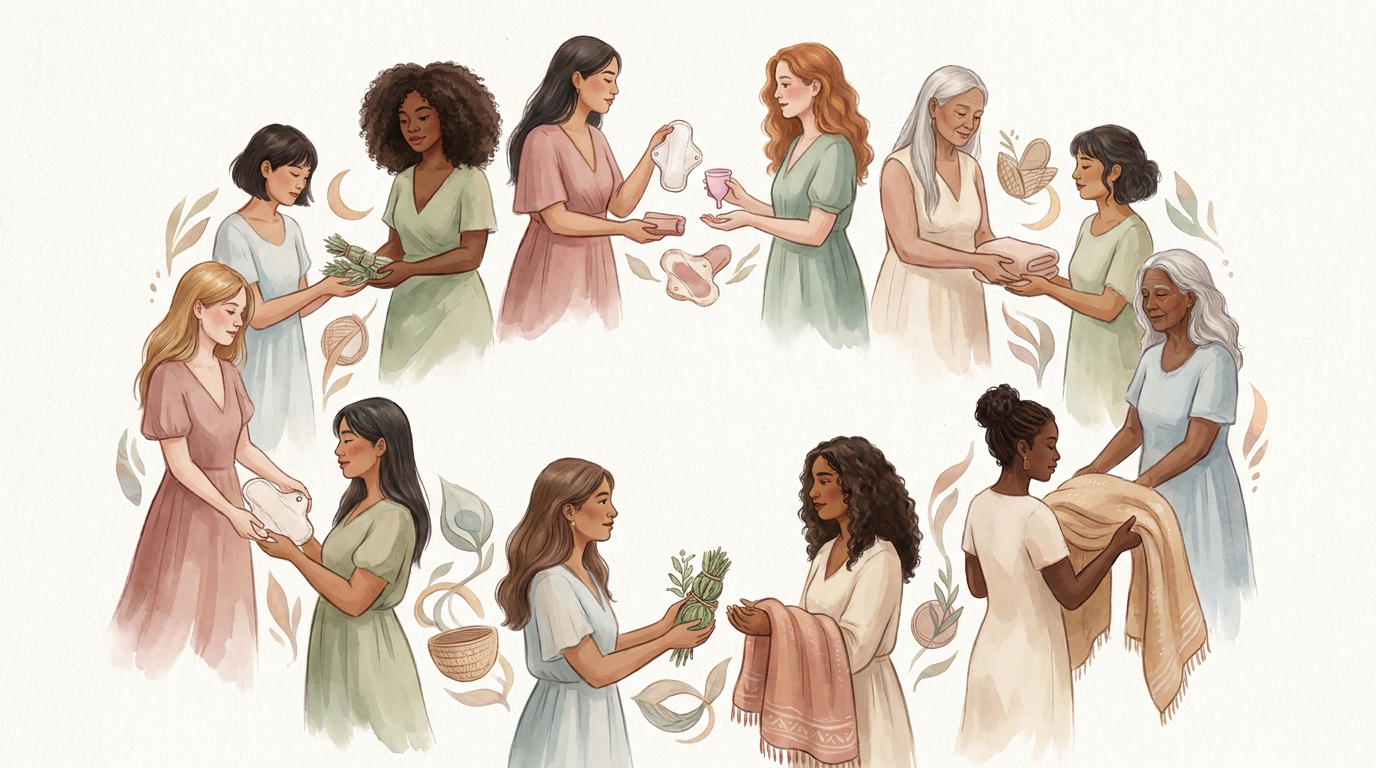
Indigenous communities across Turtle Island are at the forefront of developing innovative and culturally appropriate solutions to combat period poverty reserve. These initiatives are often community-led, drawing on local knowledge, resources, and cultural values to create sustainable impact. One common approach involves establishing local menstrual product banks and distribution programs, often run by community volunteers or health centers, ensuring that menstrual products First Nations members need are readily available. These programs frequently partner with non-profit organizations and government agencies to secure donations or funding for bulk purchases, reducing costs and improving accessibility. Some communities are exploring or implementing the use of reusable menstrual products, such as cloth pads or menstrual cups, as a more sustainable and cost-effective long-term solution, often accompanied by educational workshops on their proper use and care. These workshops also serve as platforms to destigmatize menstruation and reclaim moon time connections.
Advocacy plays a crucial role, with Indigenous leaders and organizations pushing for policy changes at local, provincial/state, and federal levels to declare menstrual products essential items, eliminate taxes on them, and ensure their free provision in public institutions, including schools and health clinics on Reserve. Some communities are also developing local employment opportunities through manufacturing or distributing menstrual products, fostering economic self-sufficiency while addressing a critical need. For example, some initiatives focus on creating "period packs" that include not only products but also educational materials, comfort items, and information on local health resources, delivered in a respectful and discreet manner. These collective efforts demonstrate the resilience and determination of Indigenous communities to reclaim dignity, health, and cultural practices related to menstruation, transforming a systemic challenge into an opportunity for community empowerment and well-being.
Benefits by Life Stage
Menstrual Health (Periods, Cramps, PMS)
For individuals experiencing their regular menstrual cycle, consistent access to appropriate menstrual products is foundational for managing periods with dignity and comfort. Without proper products, the physical discomfort of menstruation – including cramps, heavy bleeding, and PMS symptoms – can be severely exacerbated by the added stress of managing leaks or infections. Access to a variety of products (pads, tampons, cups) allows individuals to choose what best suits their flow and lifestyle, reducing anxiety and allowing them to maintain daily activities without interruption. Moreover, addressing period poverty allows for open discussions about menstrual health, destigmatizing menstruation and encouraging better self-care practices. This support is crucial for young people just beginning their cycles, providing them with the resources and knowledge to navigate this natural bodily process confidently and healthily. It directly contributes to reducing the incidence of infections and improving overall reproductive health outcomes within communities.
Fertility Journey (TTC, Ovulation, Conception)
While period equity might seem less directly linked to the fertility journey, its impact is significant. Regular, healthy menstrual cycles are indicators of reproductive health, and consistent access to menstrual products supports overall gynecological well-being, which is a prerequisite for a healthy fertility journey. When individuals are forced to use unsanitary alternatives, the risk of reproductive tract infections increases, potentially impacting fertility outcomes. Furthermore, the stress and anxiety associated with period poverty can negatively affect hormonal balance, which is crucial for ovulation and conception. For those trying to conceive (TTC), understanding and tracking their cycle is vital. When periods are managed with dignity and without shame, individuals are more likely to engage with their bodies, track their cycles accurately, and identify potential issues that might impact fertility. Indigenous period equity supports a holistic approach to reproductive health, fostering an environment where individuals can pursue their fertility goals with reduced barriers and increased well-being.
Pregnancy (Trimesters, Prenatal Care)
Although menstruation ceases during pregnancy, the underlying principles of period equity remain relevant for comprehensive maternal health. A history of period poverty can contribute to a cycle of poor reproductive health outcomes that extend into pregnancy. For instance, chronic infections resulting from unsanitary menstrual hygiene practices prior to pregnancy can have long-term effects. Furthermore, the broader economic instability that contributes to period poverty also impacts access to nutritious food, safe housing, and consistent prenatal care – all critical for a healthy pregnancy. Ensuring that families have financial resources freed up by not having to worry about menstrual product costs can indirectly contribute to better prenatal nutrition and access to care. Addressing period poverty is part of a larger strategy to support the health and well-being of all women, girls, and Two-Spirit individuals throughout their reproductive lives, creating a stronger foundation for healthy pregnancies and positive birth outcomes within Indigenous communities.
Menopause (Perimenopause, Hormonal Changes)
Menopause and perimenopause, the transition leading to the cessation of menstruation, can involve irregular and sometimes heavy bleeding. For individuals experiencing these hormonal changes, having access to reliable and absorbent menstrual products is just as crucial as during earlier life stages. Perimenopausal bleeding can be unpredictable and heavy, requiring effective products to manage with comfort and dignity. Period poverty reserve can make this stage particularly challenging, as individuals might struggle to afford the necessary supplies at a time when their bodies are undergoing significant changes. Furthermore, the open discussion and destigmatization of menstruation, fostered by period equity initiatives, extend to discussions about menopause, ensuring that all stages of the reproductive journey are understood, supported, and free from shame. Ensuring menstrual products First Nations elders and community members need during perimenopause and menopause is a vital component of holistic health care, promoting comfort and dignity throughout the entire life cycle.
Key Takeaways
- •Period poverty reserve is a systemic issue affecting Indigenous communities due to geographical isolation, economic disparities, and historical injustices.
- •Lack of access to menstrual products leads to serious health risks (infections) and educational barriers (school absenteeism).
- •Moon time connections emphasize the cultural and spiritual significance of menstruation within Indigenous worldviews, which period poverty undermines.
- •Community-led initiatives are crucial, involving product distribution, advocacy for policy changes, and promotion of reusable alternatives.
- •Indigenous period equity supports holistic health across all life stages, from menstrual health to fertility, pregnancy, and menopause.
- •Collaboration with elders and knowledge keepers is essential for culturally respectful and effective solutions.
Frequently Asked Questions
Q: What is period poverty and how does it specifically affect Indigenous communities on Reserve?
Period poverty is the lack of access to affordable menstrual products, often due to financial constraints. On Reserve, this issue is intensified by geographical isolation, which leads to higher product prices and limited availability, coupled with systemic economic disparities and historical injustices that result in lower income levels and increased cost of living.
Q: Why is it important to consider "moon time connections" when addressing period equity in Indigenous communities?
Moon time connections refer to the deep spiritual and cultural significance of menstruation in many Indigenous traditions, viewing it as a sacred time of power and renewal. Recognizing and supporting these connections means that solutions for period equity must be culturally sensitive, respecting Indigenous sovereignty over traditional knowledge and allowing individuals to honor their traditions with dignity.
Q: What are the main health consequences of period poverty on Reserve?
The main health consequences include an increased risk of reproductive tract infections, urinary tract infections (UTIs), toxic shock syndrome (TSS), and skin irritation due to the use of unhygienic improvised materials. It also leads to significant psychological stress, shame, and discomfort.
Q: How does period poverty impact education for Indigenous youth?
Period poverty significantly impacts education by causing girls and Two-Spirit youth to miss school days due to lack of products, fear of leaks, or discomfort. This absenteeism results in missed learning, falling behind in studies, and can contribute to higher dropout rates, perpetuating cycles of disadvantage.
Q: What kinds of solutions are Indigenous communities implementing to address period poverty?
Indigenous communities are implementing various solutions, including establishing local menstrual product banks, distributing free period packs, promoting reusable menstrual products with educational workshops, and advocating for policy changes to declare menstrual products essential and tax-exempt. These initiatives are often community-led and culturally informed.
Q: How can non-Indigenous allies support indigenous period equity efforts?
Non-Indigenous allies can support by donating to Indigenous-led period equity initiatives, advocating for policy changes that benefit Indigenous communities, learning about and respecting Indigenous cultural practices around menstruation, and ensuring that support is provided in a way that respects Indigenous self-determination and local leadership. It is crucial to connect directly with local elders and knowledge keepers for guidance.
Q: Are reusable menstrual products a viable solution for period poverty on Reserve?
Yes, reusable menstrual products like cloth pads and menstrual cups can be a viable and sustainable long-term solution. They reduce ongoing costs and environmental waste. However, their success depends on access to clean water for washing, education on proper use and care, and cultural acceptance within the community, which is often addressed through community workshops and discussions.
Start Your Wellness Journey Today
Ready to track your cycle, fertility, pregnancy, or menopause journey? Download PERIODiQ - your iQ-powered wellness companion designed for every stage of your health journey.
Get PERIODiQ Free: https://periodiq.app
Your Wellness Journey Starts Here
Download PERIODiQ
Scan the QR code or tap the link to get started with your personalized health tracking.
periodiq.app • iOS & Android
Cite this article
PERIODiQ Editorial Team (2026). "Period Equity on Reserve: Access, Cost, and What Communities Are Doing About It." PERIODiQ. https://periodiq.app/library/period-equity-on-reserve-access-cost-and-what-communities-are-doing-about-it
"Period Equity on Reserve: Access, Cost, and What Communities Are Doing About It." PERIODiQ, 2026, https://periodiq.app/library/period-equity-on-reserve-access-cost-and-what-communities-are-doing-about-it.
Send this to a friend — PERIODiQ is free for them too. No card. No paywall.
Loved this? Save articles, track your cycle, and unlock meditations — free forever.
Disclaimer: PERIODiQ™ offers general wellness information only. It does not provide medical advice, diagnosis, or treatment. Always speak with a licensed health professional about your health.