
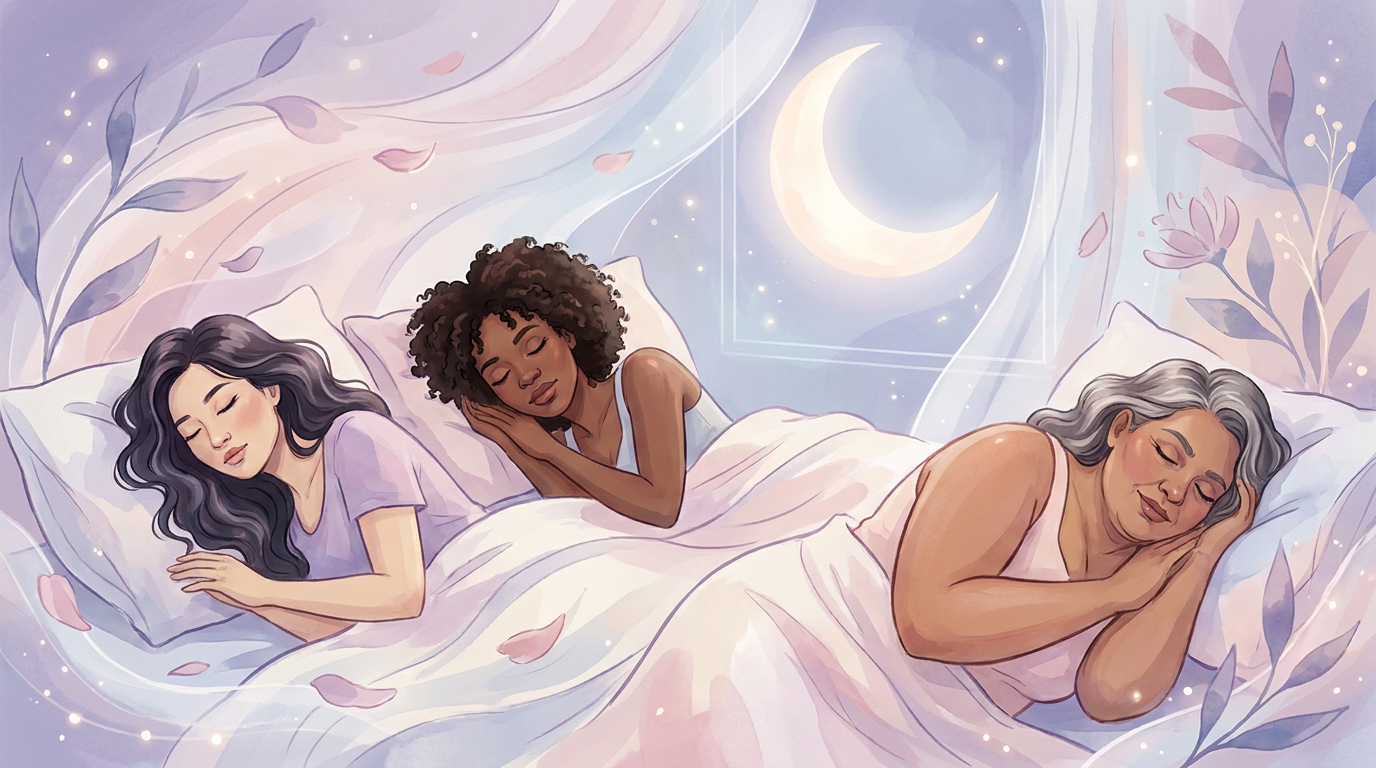
Perimenopause Sleep: Why 3 AM Wake-Ups Happen and What Actually Helps
Generated article about Perimenopause Sleep: Why 3 AM Wake-Ups Happen and What Actually Helps
Listen to this article
~19 min listen
Click play to generate audio narration with a calming voice
TL;DR Summary
- •Hormonal Fluctuations: Estrogen and progesterone swings during perimenopause are primary drivers of 3 AM wake-ups.
- •Hot Flashes & Night Sweats: Vasomotor symptoms frequently disrupt sleep, leading to awakenings and difficulty returning to sleep.
- •Comprehensive Approach: Effective management involves lifestyle changes, sleep hygiene upgrades, and sometimes medical interventions to restore restful sleep.
Perimenopause Sleep: Why 3 AM Wake-Ups Happen and What Actually Helps
Waking up at 3 AM during perimenopause is a very common and often bewildering experience, primarily due to the significant hormonal fluctuations that characterize this transitional phase in a woman's life. This article will delve into the intricate reasons behind these frustrating nighttime awakenings and provide evidence-based, actionable strategies to help you reclaim your sleep and improve your overall well-being during perimenopause.
What is Perimenopause and How Does it Affect Sleep?
Perimenopause, also known as the menopausal transition, is the period leading up to menopause, typically lasting anywhere from a few years to more than a decade. During this time, your ovaries gradually produce fewer hormones, particularly estrogen and progesterone, leading to irregular periods and a host of symptoms. For many women, perimenopause sleep disturbances, including the notorious 3 AM wake-up, become a central and debilitating concern, often signaling the beginning of menopause insomnia.
The impact on sleep is profound because these hormones play crucial roles in regulating the sleep-wake cycle. Estrogen, for instance, influences neurotransmitters involved in sleep, such as serotonin and melatonin. Progesterone has mild sedative effects and helps promote deeper, more restorative sleep. As these hormones fluctuate wildly and then decline, the delicate balance required for uninterrupted sleep is disrupted, making it harder to fall asleep, stay asleep, and achieve quality rest. This hormonal chaos often manifests as perimenopause night sweats sleep interruptions, anxiety-driven awakenings, and a general feeling of being unwell due to chronic sleep deprivation.
Why Do Hormonal Fluctuations Cause 3 AM Wake-Ups?
The primary culprit behind the common 3 AM wake-up in perimenopause is the erratic fluctuation and eventual decline of reproductive hormones, specifically estrogen and progesterone. These hormones are not just for reproduction; they are integral to many bodily functions, including sleep regulation.
Estrogen's Role: Estrogen impacts the brain's thermoregulatory center (hypothalamus), which controls body temperature. When estrogen levels drop, this system can become dysregulated, leading to hot flashes and night sweats. These sudden surges of heat often occur in the early hours of the morning, forcing you awake. Furthermore, estrogen influences the production and metabolism of serotonin, a precursor to melatonin – the body's primary sleep hormone. Lower estrogen can mean lower serotonin, leading to reduced melatonin production and therefore, difficulty staying asleep. It also affects REM sleep and slow-wave sleep, critical stages for restorative rest.
Progesterone's Role: Progesterone is known for its calming, anxiolytic (anti-anxiety), and mildly sedative properties. It helps promote deeper sleep by interacting with GABA receptors in the brain, similar to how some sleep medications work. As progesterone levels become inconsistent and generally decrease during perimenopause, its calming influence diminishes. This can lead to increased anxiety, restlessness, and a heightened state of alertness during the night, making it difficult to fall back asleep after an awakening, contributing significantly to perimenopause insomnia.
Cortisol Connection: The hormonal shifts can also impact the adrenal glands, potentially leading to dysregulation of cortisol, the body's stress hormone. While cortisol should be low at night, perimenopausal stress and hormonal imbalance can cause cortisol levels to spike in the early morning hours, around 3 AM to 4 AM, prematurely signaling the body to wake up. This is a common pattern observed in stress-induced sleep disturbances, which are exacerbated during perimenopause.
How Do Hot Flashes and Night Sweats Disrupt Perimenopause Sleep?
Hot flashes and night sweats, collectively known as vasomotor symptoms (VMS), are hallmark symptoms of perimenopause and a leading cause of disrupted sleep. These sudden, intense feelings of heat, often accompanied by sweating, flushing, and heart palpitations, can strike at any time, but are particularly disruptive at night.
The Mechanism: As estrogen levels decline, the hypothalamus, which acts as the body's thermostat, becomes more sensitive to minor changes in body temperature. Even a slight increase in core body temperature can trigger an exaggerated response: blood vessels dilate, blood rushes to the skin, and sweat glands activate in an attempt to cool down rapidly. This physiological event is highly uncomfortable and immediately pulls a woman out of sleep.
Impact on Sleep Architecture: Beyond the immediate awakening, frequent hot flashes and night sweats fragment sleep architecture. They prevent individuals from entering and maintaining deeper stages of sleep, such as slow-wave sleep (NREM stage 3) and REM sleep, which are crucial for physical restoration, memory consolidation, and emotional regulation. The constant interruption means less time spent in these restorative stages, leading to daytime fatigue, poor concentration, and mood disturbances, all contributing to the cycle of perimenopause insomnia.
Anxiety and Anticipation: The anticipation of a night sweat can also contribute to sleep problems. Women may develop "sleep anxiety," where they become apprehensive about going to bed, fearing another disruptive episode. This anxiety itself can make falling asleep difficult and increase the likelihood of waking up prematurely, creating a vicious cycle that perpetuates poor perimenopause sleep.
What Other Factors Contribute to Perimenopause Sleep Problems?
While hormonal shifts are central, several other factors often exacerbate perimenopause sleep disturbances, making the 3 AM wake-up even more persistent.
Sleep Apnea: The risk of obstructive sleep apnea (OSA) increases in women during perimenopause and postmenopause, partly due to hormonal changes affecting muscle tone in the upper airway and changes in fat distribution. OSA involves repeated episodes of shallow breathing or pauses in breathing during sleep, leading to oxygen deprivation and frequent awakenings, often without conscious memory of them. Snoring, daytime fatigue, and morning headaches are common indicators.
Restless Legs Syndrome (RLS): RLS, characterized by an irresistible urge to move the legs, often accompanied by uncomfortable sensations, can worsen or first appear during perimenopause. Symptoms are typically worse in the evening and at night, making it difficult to fall asleep and stay asleep.
Anxiety and Depression: The hormonal roller coaster of perimenopause can significantly impact mood, increasing the risk of anxiety and depression. These mental health conditions are strongly linked to sleep disturbances, including difficulty falling asleep, frequent awakenings, and early morning waking. The psychological stress of perimenopausal symptoms itself can create a feedback loop, worsening both mood and sleep.
Lifestyle Factors: Poor sleep hygiene (irregular sleep schedule, excessive screen time before bed, consuming caffeine/alcohol late in the day), lack of physical activity, and an unhealthy diet can all contribute to or worsen perimenopause sleep problems. Stress from daily life, work, and family responsibilities also plays a significant role, as elevated cortisol levels interfere with sleep.
Pain and Other Medical Conditions: Chronic pain conditions, such as arthritis or fibromyalgia, which can sometimes worsen with age or hormonal changes, can also disrupt sleep. Other medical conditions like thyroid disorders, gastroesophageal reflux disease (GERD), and certain medications can also interfere with sleep quality.
How Can You Improve Perimenopause Sleep and Combat 3 AM Wake-Ups?
Addressing perimenopause sleep issues requires a multifaceted approach that combines lifestyle adjustments, behavioral therapies, and sometimes medical interventions. The goal is to stabilize sleep patterns, manage symptoms, and promote restful sleep.
1. Optimize Your Sleep Environment (Sleep Hygiene):
- •Cool, Dark, Quiet: Ensure your bedroom is cool (18-20°C or 65-68°F), dark (use blackout curtains), and quiet (earplugs or white noise machine if needed). A cooler room can significantly reduce the likelihood and intensity of perimenopause night sweats sleep disruptions.
- •Comfortable Bedding: Use breathable, moisture-wicking pajamas and bedding made from natural fibers like cotton or bamboo to help manage night sweats. Layering bedding allows for easy adjustment during the night.
- •Limit Electronics: Avoid screens (phones, tablets, computers, TV) for at least an hour before bed. The blue light emitted can suppress melatonin production.
2. Lifestyle and Behavioral Strategies:
- •Consistent Sleep Schedule: Go to bed and wake up at the same time every day, even on weekends. This helps regulate your body's natural circadian rhythm.
- •Regular Exercise: Engage in moderate-intensity exercise most days of the week, but avoid strenuous workouts close to bedtime (within 3-4 hours). Exercise can improve sleep quality and reduce hot flashes.
- •Mindful Eating: Avoid heavy meals, spicy foods, caffeine, and alcohol close to bedtime. Alcohol might initially make you feel sleepy, but it fragments sleep later in the night and can trigger hot flashes. Caffeine has a long half-life and can stay in your system for hours.
- •Stress Management: Incorporate relaxation techniques into your daily routine, such as meditation, deep breathing exercises, yoga, or gentle stretching. Managing stress can help regulate cortisol levels and reduce anxiety that contributes to perimenopause insomnia.
- •Stay Hydrated: Drink plenty of water throughout the day, but reduce fluid intake in the hours leading up to bedtime to minimize nighttime bathroom trips.
3. Targeted Interventions for Hot Flashes and Night Sweats:
- •Dress in Layers: Wear light, loose-fitting clothing made of natural fibers.
- •Cooling Products: Consider using a cooling pillow, mattress pad, or a bedside fan. Keep a glass of ice water by your bed.
- •Avoid Triggers: Identify and avoid personal triggers for hot flashes, which may include spicy food, hot beverages, alcohol, and stress.
4. Seek Professional Guidance:
- •Consult Your Doctor: If sleep disturbances are severe or persistent, speak to your healthcare provider. They can rule out other medical conditions (like sleep apnea or thyroid issues) and discuss potential treatment options.
- •Hormone Replacement Therapy (HRT): For many women, HRT (estrogen therapy, often combined with progesterone) is highly effective in managing perimenopausal symptoms, including hot flashes, night sweats, and associated sleep disturbances. HRT can significantly improve perimenopause sleep quality by stabilizing hormone levels.
- •Non-Hormonal Medications: If HRT is not suitable or desired, certain non-hormonal medications may be prescribed, such as low-dose antidepressants (SSRIs or SNRIs) that can help reduce hot flashes and improve sleep. Gabapentin has also shown efficacy for hot flashes and sleep.
- •Cognitive Behavioral Therapy for Insomnia (CBT-I): This is a highly effective, evidence-based therapy that addresses the thoughts and behaviors that prevent you from sleeping well. CBT-I helps restructure negative thoughts about sleep and establishes healthy sleep habits. It's often considered a first-line treatment for chronic insomnia, including menopause insomnia.
- •Herbal Remedies and Supplements: While some women find relief with supplements like black cohosh, soy isoflavones, or magnesium, evidence for their efficacy in treating perimenopausal sleep issues is often mixed or limited. Always discuss any supplements with your doctor, as they can interact with medications or have side effects.
Benefits by Life Stage: Menopause
For women navigating the perimenopausal and menopausal transition, understanding and addressing sleep issues is paramount to overall well-being. The strategies outlined above are particularly beneficial during this stage:
- •Improved Quality of Life: Better perimenopause sleep directly translates to reduced daytime fatigue, enhanced mood, better concentration, and increased energy levels, significantly improving daily functioning and quality of life.
- •Reduced Risk of Chronic Conditions: Chronic sleep deprivation in perimenopause can exacerbate other menopause-related health risks, such as cardiovascular issues, bone density loss, and cognitive decline. Restoring healthy sleep patterns can mitigate some of these risks.
- •Enhanced Emotional Regulation: Adequate sleep helps regulate emotions, reducing irritability, anxiety, and the likelihood of depressive symptoms, which are often heightened during the hormonal shifts of perimenopause.
- •Better Symptom Management: By proactively managing sleep, women can often better cope with other perimenopausal symptoms like brain fog, joint pain, and mood swings, as a well-rested body and mind are more resilient.
- •Sustained Energy and Vitality: Prioritizing sleep allows women to maintain their energy levels, continue engaging in activities they enjoy, and navigate this significant life transition with greater vitality and resilience. Effectively addressing perimenopause night sweats sleep interruptions alone can be transformative.
Key Takeaways
- •The 3 AM wake-up during perimenopause is primarily driven by fluctuating estrogen and progesterone, which disrupt sleep regulation.
- •Hot flashes and night sweats are major culprits, fragmenting sleep and preventing restorative rest.
- •Other factors like sleep apnea, RLS, anxiety, and lifestyle choices exacerbate perimenopause sleep problems.
- •Effective strategies include optimizing your sleep environment, maintaining a consistent sleep schedule, managing stress, and avoiding sleep disruptors.
- •Medical consultations for HRT, non-hormonal medications, or CBT-I can provide significant relief for persistent menopause insomnia.
- •Prioritizing sleep during perimenopause improves overall quality of life, emotional well-being, and reduces health risks.
Frequently Asked Questions
Q: Is waking up at 3 AM normal during perimenopause?
Yes, waking up at 3 AM or similar early morning hours is a very common experience for women in perimenopause. It's often linked to the erratic fluctuations of estrogen and progesterone, which can disrupt the body's sleep-wake cycle and lead to hot flashes, night sweats, and increased anxiety that prevent a return to sleep.
Q: What can I do immediately when I wake up at 3 AM and can't fall back asleep?
If you wake up and can't fall back asleep within 15-20 minutes, get out of bed. Go to another room and engage in a quiet, relaxing activity like reading a physical book (not on a screen), listening to calming music, or practicing deep breathing. Avoid checking the time, your phone, or engaging in stimulating activities. Return to bed only when you feel sleepy again.
Q: Can diet affect perimenopause sleep and 3 AM wake-ups?
Yes, diet can significantly impact perimenopause sleep. Consuming trigger foods like spicy meals, excessive sugar, or large amounts of caffeine and alcohol, especially close to bedtime, can exacerbate hot flashes and disrupt sleep. A balanced diet rich in whole foods, combined with adequate hydration, can support better hormonal balance and sleep quality.
Q: Is exercise helpful for perimenopause insomnia?
Absolutely. Regular moderate exercise can significantly improve sleep quality, reduce stress, and help manage hot flashes. However, it's crucial to time your workouts appropriately; avoid intense exercise too close to bedtime (ideally 3-4 hours before), as it can be stimulating and make it harder to fall asleep.
Q: When should I talk to my doctor about perimenopause sleep issues?
You should talk to your doctor if your sleep disturbances are persistent, severely impacting your daily life, causing significant distress, or if you suspect underlying conditions like sleep apnea or restless legs syndrome. Your doctor can help determine the best course of action, which might include lifestyle modifications, medical treatments like HRT, or referral to a sleep specialist or therapist for CBT-I.
Q: Are there natural remedies that help with perimenopause night sweats sleep?
Some women find relief from perimenopause night sweats and sleep issues with natural remedies such as black cohosh, soy isoflavones, or magnesium. However, scientific evidence for their efficacy is often limited or mixed, and they can interact with medications. Always consult your healthcare provider before starting any supplements or natural remedies to ensure they are safe and appropriate for your individual health needs.
Q: How does stress influence perimenopause sleep, particularly 3 AM awakenings?
Stress plays a significant role in perimenopause sleep disruptions, including 3 AM awakenings. The hormonal fluctuations of perimenopause can heighten the body's stress response, leading to increased cortisol levels, which are naturally meant to be low at night. Elevated nighttime cortisol can prematurely signal the body to wake up. Additionally, stress can trigger anxiety, making it harder to fall asleep and return to sleep after an awakening, perpetuating the cycle of perimenopause insomnia.
Start Your Wellness Journey Today
Ready to track your cycle, fertility, pregnancy, or menopause journey? Download PERIODiQ - your iQ-powered wellness companion designed for every stage of your health journey.
Get PERIODiQ Free: https://periodiq.app
Your Wellness Journey Starts Here
Download PERIODiQ
Scan the QR code or tap the link to get started with your personalized health tracking.
periodiq.app • iOS & Android
Cite this article
PERIODiQ Editorial Team (2026). "Perimenopause Sleep: Why 3 AM Wake-Ups Happen and What Actually Helps." PERIODiQ. https://periodiq.app/library/perimenopause-sleep-why-3-am-wake-ups-happen-and-what-actually-helps
"Perimenopause Sleep: Why 3 AM Wake-Ups Happen and What Actually Helps." PERIODiQ, 2026, https://periodiq.app/library/perimenopause-sleep-why-3-am-wake-ups-happen-and-what-actually-helps.
Send this to a friend — PERIODiQ is free for them too. No card. No paywall.
Loved this? Save articles, track your cycle, and unlock meditations — free forever.
Disclaimer: PERIODiQ™ offers general wellness information only. It does not provide medical advice, diagnosis, or treatment. Always speak with a licensed health professional about your health.