
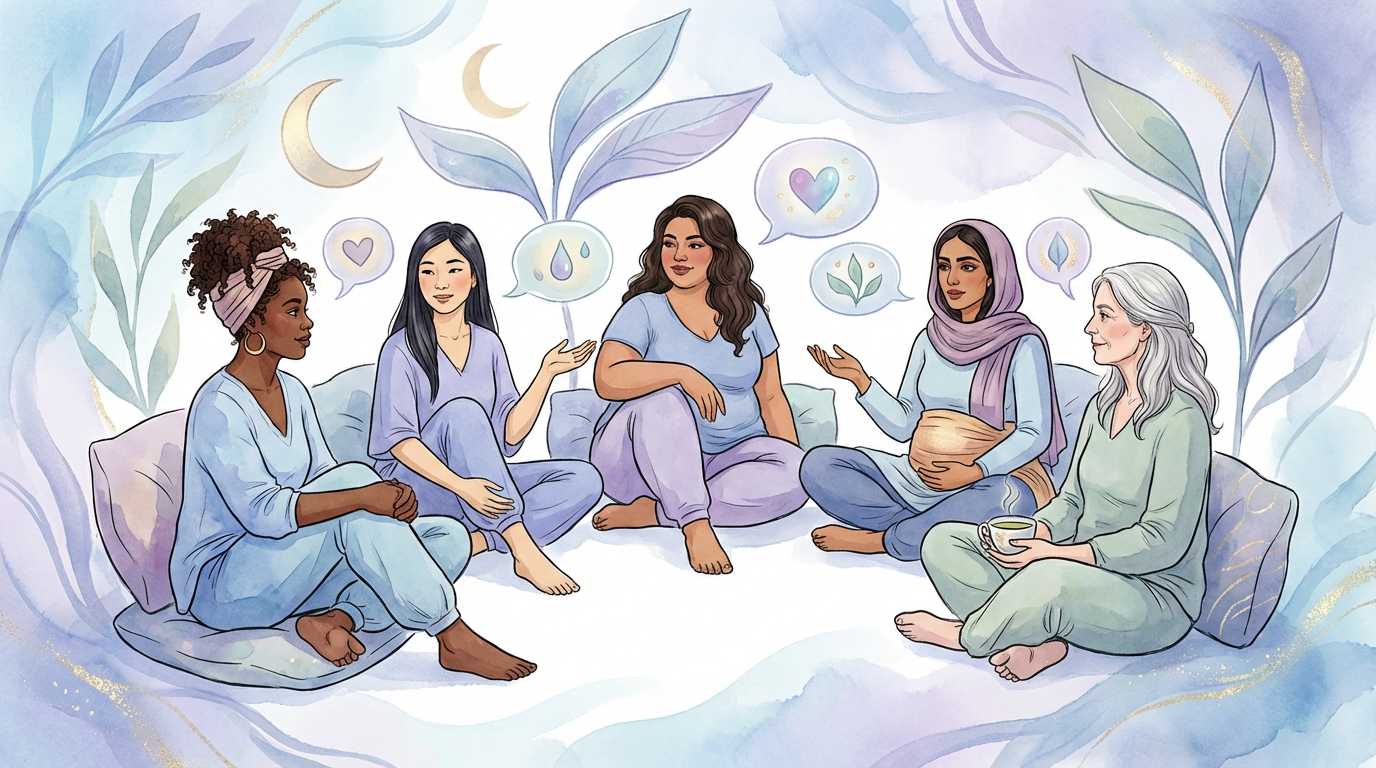
Peer Discussion: What Other Women Experience with Period Symptoms
Generated article about Peer Discussion: What Other Women Experience with Period Symptoms
Listen to this article
~17 min listen
Click play to generate audio narration with a calming voice
Peer Discussion: What Other Women Experience with Period Symptoms
TL;DR Summary
- •Period symptoms extend far beyond physical discomfort, frequently encompassing significant mental and emotional challenges like anxiety, mood swings, and depression.
- •Openly discussing menstrual experiences reveals a wide spectrum of symptom severity and types, fostering validation and reducing feelings of isolation among women.
- •Understanding these shared experiences can empower women to seek appropriate support and management strategies for both physical and mental well-being during their cycle.
Understanding the Spectrum of Period Symptoms: More Than Just Physical Pain
Many women experience a wide array of period symptoms, ranging from physical discomfort like cramps and bloating to significant mental and emotional challenges such as anxiety, depression, and mood swings. This article delves into the diverse experiences of women regarding their menstrual symptoms, exploring how these shared journeys impact mental health, daily life, and overall well-being. By fostering a space for peer discussion, we aim to validate individual experiences, highlight commonalities, and empower women to better understand and manage their unique menstrual cycles.
What Are Common Physical Period Symptoms Women Report?
Common physical period symptoms women report often include a range of discomforts directly linked to hormonal fluctuations. These can vary significantly in intensity and duration from person to person, and even cycle to cycle for the same individual. The most frequently cited physical symptoms include:
- •Menstrual Cramps (Dysmenorrhea): Described as dull, throbbing, or sharp pain in the lower abdomen, often radiating to the back and thighs. Many women report these as the most debilitating physical symptom.
- •Bloating: A feeling of fullness or tightness in the abdomen, often accompanied by visible swelling, due to water retention.
- •Breast Tenderness: Swollen, heavy, or sensitive breasts, sometimes painful to the touch.
- •Headaches/Migraines: Hormonal headaches are common, and some women experience severe migraines specifically around their period.
- •Fatigue: Profound tiredness or lack of energy, even with adequate sleep, often linked to hormonal shifts and sometimes iron deficiency from heavy bleeding.
- •Backache: Lower back pain, often accompanying abdominal cramps.
- •Digestive Issues: Constipation, diarrhea, or increased gas are common, reflecting the impact of prostaglandins on the digestive system.
- •Acne Flare-ups: Hormonal changes can lead to increased oil production and breakouts, particularly on the face, chest, and back.
These physical symptoms, while often uncomfortable, are a normal part of the menstrual cycle for many. However, their severity can greatly impact daily activities, work, and social life, leading to frustration and stress.
How Do Period Symptoms Impact Mental and Emotional Well-being?
Period symptoms significantly impact mental and emotional well-being, often leading to a range of psychological challenges that can be as disruptive, if not more so, than physical discomfort. Hormonal fluctuations, particularly the drop in estrogen and progesterone before menstruation, are known to influence neurotransmitters like serotonin, which plays a crucial role in mood regulation.
Common mental and emotional impacts include:
- •Mood Swings: Rapid shifts in mood, from irritability and anger to sadness and anxiety, often without a clear external trigger.
- •Increased Anxiety: Feelings of nervousness, worry, or panic attacks can intensify during the premenstrual phase.
- •Depression/Sadness: Many women report feeling inexplicably down, hopeless, or tearful, sometimes bordering on depressive episodes.
- •Irritability and Anger: A heightened sense of frustration or short temper, making interactions with others challenging.
- •Difficulty Concentrating: Brain fog, poor focus, and memory issues are commonly reported.
- •Sleep Disturbances: Insomnia or restless sleep can exacerbate other mental health symptoms.
- •Social Withdrawal: The desire to isolate oneself due to feeling overwhelmed, irritable, or simply too unwell to socialize.
- •Body Image Issues: Bloating, weight fluctuations, and skin changes can negatively affect self-perception and confidence.
For some women, these symptoms are severe enough to be classified as Premenstrual Dysphoric Disorder (PMDD), a more extreme form of PMS characterized by significant mood disturbances that interfere with daily life. Discussing these mental health impacts openly helps normalize these experiences and encourages women to seek support without shame.
What Are Less Common, Yet Significant, Period Experiences?
Less common, yet significant, period experiences often go unmentioned, leading many women to believe their particular symptoms are unique or abnormal. Sharing these experiences can provide immense validation and encourage individuals to seek diagnosis and treatment.
These include:
- •Extreme Fatigue (beyond normal): Some women experience debilitating fatigue that makes it impossible to function, often linked to conditions like anemia or underlying chronic fatigue syndrome exacerbated by menstruation.
- •Gastrointestinal Distress (Severe): While mild digestive issues are common, some women suffer from severe nausea, vomiting, or incapacitating diarrhea/constipation, sometimes indicative of endometriosis affecting the bowels.
- •Pelvic Pain Outside Menstruation: Persistent or chronic pelvic pain that isn't limited to the menstrual period, often a symptom of conditions like endometriosis, adenomyosis, or pelvic inflammatory disease.
- •Neuropathic Pain: Sharp, shooting, or burning pain in the pelvic area or legs, sometimes associated with nerve involvement in gynecological conditions.
- •Allergic Reactions: Rare reports of "menstrual allergies" or auto-immune responses where the body reacts to its own hormonal changes, leading to rashes, hives, or asthma flare-ups.
- •Migraine with Aura: While migraines are common, those with visual or sensory aura leading up to or during menstruation can be particularly debilitating.
- •Psychological Symptoms that Mimic Other Conditions: Some women experience symptoms so severe they are misdiagnosed with anxiety disorders, depression, or bipolar disorder before their cyclical nature is recognized as PMDD.
- •Heavy Menstrual Bleeding (Menorrhagia): Bleeding so heavy it soaks through pads/tampons hourly, leads to anemia, or passes large clots, significantly impacting daily life and energy levels.
These lesser-known experiences highlight the need for comprehensive understanding and empathetic listening within healthcare, ensuring that women's diverse and sometimes complex symptoms are not dismissed.
Can Diet and Lifestyle Changes Alleviate Period Symptoms?
Yes, diet and lifestyle changes can significantly alleviate many period symptoms, offering natural and accessible ways to manage discomfort and improve well-being. While not a cure for underlying conditions, these adjustments can reduce symptom severity for many women.
Dietary Adjustments:
- •Reduce Processed Foods, Sugar, and Salt: These can exacerbate inflammation, bloating, and mood swings. High sugar intake can also lead to energy crashes.
- •Increase Whole Foods: Focus on fruits, vegetables, whole grains, lean proteins, and healthy fats. These provide essential nutrients and fiber.
- •Omega-3 Fatty Acids: Found in fatty fish (salmon, mackerel), flaxseeds, and walnuts, omega-3s have anti-inflammatory properties that can help reduce cramps and breast tenderness.
- •Magnesium-Rich Foods: Leafy greens, nuts, seeds, and dark chocolate can help relax muscles and reduce headaches and cramps.
- •Calcium and Vitamin D: Dairy products, fortified plant milks, and sun exposure support bone health and may help with mood and PMS symptoms.
- •Hydration: Drinking plenty of water helps reduce bloating and can alleviate headaches.
- •Limit Caffeine and Alcohol: These can worsen anxiety, sleep disturbances, and breast tenderness for some individuals.
Lifestyle Modifications:
- •Regular Exercise: Moderate physical activity, such as walking, yoga, or swimming, can reduce cramps, improve mood, and decrease fatigue. Endorphins released during exercise act as natural pain relievers.
- •Stress Management: Techniques like meditation, deep breathing exercises, mindfulness, and journaling can significantly reduce anxiety and mood swings associated with PMS/PMDD.
- •Adequate Sleep: Aim for 7-9 hours of quality sleep per night. Poor sleep can exacerbate fatigue, irritability, and difficulty concentrating.
- •Heat Therapy: Applying a heating pad or taking a warm bath can help relax uterine muscles and alleviate cramps.
- •Avoid Smoking: Smoking can worsen period pain and other symptoms.
Implementing these changes consistently often yields positive results, empowering women to take an active role in managing their menstrual health.
What Role Does Hormonal Balance Play in Period Symptom Severity?
Hormonal balance plays a critical role in period symptom severity, as the menstrual cycle is fundamentally orchestrated by the intricate interplay of estrogen, progesterone, follicle-stimulating hormone (FSH), and luteinizing hormone (LH). Imbalances or fluctuations in these hormones can lead to a wide range of intensified symptoms.
- •Estrogen Dominance: This occurs when estrogen levels are too high relative to progesterone, or when progesterone levels are too low. It can lead to exacerbated breast tenderness, bloating, heavy bleeding, mood swings, irritability, and difficulty sleeping.
- •Progesterone Deficiency: Progesterone has calming and anti-anxiety effects. Low levels can contribute to increased anxiety, irritability, sleep disturbances, and a heightened sense of emotional vulnerability.
- •Prostaglandins: While not hormones in the traditional sense, these hormone-like lipids are produced in the uterine lining. High levels of prostaglandins cause stronger uterine contractions, leading to more severe cramps and pain. Hormonal balance influences their production.
- •Neurotransmitter Connection: Hormonal fluctuations directly impact neurotransmitters like serotonin (mood, sleep, appetite) and GABA (calming). A sharp drop in estrogen and progesterone before menstruation can lead to a corresponding drop in serotonin, contributing to mood swings, anxiety, and depressive symptoms.
- •Thyroid Hormones: An underactive or overactive thyroid can also impact menstrual cycle regularity and symptom severity, often leading to heavier or lighter periods, increased fatigue, and mood disturbances.
Understanding the nuanced role of hormonal balance underscores why personalized approaches to managing period symptoms, often involving medical evaluation and sometimes hormonal therapies, can be highly effective.
Benefits by Life Stage
Understanding shared period experiences and seeking support can be transformative at every stage of a woman's life.
Menstrual Health (periods, cramps, PMS)
For those navigating regular periods, discussing symptoms helps normalize discomfort and identify effective coping strategies. Learning that others experience severe cramps, debilitating fatigue, or profound mood swings can reduce feelings of isolation and shame. Peer discussions often reveal practical tips for pain management (e.g., specific stretches, supplements, heating pad techniques), stress reduction, and dietary adjustments. It also empowers women to recognize when symptoms cross the line from typical PMS to conditions like PMDD or endometriosis, prompting them to seek medical advice earlier.
Fertility Journey (TTC, ovulation, conception)
During the fertility journey, understanding period symptoms takes on new significance. Recognizing ovulation symptoms (e.g., cervical mucus changes, ovulation pain) is crucial for timing intercourse. However, the emotional toll of the menstrual cycle can be particularly heavy for those trying to conceive (TTC). The anticipation leading up to a period, followed by the disappointment of its arrival, can exacerbate anxiety and sadness. Peer discussions provide a vital outlet for sharing these emotional challenges, offering mutual support, understanding, and hope amidst the stress of TTC. It also helps distinguish between normal premenstrual symptoms and potential early pregnancy signs, albeit with caution.
Pregnancy (trimesters, prenatal care)
While menstruation ceases during pregnancy, the hormonal shifts can still manifest in ways that resonate with premenstrual experiences. Early pregnancy symptoms like nausea, fatigue, breast tenderness, and mood swings often mimic PMS, creating confusion. Discussing these shared experiences helps pregnant women understand what's normal and when to seek medical advice. Later in pregnancy, discussions might shift to discomforts like Braxton Hicks contractions, pelvic pressure, and emotional fluctuations, all of which benefit from shared understanding and reassurance that others are going through similar challenges.
Menopause (perimenopause, hormonal changes)
Perimenopause and menopause bring a new set of hormonal changes that can feel reminiscent of severe PMS, but often more prolonged and unpredictable. Irregular periods, hot flashes, night sweats, sleep disturbances, vaginal dryness, and significant mood changes (anxiety, depression, irritability) are common. Peer discussions during this stage are invaluable for validating these often-distressing symptoms, sharing strategies for managing hot flashes, improving sleep, and addressing mental health impacts. It helps women navigate this significant life transition with greater knowledge and a sense of community, reducing feelings of isolation and empowering them to advocate for appropriate medical support.
Key Takeaways
- •Period symptoms encompass a broad spectrum of physical, mental, and emotional challenges, varying greatly among individuals.
- •Mental health impacts like anxiety, mood swings, and depression are common and significant aspects of the menstrual experience.
- •Open peer discussions foster validation, reduce isolation, and help women identify both common and less common symptoms.
- •Dietary and lifestyle modifications, including nutrition, exercise, and stress management, can effectively alleviate many symptoms.
- •Hormonal balance profoundly influences symptom severity, highlighting the importance of understanding underlying physiological processes.
- •Shared experiences provide crucial support and guidance across all life stages, from menstruation to fertility, pregnancy, and menopause.
Frequently Asked Questions
Q: Is it normal to feel depressed or extremely anxious before my period?
Yes, it is very normal to experience feelings of depression, sadness, or heightened anxiety in the days leading up to your period. These emotional shifts are often linked to the natural drop in estrogen and progesterone, which can affect neurotransmitters like serotonin. For some, these symptoms are severe enough to be diagnosed as Premenstrual Dysphoric Disorder (PMDD), which requires professional evaluation and management.
Q: How can I tell if my period pain is normal or if I should see a doctor?
While some level of discomfort or cramping is common, pain that is so severe it interferes with your daily activities, prevents you from going to work or school, doesn't respond to over-the-counter pain relievers, or worsens over time, warrants a doctor's visit. Such pain could indicate underlying conditions like endometriosis, fibroids, or adenomyosis.
Q: Do period symptoms change as I get older?
Yes, period symptoms can definitely change with age. Many women report that PMS symptoms might worsen in their late 30s and 40s (perimenopause) due to fluctuating hormone levels. Period flow might also become heavier or more irregular. Conversely, some women find that certain symptoms, like cramps, lessen after childbirth.
Q: Can stress make my period symptoms worse?
Absolutely. Stress can significantly exacerbate period symptoms, both physical and emotional. High stress levels can disrupt hormonal balance, potentially leading to more severe cramps, heavier bleeding, increased mood swings, and irregular cycles. Managing stress through techniques like mindfulness, yoga, or sufficient rest can often help mitigate these effects.
Q: Are there any natural remedies that really help with period symptoms?
Many natural remedies have been anecdotally and scientifically shown to help. These include magnesium supplements for cramps and headaches, omega-3 fatty acids for inflammation, chasteberry (Vitex agnus-castus) for PMS and hormonal balance, and ginger for nausea and anti-inflammatory effects. Lifestyle changes such as regular exercise, a balanced diet, and adequate sleep also play a crucial role in symptom management.
Q: Why do I crave specific foods, like chocolate, before my period?
Food cravings, particularly for sugary or carbohydrate-rich foods like chocolate, are very common before menstruation. This is thought to be partly due to hormonal fluctuations affecting serotonin levels, as carbohydrates can temporarily boost serotonin. Magnesium deficiency, also common during this phase, might also contribute to chocolate cravings.
Q: Can my period affect my sleep quality?
Yes, your period can significantly affect sleep quality. Hormonal changes, particularly the drop in progesterone before menstruation, can interfere with sleep patterns, leading to insomnia, restless sleep, or vivid dreams. Physical discomforts like cramps, bloating, and breast tenderness can also make it difficult to find a comfortable sleeping position.
Start Your Wellness Journey Today
Ready to track your cycle, fertility, pregnancy, or menopause journey? Download PERIODiQ - your iQ-powered wellness companion designed for every stage of your health journey.
Get PERIODiQ Free: https://periodiq.app
Your Wellness Journey Starts Here
Download PERIODiQ
Scan the QR code or tap the link to get started with your personalized health tracking.
periodiq.app • iOS & Android
Cite this article
PERIODiQ Editorial Team (2025). "Peer Discussion: What Other Women Experience with Period Symptoms." PERIODiQ. https://periodiq.app/library/peer-discussion-period-symptoms
"Peer Discussion: What Other Women Experience with Period Symptoms." PERIODiQ, 2025, https://periodiq.app/library/peer-discussion-period-symptoms.
Send this to a friend — PERIODiQ is free for them too. No card. No paywall.
Loved this? Save articles, track your cycle, and unlock meditations — free forever.
Disclaimer: PERIODiQ™ offers general wellness information only. It does not provide medical advice, diagnosis, or treatment. Always speak with a licensed health professional about your health.