Nordic Diet for Women's Health: Salmon, Berries & the Lagom Approach
The Nordic diet, characterized by whole grains, berries, fatty fish like salmon, and local seasonal produce, offers a sustainable and nutrient-dense eating pattern for women's health. It emphasizes balance and moderation, embodying the 'lagom' approach, which can positively impact hormonal balance, fertility, and overall well-being across all life stages.
Listen to this article
~20 min listen
Click play to generate audio narration with a calming voice
TL;DR Summary
- •The Nordic diet is a plant-rich, fiber-focused eating pattern emphasizing local, seasonal foods, whole grains, root vegetables, berries, and fatty fish.
- •Its focus on anti-inflammatory foods, healthy fats (like those in salmon), and balanced nutrition supports hormonal health, menstrual regularity, fertility, and menopausal comfort for women.
- •Embracing the 'lagom' (just right) principle, the Nordic diet promotes mindful eating and a sustainable approach to well-being, rather than restrictive dieting.
Unlocking Women's Health: The Nordic Diet, Salmon, Berries, and the Lagom Approach
The Nordic diet, a dietary pattern rooted in the traditional eating habits of Denmark, Finland, Iceland, Norway, and Sweden, offers a sustainable and nutrient-dense approach to women's health, characterized by its emphasis on whole grains, berries, fatty fish like salmon, and local seasonal produce. This dietary philosophy, often intertwined with the concept of 'lagom' – meaning 'just right' or 'in moderation' – provides a holistic framework for supporting hormonal balance, reproductive well-being, and overall vitality throughout a woman's life. Unlike restrictive diets, the Nordic diet champions an abundance of wholesome, unprocessed foods, focusing on what to include rather than what to eliminate, making it an accessible and enjoyable path to better health for women curious about Scandinavian nutrition.
What Defines the Nordic Diet?
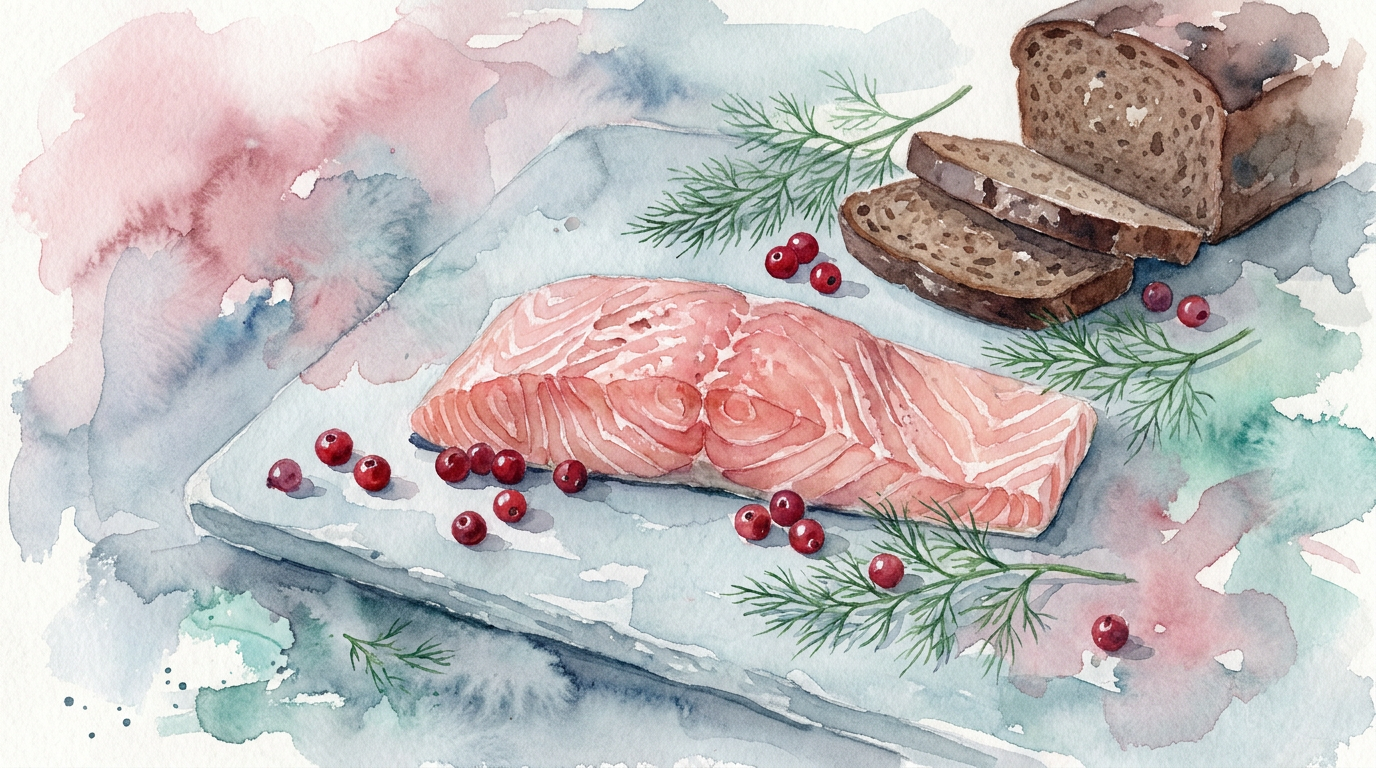
The Nordic diet is primarily defined by its foundation in locally sourced, seasonal foods that are characteristic of the Northern European region. This pattern prioritizes plant-based foods, including a wide array of root vegetables, cabbage, legumes, and dark leafy greens. Whole grains such as rye, oats, and barley form a significant part of the daily intake, providing essential fiber and sustained energy. Wild berries, like blueberries, lingonberries, and cloudberries, are consumed frequently, offering potent antioxidants. Crucially, the diet features regular consumption of fatty fish, notably salmon, herring, and mackerel, which are rich in omega-3 fatty acids. Low-fat dairy products, rapeseed oil (canola oil) as the primary fat source, and lean meats are also included, though in smaller quantities than plant-based foods and fish. The emphasis is on sustainability, traditional preparation methods, and a reduced intake of processed foods, refined sugars, and red meat.
How Does the Nordic Diet Support Hormonal Balance?
The Nordic diet supports hormonal balance through its rich profile of anti-inflammatory foods, essential fatty acids, and high fiber content, which collectively contribute to optimal endocrine function. Chronic inflammation can disrupt hormone signaling pathways, leading to issues like insulin resistance, thyroid dysfunction, and imbalances in estrogen and progesterone. The abundance of omega-3 fatty acids from salmon hormones and other fatty fish, along with antioxidants from berries and vegetables, actively combats inflammation. Omega-3s are precursors to eicosanoids, which are signaling molecules involved in inflammation and pain regulation, directly impacting conditions like PMS and endometriosis. Furthermore, the high fiber content from whole grains, fruits, and vegetables aids in estrogen detoxification by promoting regular bowel movements, preventing the reabsorption of metabolized estrogens from the gut, which can contribute to estrogen dominance. The diet's emphasis on stable blood sugar levels, achieved through complex carbohydrates and fiber, also reduces insulin spikes, a key factor in conditions like Polycystic Ovary Syndrome (PCOS) where insulin resistance is prevalent. This comprehensive nutritional approach helps create a stable internal environment conducive to balanced hormone production and utilization.
What Role Do Salmon and Omega-3s Play in Women's Health?
Salmon, a cornerstone of Scandinavian nutrition, plays a pivotal role in women's health primarily due to its exceptionally high concentration of omega-3 fatty acids, specifically EPA (eicosapentaenoic acid) and DHA (docosahexaenoic acid). These essential fats are critical for reducing systemic inflammation, a common underlying factor in many women's health issues, including painful periods, endometriosis, and fertility challenges. Omega-3s contribute to the health of cell membranes throughout the body, improving cellular communication and hormone receptor sensitivity. For instance, research suggests that adequate omega-3 intake can mitigate menstrual pain by reducing the production of pro-inflammatory prostaglandins that cause uterine contractions. In the context of fertility, DHA is crucial for egg quality and fetal brain development during pregnancy. Beyond omega-3s, salmon provides high-quality protein, which is essential for hormone synthesis, enzyme production, and overall tissue repair. It's also a good source of Vitamin D, a nutrient vital for immune function, bone health, and endocrine regulation, including the production of sex hormones. Regular consumption of salmon within the Nordic diet women can significantly contribute to a favorable inflammatory profile and support robust reproductive health.
How Do Berries and Antioxidants Benefit Women's Bodies?
Berries, a vibrant and ubiquitous component of the Nordic diet, are powerhouses of antioxidants, vitamins, and fiber, offering profound benefits for women's bodies. Their rich content of anthocyanins, ellagic acid, and quercetin helps neutralize free radicals, protecting cells from oxidative stress and reducing inflammation. Oxidative stress can damage DNA, contribute to aging, and impair reproductive health, including egg quality. For women, this antioxidant protection is particularly valuable in maintaining cellular integrity in reproductive organs, potentially supporting fertility and reducing the risk of certain chronic diseases. The high fiber in berries also aids digestive health, contributing to a healthy gut microbiome – an increasingly recognized factor in hormonal balance and immune function. Furthermore, berries have a relatively low glycemic index, meaning they provide natural sweetness without causing sharp blood sugar spikes, which is beneficial for managing insulin sensitivity and reducing the risk of conditions like gestational diabetes and PCOS. Regular inclusion of a diverse range of berries, from blueberries to lingonberries, ensures a broad spectrum of these protective compounds, enhancing overall vitality and resilience.
What Does the 'Lagom Approach' Mean for Eating and Well-being?
The 'lagom approach' in the context of eating and well-being embodies the Swedish philosophy of 'just right' – not too much, not too little, but perfectly balanced. For women, this translates into a mindful and sustainable relationship with food, moving away from restrictive dieting or overconsumption. Instead of rigid rules, lagom eating encourages listening to one's body, recognizing true hunger and fullness cues, and enjoying food in moderation. This approach fosters a sense of contentment and reduces the stress often associated with food choices, which can have positive ripple effects on hormonal health. Chronic stress, whether from diet culture or other sources, can elevate cortisol levels, impacting sex hormones and menstrual regularity. By promoting balance and enjoyment, lagom eating helps mitigate this stress, allowing the body's natural regulatory systems to function more optimally. It emphasizes quality over quantity, savoring meals, and appreciating the nutritional value of diverse whole foods, thereby supporting both physical and mental well-being without deprivation.
Can the Nordic Diet Improve Gut Health and Digestion?
Yes, the Nordic diet can significantly improve gut health and digestion due to its high fiber content and emphasis on fermented foods. The abundant intake of whole grains (rye, oats, barley), root vegetables, legumes, fruits, and berries provides both soluble and insoluble fiber. Soluble fiber acts as a prebiotic, feeding beneficial gut bacteria and promoting a diverse microbiome, which is crucial for nutrient absorption, immune function, and even mood regulation. Insoluble fiber adds bulk to stool, facilitating regular bowel movements and preventing constipation, a common issue for many women that can exacerbate PMS symptoms and hinder estrogen detoxification. Additionally, some traditional Scandinavian foods, like fermented dairy (e.g., filmjölk) and pickled vegetables, introduce beneficial probiotics, further enhancing gut flora diversity. A healthy gut microbiome is increasingly linked to hormonal balance, as it plays a role in metabolizing and excreting hormones, particularly estrogen. By fostering a robust and diverse gut environment, the Nordic diet supports efficient digestion and contributes to overall systemic health, indirectly benefiting hormonal and reproductive systems.
Practical Tips for Adopting the Nordic Diet
Transitioning to the Nordic diet involves practical shifts that are both enjoyable and sustainable:
- •Prioritize Whole Grains: Swap refined breads and pasta for rye bread, oat porridge, barley, and whole-grain sourdough.
- •Embrace Berries Daily: Incorporate fresh or frozen berries into breakfasts, snacks, or desserts. Think smoothies, oatmeal toppings, or simply a handful as a snack.
- •Regular Fatty Fish Intake: Aim for 2-3 servings of salmon, herring, or mackerel per week. Explore various cooking methods like baking, grilling, or poaching.
- •Load Up on Root Vegetables and Cabbage: Include carrots, parsnips, turnips, potatoes, and various cabbages in your meals. They are affordable, versatile, and nutrient-dense.
- •Use Rapeseed Oil: Make rapeseed (canola) oil your primary cooking oil due to its favorable omega-3 to omega-6 ratio. Olive oil is also a good alternative.
- •Choose Lean Protein: Opt for poultry, game meats, and legumes over red meat, consuming them in moderation.
- •Fermented Foods: Integrate fermented dairy like plain yogurt or kefir, and explore pickled vegetables.
- •Seasonal and Local: Whenever possible, choose produce that is in season and grown locally. This often means fresher, more nutrient-dense food and supports local economies.
- •Practice Lagom Eating: Eat mindfully, savor your meals, and stop when you are satisfied, not overly full. Focus on the joy of fresh, simple ingredients.
- •Hydrate Well: Drink plenty of water throughout the day. Herbal teas can also be a pleasant addition.
Benefits by Life Stage
The Nordic diet's holistic approach provides tailored benefits for women across various life stages, addressing unique physiological needs and challenges.
Menstrual Health (Periods, Cramps, PMS)
For menstrual health, the Nordic diet women pattern offers significant advantages. The high omega-3 content from salmon and other fatty fish helps reduce the production of pro-inflammatory prostaglandins, which are key contributors to menstrual cramps (dysmenorrhea). Studies have shown that increased omega-3 intake can decrease the intensity and duration of period pain. Furthermore, the diet's abundance of antioxidants from berries and vegetables combats oxidative stress, which can exacerbate PMS symptoms. The high fiber content promotes regular bowel movements, aiding in the efficient excretion of excess estrogen, thereby potentially alleviating symptoms associated with estrogen dominance, such as breast tenderness, bloating, and mood swings. Stable blood sugar levels, maintained by complex carbohydrates and fiber, also reduce mood fluctuations and energy dips commonly experienced during the luteal phase. Magnesium-rich foods, like whole grains and leafy greens, can further support muscle relaxation and reduce uterine contractions.
Fertility Journey (TTC, Ovulation, Conception)
During the fertility journey, the Nordic diet provides a nutrient-rich foundation for optimal reproductive function. Omega-3 fatty acids are crucial for egg quality and ovarian health, potentially improving outcomes for women trying to conceive. They also contribute to a healthy uterine lining, essential for implantation. The diet's emphasis on antioxidants helps protect reproductive cells from damage, a vital factor for both egg and sperm health. Lean protein from fish and legumes supports hormone production and overall cellular repair. The inclusion of whole grains and a low glycemic load helps regulate insulin sensitivity, which is particularly beneficial for women with PCOS, a common cause of ovulatory dysfunction. By reducing inflammation and promoting a balanced hormonal environment, the Nordic diet creates a fertile ground for conception and a healthy early pregnancy. Adequate intake of folate from leafy greens and other vegetables is also critical for early fetal development, preventing neural tube defects.
Pregnancy (Trimesters, Prenatal Care)
Throughout pregnancy, the Nordic diet offers a wealth of essential nutrients for both mother and developing baby. The consistent intake of omega-3s from salmon is paramount for fetal brain and eye development, particularly DHA. These fats also play a role in reducing the risk of preterm birth and improving birth weight. The diet's rich fiber content helps prevent common pregnancy discomforts like constipation and hemorrhoids, while also supporting healthy blood sugar levels to reduce the risk of gestational diabetes. Abundant vitamins and minerals from diverse fruits, vegetables, and whole grains support the mother's increased nutritional needs and the baby's rapid growth. Lean protein ensures adequate amino acid supply for tissue development. The anti-inflammatory nature of the diet may also help manage pregnancy-related aches and pains, contributing to a more comfortable gestation. Moreover, the emphasis on unprocessed, whole foods minimizes exposure to potential toxins found in highly processed foods, further safeguarding maternal and fetal health.
Menopause (Perimenopause, Hormonal Changes)
For women navigating perimenopause and menopause, the Nordic diet can significantly ease the transition and support long-term health. The anti-inflammatory properties of omega-3s and antioxidants can help manage menopausal symptoms such as hot flashes, joint pain, and mood swings, which are often linked to systemic inflammation. The diet's emphasis on bone-supporting nutrients like calcium (from dairy) and Vitamin D (from fatty fish and sunlight exposure) is crucial for preventing osteoporosis, a major concern post-menopause due to declining estrogen levels. High fiber intake helps manage weight fluctuations, a common challenge during menopause, and supports cardiovascular health, which becomes increasingly important as women age. The focus on plant-based foods and healthy fats also contributes to better cholesterol profiles, reducing the risk of heart disease. The lagom eating approach encourages a mindful relationship with food, which can be particularly beneficial during a time of significant physiological and emotional change, promoting a sense of control and well-being rather than deprivation or stress.
Key Takeaways
- •The Nordic diet is a sustainable, nutrient-dense eating pattern rich in whole grains, berries, root vegetables, and fatty fish like salmon.
- •It profoundly supports women's health by providing anti-inflammatory omega-3s, antioxidants, and fiber, crucial for hormonal balance and overall well-being.
- •Salmon hormones (referring to the impact of salmon's nutrients on human hormones) and other fatty fish are vital for reducing inflammation and supporting reproductive health.
- •Berries offer powerful antioxidant protection against cellular damage and inflammation, beneficial for all life stages.
- •The 'lagom' principle promotes mindful, balanced eating, reducing stress and fostering a healthy relationship with food.
- •This dietary pattern offers specific benefits for menstrual health, fertility, pregnancy, and menopause, addressing unique nutritional needs at each stage.
- •Embracing Scandinavian nutrition provides a holistic, evidence-based path to improved women's health and vitality.
Frequently Asked Questions
Q: Is the Nordic diet suitable for all women, regardless of their health status?
A: The Nordic diet is generally considered suitable and beneficial for most women due to its emphasis on whole, unprocessed foods and balanced nutrition. However, individuals with specific dietary restrictions, allergies, or medical conditions should consult with a healthcare professional or registered dietitian to ensure it meets their individual needs and to make any necessary modifications.
Q: How often should I eat salmon or other fatty fish on the Nordic diet?
A: For optimal benefits, particularly for omega-3 intake, it is recommended to consume fatty fish like salmon, herring, or mackerel 2-3 times per week. This provides a consistent supply of EPA and DHA to support hormonal health, reduce inflammation, and benefit cardiovascular and cognitive function.
Q: Can the Nordic diet help with weight management?
A: Yes, the Nordic diet can be effective for weight management. Its high fiber content from whole grains, fruits, and vegetables promotes satiety, helping to reduce overall calorie intake. The emphasis on lean proteins and healthy fats also contributes to fullness, while the lagom eating approach encourages mindful consumption, preventing overeating and fostering a sustainable approach to maintaining a healthy weight.
Q: Are there specific berries that are best for women's health in the Nordic diet?
A: While all berries are beneficial, particularly prominent in Nordic countries are blueberries, lingonberries, cloudberries, and cranberries. These are rich in specific antioxidants like anthocyanins and proanthocyanidins, which are potent anti-inflammatory agents and can support urinary tract health, a common concern for women. Incorporating a variety ensures a broad spectrum of benefits.
Q: How does the Nordic diet compare to the Mediterranean diet?
A: Both the Nordic and Mediterranean diets are lauded for their health benefits, sharing similarities like emphasizing whole, unprocessed foods, fruits, vegetables, whole grains, and healthy fats. Key differences include the primary fat source (rapeseed oil in Nordic vs. olive oil in Mediterranean), the types of fish (cold-water fatty fish in Nordic vs. a wider variety in Mediterranean), and the inclusion of specific regional produce. Both are excellent choices for women's health, with the Nordic diet offering a localized approach for those in Northern climates or seeking a similar, yet distinct, pattern.
Q: What if I don't like fish? Can I still follow the Nordic diet for women's health?
A: While fatty fish like salmon are a cornerstone of the Nordic diet women for their omega-3 content, you can still follow a modified version. Plant-based sources of ALA omega-3s (which the body can convert to EPA/DHA, though less efficiently) include flaxseeds, chia seeds, and walnuts. You might also consider algae-based omega-3 supplements to ensure adequate EPA and DHA intake if you completely avoid fish, after consulting with a healthcare provider.
Q: Is the Nordic diet expensive to follow?
A: The Nordic diet can be cost-effective, especially when focusing on seasonal, local produce and staples like whole grains and root vegetables, which are often affordable. While fresh salmon can be pricier, canned or frozen fatty fish options can be budget-friendly. Emphasizing plant-based meals and reducing reliance on expensive processed foods also helps manage costs, aligning with the sustainable principles of Scandinavian nutrition.
Start Your Wellness Journey Today
Ready to track your cycle, fertility, pregnancy, or menopause journey? Download PERIODiQ - your iQ-powered wellness companion designed for every stage of your health journey.
Get PERIODiQ Free: https://periodiq.app
Your Wellness Journey Starts Here
Download PERIODiQ
Scan the QR code or tap the link to get started with your personalized health tracking.
periodiq.app • iOS & Android
Cite this article
PERIODiQ Editorial Team (2026). "Nordic Diet for Women's Health: Salmon, Berries & the Lagom Approach." PERIODiQ. https://periodiq.app/library/nordic-diet-for-womens-health-salmon-berries-the-lagom-approach
"Nordic Diet for Women's Health: Salmon, Berries & the Lagom Approach." PERIODiQ, 2026, https://periodiq.app/library/nordic-diet-for-womens-health-salmon-berries-the-lagom-approach.
Send this to a friend — PERIODiQ is free for them too. No card. No paywall.
Loved this? Save articles, track your cycle, and unlock meditations — free forever.
Disclaimer: PERIODiQ™ offers general wellness information only. It does not provide medical advice, diagnosis, or treatment. Always speak with a licensed health professional about your health.