
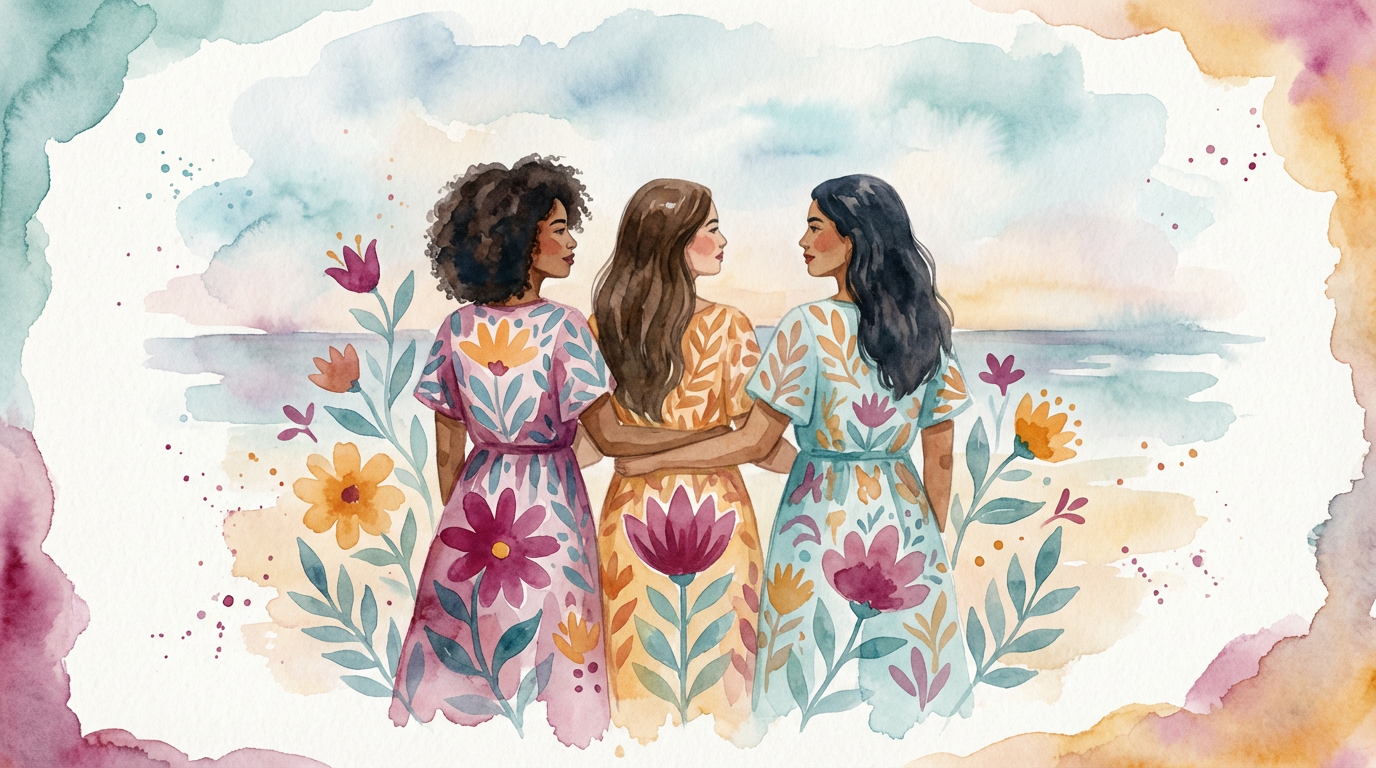
Menstrual Stigma in Latin America: How Women in Mexico, Colombia, and Brazil Are Breaking the Silence
Menstrual stigma in Latin America, particularly in Mexico, Colombia, and Brazil, refers to the widespread shame, silence, and negative perceptions surrounding menstruation. This deeply ingrained cultural issue affects women's health, education, and social participation, but a growing movement of activists and organizations is actively working to dismantle these taboos and foster open dialogue.
Listen to this article
~17 min listen
Click play to generate audio narration with a calming voice
TL;DR Summary
- •Menstrual stigma in Latin America leads to shame, misinformation, and limited access to essential period products, impacting women's health and education.
- •Cultural and religious beliefs, coupled with a lack of comprehensive sex education, perpetuate period taboo in Mexico, Colombia, and Brazil.
- •Grassroots movements, digital activism, and educational initiatives are empowering Latina women to challenge norms and advocate for menstrual equity.
Unveiling Menstrual Stigma in Latin America: A Call for Open Dialogue
Menstrual stigma in Latin America is a pervasive and deeply rooted issue characterized by shame, silence, and negative cultural perceptions surrounding menstruation, significantly impacting the lives of women and girls across the region, particularly in countries like Mexico, Colombia, and Brazil. This article delves into the manifestations of this stigma, its detrimental effects, and the powerful, inspiring ways Latina women and allies are actively breaking the silence and fostering a more open, equitable understanding of menstrual health.
For generations, menstruation has been shrouded in secrecy, whispered about, or completely ignored in public discourse throughout Latin America. This period taboo, often stemming from a complex interplay of historical, religious, and cultural factors, perpetuates harmful myths, limits access to accurate information, and denies women their fundamental right to manage their periods with dignity and without shame. The consequences are far-reaching, affecting everything from school attendance and economic participation to mental well-being and overall reproductive health. However, a powerful wave of advocacy and activism is emerging, driven by the unwavering determination of women to reclaim their bodies and narratives, transforming the conversation around menstrual health into one of empowerment and equity.
What Is Menstrual Stigma and How Does it Manifest in Latin American Cultures?
Menstrual stigma is the social, cultural, and psychological burden of shame, secrecy, and discrimination associated with menstruation. In Latin America, this stigma manifests in various ways, often rooted in traditional beliefs that portray menstruation as impure, dirty, or a source of weakness. These perceptions are deeply embedded in societal norms, influencing language, social interactions, and even public policy. For instance, the use of euphemisms like "la regla" (the rule) or "andrés" (Andrew) instead of directly saying "menstruation" or "period" is a common indicator of this discomfort.
This period taboo often dictates that menstruating individuals should hide their products, avoid certain activities, or even feel embarrassed about their bodies. Children, particularly girls, often receive inadequate or misleading information about their bodies, leading to anxiety and confusion when they first start menstruating. In some communities, girls may be told not to wash their hair, cook, or engage in religious ceremonies during their period, reinforcing the idea that menstruation is something to be managed discreetly and with a sense of impurity. This cultural silence not only fosters ignorance but also creates a breeding ground for misinformation and harmful practices, jeopardizing the health and well-being of countless Latina women and girls.
How Does Period Taboo Affect Women in Mexico?
In Mexico, period taboo holds significant sway, impacting education, health, and economic opportunities for women. Studies show that a substantial percentage of Mexican girls miss school during their periods due to lack of access to menstrual products, inadequate sanitation facilities, or simply the shame associated with menstruating at school. This educational disruption can have long-term consequences, perpetuating cycles of poverty and limiting future prospects. The lack of comprehensive sex education, particularly regarding menstrual health, exacerbates the problem, leaving many young girls unprepared and misinformed.
Furthermore, the economic burden of period poverty is substantial. Many women and girls in Mexico, especially those in rural or low-income areas, struggle to afford basic menstrual products. This forces them to use unhygienic alternatives like rags, newspaper, or cotton, which can lead to infections and other health complications. The societal expectation to hide menstruation also means that discussions about product accessibility or the need for better sanitation are often avoided, further entrenching the problem. Breaking the silence in Mexico involves not only educational initiatives but also advocating for policy changes that address period poverty and ensure menstrual equity for all.
What Are the Challenges Faced by Women in Colombia Regarding Menstrual Health?
Colombia faces similar challenges to Mexico when it comes to menstrual stigma, with cultural norms and socio-economic disparities amplifying the issue. The emphasis on modesty and purity in Colombian society often translates into a reluctance to discuss menstruation openly. This leads to a lack of accurate information, particularly in rural and indigenous communities, where traditional beliefs about menstruation can be particularly restrictive. For instance, some communities may associate menstruation with negative spiritual connotations, further isolating menstruating individuals.
Access to menstrual hygiene products and adequate sanitation facilities remains a significant hurdle. In many public schools and workplaces, restrooms lack proper disposal bins or running water, making it difficult for women and girls to manage their periods hygienically and discreetly. This lack of infrastructure, coupled with the prevailing period taboo, contributes to discomfort, anxiety, and even health risks. Initiatives in Colombia are focusing on destigmatizing menstruation through educational workshops, product distribution programs, and advocacy for improved public health policies, aiming to empower Latina menstrual health through awareness and access.
How Is Brazil Confronting Menstrual Stigma and Advocating for Menstrual Equity?
Brazil, a country with immense cultural diversity, also grapples with widespread menstrual stigma, often manifesting differently across its regions and social strata. The impact of period poverty is particularly acute in favelas and marginalized communities, where economic hardship makes access to menstrual products a luxury rather than a right. This leads to what is known as "menstrual vulnerability," affecting girls' attendance at school and women's participation in the workforce. The lack of open dialogue about menstruation also contributes to a limited understanding of reproductive health and rights among the general population.
However, Brazil has seen a significant rise in activism and public discourse around menstrual equity. Grassroots organizations, feminist collectives, and even government bodies are increasingly recognizing the importance of addressing menstrual health as a public health issue. Campaigns are being launched to distribute free menstrual products, educate communities, and challenge the deep-seated cultural norms that perpetuate shame. The goal is to normalize menstruation, ensuring that every woman and girl in Brazil can manage her period with dignity, comfort, and without fear of judgment, fostering a healthier environment for Latina menstrual health.
What Are the Societal and Health Impacts of Menstrual Stigma?
The societal and health impacts of menstrual stigma are profound and multifaceted. Socially, it reinforces gender inequality by creating a sense of shame and inferiority around a natural biological process unique to women. This can lead to reduced self-esteem, anxiety, and social isolation. Girls may avoid school, miss out on educational opportunities, and face barriers to full participation in community life. The silence also prevents open discussions about reproductive health, leaving many vulnerable to misinformation and inadequate care.
From a health perspective, the consequences are equally severe. Lack of access to proper menstrual hygiene products and facilities can lead to reproductive tract infections, urinary tract infections, and other health issues. The secrecy surrounding periods also means that women may not seek medical attention for menstrual irregularities or pain, delaying diagnosis and treatment for conditions like endometriosis or PCOS. The psychological toll, including stress and embarrassment, can also contribute to mental health challenges. Addressing menstrual stigma is not just about comfort; it's about safeguarding fundamental health rights and promoting overall well-being for Latina women.
How Are Women in Latin America Breaking the Silence?
Across Mexico, Colombia, and Brazil, a powerful movement of women, activists, and allies is actively working to dismantle menstrual stigma and promote menstrual equity. These efforts take various forms, from grassroots initiatives to digital campaigns, all aimed at fostering open dialogue and challenging ingrained taboos. Educational workshops are being conducted in schools and communities, providing accurate information about menstruation and debunking myths. These workshops empower young girls with knowledge about their bodies and equip them with the confidence to manage their periods without shame.
Digital activism plays a crucial role, with social media platforms becoming spaces for women to share their experiences, raise awareness, and connect with others. Hashtags like #MenstruacionDigna (Dignified Menstruation) or #PeriodoSinTabu (Period Without Taboo) are gaining traction, creating a collective voice that demands change. Artists, influencers, and community leaders are using their platforms to normalize the conversation around periods, showcasing menstruation as a natural and powerful aspect of womanhood. These collective efforts are slowly but surely chipping away at the walls of silence, building a future where menstrual health is openly discussed and respected.
What Role Do Education and Advocacy Play in Eliminating Period Taboo?
Education and advocacy are the cornerstones of eliminating period taboo and achieving menstrual equity. Comprehensive, age-appropriate sex education that includes detailed information about menstruation is critical from an early age. This education should not only cover the biological aspects but also address the social and cultural dimensions of periods, helping to normalize the experience and challenge negative stereotypes. When children learn about menstruation in a positive and factual manner, they are less likely to internalize the shame and secrecy often associated with it.
Advocacy efforts involve pushing for policy changes that ensure access to affordable or free menstrual products, improve sanitation facilities in public spaces, and integrate menstrual health into national health agendas. This includes lobbying governments for tax exemptions on menstrual products (often considered luxury items), funding for educational programs, and the provision of menstrual hygiene management resources in schools and workplaces. Organizations are also working to empower women and girls to become advocates for their own menstrual health, equipping them with the tools and knowledge to demand their rights and challenge discriminatory practices. By combining education with strategic advocacy, the movement aims to create systemic change that supports Latina menstrual health across Latin America.
Benefits by Life Stage
Addressing menstrual stigma and promoting open dialogue around periods has profound benefits across various life stages for Latina women.
Menstrual Health (periods, cramps, PMS)
For those experiencing periods, open conversations significantly reduce the shame associated with menstrual symptoms like cramps, heavy bleeding, or PMS. When stigma is reduced, women are more likely to seek medical advice for painful periods (dysmenorrhea) or irregular cycles, potentially leading to earlier diagnosis and management of conditions like endometriosis or PCOS. This shift from silent suffering to proactive health-seeking behavior improves quality of life, reduces anxiety, and empowers women to understand and manage their bodies better. Access to accurate information also helps women distinguish between normal menstrual experiences and those that warrant medical attention, leading to better overall menstrual health outcomes.
Fertility Journey (TTC, ovulation, conception)
Understanding one's menstrual cycle is fundamental for those on a fertility journey. When period taboo is prevalent, accurate knowledge about ovulation, fertile windows, and cycle irregularities can be scarce. Breaking the silence allows for open discussions about cycle tracking, fertility awareness methods, and seeking help for conception challenges without embarrassment. Women feel more comfortable discussing their fertility concerns with partners, family, and healthcare providers, fostering a supportive environment that is crucial for the often emotionally taxing process of trying to conceive (TTC). This openness can lead to earlier interventions and more successful fertility journeys for Latina women.
Pregnancy (trimesters, prenatal care)
While menstruation ceases during pregnancy, the foundation of menstrual health education impacts prenatal care. Women who have grown up in environments where their bodies and reproductive cycles are openly discussed are often more engaged in their prenatal care. They are more likely to ask questions, understand changes happening in their bodies, and adhere to medical advice. A destigmatized approach to reproductive health enables a holistic understanding of the body's processes, making women more informed participants in their pregnancy journey from the first trimester through to delivery, ensuring better outcomes for both mother and baby.
Menopause (perimenopause, hormonal changes)
Menopause and perimenopause, often referred to as the "second puberty," are also heavily impacted by the prevailing silence around menstruation. If periods are taboo, discussions about the cessation of periods, hot flashes, mood swings, and other hormonal changes associated with menopause are even more so. Breaking the silence creates a pathway for women to openly discuss these natural transitions, seek support for symptoms, and understand the importance of hormone health. This allows for a proactive approach to managing menopausal symptoms, promoting better mental and physical well-being, and ensuring that Latina women navigate this significant life stage with dignity and informed choices, rather than in isolation and confusion.
Key Takeaways
- •Menstrual stigma in Latin America is a widespread issue, leading to shame and misinformation.
- •Period taboo impacts education, health, and economic participation for women in Mexico, Colombia, and Brazil.
- •Lack of access to menstrual products and adequate sanitation facilities exacerbates period poverty.
- •Grassroots movements and digital activism are crucial in challenging negative perceptions and fostering open dialogue.
- •Comprehensive sex education and policy advocacy are essential for achieving menstrual equity.
- •Addressing stigma benefits women's health across all life stages, from menstruation to menopause.
Frequently Asked Questions
Q: What is menstrual stigma?
Menstrual stigma refers to the social, cultural, and psychological burden of shame, secrecy, and discrimination associated with menstruation. It involves negative perceptions and taboos that often lead to discomfort, embarrassment, and silence around a natural biological process.
Q: Why is menstrual stigma particularly prevalent in Latin America?
Menstrual stigma in Latin America is deeply rooted in a complex mix of historical, religious, and cultural factors. Traditional beliefs often portray menstruation as impure or dirty, perpetuated by a lack of comprehensive sex education and societal norms that discourage open discussion about reproductive health among Latina women.
Q: How does period poverty contribute to menstrual stigma?
Period poverty, the lack of access to affordable menstrual products and adequate sanitation, exacerbates menstrual stigma by forcing individuals to use unhygienic alternatives or miss school/work. This reinforces the idea that menstruation is something to be hidden and managed discreetly, perpetuating shame and limiting participation.
Q: What are some common myths about menstruation in Latin American cultures?
Common myths include beliefs that menstruating women are impure, should avoid certain activities like cooking or washing their hair, or that menstruation is a curse. These myths contribute to the period taboo and can lead to harmful practices and psychological distress among Latina women.
Q: How are activists in Mexico, Colombia, and Brazil breaking the silence?
Activists are breaking the silence through educational workshops, digital campaigns, social media advocacy, and grassroots initiatives. They are working to provide accurate information, distribute menstrual products, challenge traditional norms, and lobby for policy changes to promote menstrual equity.
Q: What are the long-term benefits of eliminating menstrual stigma?
Eliminating menstrual stigma leads to improved physical and mental health for women, increased school attendance and economic participation, greater gender equality, and a more informed approach to reproductive health across all life stages, from menstrual health to menopause.
Q: How can individuals contribute to destigmatizing menstruation?
Individuals can contribute by talking openly about menstruation, educating themselves and others, supporting organizations working on menstrual equity, advocating for policy changes, and challenging discriminatory language or practices related to periods. Normalizing the conversation is key to empowering Latina menstrual health.
Start Your Wellness Journey Today
Ready to track your cycle, fertility, pregnancy, or menopause journey? Download PERIODiQ - your iQ-powered wellness companion designed for every stage of your health journey.
Get PERIODiQ Free: https://periodiq.app
Your Wellness Journey Starts Here
Download PERIODiQ
Scan the QR code or tap the link to get started with your personalized health tracking.
periodiq.app • iOS & Android
Cite this article
PERIODiQ Editorial Team (2026). "Menstrual Stigma in Latin America: How Women in Mexico, Colombia, and Brazil Are Breaking the Silence." PERIODiQ. https://periodiq.app/library/menstrual-stigma-in-latin-america-how-women-in-mexico-colombia-and-brazil-are-breaking-the
"Menstrual Stigma in Latin America: How Women in Mexico, Colombia, and Brazil Are Breaking the Silence." PERIODiQ, 2026, https://periodiq.app/library/menstrual-stigma-in-latin-america-how-women-in-mexico-colombia-and-brazil-are-breaking-the.
Send this to a friend — PERIODiQ is free for them too. No card. No paywall.
Loved this? Save articles, track your cycle, and unlock meditations — free forever.
Disclaimer: PERIODiQ™ offers general wellness information only. It does not provide medical advice, diagnosis, or treatment. Always speak with a licensed health professional about your health.