
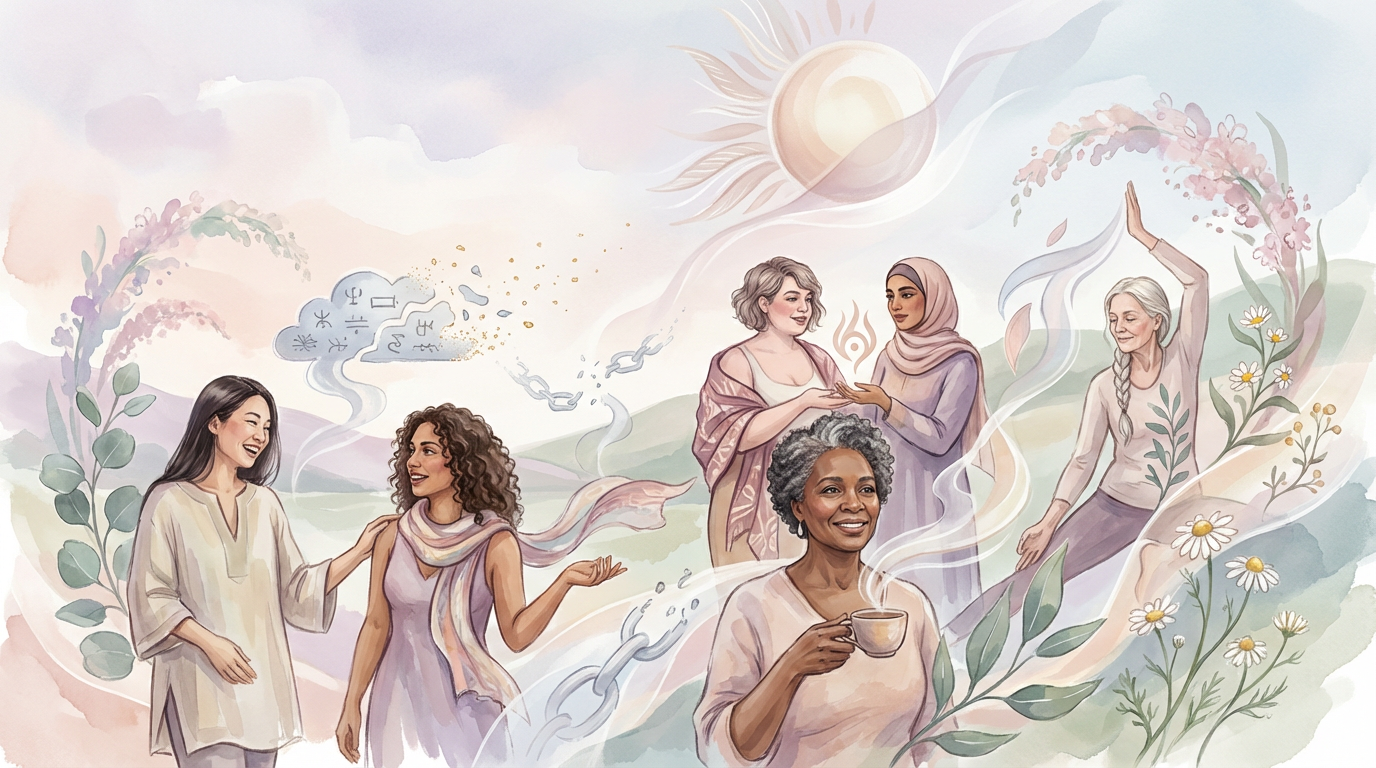
Menopause Myths — What's Not True
Generated article about Menopause Myths — What's Not True
Listen to this article
~17 min listen
TL;DR Summary
- •Menopause is a natural biological transition, not a disease, marking the end of reproductive years, typically around age 51.
- •Not all women experience severe symptoms; symptom severity varies widely, and effective treatments like HRT are available.
- •Menopause does not automatically signal the end of intimacy or vitality; many women experience renewed freedom and well-being.
Introduction
Menopause is a natural and inevitable stage in every woman's life, marking the end of her reproductive years. However, this significant biological transition is often shrouded in misinformation, perpetuated by outdated beliefs and societal narratives. Understanding what's fact and what's fiction about menopause is crucial for women to navigate this period with confidence, seek appropriate care, and maintain their quality of life. This article aims to debunk common menopause myths, providing evidence-based information to empower women with accurate knowledge about this transformative stage.
What Is Menopause, and When Does It Truly Begin?
Menopause is officially diagnosed when a woman has gone 12 consecutive months without a menstrual period, signifying the permanent cessation of ovarian function and a decline in hormone production, particularly estrogen and progesterone. This natural biological process typically occurs around the age of 51 in Western countries, although the timing can vary widely among individuals, ranging from the late 40s to late 50s. The years leading up to this final menstrual period are known as perimenopause, a transitional phase often characterized by fluctuating hormones and the onset of various symptoms.
Does Menopause Mean the End of Your Sex Life?
One of the most persistent menopause myths is that it signals the end of a woman's sex life. This is unequivocally false; while hormonal changes can impact sexual function, menopause does not inherently mean the cessation of intimacy or sexual pleasure. Declining estrogen levels can lead to vaginal dryness (vaginal atrophy) and thinning of vaginal tissues, which may cause discomfort or pain during intercourse (dyspareunia). However, these symptoms are highly treatable. Lubricants, vaginal moisturizers, and local estrogen therapy (creams, rings, or tablets) can effectively alleviate vaginal dryness and improve tissue health. Many women report feeling a renewed sense of sexual freedom after menopause, free from the concerns of pregnancy or menstrual periods. Emotional connection, open communication with a partner, and exploring new forms of intimacy can also play significant roles in maintaining a fulfilling sex life post-menopause.
Is Weight Gain an Inevitable Part of Menopause?
While many women experience weight gain around the time of menopause, it's a common misconception that menopause itself directly causes significant weight gain. The reality is more complex; hormonal shifts, particularly the decline in estrogen, can influence where fat is distributed on the body, often leading to an increase in abdominal fat rather than overall weight. However, the primary drivers of weight gain during midlife are often related to lifestyle factors, including a natural decrease in metabolism (which begins in our 30s), reduced physical activity, and changes in dietary habits. Research indicates that women tend to lose muscle mass and gain fat mass as they age, regardless of menopausal status. Managing weight during this period requires a holistic approach, focusing on a balanced diet rich in whole foods, regular physical activity (including strength training to preserve muscle mass), adequate sleep, and stress management. It's not an inevitable outcome but rather a challenge that can be effectively managed with proactive lifestyle choices.
Are Hot Flashes the Only Symptom of Menopause?
Hot flashes and night sweats are indeed hallmark symptoms of menopause, affecting up to 80% of women. However, it's a significant myth that they are the only or even the most debilitating symptoms. Menopause can manifest in a wide array of physical and psychological symptoms, often overlooked or misattributed. These can include sleep disturbances (insomnia), mood changes (irritability, anxiety, depression), brain fog (difficulty concentrating, memory lapses), joint pain, headaches, urinary urgency or incontinence, skin and hair changes, and reduced libido. The experience of menopause is highly individualized, and symptoms can vary greatly in type, severity, and duration from one woman to another. Recognizing the full spectrum of potential symptoms is crucial for women to seek comprehensive care and address their specific needs.
Does Menopause Mean the End of Your Youth and Vitality?
This myth stems from a societal narrative that often equates a woman's value with her reproductive capacity and youthful appearance. Menopause does not mark the end of youth or vitality; rather, it's a transition to a new stage of life that many women find empowering and liberating. While physical changes occur, many women report increased self-confidence, a stronger sense of identity, and new opportunities for personal growth and exploration. Focusing on overall well-being, including physical activity, mental stimulation, social engagement, and a positive outlook, can help women embrace this stage with renewed energy and purpose. It's an opportunity to redefine oneself, pursue new passions, and enjoy life's next chapter.
Is Hormone Replacement Therapy (HRT) Always Dangerous?
One of the most persistent and damaging myths surrounding menopause is that Hormone Replacement Therapy (HRT) is inherently dangerous and should be avoided. This misconception largely stems from misinterpretations of the Women's Health Initiative (WHI) study results published in the early 2000s. While early interpretations raised significant concerns about HRT's risks, subsequent re-analysis and further research have provided a more nuanced understanding. For many women experiencing bothersome menopausal symptoms, HRT is a safe and highly effective treatment, particularly when initiated within 10 years of menopause onset or before age 60. The benefits of HRT, such as alleviating hot flashes, improving sleep, reducing vaginal dryness, and preventing bone loss, often outweigh the risks for appropriate candidates. Risks, such as a slight increase in the risk of blood clots or breast cancer, are typically low, especially with modern, individualized dosing and types of hormones. The decision to use HRT should always be made in consultation with a healthcare provider, considering a woman's individual health history, symptoms, and preferences. It's not a one-size-fits-all solution, but it's also not universally dangerous.
Can You Get Pregnant During Perimenopause?
Yes, it is absolutely possible to get pregnant during perimenopause, which is the transitional phase leading up to menopause. This is a critical point that is often misunderstood. During perimenopause, ovarian function is declining, and ovulation becomes less regular and predictable, but it does not stop completely. A woman might still ovulate sporadically, meaning conception is still possible. Healthcare providers generally recommend continuing to use contraception until a woman has officially reached menopause (12 consecutive months without a period). Relying on the irregularity of periods during perimenopause as a form of birth control can lead to unintended pregnancies. It's essential for women in this stage to discuss contraception options with their doctor if they wish to avoid pregnancy.
Does Menopause Always Require Medical Intervention?
While many women experience symptoms that warrant medical guidance or treatment, it's a myth that menopause always requires medical intervention. Menopause is a natural physiological process, not a disease. Symptom severity varies widely; some women experience mild or no bothersome symptoms and navigate menopause without needing medication or formal therapy. For those who do experience significant symptoms, a range of options is available, from lifestyle modifications (diet, exercise, stress reduction) and complementary therapies to over-the-counter remedies and prescription medications like HRT. The choice of intervention depends on the individual's symptoms, health status, and personal preferences. Open communication with a healthcare provider is key to developing a personalized management plan that best suits each woman's needs.
Benefits by Life Stage: Menopause
Perimenopause and Hormonal Changes
Understanding the hormonal shifts during perimenopause is crucial for managing symptoms effectively. As estrogen and progesterone levels begin to fluctuate and then decline, women may experience irregular periods, hot flashes, mood swings, and sleep disturbances. Recognizing these changes as part of a natural process can help women seek appropriate support and solutions. For instance, tracking symptoms can help identify patterns and inform discussions with healthcare providers about potential interventions like low-dose birth control pills to stabilize hormones, or lifestyle adjustments.
Symptom Management and Well-being
Debunking myths allows women to focus on proactive symptom management and overall well-being during menopause. Instead of passively enduring symptoms, women can explore evidence-based strategies. For hot flashes, options range from avoiding triggers (spicy foods, alcohol, caffeine) to cooling techniques, stress reduction, and pharmaceutical interventions. For vaginal dryness, local estrogen therapy can significantly improve comfort and sexual health. Addressing mood changes might involve mindfulness, exercise, therapy, or even antidepressants. Empowering women with accurate information helps them make informed decisions about their health and actively participate in managing their menopausal transition for improved quality of life.
Long-Term Health and Disease Prevention
Menopause brings certain long-term health considerations, primarily due to the decline in estrogen, which plays a protective role in bone and cardiovascular health. Debunking myths about HRT, for example, allows women to consider it as a viable option for preventing osteoporosis and potentially reducing the risk of heart disease when initiated at the right time. Understanding the increased risk of conditions like osteoporosis post-menopause emphasizes the importance of weight-bearing exercise, adequate calcium and vitamin D intake, and regular bone density screenings. Similarly, maintaining a heart-healthy lifestyle becomes even more critical. Accurate information enables women to take proactive steps for disease prevention, ensuring a healthier future.
Key Takeaways
- •Menopause is a natural life stage, not an illness, typically occurring around age 51.
- •Symptoms vary widely; not all women experience severe hot flashes, and many other symptoms exist.
- •Sexual intimacy can continue and even thrive post-menopause with appropriate management of symptoms like vaginal dryness.
- •Weight gain during menopause is often influenced by lifestyle and metabolism, not solely by hormones, and can be managed.
- •Hormone Replacement Therapy (HRT) is a safe and effective option for many women when prescribed appropriately by a healthcare provider.
- •Perimenopause can still lead to pregnancy, so contraception is necessary until full menopause is confirmed.
- •Menopause does not equate to the end of vitality or youth; it can be a period of empowerment and new beginnings.
Frequently Asked Questions
Q: Is surgical menopause the same as natural menopause?
While both natural and surgical menopause (due to removal of ovaries) result in the cessation of periods and estrogen decline, surgical menopause often leads to a sudden and more severe onset of menopausal symptoms because the body doesn't gradually adjust to hormonal changes. It can also occur at a younger age, potentially increasing long-term health risks if hormone therapy isn't initiated.
Q: Can menopausal symptoms start before age 40?
Yes, if menopause occurs before age 40, it's considered Premature Ovarian Insufficiency (POI) or premature menopause. If it occurs between ages 40-45, it's early menopause. Both can be caused by genetics, autoimmune conditions, certain medical treatments (like chemotherapy or radiation), or sometimes for unknown reasons. Women experiencing symptoms before age 45 should consult a doctor to rule out other conditions and discuss appropriate management.
Q: Does menopause cause depression?
Menopause itself doesn't directly cause depression, but the significant hormonal fluctuations, sleep disturbances, and other challenging symptoms during perimenopause and menopause can increase a woman's vulnerability to mood disorders, including anxiety and depression. Women with a history of depression are particularly at higher risk. Seeking support from a healthcare professional for mood changes is important.
Q: Will my hot flashes ever go away?
For most women, hot flashes eventually subside, though the duration and severity vary greatly. On average, hot flashes can last for 7-10 years, with some women experiencing them for much longer, even into their 70s or 80s. Effective treatments and lifestyle adjustments can help manage them while they occur.
Q: Is there a natural way to prevent bone loss after menopause?
While natural methods alone may not fully prevent bone loss, they are crucial for bone health. These include regular weight-bearing exercise (like walking, jogging, strength training), ensuring adequate intake of calcium and Vitamin D through diet or supplements, avoiding smoking, and limiting alcohol consumption. For some women, medical interventions may also be necessary to prevent significant bone density loss.
Q: Does menopause affect memory and concentration?
Many women report experiencing "brain fog," including difficulties with memory, concentration, and verbal fluency during perimenopause and menopause. This is thought to be related to fluctuating estrogen levels, which play a role in cognitive function. For most, these cognitive changes are temporary and improve after menopause, but they can be distressing. Maintaining a healthy lifestyle, adequate sleep, and mental stimulation can help.
Q: Do all women experience menopause at the same age?
No, the age of menopause varies. While the average age is around 51, it can naturally occur anywhere from the late 40s to the late 50s. Factors like genetics, smoking, and certain medical conditions can influence the timing. For instance, smokers tend to experience menopause 1-2 years earlier than non-smokers.
Start Your Wellness Journey Today
Ready to track your cycle, fertility, pregnancy, or menopause journey? Download PERIODiQ - your iQ-powered wellness companion designed for every stage of your health journey.
Get PERIODiQ Free: https://periodiq.app
Your Wellness Journey Starts Here
Download PERIODiQ
Scan the QR code or tap the link to get started with your personalized health tracking.
periodiq.app • iOS & Android
Cite this article
PERIODiQ Editorial Team (2025). "Menopause Myths — What's Not True." PERIODiQ. https://periodiq.app/library/menopause-myths-whats-not-true
"Menopause Myths — What's Not True." PERIODiQ, 2025, https://periodiq.app/library/menopause-myths-whats-not-true.
Send this to a friend — PERIODiQ is free for them too. No card. No paywall.
Loved this? Save articles, track your cycle, and unlock meditations — free forever.
Disclaimer: PERIODiQ™ offers general wellness information only. It does not provide medical advice, diagnosis, or treatment. Always speak with a licensed health professional about your health.