Menopause in Japan: Why 'Konenki' Symptoms Look Different From the West
Menopause, known as 'konenki' in Japan, often presents with different symptoms compared to Western women, with Japanese women reporting fewer hot flashes and night sweats but more shoulder stiffness, headaches, and fatigue. This difference is attributed to a combination of genetic factors, dietary habits rich in phytoestrogens, lifestyle choices, and cultural perceptions of aging, offering a unique perspective on the menopausal transition.
Listen to this article
~16 min listen
Click play to generate audio narration with a calming voice
TL;DR Summary
- •Japanese women, experiencing
konenki menopause Japan, report fewer vasomotor symptoms like hot flashes and night sweats compared to their Western counterparts. - •
Japanese menopause symptomsoften include shoulder stiffness, headaches, fatigue, and joint pain, highlighting a divergence in symptom presentation. - •Dietary factors, particularly a high intake of soy-derived phytoestrogens, and cultural perceptions of aging play significant roles in shaping the
Asian menopauseexperience.
Introduction
Menopause, a universal biological transition for women, manifests with a surprising degree of variability across different cultures and ethnicities. In Japan, this life stage is referred to as 'konenki' (更年期), and for many, the experience differs markedly from what is commonly reported in Western countries. While hot flashes and night sweats are hallmark symptoms of menopause in the West, Japanese women often report experiencing these vasomotor symptoms with less frequency and intensity. Instead, their konenki menopause Japan journey is frequently characterized by a different constellation of symptoms, including shoulder stiffness, headaches, and fatigue. This fascinating divergence prompts us to explore the underlying reasons, which include a complex interplay of genetic predispositions, distinct dietary patterns, diverse lifestyle factors, and unique cultural perceptions surrounding aging and womanhood.
What is Konenki and How Does It Compare to Western Menopause?
Konenki (更年期) literally translates to 'period of change' or 'renewal period' and refers to the menopausal transition in Japan, encompassing perimenopause and menopause. The primary difference often highlighted in research comparing konenki menopause Japan and Western menopause lies in the prevalence and severity of vasomotor symptoms. While up to 80% of Western women experience hot flashes and night sweats, studies indicate that only about 10-20% of Japanese women report these symptoms, and when they do, they are often less severe. Instead, Japanese menopause symptoms frequently include a higher incidence of somatic and psychological complaints such as shoulder stiffness (kata-kori), headaches, fatigue, dizziness, joint pain, and irritability. This distinction suggests that the biological and experiential aspects of Asian menopause are not monolithic but are deeply influenced by a combination of environmental and intrinsic factors.
Why Do Konenki Symptoms Differ So Significantly?
The reasons behind the distinct presentation of konenki menopause Japan symptoms are multifaceted, extending beyond simple biological variations. A holistic perspective reveals the significant roles played by diet, genetics, lifestyle, and cultural context.
The Powerful Role of Diet: Phytoestrogens and Asian Menopause
One of the most compelling explanations for the differences in Japanese menopause symptoms is the traditional Japanese diet. This diet is notably rich in soy products, such as tofu, miso, natto, and edamame, which are abundant sources of phytoestrogens, particularly isoflavones like genistein and daidzein. Phytoestrogens are plant-derived compounds that have a chemical structure similar to human estrogen and can exert weak estrogenic or anti-estrogenic effects in the body. They can bind to estrogen receptors, potentially mitigating the fluctuations and decline of natural estrogen levels during menopause.
Research suggests that a lifelong high intake of soy may influence the severity of menopausal symptoms. For example, studies have shown that Japanese women consume significantly more soy products than Western women, and this dietary pattern correlates with a lower incidence of hot flashes. These phytoestrogens may help to stabilize hormonal fluctuations, thereby reducing the intensity of vasomotor symptoms. While the exact mechanism is still being researched, the concept of these plant compounds acting as natural selective estrogen receptor modulators (SERMs) to balance hormonal shifts is widely accepted as a key contributor to the milder konenki menopause Japan experience.
Genetic Predisposition and Estrogen Metabolism
Beyond diet, genetic factors also play a role in how women metabolize and respond to estrogen, including phytoestrogens. Differences in genes that encode enzymes involved in estrogen synthesis, metabolism, and receptor sensitivity can influence the individual experience of menopause. For instance, variations in the CYP1A1 gene, involved in estrogen metabolism, or genes related to estrogen receptor alpha (ERα) and beta (ERβ) could contribute to how efficiently a woman's body processes estrogen and phytoestrogens. These genetic variations might explain why some individuals are more sensitive to the benefits of a soy-rich diet, while others may not experience the same degree of symptom relief, even with similar dietary intake. This genetic component adds another layer of complexity to understanding Asian menopause and its unique characteristics.
Lifestyle Factors: Stress, Activity, and Well-being
Lifestyle choices also contribute to the overall menopausal experience. While specific data linking Japanese lifestyle directly to symptom differences is still evolving, general wellness practices are known to impact menopause. Regular physical activity, stress management techniques, and adequate sleep are crucial for mitigating menopausal symptoms globally. In Japan, traditional practices like shinrin-yoku (forest bathing), emphasis on community, and a generally lower incidence of obesity compared to many Western nations might indirectly contribute to a smoother transition for some women experiencing konenki menopause Japan. Lower rates of smoking and alcohol consumption in certain demographics could also play a part in overall health during this period.
Cultural Perceptions and Societal Support for Konenki Menopause Japan
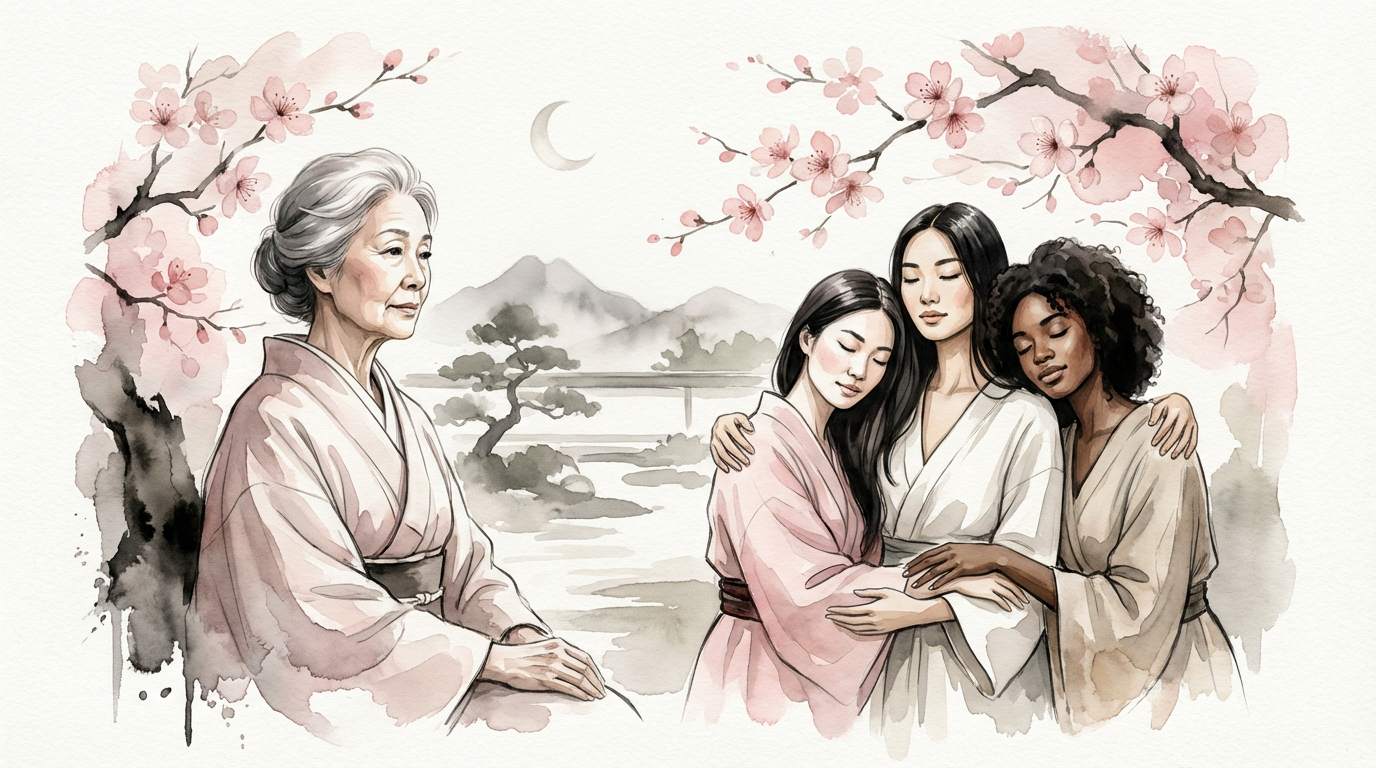
The cultural context surrounding menopause can profoundly influence how women perceive and report their symptoms. In Japan, there is often a more nuanced and less medicalized view of aging and menopause. While konenki is acknowledged as a significant life transition, it is not always framed as a medical condition requiring intervention, as it sometimes is in the West. There may be a greater cultural acceptance of aging and its associated changes, which could lead to women reporting symptoms differently or experiencing less distress from them. The emphasis on collective well-being and family support in Japanese society might also provide a buffer against the psychological impact often associated with menopause in individualistic cultures. This cultural lens can shape not only the reporting of symptoms but also the emotional and psychological experience of Asian menopause.
Understanding the Distinct Japanese Menopause Symptoms
While hot flashes are less common, konenki menopause Japan is often characterized by a different set of symptoms that warrant attention and understanding.
Shoulder Stiffness (Kata-kori) and Musculoskeletal Aches
One of the most frequently reported Japanese menopause symptoms is kata-kori, or chronic shoulder and neck stiffness. While this can be a common complaint in Japan generally due to posture and work habits, it is often exacerbated during konenki. Hormonal changes, particularly the decline in estrogen, can affect collagen production and muscle elasticity, potentially contributing to increased stiffness and joint pain throughout the body. This symptom is often accompanied by general musculoskeletal aches, which can impact daily activities and quality of life.
Headaches and Dizziness
Headaches, including tension headaches and migraines, and episodes of dizziness are also commonly reported by Japanese women during konenki. Hormonal fluctuations are known triggers for headaches in some women, and the perimenopausal period is characterized by significant hormonal shifts. Dizziness can also be linked to autonomic nervous system imbalances that may occur during this time, although its specific prevalence in konenki menopause Japan warrants further research.
Fatigue and Sleep Disturbances
Fatigue is a pervasive symptom for many women globally during menopause, and Japanese women are no exception. The hormonal changes can disrupt sleep patterns, leading to insomnia, fragmented sleep, and consequently, chronic fatigue. While night sweats are less common, other factors like anxiety, stress, or general discomfort can still interfere with restful sleep, contributing to daytime tiredness in Asian menopause.
Psychological Symptoms: Irritability, Anxiety, and Mood Swings
While sometimes overshadowed by physical symptoms, psychological changes are also a significant part of konenki menopause Japan. Irritability, anxiety, mood swings, and even depressive symptoms can arise due to hormonal fluctuations, sleep deprivation, and the broader psychological adjustment to this life transition. Cultural factors might influence the expression and reporting of these symptoms, but their presence underscores the need for comprehensive support.
Actionable Advice for Managing Konenki Symptoms
Understanding the unique presentation of konenki menopause Japan symptoms allows for more targeted and effective management strategies. Here are some actionable tips:
Dietary Adjustments for Hormonal Balance
- •Embrace Soy Products: If you tolerate soy, incorporate traditional Japanese soy products like tofu, miso, natto, and edamame into your daily diet. These phytoestrogen-rich foods may help mitigate symptoms. Consult with a healthcare professional or dietitian if you have concerns about soy intake, especially if you have a history of estrogen-sensitive conditions.
- •Balanced Nutrition: Focus on a diet rich in whole grains, fruits, vegetables, lean proteins, and healthy fats. This supports overall health and provides essential nutrients for hormonal balance.
- •Calcium and Vitamin D: Ensure adequate intake of calcium and Vitamin D for bone health, as estrogen decline increases osteoporosis risk. Include dairy, fortified plant milks, leafy greens, and fatty fish.
Lifestyle Strategies for Well-being
- •Regular Exercise: Engage in regular physical activity, including strength training for bone density and muscle mass, and aerobic exercise for cardiovascular health and mood regulation. Yoga and stretching can be particularly beneficial for addressing shoulder stiffness and joint pain.
- •Stress Management: Practice stress-reducing techniques such as mindfulness meditation, deep breathing exercises, shinrin-yoku (forest bathing), or hobbies you enjoy. Chronic stress can exacerbate menopausal symptoms.
- •Prioritize Sleep: Establish a consistent sleep schedule, create a relaxing bedtime routine, and optimize your sleep environment. Address any underlying sleep disorders with a healthcare provider.
- •Stay Hydrated: Drink plenty of water throughout the day to support overall bodily functions and potentially alleviate symptoms like headaches.
Seeking Professional Support
- •Consult a Healthcare Provider: Discuss your symptoms with a doctor or gynecologist knowledgeable about
konenki menopause Japan. They can rule out other conditions, discuss hormone therapy options (if appropriate), and recommend personalized strategies. - •Consider Traditional Japanese Medicine: Some women find relief through Kampo medicine (traditional Japanese herbal medicine) or acupuncture, often used in conjunction with Western medical approaches. Always consult a qualified practitioner.
- •Build a Support System: Connect with other women experiencing menopause. Sharing experiences and advice can be incredibly validating and empowering. Seek support from family and friends.
Benefits by Life Stage: Menopause
Understanding konenki menopause Japan within the broader context of women's health is crucial. For women transitioning through perimenopause and menopause, recognizing these distinct symptom patterns allows for more tailored approaches to care and self-management.
Menopause (Perimenopause, Hormonal Changes)
During perimenopause, the period leading up to menopause, hormonal fluctuations can be significant, often leading to irregular periods and the onset of various symptoms. For women experiencing konenki menopause Japan, this might mean the gradual appearance of shoulder stiffness, an increase in headaches, or persistent fatigue, rather than the abrupt onset of hot flashes. As estrogen levels continue to decline into menopause, these symptoms may stabilize or change. The focus during this stage should be on managing these specific Japanese menopause symptoms through diet, lifestyle, and where necessary, medical intervention. Embracing the cultural perspective of konenki as a natural phase of life, rather than a decline, can also foster a more positive and empowered transition. Understanding that Asian menopause has its own unique presentation helps women and healthcare providers to accurately identify and address concerns, promoting better quality of life during this significant life stage.
Key Takeaways
- •
Konenki menopause Japanis characterized by fewer hot flashes and night sweats compared to Western menopause. - •Common
Japanese menopause symptomsinclude shoulder stiffness, headaches, fatigue, dizziness, and joint pain. - •The traditional Japanese diet, rich in soy phytoestrogens, is a significant factor in mitigating vasomotor symptoms.
- •Genetic predispositions and cultural perceptions of aging also influence the
Asian menopauseexperience. - •Managing
konenkiinvolves dietary adjustments, lifestyle changes, stress management, and professional medical support.
Frequently Asked Questions
Q: What is the main difference between Konenki and Western menopause symptoms?
Japanese women experiencing konenki menopause Japan generally report a lower incidence and severity of hot flashes and night sweats compared to Western women. Instead, they often experience a higher prevalence of symptoms like shoulder stiffness, headaches, fatigue, and joint pain.
Q: Does diet play a significant role in Japanese menopause symptoms?
Yes, diet is considered a major contributing factor. The traditional Japanese diet, which is rich in soy products like tofu, miso, and natto, provides a high intake of phytoestrogens. These plant compounds can mimic estrogen in the body, potentially helping to balance hormonal fluctuations and reduce the severity of some Asian menopause symptoms.
Q: Are hot flashes completely absent in konenki menopause Japan?
No, hot flashes are not completely absent, but their prevalence and intensity are significantly lower. While a large majority of Western women experience hot flashes, only a smaller percentage of Japanese women report them, and they are typically less severe when they do occur.
Q: Can cultural factors influence the experience of menopause in Japan?
Absolutely. Cultural perceptions of aging, societal support structures, and the way konenki is discussed (or not discussed) can profoundly influence how symptoms are perceived, reported, and coped with. A more accepting view of aging as a natural process may contribute to less distress surrounding menopausal changes.
Q: What are some common non-vasomotor Japanese menopause symptoms?
Beyond hot flashes, common Japanese menopause symptoms include shoulder stiffness (kata-kori), chronic headaches, general fatigue, dizziness, joint pain, and psychological symptoms such as irritability or mood swings.
Q: Should I increase my soy intake to alleviate menopause symptoms?
While a soy-rich diet is associated with milder Asian menopause symptoms, it's essential to consider your individual health. If you are considering significantly increasing your soy intake, especially for medicinal purposes, it's always best to consult with a healthcare professional or a registered dietitian to ensure it's appropriate for your specific health profile.
Q: What kind of support is available for konenki in Japan?
In Japan, support for konenki can range from conventional medical treatments and hormone therapy to traditional Kampo medicine and acupuncture. There's also a growing emphasis on lifestyle modifications, stress management, and community support. Healthcare providers in Japan are increasingly aware of the unique symptom presentation and can offer tailored advice.
Start Your Wellness Journey Today
Ready to track your cycle, fertility, pregnancy, or menopause journey? Download PERIODiQ - your iQ-powered wellness companion designed for every stage of your health journey.
Get PERIODiQ Free: https://periodiq.app
Your Wellness Journey Starts Here
Download PERIODiQ
Scan the QR code or tap the link to get started with your personalized health tracking.
periodiq.app • iOS & Android
Cite this article
PERIODiQ Editorial Team (2026). "Menopause in Japan: Why 'Konenki' Symptoms Look Different From the West." PERIODiQ. https://periodiq.app/library/menopause-in-japan-why-konenki-symptoms-look-different-from-the-west
"Menopause in Japan: Why 'Konenki' Symptoms Look Different From the West." PERIODiQ, 2026, https://periodiq.app/library/menopause-in-japan-why-konenki-symptoms-look-different-from-the-west.
Send this to a friend — PERIODiQ is free for them too. No card. No paywall.
Loved this? Save articles, track your cycle, and unlock meditations — free forever.
Disclaimer: PERIODiQ™ offers general wellness information only. It does not provide medical advice, diagnosis, or treatment. Always speak with a licensed health professional about your health.