
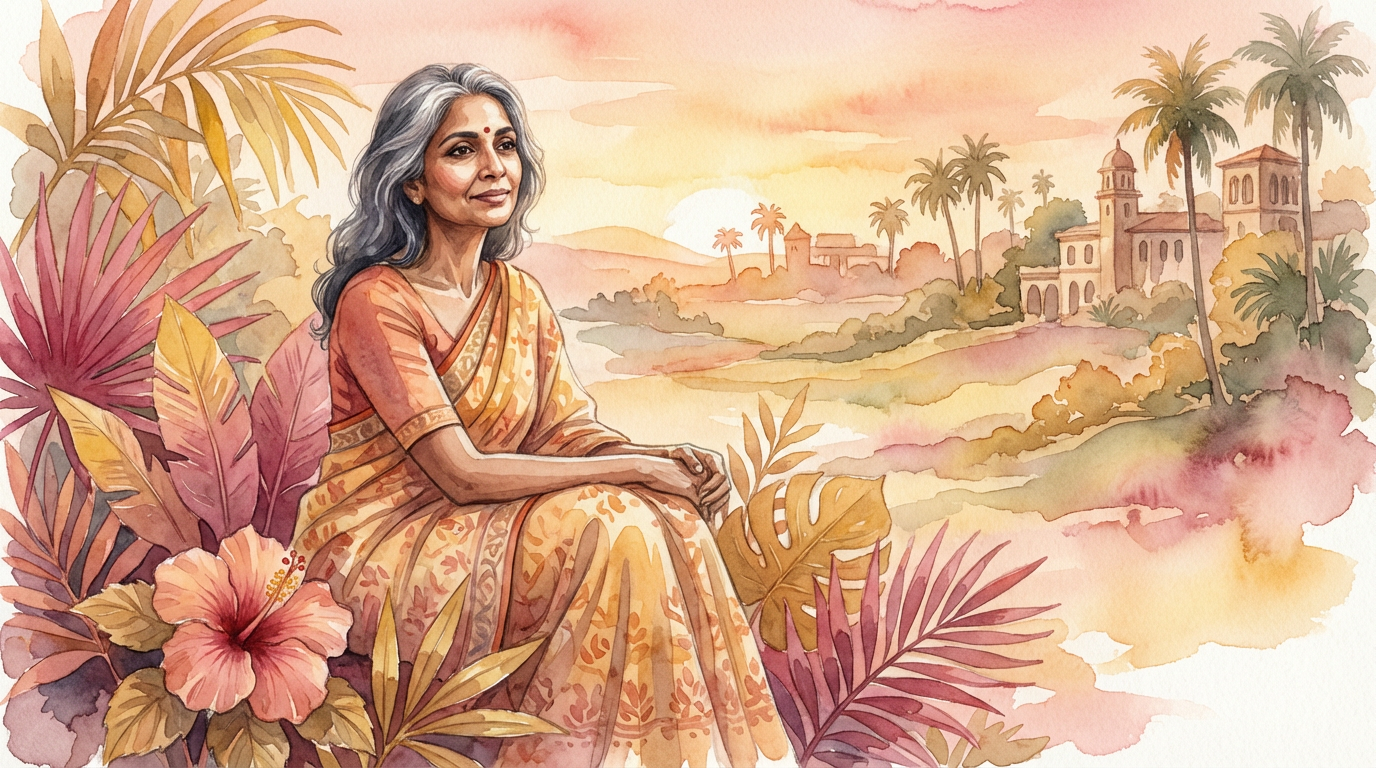
Menopause and Hot Flashes: Why Women in India Report Different Symptoms
Generated article about Menopause and Hot Flashes: Why Women in India Report Different Symptoms
Listen to this article
~16 min listen
Click play to generate audio narration with a calming voice
TL;DR Summary
- •Cultural & Dietary Influences: Traditional Indian diets, rich in phytoestrogens, and cultural perceptions of aging may moderate hot flash experiences.
- •Genetic & Metabolic Factors: Genetic predispositions and higher rates of certain metabolic conditions in South Asian women can impact hormone metabolism and symptom presentation.
- •Underreporting & Stigma: Societal norms and a lack of open discussion often lead to underreporting of menopausal symptoms, including hot flashes, affecting data collection and support.
Menopause and Hot Flashes: Why Women in India Report Different Symptoms
Menopause symptoms, particularly hot flashes, can manifest differently in Indian women compared to Western populations due to a complex interplay of genetic, dietary, lifestyle, socioeconomic, and cultural factors. While hot flashes are a hallmark symptom of menopause globally, their reported intensity, frequency, and perception can vary significantly, influencing how South Asian women experience this natural transition, often leading to unique challenges and understandings of menopause India.
For many women in India, the transition into midlife is often accompanied by the onset of menopausal symptoms, yet the narrative surrounding these experiences can be strikingly distinct from what is commonly observed in Western literature. This article delves into the multifaceted reasons behind these differences, exploring how biological, social, and cultural elements shape the experience of hot flashes and other Indian menopause symptoms.
What Are Hot Flashes and Why Do They Occur?
Hot flashes, also known as vasomotor symptoms (VMS), are sudden, intense feelings of heat that spread through the body, often accompanied by sweating, flushing, and sometimes heart palpitations. They are primarily caused by fluctuating and declining estrogen levels during perimenopause and menopause, which affect the hypothalamus, the brain's thermostat. This disruption leads to a narrowed thermoneutral zone, meaning the body becomes more sensitive to small changes in core body temperature. When the body's temperature rises even slightly, the hypothalamus triggers a rapid heat dissipation response, resulting in the characteristic flush and sweat. The experience can range from mild warmth to debilitating heat waves that disrupt daily life and sleep, significantly impacting the quality of life for women in their South Asian midlife.
How Do Genetics Influence Hot Flash Experiences?
Genetics play a crucial role in determining an individual's susceptibility to and severity of hot flashes. Research suggests that variations in certain genes, particularly those involved in estrogen metabolism, serotonin pathways, and thermoregulation, can influence how a woman experiences menopause. For women of South Asian descent, specific genetic polymorphisms may contribute to the reported differences in symptom presentation. For instance, genetic variations that affect how the body processes estrogen or responds to neurotransmitters involved in temperature regulation could lead to a different thermoregulatory response. Studies on various ethnic groups have shown that genetic background can impact age of menopause onset and symptom severity. While specific large-scale genetic studies focusing solely on menopause India are emerging, preliminary findings suggest a unique genetic landscape that might explain some of the phenotypic differences observed.
What Role Does Diet Play in Moderating Symptoms?
Dietary patterns are a significant modulator of menopausal symptoms, and traditional Indian diets are often rich in components that may offer protective benefits. A staple of the Indian diet includes a high intake of plant-based foods, legumes, lentils, and soy products, many of which are rich in phytoestrogens. Phytoestrogens are plant-derived compounds that have a chemical structure similar to estrogen and can exert weak estrogen-like effects in the body. Isoflavones, a type of phytoestrogen found abundantly in soy and some legumes, are known to bind to estrogen receptors, potentially mitigating the severity of hot flashes by providing a mild hormonal balance. While the direct impact varies among individuals and populations due to genetic variations in gut flora that metabolize these compounds, consistent consumption over a lifetime could contribute to a milder experience of Indian menopause symptoms. Furthermore, the use of various spices and herbs in traditional Indian cooking, some of which possess anti-inflammatory and adaptogenic properties, might also indirectly support overall well-being during this transition.
How Do Lifestyle and Socioeconomic Factors Contribute?
Lifestyle choices, including physical activity, stress levels, and smoking habits, significantly impact menopausal health. In many parts of India, particularly in rural areas, women often maintain physically demanding lifestyles well into midlife, which can be beneficial for cardiovascular health and may indirectly influence symptom perception. However, socioeconomic factors also play a critical role. Access to healthcare, nutritional resources, and education about menopause can vary widely across different socioeconomic strata in India. Women with limited access to information or medical care might not recognize their symptoms as part of menopause or may not seek appropriate treatment, leading to underreporting or a different coping mechanism. Stress, often heightened by family responsibilities, financial pressures, and societal expectations in South Asian midlife, can exacerbate hot flashes and other menopausal symptoms, creating a vicious cycle. The traditional joint family system, while offering social support, can also place immense pressure on middle-aged women, impacting their mental and physical health during this vulnerable period.
Are Cultural Perceptions and Stigma Affecting Reporting?
Cultural perceptions and societal stigma surrounding menopause heavily influence how Indian menopause symptoms are discussed, perceived, and reported. In many South Asian communities, menopause is often viewed as a natural, albeit sometimes challenging, part of aging, but not necessarily a medical condition requiring intervention. There can be a cultural reluctance to openly discuss bodily changes, particularly those related to reproductive health, which can lead to underreporting of symptoms like hot flashes, vaginal dryness, or mood swings. Women might attribute these symptoms to general aging, stress, or other ailments rather than linking them specifically to menopause. This lack of open dialogue can prevent women from seeking medical advice or even acknowledging the severity of their discomfort. The emphasis on family and community well-being often means that individual health concerns, especially those perceived as "women's issues," might be deprioritized. This cultural context creates a unique environment for the experience of menopause India, where silence and resilience often overshadow open complaint or active management of symptoms.
How Do Metabolic Health and Body Composition Play a Role?
Metabolic health and body composition are increasingly recognized as important factors in the experience of menopausal symptoms. South Asian women, as a demographic, have a higher genetic predisposition to certain metabolic conditions, including type 2 diabetes, insulin resistance, and central obesity, even at lower body mass indexes (BMIs) compared to their Western counterparts. These metabolic factors can influence hormonal balance and the severity of hot flashes. For instance, insulin resistance is known to impact estrogen metabolism and can contribute to more pronounced vasomotor symptoms. Adipose tissue (fat) is also an endocrine organ that produces and metabolizes hormones, and its distribution can affect the body's estrogen levels. Higher central adiposity, common in many South Asian women, might lead to different hormonal profiles and potentially influence the frequency and intensity of hot flashes. Understanding these metabolic differences is crucial for a holistic approach to managing Indian menopause symptoms.
What Are the Implications for Healthcare and Research?
The observed differences in how women in India report and experience hot flashes highlight a critical need for culturally sensitive healthcare approaches and targeted research. Healthcare providers need to be aware of these cultural nuances and adopt an empathetic approach that encourages open communication about menopausal symptoms. Screening tools and diagnostic criteria developed in Western populations may not fully capture the unique experiences of menopause India. There is a pressing need for more extensive, population-specific research on the prevalence, severity, and impact of menopausal symptoms in various regions of India. This research should encompass genetic studies, dietary analyses, and psychosocial explorations to build a comprehensive understanding. Such efforts will enable the development of tailored interventions, educational programs, and support systems that are relevant and effective for South Asian midlife women, moving beyond a one-size-fits-all approach to menopausal care.
Benefits by Life Stage
Understanding the unique aspects of women's health is crucial across all life stages, and the insights gained from studying menopause in diverse populations can inform care from an early age.
Menstrual Health (periods, cramps, PMS)
Awareness of genetic and lifestyle factors influencing hormonal balance can inform young women about optimizing their menstrual health. A balanced diet, rich in essential nutrients and potentially phytoestrogens, can support regular cycles and potentially alleviate symptoms like PMS and cramps. Understanding potential genetic predispositions to hormonal imbalances can also guide early interventions and lifestyle adjustments, fostering healthier menstrual experiences from adolescence. Promoting open discussions about bodily changes from a young age can also reduce stigma later in life, making it easier for women to seek help for Indian menopause symptoms.
Fertility Journey (TTC, ovulation, conception)
For women on their fertility journey, understanding the interplay of diet, genetics, and metabolic health is paramount. Conditions like PCOS, which are prevalent in South Asian women, can impact fertility and are often linked to insulin resistance and hormonal imbalances. A healthy lifestyle, guided by culturally appropriate dietary advice and stress management, can optimize ovulation and conception chances. Insights into genetic factors influencing estrogen metabolism can also be valuable for personalized fertility treatments, recognizing that a woman's unique biological makeup influences her reproductive health.
Pregnancy (trimesters, prenatal care)
During pregnancy, maintaining metabolic health is vital, especially given the higher risk of gestational diabetes in South Asian women. A diet rich in nutrient-dense, traditional foods can support both maternal and fetal health. Understanding the impact of stress and cultural support systems during pregnancy can also help tailor prenatal care to be more holistic and effective. The foundational health laid in earlier stages, influenced by genetics and lifestyle, culminates in the health outcomes of pregnancy, underscoring the interconnectedness of women's health across the lifespan.
Menopause (perimenopause, hormonal changes)
For women navigating perimenopause and menopause, the detailed understanding of why menopause India presents distinct symptom profiles becomes directly applicable. This knowledge empowers women to advocate for their health, seek appropriate care, and understand that their experience might differ from global averages. Healthcare providers can offer more personalized advice, incorporating dietary recommendations (e.g., phytoestrogen-rich foods), stress reduction techniques, and culturally sensitive symptom management strategies. Recognizing the impact of metabolic health on hot flashes and other Indian menopause symptoms allows for targeted interventions to manage conditions like insulin resistance, potentially alleviating menopausal discomfort. Breaking down the cultural stigma surrounding menopause through education and open dialogue is crucial for improving the quality of life for women in their South Asian midlife.
Key Takeaways
- •Multifactorial Differences: Hot flash experiences in Indian women are shaped by genetics, diet, lifestyle, socioeconomic status, and culture.
- •Protective Dietary Elements: Traditional Indian diets, rich in phytoestrogens, may contribute to milder hot flashes for some.
- •Genetic Predispositions: Specific genetic variations and higher rates of metabolic conditions in South Asian women can influence symptom severity.
- •Cultural Stigma & Underreporting: Societal norms often lead to underreporting of menopausal symptoms, impacting clinical recognition and support.
- •Need for Tailored Approach: Healthcare and research must be culturally sensitive and population-specific to effectively address the unique needs of women experiencing menopause India.
Frequently Asked Questions
Q: Do all Indian women experience milder hot flashes during menopause?
While some studies suggest a tendency for Indian women to report milder hot flashes compared to Western counterparts, it's not universal. Individual experiences vary significantly due to a complex interplay of genetic, dietary, lifestyle, and cultural factors. The perception and reporting of symptoms can also be influenced by societal norms and stigma, meaning that some women might experience severe symptoms but not report them as such.
Q: Can traditional Indian diets really help with menopausal symptoms?
Yes, traditional Indian diets, often rich in plant-based foods, legumes, and soy, contain phytoestrogens which can have weak estrogen-like effects in the body. These compounds may help to moderate hot flashes and other menopausal symptoms for some women. However, the effectiveness can vary based on individual gut microbiome composition and genetic factors that influence how these compounds are metabolized.
Q: Why is there less discussion about menopause in some South Asian communities?
Cultural norms and societal stigma surrounding women's reproductive health often contribute to a lack of open discussion about menopause in some South Asian communities. Topics related to bodily changes, especially those associated with aging and reproduction, can be considered private or even taboo, leading to underreporting of symptoms and a reluctance to seek medical advice.
Q: Are there specific genetic factors that make Indian women experience menopause differently?
Research is still ongoing, but preliminary studies suggest that genetic variations in pathways related to estrogen metabolism, serotonin signaling, and thermoregulation may contribute to differences in menopausal symptom experience among various ethnic groups, including South Asian women. These genetic predispositions, combined with environmental factors, shape the individual's response to hormonal changes.
Q: What is the average age of menopause for women in India?
The average age of natural menopause for women in India generally falls within the range of 45-50 years, which is similar to the global average. However, regional variations and factors like socioeconomic status, nutrition, and lifestyle can influence this age. Some studies indicate a slightly earlier onset in certain Indian populations compared to Western populations.
Q: How can healthcare providers better support Indian women going through menopause?
Healthcare providers can offer better support by adopting culturally sensitive and empathetic approaches. This includes actively inquiring about symptoms without leading questions, providing education in local languages, acknowledging cultural beliefs, and offering management strategies that align with traditional practices while integrating evidence-based medicine. Open dialogue and creating a safe space for women to discuss their Indian menopause symptoms without judgment are crucial.
Q: Does a higher rate of metabolic conditions in South Asian women affect menopause?
Yes, a higher prevalence of metabolic conditions like type 2 diabetes, insulin resistance, and central obesity among South Asian women can influence the severity and presentation of menopausal symptoms. These conditions can impact hormonal balance and contribute to more pronounced hot flashes and other discomforts. Managing these metabolic factors can be an important part of a holistic approach to managing menopause India.
Start Your Wellness Journey Today
Ready to track your cycle, fertility, pregnancy, or menopause journey? Download PERIODiQ - your iQ-powered wellness companion designed for every stage of your health journey.
Get PERIODiQ Free: https://periodiq.app
Your Wellness Journey Starts Here
Download PERIODiQ
Scan the QR code or tap the link to get started with your personalized health tracking.
periodiq.app • iOS & Android
Cite this article
PERIODiQ Editorial Team (2026). "Menopause and Hot Flashes: Why Women in India Report Different Symptoms." PERIODiQ. https://periodiq.app/library/menopause-and-hot-flashes-why-women-in-india-report-different-symptoms
"Menopause and Hot Flashes: Why Women in India Report Different Symptoms." PERIODiQ, 2026, https://periodiq.app/library/menopause-and-hot-flashes-why-women-in-india-report-different-symptoms.
Send this to a friend — PERIODiQ is free for them too. No card. No paywall.
Loved this? Save articles, track your cycle, and unlock meditations — free forever.
Disclaimer: PERIODiQ™ offers general wellness information only. It does not provide medical advice, diagnosis, or treatment. Always speak with a licensed health professional about your health.