
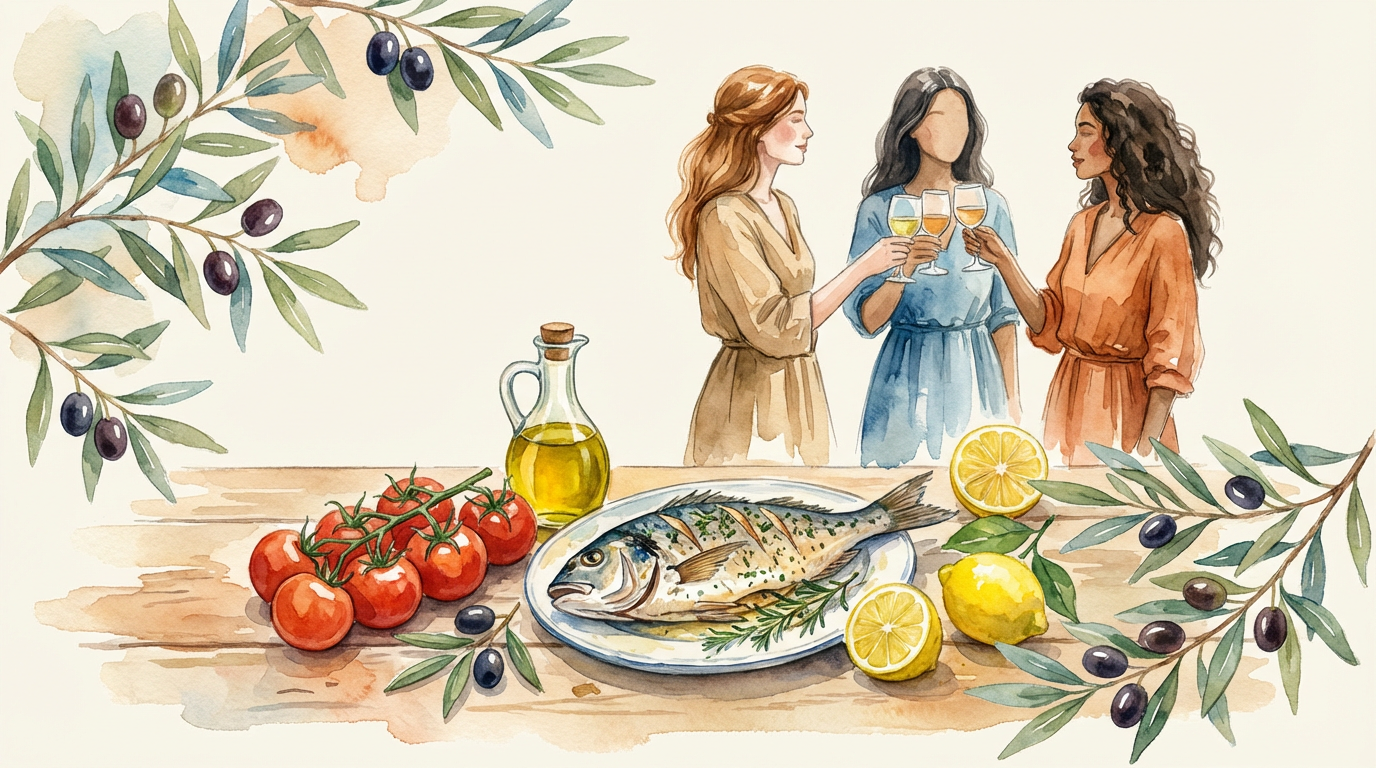
Mediterranean Diet for PCOS: Lessons From Greek, Italian, and Spanish Women
The Mediterranean diet is a powerful nutritional strategy for managing Polycystic Ovary Syndrome (PCOS) by focusing on anti-inflammatory whole foods, healthy fats, and lean proteins, directly addressing insulin resistance and hormonal imbalances common in PCOS. Drawing lessons from the traditional eating patterns of Greek, Italian, and Spanish women, this dietary approach can significantly improve menstrual regularity, fertility outcomes, and overall well-being for individuals with PCOS.
Listen to this article
~17 min listen
Click play to generate audio narration with a calming voice
TL;DR Summary
- •The Mediterranean diet, rich in whole foods, healthy fats, and lean proteins, directly addresses key PCOS symptoms like insulin resistance and inflammation.
- •It promotes hormonal balance, improved menstrual regularity, and enhanced fertility by stabilizing blood sugar and providing essential nutrients.
- •Adopting traditional European eating patterns, including mindful eating and regular physical activity, offers a holistic approach to PCOS management.
Introduction
The Mediterranean diet is a highly effective nutritional strategy for managing Polycystic Ovary Syndrome (PCOS), offering a holistic approach that directly addresses the root causes and symptoms of this complex endocrine condition. Drawing invaluable lessons from the traditional eating patterns of Greek, Italian, and Spanish women, this dietary framework emphasizes anti-inflammatory whole foods, healthy fats, lean proteins, and complex carbohydrates, making it particularly beneficial for individuals navigating the challenges of PCOS. Its inherent focus on blood sugar regulation, reduction of chronic inflammation, and promotion of gut health makes it an evidence-based pathway to improving hormonal balance, achieving menstrual regularity, and enhancing fertility outcomes for women with PCOS.
What Exactly Is the Mediterranean Diet?
The Mediterranean diet is not a strict regimen but rather an eating pattern inspired by the traditional cuisines of countries bordering the Mediterranean Sea, particularly Greece, Italy, and Spain, prior to the widespread adoption of Westernized diets. This dietary approach is characterized by its abundance of plant-based foods, such as fruits, vegetables, whole grains, legumes, and nuts, forming the foundation of every meal. Olive oil, particularly extra virgin, is the primary source of fat, prized for its monounsaturated fatty acids and antioxidants. Fish and seafood are consumed regularly, typically a few times per week, providing essential omega-3 fatty acids. Poultry, eggs, and dairy products are consumed in moderate amounts, while red meat is eaten sparingly. Wine is often included in moderation with meals, though this is optional and not a requirement for health benefits. The emphasis is on fresh, seasonal, and minimally processed foods, promoting a diverse intake of nutrients and fiber while limiting refined sugars, processed meats, and unhealthy fats.
How Does the Mediterranean Diet Address PCOS Symptoms?
The Mediterranean diet addresses several key symptoms of PCOS through its inherent nutritional composition and anti-inflammatory properties. Firstly, its high fiber content from fruits, vegetables, whole grains, and legumes plays a crucial role in managing insulin resistance, a hallmark feature of PCOS affecting up to 70% of women with the condition. Fiber slows down glucose absorption, preventing rapid spikes in blood sugar and subsequently reducing the demand for insulin. Lower insulin levels are critical for reducing androgen production (male hormones like testosterone), which contribute to symptoms like hirsutism, acne, and irregular periods in PCOS. Secondly, the abundance of healthy fats, primarily from extra virgin olive oil, nuts, and fatty fish, provides anti-inflammatory benefits and improves insulin sensitivity. Chronic low-grade inflammation is another common feature of PCOS, and the anti-inflammatory compounds found in Mediterranean foods can help mitigate this, improving overall cellular function and hormonal signaling. Thirdly, the diet's focus on lean protein sources (fish, poultry, legumes) supports satiety and helps regulate blood sugar, further aiding in weight management and metabolic health, which are often challenging for women with PCOS. The diverse range of antioxidants from colorful fruits and vegetables also protects cells from oxidative stress, contributing to better reproductive health.
Can the Mediterranean Diet Improve Insulin Resistance in PCOS?
Yes, the Mediterranean diet is highly effective in improving insulin resistance in PCOS, which is a cornerstone of its therapeutic benefits. Insulin resistance occurs when the body's cells don't respond effectively to insulin, leading the pancreas to produce more insulin, resulting in hyperinsulinemia. This excess insulin not only promotes fat storage but also stimulates the ovaries to produce more androgens, exacerbating PCOS symptoms. The Mediterranean diet's structure is perfectly suited to combat this. Its low glycemic load, derived from complex carbohydrates and high fiber content, ensures a slow and steady release of glucose into the bloodstream, thereby reducing the need for large insulin surges. Furthermore, the healthy fats, particularly monounsaturated fatty acids (MUFAs) from olive oil and polyunsaturated fatty acids (PUFAs) from nuts and seeds, have been shown to enhance insulin sensitivity at a cellular level. Studies have consistently demonstrated that adherence to a Mediterranean eating pattern can lead to significant reductions in fasting insulin levels, HOMA-IR scores (a measure of insulin resistance), and improved glucose tolerance in individuals with PCOS, making it a critical component of PCOS Italian diet recommendations.
What Are the Anti-Inflammatory Benefits for PCOS?
The anti-inflammatory benefits of the Mediterranean diet are profound and directly relevant to managing PCOS, as chronic low-grade inflammation is recognized as a significant contributor to the syndrome's pathophysiology. The diet is rich in numerous anti-inflammatory compounds, including polyphenols, flavonoids, carotenoids, and omega-3 fatty acids. Extra virgin olive oil, a cornerstone of the diet, contains oleocanthal, a phenolic compound with anti-inflammatory properties similar to ibuprofen. Fatty fish like salmon, mackerel, and sardines provide eicosapentaenoic acid (EPA) and docosahexaenoic acid (DHA), potent omega-3 fatty acids that reduce the production of inflammatory mediators. Fruits, vegetables, and whole grains are packed with antioxidants that combat oxidative stress, a process linked to inflammation and cellular damage. By reducing systemic inflammation, the Mediterranean diet can help alleviate various PCOS symptoms. Inflammation can worsen insulin resistance, contribute to androgen excess, and impair ovarian function. A reduction in inflammation can lead to improved hormonal balance, better ovulatory function, and a decrease in symptoms like fatigue and joint pain often experienced by women with PCOS, aligning with effective European PCOS nutrition strategies.
How Do Traditional Greek, Italian, and Spanish Eating Patterns Inform PCOS Nutrition?
Traditional Greek, Italian, and Spanish eating patterns offer invaluable insights for Mediterranean diet PCOS management, extending beyond just food choices to encompass lifestyle factors. These cultures historically emphasized fresh, seasonal, and locally sourced ingredients, minimizing processed foods. This meant a diet naturally rich in fiber, antioxidants, and healthy fats, with limited exposure to refined sugars and inflammatory seed oils. Meals were often communal, fostering mindful eating and reducing stress, which can positively impact hormonal health. The concept of a 'siesta' or midday rest, while less common today, highlighted the importance of stress reduction and adequate rest. Physical activity, often integrated into daily life through walking, gardening, and manual labor, was also a natural component. For women with PCOS, these traditional patterns teach us to: prioritize whole, unprocessed foods; incorporate healthy fats liberally; consume carbohydrates in their complex, fiber-rich forms; eat mindfully; and integrate regular, moderate physical activity. The emphasis on legumes, fish, and olive oil in these traditional diets provides a template for reducing inflammation and optimizing metabolic health, directly addressing the core issues of PCOS.
What Foods Should Be Prioritized for PCOS on a Mediterranean Diet?
For women with PCOS adopting the Mediterranean diet, prioritizing certain food groups will maximize its benefits. Vegetables should be consumed in abundance, aiming for a wide variety of colors to ensure a broad spectrum of antioxidants and fiber. Leafy greens (spinach, kale), cruciferous vegetables (broccoli, cauliflower), and colorful peppers are excellent choices. Fruits should be enjoyed in moderation, focusing on berries, apples, and citrus fruits, which are lower in sugar and high in fiber. Whole grains like oats, quinoa, brown rice, and whole-wheat pasta should replace refined grains, providing sustained energy and fiber for blood sugar control. Legumes (lentils, chickpeas, beans) are crucial sources of plant-based protein and fiber, helping with satiety and insulin sensitivity. Healthy fats are paramount: extra virgin olive oil for cooking and dressings, avocados, nuts (almonds, walnuts), and seeds (chia, flax, pumpkin) for omega-3s and monounsaturated fats. Lean protein sources include fatty fish (salmon, sardines, mackerel) 2-3 times a week, poultry (chicken, turkey) without skin, and eggs. Dairy can be consumed in moderation, opting for plain, unsweetened varieties. Herbs and spices, rich in antioxidants, should be used generously to flavor meals, reducing the need for excess salt or unhealthy additives. Limiting red meat, processed foods, sugary drinks, and refined carbohydrates is also key.
Benefits by Life Stage
Menstrual Health (Periods, Cramps, PMS)
For women with PCOS, menstrual irregularities are a defining symptom, often characterized by infrequent, absent, or heavy periods. The Mediterranean diet significantly supports menstrual health by addressing the underlying hormonal imbalances. By improving insulin sensitivity and reducing hyperinsulinemia, it helps to lower androgen levels, which are often responsible for anovulation (lack of ovulation) and irregular cycles. A reduction in chronic inflammation also contributes to a healthier uterine environment and more predictable hormonal fluctuations. Many women report more regular periods and a decrease in the severity of PMS symptoms like bloating, mood swings, and cramps due to the anti-inflammatory properties of the diet and its ability to stabilize blood sugar. The consistent intake of essential nutrients and fiber also supports healthy estrogen metabolism, further promoting cycle regularity.
Fertility Journey (TTC, Ovulation, Conception)
The Mediterranean diet offers substantial benefits for women with PCOS on their fertility journey, particularly for those trying to conceive (TTC). Improved insulin sensitivity and reduced androgen levels, directly facilitated by this diet, are critical for restoring ovulatory function, which is often impaired in PCOS. Regular ovulation is essential for natural conception. The diet's emphasis on healthy fats, antioxidants, and lean protein also creates an optimal environment for egg quality and endometrial health. Omega-3 fatty acids, abundant in fatty fish and some seeds, are crucial for reproductive hormone production and reducing inflammation that can impede fertility. Studies have shown that dietary patterns similar to the Mediterranean diet are associated with higher rates of natural conception and improved success rates in assisted reproductive technologies (ART) for women with PCOS. It's a foundational European PCOS nutrition strategy for optimizing fertility.
Pregnancy (Trimesters, Prenatal Care)
For women with PCOS who become pregnant, continuing or adopting a Mediterranean-style diet is highly beneficial for both maternal and fetal health. PCOS pregnancies are at an increased risk for complications such as gestational diabetes, preeclampsia, and preterm birth. The Mediterranean diet's adherence to blood sugar stabilization through low glycemic index foods and fiber helps mitigate the risk of gestational diabetes. Its anti-inflammatory properties and emphasis on healthy fats support cardiovascular health, potentially reducing the risk of preeclampsia. The abundance of nutrient-dense foods, including folate-rich vegetables, iron from legumes and lean meats, and calcium from dairy, provides essential vitamins and minerals crucial for fetal development. Furthermore, maintaining a healthy weight through balanced nutrition can reduce other pregnancy complications. It provides a stable and nourishing foundation for a healthy pregnancy, offering critical support through all trimesters.
Menopause (Perimenopause, Hormonal Changes)
While PCOS is primarily a reproductive-age condition, its metabolic implications can persist into perimenopause and menopause. Women with PCOS are at a higher risk for developing type 2 diabetes and cardiovascular disease later in life. The Mediterranean diet's long-term adherence helps manage these risks by sustaining improved insulin sensitivity, maintaining healthy cholesterol levels, and reducing systemic inflammation. During perimenopause and menopause, hormonal fluctuations can lead to weight gain, particularly around the abdomen, and an increased risk of bone density loss. The diet's emphasis on fiber, lean protein, and calcium-rich foods supports weight management and bone health. Its antioxidant-rich profile also helps combat oxidative stress associated with aging. By providing a consistent framework for healthy eating, the Mediterranean diet helps women with a history of PCOS navigate the hormonal shifts of menopause with reduced metabolic risk and improved overall well-being, solidifying its role in comprehensive PCOS Italian diet and general health recommendations.
Key Takeaways
- •The Mediterranean diet is an evidence-based nutritional strategy for PCOS, directly targeting insulin resistance and inflammation.
- •It emphasizes whole foods, healthy fats (olive oil, nuts, seeds), lean proteins (fish, legumes), and complex carbohydrates.
- •Adopting this eating pattern can lead to improved menstrual regularity, enhanced fertility, and reduced androgen levels.
- •Its anti-inflammatory and antioxidant properties support overall metabolic health and reduce long-term risks associated with PCOS.
- •The diet's principles are beneficial across all life stages for women with PCOS, from reproductive years through menopause.
Frequently Asked Questions
Q: Can the Mediterranean diet cure PCOS?
No, the Mediterranean diet cannot cure PCOS, as there is currently no known cure for the condition. However, it is an extremely effective management strategy that can significantly alleviate symptoms, improve metabolic health, and enhance quality of life by addressing the underlying hormonal imbalances, insulin resistance, and inflammation associated with PCOS.
Q: How long does it take to see benefits from the Mediterranean diet for PCOS?
Many women report noticing improvements in energy levels, digestion, and reduced bloating within a few weeks of consistent adherence. More significant changes, such as improved menstrual regularity and reduced androgen-related symptoms, typically become apparent after 3-6 months of consistent dietary changes, as hormonal systems take time to rebalance.
Q: Is the Mediterranean diet suitable for all types of PCOS?
Yes, the Mediterranean diet is generally suitable for all phenotypes of PCOS because its core principles – addressing insulin resistance, reducing inflammation, and promoting nutrient density – are beneficial regardless of the specific combination of symptoms. It is a flexible and adaptable eating pattern that can be tailored to individual needs and preferences.
Q: Do I need to count calories on the Mediterranean diet for PCOS?
While the Mediterranean diet emphasizes whole, unprocessed foods that are naturally satiating, calorie awareness can still be helpful for weight management, a common goal for many with PCOS. However, the focus is more on food quality and mindful eating rather than strict calorie counting. Prioritizing nutrient-dense foods often leads to natural calorie regulation.
Q: Can I still eat dairy on a Mediterranean diet for PCOS?
Yes, dairy can be consumed in moderation on a Mediterranean diet for PCOS. The traditional Mediterranean diet includes dairy products like yogurt and cheese, often in fermented forms. It's generally recommended to choose plain, unsweetened varieties and observe how your body responds, as some individuals with PCOS may find certain dairy products exacerbate symptoms.
Q: What role does olive oil play in the Mediterranean diet for PCOS?
Extra virgin olive oil is a cornerstone of the Mediterranean diet and plays a crucial role in PCOS management. It is rich in monounsaturated fatty acids and polyphenols, which are powerful anti-inflammatory and antioxidant compounds. These properties help improve insulin sensitivity, reduce oxidative stress, and support overall cardiovascular health, all of which are vital for women with PCOS.
Q: Are there any specific Mediterranean foods that are particularly good for PCOS fertility?
For PCOS fertility, focus on fatty fish (salmon, sardines) for omega-3s, leafy greens and legumes for folate, and berries for antioxidants. Whole grains like quinoa provide sustained energy, and nuts and seeds (especially flax and chia) offer healthy fats and lignans that can support hormone balance. These foods collectively create an optimal environment for reproductive health.
Start Your Wellness Journey Today
Ready to track your cycle, fertility, pregnancy, or menopause journey? Download PERIODiQ - your iQ-powered wellness companion designed for every stage of your health journey.
Get PERIODiQ Free: https://periodiq.app
Your Wellness Journey Starts Here
Download PERIODiQ
Scan the QR code or tap the link to get started with your personalized health tracking.
periodiq.app • iOS & Android
Cite this article
PERIODiQ Editorial Team (2026). "Mediterranean Diet for PCOS: Lessons From Greek, Italian, and Spanish Women." PERIODiQ. https://periodiq.app/library/mediterranean-diet-for-pcos-lessons-from-greek-italian-and-spanish-women
"Mediterranean Diet for PCOS: Lessons From Greek, Italian, and Spanish Women." PERIODiQ, 2026, https://periodiq.app/library/mediterranean-diet-for-pcos-lessons-from-greek-italian-and-spanish-women.
Send this to a friend — PERIODiQ is free for them too. No card. No paywall.
Loved this? Save articles, track your cycle, and unlock meditations — free forever.
Disclaimer: PERIODiQ™ offers general wellness information only. It does not provide medical advice, diagnosis, or treatment. Always speak with a licensed health professional about your health.