Latin American Nutrition for Hormonal Balance: A Holistic Guide
Embrace traditional Latin American nutritional wisdom to support hormonal balance naturally. This guide explores how ancestral foods, rich in specific nutrients and prepared with generational knowledge, can foster well-being for women across all life stages, from fertility to menopause.
Listen to this article
~13 min listen
Click play to generate audio narration with a calming voice
TL;DR Summary
- •Hormonal Harmony through Ancestral Foods: Traditional Latin American diets, rich in whole foods like legumes, root vegetables, and specific herbs, offer a powerful, culturally resonant approach to supporting women's hormonal health.
- •Beyond Diet: Curanderismo & Family Wisdom: Integrating nutritional choices with the holistic principles of Curanderismo, generational knowledge, and strong family support enhances overall well-being and hormonal regulation.
- •Actionable & Empathetic Approach: This guide provides evidence-based, practical advice, respecting Latin traditions, for women balancing career, family, and fertility planning.
Introduction: How Can Latin American Nutrition Support Hormonal Balance?
Latin American nutrition offers a rich, time-honored tapestry of foods and practices that can profoundly support hormonal balance in women. Far from being a mere diet, it's a holistic approach rooted in ancestral wisdom, incorporating nutrient-dense whole foods, traditional preparation methods, and an understanding of the body's interconnectedness. For women navigating the complexities of career, fertility planning, and family life, embracing these culinary traditions provides a culturally resonant and effective pathway to well-being, helping to regulate menstrual cycles, ease menopausal symptoms, and support overall endocrine health. This approach often emphasizes locally sourced produce, legumes, healthy fats, and specific herbs, aligning perfectly with modern nutritional science for optimal hormonal function while honoring generational knowledge and the supportive embrace of the family.
What is Hormonal Balance and Why is it Crucial for Women's Health?
Hormonal balance refers to the optimal functioning and appropriate levels of various hormones within the body, particularly those governing the female reproductive system (estrogen, progesterone, testosterone), stress response (cortisol), and metabolism (thyroid hormones, insulin). These chemical messengers regulate nearly every bodily process, from menstruation and fertility to mood, energy levels, sleep, and bone density. When hormones are in equilibrium, women experience regular cycles, stable moods, healthy energy, and optimal reproductive function. Conversely, imbalances can manifest as irregular periods, painful menstruation, infertility, polycystic ovary syndrome (PCOS), endometriosis, mood swings, fatigue, weight fluctuations, and exacerbated menopausal symptoms. Maintaining this delicate balance is crucial for a woman's holistic health, impacting her physical, mental, and emotional well-being throughout her life stages.
The Endocrine System: A Symphony of Hormones
The endocrine system, a network of glands that produce and secrete hormones, is central to this balance. Key players include the ovaries, adrenal glands, thyroid, pituitary, and hypothalamus. Lifestyle factors, including nutrition, stress, sleep, and physical activity, significantly influence their function. Disruptions, often linked to modern diets high in processed foods, environmental toxins, and chronic stress, can throw this delicate system into disarray. Traditional Latin American diets, often naturally low in processed ingredients and rich in antioxidants and fiber, can act as a protective and restorative force.
How Do Traditional Latin American Foods Contribute to Hormonal Health?
Traditional Latin American foods are inherently rich in nutrients that are vital for endocrine health. These dietary patterns emphasize whole, unprocessed ingredients, often grown locally, forming a powerful foundation for hormonal balance. Let's delve into the specific components:
Phytochemicals and Antioxidants for Cellular Health
Many staples of Latin American cuisine, such as colorful fruits (berries, mangoes, papayas, guavas), vegetables (sweet potatoes, squash, bell peppers), and legumes (black beans, pinto beans, lentils), are packed with antioxidants and phytochemicals. These compounds combat oxidative stress, which can damage cells and disrupt hormone production. For instance, the anthocyanins in purple corn (maíz morado) and berries, or the carotenoids in squash and carrots, help protect endocrine glands from damage, supporting their optimal function.
Fiber for Estrogen Metabolism and Gut Health
Dietary fiber, abundant in Latin American diets through beans, whole grains (quinoa, amaranth), fruits, and vegetables, plays a crucial role in estrogen metabolism. Adequate fiber intake helps the body excrete excess estrogen, preventing conditions like estrogen dominance, which can contribute to heavy periods, fibroids, and endometriosis. Furthermore, fiber feeds beneficial gut bacteria, fostering a healthy gut microbiome. A balanced gut is intrinsically linked to hormonal health, as it influences nutrient absorption and the enterohepatic circulation of estrogen.
Healthy Fats for Hormone Production
Traditional diets often include healthy fats from sources like avocados, nuts (pepitas, almendras), seeds (chía, linaza), and sometimes olive oil. These fats are essential building blocks for hormone synthesis, particularly steroid hormones like estrogen and progesterone. Omega-3 fatty acids, found in some traditional fish dishes or flax seeds, are anti-inflammatory and can help reduce inflammatory responses that often accompany hormonal imbalances like PCOS or menstrual pain.
Micronutrients: The Unsung Heroes
- •B Vitamins: Legumes, whole grains, and leafy greens are excellent sources of B vitamins, crucial for energy production, stress management (cortisol regulation), and liver detoxification, which is vital for hormone clearance.
- •Magnesium: Found in dark leafy greens, beans, and nuts, magnesium helps relax muscles, reduce stress, and can alleviate menstrual cramps and mood swings associated with PMS.
- •Zinc: Present in pumpkin seeds, legumes, and some meats, zinc is essential for ovarian function, thyroid hormone production, and insulin sensitivity.
- •Iron: Many women, especially those with heavy periods, can be iron deficient. Red meats, dark leafy greens, and beans are traditional sources, often paired with Vitamin C-rich foods (like citrus or bell peppers) to enhance absorption.
Which Traditional Latin American Ingredients Are Beneficial for Hormonal Balance?
Incorporating specific ingredients from the vast Latin American culinary landscape can significantly support hormonal health. These ingredients are often used in combination, leveraging synergistic effects.
- •Legumes (Frijoles, Lentejas, Garbanzos): Black beans, pinto beans, lentils, and chickpeas are powerhouses of fiber, plant-based protein, B vitamins, iron, and magnesium. Their fiber content helps regulate blood sugar and estrogen levels, while their protein supports satiety and muscle maintenance. Research Context: Studies consistently link high fiber intake to improved metabolic health and reduced risk of hormonal cancers.
- •Avocado (Aguacate): A cornerstone of many Latin American diets, avocado is rich in monounsaturated fats, fiber, potassium, and vitamins K, C, B6, and E. Its healthy fats are crucial for hormone production, and its fiber aids in detoxification and gut health. Research Context: Monounsaturated fats are known to improve insulin sensitivity, beneficial for conditions like PCOS.
- •Quinoa (Quinua) & Amaranth (Amaranto): These ancient grains are complete proteins, providing all essential amino acids. They are also excellent sources of fiber, magnesium, phosphorus, and iron. Their slow-releasing carbohydrates help stabilize blood sugar, preventing insulin spikes that can disrupt hormonal balance. Research Context: Whole grains are linked to better glycemic control and reduced inflammation.
- •Root Vegetables (Camote, Yuca, Malanga): Sweet potatoes, yucca, and taro are complex carbohydrates, providing sustained energy without sharp blood sugar spikes. They are rich in fiber, vitamins, and minerals. Sweet potatoes, in particular, contain Vitamin B6, which supports progesterone production. Research Context: Complex carbohydrates contribute to stable energy levels and can reduce cortisol responses.
- •Flax Seeds (Linaza) & Chia Seeds (Chía): Though not exclusively Latin American, these seeds are increasingly incorporated into diets. They are exceptional sources of omega-3 fatty acids (ALA), fiber, and lignans. Lignans are phytoestrogens that can help modulate estrogen levels, binding to excess estrogen or compensating for low levels. Research Context: Lignans have been studied for their role in estrogen metabolism and potential protective effects against hormone-sensitive cancers.
- •Leafy Greens (Espinacas, Kale, Acelgas): Dark leafy greens are packed with folate, magnesium, iron, and various antioxidants. Folate is crucial for cell division and DNA repair, while magnesium helps with stress reduction and muscle relaxation. Research Context: Magnesium supplementation is often recommended for PMS symptom relief.
- •Herbs and Spices (Cilantro, Cumin, Turmeric): Beyond flavor, many traditional Latin American herbs and spices possess medicinal properties. Cilantro aids in heavy metal detoxification, which can impact endocrine function. Turmeric (curcuma), though more South Asian, is used in some Latin American fusion cuisines and is a potent anti-inflammatory, beneficial for conditions like endometriosis. Research Context: Curcumin, the active compound in turmeric, has extensive anti-inflammatory and antioxidant properties.
How Does Curanderismo and Generational Wisdom Inform Hormonal Health?
Curanderismo, a holistic system of healing rooted in Indigenous and European traditions, offers a profound framework for understanding and addressing health, including hormonal balance. It views the body, mind, and spirit as interconnected, and health as a state of equilibrium (equilibrio). Generational wisdom, passed down through abuelas and madres, often aligns with these principles, offering practical, culturally sensitive approaches to well-being.
Holistic Perspective on Health
Curanderismo emphasizes that imbalances, including hormonal ones, are not merely physical but can stem from emotional stressors (susto), spiritual disharmony, or environmental factors. Therefore, treatment extends beyond diet to include emotional support, spiritual practices, and connection to nature. This broader view encourages women to address underlying stress and emotional well-being, which are critical for regulating cortisol and other stress hormones that directly impact reproductive hormones.
Traditional Remedies and Plant Medicine
Generational wisdom often includes knowledge of specific herbs (hierbas) and plant remedies used for women's health. While scientific validation for all traditional remedies is ongoing, many have a long history of use for menstrual issues, fertility support, and menopausal symptoms. Examples might include infusions of damiana for reproductive health, manzanilla (chamomile) for calming nerves and easing menstrual cramps, or canela (cinnamon) for blood sugar regulation, which indirectly supports conditions like PCOS. The careful, respectful use of these plants, often prepared as teas or tinctures, is a testament to inherited knowledge.
The Role of Family and Community Support
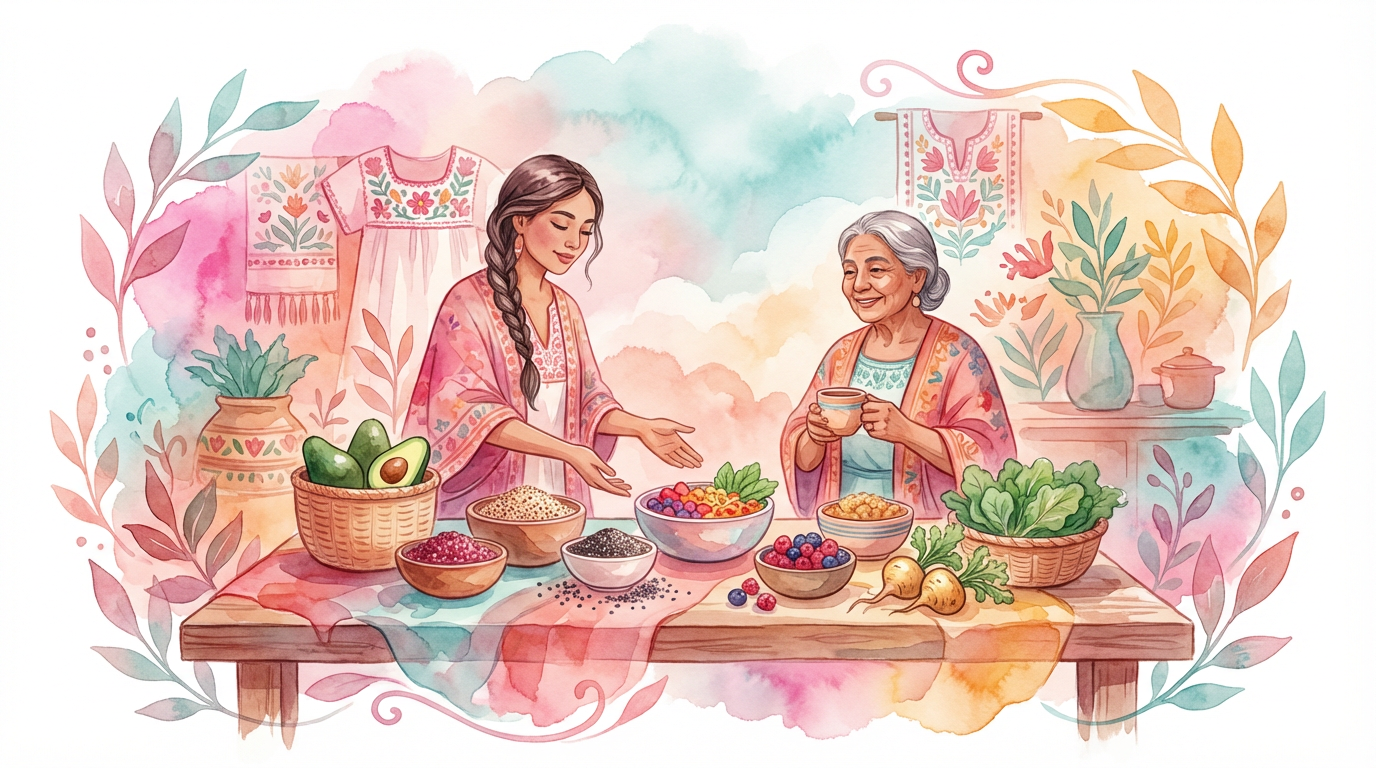
In Latin American cultures, family (la familia) and community play an integral role in health and healing. Sharing meals, seeking advice from elders, and receiving emotional support from loved ones create a protective buffer against stress and isolation. This strong social fabric contributes to mental and emotional well-being, which in turn positively impacts hormonal regulation. The collective wisdom of women in the family often guides younger generations on diet, self-care during menstruation, and navigating pregnancy and postpartum.
What Lifestyle Factors Complement Latin American Nutrition for Hormonal Harmony?
Achieving hormonal balance is a multi-faceted endeavor. While nutrition is foundational, several lifestyle factors, often intertwined with traditional Latin American living, significantly amplify its effects.
Stress Management (Manejo del Estrés)
Chronic stress elevates cortisol, which can disrupt the delicate balance of reproductive hormones, leading to irregular cycles, anovulation, and exacerbated PMS. Traditional practices like siestas (naps), spending time in nature (conexión con la naturaleza), and mindfulness practices (like prayer or meditation) are natural stress reducers. The strong family support system also plays a crucial role in buffering stress.
Adequate Sleep (Sueño Suficiente)
Sleep is when the body repairs and regenerates. Insufficient sleep disrupts melatonin production, impacts cortisol rhythms, and can impair insulin sensitivity. Prioritizing 7-9 hours of quality sleep, often encouraged within family structures that value rest, is paramount for hormonal health.
Physical Activity (Actividad Física)
Regular movement, whether it's dancing, walking, or engaging in traditional labor, helps regulate blood sugar, reduces inflammation, improves circulation, and supports detoxification. It also aids in stress reduction and mood elevation, all of which contribute to better hormonal balance. The emphasis on communal activities and outdoor life in many Latin American settings naturally incorporates physical activity.
Environmental Toxin Reduction (Reducción de Toxinas Ambientales)
Exposure to endocrine-disrupting chemicals (EDCs) found in plastics, pesticides, and cosmetics can mimic or block hormones, leading to imbalances. While a global issue, traditional practices often favor natural products and locally sourced foods, which can inherently reduce exposure compared to highly processed, packaged goods. Choosing fresh, whole foods and natural cleaning products aligns with a holistic approach to health.
FAQs: Your Questions on Latin American Nutrition & Hormonal Balance Answered
Q1: Can a traditional Latin American diet help with PCOS symptoms?
A1: Yes, absolutely. Traditional Latin American diets, rich in fiber from legumes and whole grains, healthy fats from avocados, and lean proteins, can significantly help manage PCOS symptoms. The emphasis on low-glycemic foods helps regulate blood sugar and insulin levels, a key factor in PCOS management. Additionally, anti-inflammatory ingredients can reduce inflammation often associated with PCOS.
Q2: Are there specific Latin American foods to avoid for better hormonal balance?
A2: While traditional Latin American diets are generally healthy, modern adaptations sometimes include highly processed foods, excessive sugar, and unhealthy trans fats (e.g., certain fried foods, sugary beverages, processed snacks). These should be limited or avoided as they can contribute to inflammation, insulin resistance, and hormonal disruption. Focus on whole, unprocessed ingredients as your ancestors did.
Q3: How can I incorporate these foods if I don't live in Latin America?
A3: Many traditional Latin American ingredients like black beans, quinoa, avocados, sweet potatoes, and various fruits and vegetables are widely available in most grocery stores. Look for international aisles or specialty stores for items like yucca or specific herbs. Focus on the principles of the diet: whole foods, lots of plants, healthy fats, and mindful preparation, rather than strict adherence to specific regional dishes.
Q4: Is it safe to use traditional herbal remedies for hormonal issues?
A4: While many traditional herbal remedies have been used for centuries, it's crucial to approach them with caution. Some herbs can interact with medications or have contraindications, especially during pregnancy or with certain health conditions. Always consult with a healthcare professional or a knowledgeable Curandera before incorporating new herbal remedies into your routine, especially if you have existing health concerns or are on medication.
Q5: How can family support systems impact hormonal health?
A5: Strong family support systems contribute significantly to emotional and mental well-being, which directly impacts hormonal balance by reducing stress. Family often provides a network for sharing traditional knowledge about diet, remedies, and self-care practices. Communal meals and shared responsibilities can also reduce individual burden and promote healthier eating habits and lifestyle choices.
Q6: What role does hydration play in hormonal balance in this context?
A6: Hydration is fundamental for all bodily functions, including hormone transport, detoxification, and cellular communication. While not unique to Latin American nutrition, ensuring adequate intake of clean water, often supplemented by traditional aguas frescas (unsweetened or lightly sweetened fruit waters) or herbal teas, is a simple yet powerful way to support overall health and hormonal equilibrium.
Q7: Can these dietary changes help with menopausal symptoms?
A7: Absolutely. The fiber, phytoestrogens (from flax seeds, legumes), and healthy fats found in traditional Latin American diets can help mitigate menopausal symptoms like hot flashes, mood swings, and bone density loss. By supporting overall metabolic health and reducing inflammation, these foods create a more stable internal environment during this significant life transition.
Key Takeaways
- •Holistic Approach: Latin American nutrition for hormonal balance extends beyond food to encompass mind, body, and spirit, integrating Curanderismo and generational wisdom.
- •Nutrient-Dense Staples: Prioritize legumes, whole grains, root vegetables, colorful fruits, and healthy fats (like avocado) for their rich fiber, antioxidant, and micronutrient content.
- •Fiber is Key: Ample dietary fiber supports healthy estrogen metabolism and gut microbiome, crucial for hormonal equilibrium.
- •Healthy Fats for Hormones: Essential fats are building blocks for hormone production and possess anti-inflammatory properties.
- •Micronutrients Matter: Ensure adequate intake of B vitamins, magnesium, zinc, and iron from whole food sources to support endocrine function.
- •Lifestyle Synergy: Complement nutritional choices with stress management, adequate sleep, regular physical activity, and reduced exposure to environmental toxins.
- •Cultural Connection: Embrace the supportive role of family and community, and respectfully explore traditional herbal remedies under guidance.
Start Your Wellness Journey Today
Ready to track your cycle, fertility, pregnancy, or menopause journey? Download PERIODiQ - your iQ-powered wellness companion designed for every stage of your health journey.
Get PERIODiQ Free: https://periodiq.app
Your Wellness Journey Starts Here
Download PERIODiQ
Scan the QR code or tap the link to get started with your personalized health tracking.
periodiq.app • iOS & Android
Cite this article
PERIODiQ Editorial Team (2026). "Latin American Nutrition for Hormonal Balance: A Holistic Guide." PERIODiQ. https://periodiq.app/library/latin-american-nutrition-for-hormonal-balance-a-holistic-guide
"Latin American Nutrition for Hormonal Balance: A Holistic Guide." PERIODiQ, 2026, https://periodiq.app/library/latin-american-nutrition-for-hormonal-balance-a-holistic-guide.
Send this to a friend — PERIODiQ is free for them too. No card. No paywall.
Loved this? Save articles, track your cycle, and unlock meditations — free forever.
Disclaimer: PERIODiQ™ offers general wellness information only. It does not provide medical advice, diagnosis, or treatment. Always speak with a licensed health professional about your health.