La Cuarentena: Latin Postpartum Recovery Traditions
Discover 'La Cuarentena,' a vital 40-day Latin American postpartum recovery tradition focused on rest, nourishment, and bonding for new mothers. Learn about its cultural significance, practical applications, and how to integrate these ancient practices into modern postpartum care for a holistic healing experience.
Listen to this article
~17 min listen
Click play to generate audio narration with a calming voice
TL;DR Summary
- •La Cuarentena is a sacred 40-day postpartum period in Latin American cultures, emphasizing deep rest, warm foods, limited activity, and community support for the new mother's physical and emotional healing.
- •It focuses on 'closing' the body and spirit after the openness of childbirth, promoting uterine recovery, preventing future ailments, and fostering a strong bond between mother and baby.
- •Modern mothers can adapt these traditions by prioritizing rest, seeking nourishing meals, accepting help, and creating a supportive environment, even if a full 40-day isolation isn't feasible.
Introduction: What is La Cuarentena and Why is it Important for New Mothers?
Bringing a new life into the world is an extraordinary, transformative, and profoundly exhausting experience. While modern medicine often focuses on the physical recovery of childbirth, many cultures around the globe recognize that the postpartum period requires a much deeper, more holistic approach to healing – one that encompasses the body, mind, and spirit. Among these rich traditions, La Cuarentena stands out as a deeply cherished and vital practice in Latin American communities. Literally meaning 'the forty days,' La Cuarentena is a sacred period of intense rest, nourishment, and focused recovery for the new mother following childbirth. It is not merely a suggestion but a cultural imperative, designed to ensure the mother's complete restoration, prevent long-term health issues, and facilitate deep bonding with her newborn.
For expectant mothers and women planning pregnancy, understanding La Cuarentena offers invaluable insights into a time-honored approach to postpartum care that prioritizes the mother's well-being above all else. In a society that often pushes women to 'bounce back' quickly, La Cuarentena offers a powerful counter-narrative, advocating for a slow, gentle, and supported transition into motherhood. It acknowledges that the journey of pregnancy and birth leaves a woman's body and spirit profoundly open and vulnerable, requiring a dedicated period of 'closing' and replenishment. This comprehensive guide will delve into the history, core principles, practical applications, and modern adaptations of La Cuarentena, empowering you to embrace its wisdom for a healthier, more supported postpartum experience.
What are the Historical and Cultural Roots of La Cuarentena?
The roots of La Cuarentena stretch back centuries, reflecting indigenous wisdom and practices across various Latin American cultures, often blending with Spanish colonial influences. While specific customs may vary by region – from Mexico to Central America, and throughout South America – the core philosophy remains consistent: the mother's health in the immediate postpartum period dictates her long-term well-being. This tradition is not unique to Latin America; similar 'lying-in' periods exist in many cultures worldwide, such as the Chinese 'Zuo Yuezi' (sitting the month) or Indian 'Jaapa' (postpartum confinement), all emphasizing rest, warmth, and specialized nutrition.
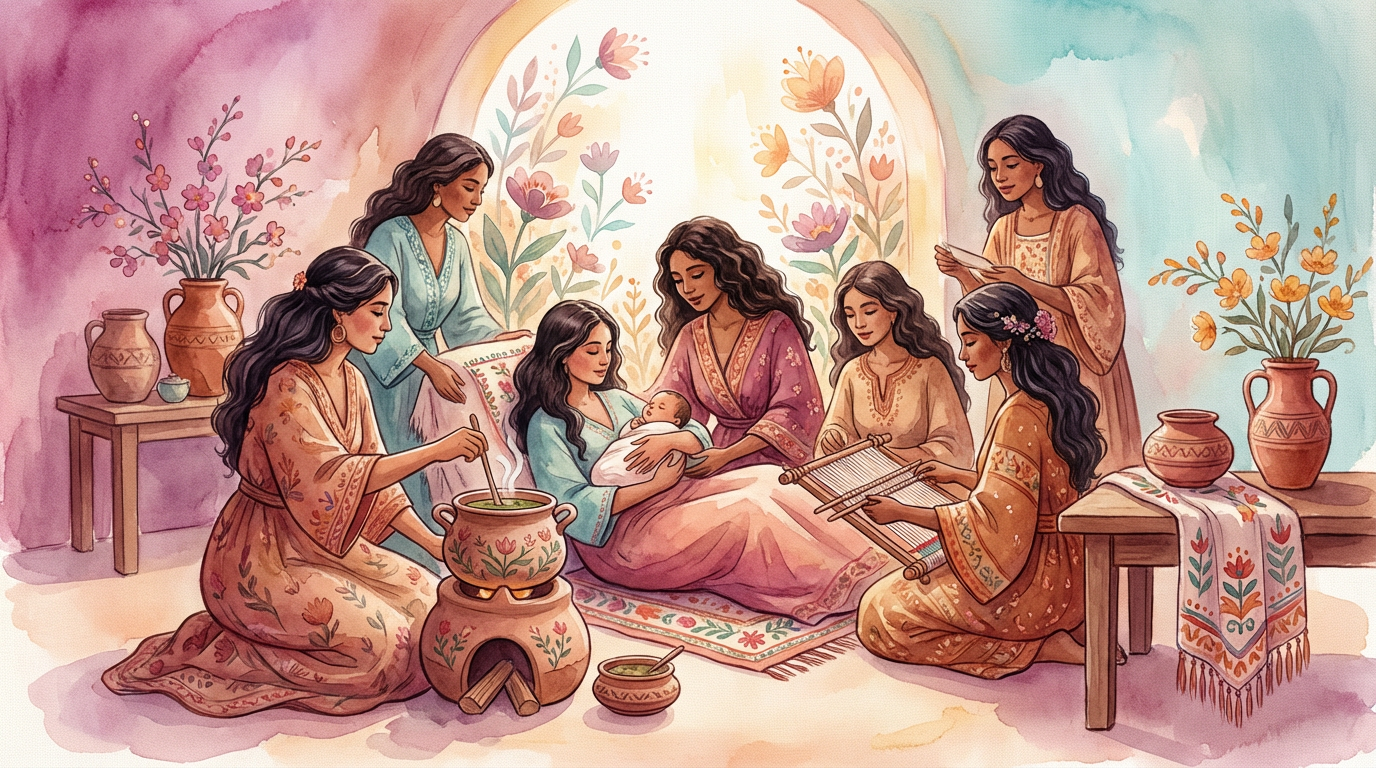
Historically, La Cuarentena was often a communal effort. The new mother would be cared for by her mother, grandmother, aunts, or other female relatives. This extended family unit understood the profound physiological and emotional shifts occurring after birth and provided unwavering support, allowing the mother to focus solely on healing and bonding with her baby. The absence of modern medical interventions meant that traditional healers (like curanderas or midwives) played a crucial role, often prescribing specific herbs, massages, and dietary guidelines to aid recovery. This period was seen as a critical window to prevent 'cold' illnesses, prolapse, and other postpartum complications that could arise if the mother was not adequately cared for.
The emphasis on 40 days is significant. Across many spiritual and cultural traditions, 40 often symbolizes a period of purification, transformation, or trial (e.g., 40 days of flood, 40 days in the desert). In the context of postpartum, it is believed to be the time required for the uterus to return to its pre-pregnancy size, for significant blood loss to cease, and for the mother's body to regain strength and equilibrium. It's a sacred pause, a time for deep integration of the birth experience and the new identity of motherhood.
What are the Core Principles and Practices of La Cuarentena?
La Cuarentena is built upon several foundational principles, each contributing to the holistic recovery of the new mother. Understanding these pillars is key to appreciating the depth and wisdom of this tradition:
1. Absolute Rest (Descanso)
This is perhaps the most critical component. New mothers are expected to do very little beyond feeding the baby, resting, and light self-care. This means no housework, no cooking, no running errands, and minimal social obligations. The goal is to conserve energy, allowing the body's resources to be directed towards healing, uterine involution, milk production, and hormone rebalancing. This period of deep rest is crucial for preventing exhaustion, postpartum depression, and other long-term health issues.
- •Actionable Tip: Delegate all household chores. If family support isn't available, consider hiring postpartum doulas, cleaners, or asking friends to set up a meal train. Your primary job is to rest and bond with your baby.
2. Warmth (Calor)
In many traditional Latin American beliefs, pregnancy and childbirth are considered 'hot' states, and the postpartum period is seen as a 'cold' state, leaving the body vulnerable. Therefore, warmth is paramount. This includes warm foods, warm drinks, warm baths, and keeping the body covered. It's believed to help the uterus contract, expel lochia, and prevent cold from entering the body, which is thought to lead to various ailments.
- •Actionable Tip: Opt for warm, cooked meals instead of cold salads or beverages. Take warm showers or baths (once cleared by your doctor). Dress in layers, even indoors, and keep your feet covered with socks or slippers.
3. Nourishing Foods (Comida Nutritiva)
The postpartum diet is specifically designed to be restorative, easy to digest, and rich in nutrients. Warm broths, soups, stews, and porridges are staples. Foods are often bland initially and gradually become more varied. Specific herbs and spices are sometimes incorporated to aid digestion, milk production, and uterine recovery. The emphasis is on replenishing blood, rebuilding strength, and supporting lactation.
- •Actionable Tip: Prepare freezer meals before birth. Accept all offers of food from friends and family. Focus on nutrient-dense, easily digestible foods like bone broth, lean proteins, cooked vegetables, and whole grains. Avoid highly processed foods, raw foods, and excessively cold drinks.
4. Limited Activity and Minimal Exposure (Poca Actividad y Exposición Mínima)
Beyond just rest, La Cuarentena often involves a degree of confinement. New mothers are advised to stay indoors, avoid strenuous activities, and limit visitors. This helps protect the mother from external stressors, potential infections, and the physical strain of overexertion. It also creates a quiet, intimate space for mother and baby to bond without distraction.
- •Actionable Tip: Communicate your boundaries clearly to friends and family before the baby arrives. Ask visitors to respect your need for quiet and brief visits, or to help with practical tasks rather than just socializing.
5. Bodywork and Herbal Remedies (Masajes y Remedios Herbales)
Traditional bodywork, such as cerrada or 'closing the bones' ceremonies, are often performed. These involve gentle massage and the use of rebozos (traditional shawls) to bind and symbolically 'close' the mother's body, which is believed to be open and vulnerable after birth. Herbal remedies, teas, and baths are also commonly used to aid healing, reduce pain, promote sleep, and support lactation.
- •Actionable Tip: Seek out a postpartum massage therapist or a traditional doula trained in cerrada rituals if available in your area. Research safe and effective postpartum herbal teas (e.g., raspberry leaf, fenugreek for lactation) and consult with a healthcare provider or herbalist.
6. Emotional and Spiritual Support (Apoyo Emocional y Espiritual)
While not always explicitly stated, the communal nature of La Cuarentena inherently provides immense emotional and spiritual support. The mother is held, cared for, and celebrated, allowing her to process the birth experience and adjust to her new role without pressure. This collective care helps to ward off feelings of isolation and inadequacy, fostering a strong sense of belonging and confidence.
- •Actionable Tip: Don't hesitate to ask for emotional support. Talk to your partner, a trusted friend, family member, or a therapist about your feelings. Remember that it's okay not to be okay all the time.
How Does La Cuarentena Promote Physical and Emotional Healing?
The wisdom of La Cuarentena is deeply rooted in an understanding of the profound physiological and psychological changes a woman undergoes after childbirth. By adhering to its principles, mothers can experience a more robust and complete recovery:
Physical Healing:
- •Uterine Involution: The deep rest and warmth promote efficient contraction of the uterus, helping it return to its pre-pregnancy size and preventing excessive bleeding. This process is vital for preventing postpartum hemorrhage and ensuring long-term uterine health.
- •Replenishing Nutrients: The focus on nutrient-dense, easily digestible foods helps to rebuild blood supply (especially after blood loss during birth), replenish energy stores, and support the demands of breastfeeding. This combats anemia and fatigue, common postpartum issues.
- •Muscle and Tissue Repair: Childbirth puts immense strain on the pelvic floor, abdominal muscles, and other tissues. Rest and gentle care allow these areas to heal properly, reducing the risk of prolapse, incontinence, and chronic pain.
- •Reduced Risk of Infection: Limiting visitors and strenuous activity, combined with proper hygiene, helps to minimize exposure to germs and allows the body's immune system to focus on healing rather than fighting off new pathogens.
- •Hormonal Rebalancing: The postpartum period is characterized by dramatic hormonal shifts. Rest and reduced stress help the endocrine system to re-regulate, which can positively impact mood, sleep, and overall well-being.
Emotional and Spiritual Healing:
- •Prevention of Postpartum Depression and Anxiety: The dedicated support system, emphasis on rest, and reduction of external pressures significantly lower the risk of developing postpartum mood disorders. When a mother feels cared for and understood, her emotional resilience is strengthened.
- •Enhanced Bonding: By removing distractions and responsibilities, La Cuarentena allows the mother and baby to spend uninterrupted time together. This 'skin-to-skin' contact, frequent feeding, and gentle interactions are crucial for establishing a secure attachment and fostering a strong maternal bond.
- •Processing the Birth Experience: Birth, regardless of how it unfolds, is a powerful experience. Having dedicated time for rest and reflection, without the immediate demands of daily life, allows mothers to process their birth story, integrate their new identity, and heal emotionally.
- •Validation and Empowerment: Being the recipient of such dedicated care sends a powerful message to the new mother: 'You are important. Your healing matters.' This validation can be incredibly empowering, boosting self-confidence and reducing feelings of overwhelm.
- •Cultural Connection: For many, observing La Cuarentena is a way to connect with their heritage and ancestral wisdom, providing a sense of continuity and belonging during a significant life transition.
Can Modern Mothers Adapt La Cuarentena Traditions?
Absolutely! While a full 40-day confinement with an unwavering support system might seem challenging in today's fast-paced world, the core principles of La Cuarentena are timeless and universally beneficial. Modern mothers can thoughtfully adapt these traditions to create a personalized and deeply restorative postpartum experience.
Practical Strategies for Adaptation:
- •
Prioritize Rest, No Matter What: Even if 40 days of absolute rest isn't feasible, aim for as much rest as possible in the first few weeks. Sleep when the baby sleeps, and don't feel guilty about it. Delegate, say no, and let non-essential tasks slide. Consider a 'rest schedule' where your partner or a family member takes over baby care for a few hours each day so you can nap undisturbed.
- •
Build Your 'Village' Before Birth: Don't wait until after the baby arrives to seek help. Talk to your partner, family, and close friends about your needs. Create a meal train sign-up sheet, ask for help with laundry or grocery shopping, and identify who can provide emotional support. If possible, consider hiring a postpartum doula, a cleaner, or a babysitter for older children.
- •
Nourish Your Body with Warmth: Prepare freezer meals in advance that are easy to heat and digest. Stock your pantry with ingredients for nourishing soups, stews, and warming beverages. Invest in a good thermos to keep drinks warm. Dress comfortably in layers and keep your feet warm. Warm baths or showers can be incredibly soothing.
- •
Practice 'Gentle Confinement': While you might not stay indoors for 40 days, minimize outings and strenuous activities. Limit visitors, or set clear boundaries (e.g., 'visits are 30 minutes, please wash your hands, and bring a meal'). Create a cozy 'nest' at home where you feel comfortable and secure.
- •
Embrace Gentle Bodywork: If a traditional cerrada ceremony isn't accessible, consider booking a gentle postpartum massage. Even self-massage with warm oils can be beneficial. Wearing a postpartum belly bind (like a faja or rebozo wrap, ensuring it's not too tight) can provide support and a feeling of 'closing' the abdomen.
- •
Seek Emotional Support: Be open about your feelings with your partner, a trusted friend, or a healthcare provider. Join a new mothers' group, either online or in person. Remember that it's normal to feel a wide range of emotions after birth, and professional help is available if you're struggling.
- •
Incorporate Rituals of 'Closing': Even simple rituals can be powerful. A warm bath with Epsom salts and essential oils, a quiet moment of meditation, or journaling about your birth experience can help you feel more grounded and complete. Consider a symbolic 'closing' ceremony with a loved one, even if it's just a heartfelt conversation.
- •
Educate Your Partner and Family: Share the principles of La Cuarentena with your support system. Help them understand why these traditions are important for your long-term health and well-being. This can foster greater empathy and practical assistance.
By consciously integrating these adaptations, modern mothers can create a postpartum experience that honors the ancient wisdom of La Cuarentena, promoting deeper healing, stronger bonding, and a more joyful transition into motherhood, even within the demands of contemporary life. It’s about creating space for healing, rather than rushing through the most vulnerable time in a woman’s life.
Key Takeaways
- •La Cuarentena is a 40-day Latin American postpartum tradition focused on the new mother's holistic recovery.
- •Its core principles include absolute rest, warmth, nourishing foods, and limited activity to promote physical and emotional healing.
- •It aims to 'close' the body and spirit after childbirth, preventing long-term health issues and fostering mother-baby bonding.
- •Benefits include faster physical recovery, reduced risk of postpartum mood disorders, and enhanced maternal-infant attachment.
- •Modern mothers can adapt La Cuarentena by prioritizing rest, building a strong support system, focusing on warm, nutritious meals, and setting clear boundaries.
- •Embracing these traditions offers a powerful counter-narrative to the pressure of 'bouncing back' quickly, promoting a more gentle and supported transition into motherhood.
FAQ Section
Q1: Is La Cuarentena only for women of Latin American descent?
A1: Not at all! While originating in Latin American cultures, the principles of La Cuarentena are universal and beneficial for any new mother, regardless of her cultural background. The emphasis on rest, nourishment, and support is something all postpartum women can benefit from. It's about adopting wisdom, not just cultural identity.
Q2: Do I really need to stay indoors for 40 days?
A2: The traditional interpretation often involves strict confinement. However, modern adaptations suggest 'gentle confinement.' This means minimizing outings, avoiding strenuous activities, and limiting visitors, rather than absolute isolation. A short, gentle walk in nature might be beneficial if you feel up to it and your doctor approves, but the priority is always rest and avoiding overexertion.
Q3: What kind of foods are recommended during La Cuarentena?
A3: The focus is on warm, easily digestible, nutrient-dense foods. Think bone broths, soups, stews, cooked grains (like oatmeal or rice), lean proteins, and cooked vegetables. Avoid raw foods, cold drinks, spicy foods, and anything highly processed. The idea is to replenish energy, warm the body, and support milk production.
Q4: How can I get my partner and family to understand and support La Cuarentena?
A4: Open communication is key. Before the baby arrives, explain the concept of La Cuarentena and why it's important for your long-term health. Share articles and resources. Clearly outline your needs and expectations for support (e.g., who will cook, clean, or help with older children). Emphasize that their support during this time is an investment in your well-being and the family's overall health.
Q5: What if I don't have a large family support system for La Cuarentena?
A5: While traditional La Cuarentena relies on family, you can build your own modern 'village.' Consider hiring a postpartum doula, a professional who specializes in supporting new mothers. Utilize meal delivery services or ask friends to organize a meal train. Don't be afraid to ask for practical help from friends or community groups. Online support networks can also provide emotional connection.
Q6: Can La Cuarentena help with breastfeeding?
A6: Yes, absolutely! The deep rest, nourishing diet, and reduced stress inherent in La Cuarentena are incredibly supportive of breastfeeding. Rest helps with milk supply, and a calm environment promotes oxytocin release, which is crucial for milk let-down. The focus on warm, hydrating foods also contributes to good milk production. Uninterrupted bonding time with the baby encourages frequent feeding, which establishes supply.
Q7: What is the 'cerrada' or 'closing the bones' ceremony?
A7: The 'cerrada,' or 'closing the bones' ceremony, is a traditional ritual often performed during or after La Cuarentena. It involves gentle massage, often with warm oils, and the use of rebozos (traditional shawls) to bind and symbolically 'close' the mother's body. It's believed to help the body physically recover from the openness of childbirth, realign the hips, and provide a sense of emotional and spiritual completion after the profound transformation of pregnancy and birth. It's a beautiful way to honor the mother's journey.
Cite this article
PERIODiQ Editorial Team (2026). "La Cuarentena: Latin Postpartum Recovery Traditions." PERIODiQ. https://periodiq.app/library/la-cuarentena-latin-postpartum-recovery-traditions
"La Cuarentena: Latin Postpartum Recovery Traditions." PERIODiQ, 2026, https://periodiq.app/library/la-cuarentena-latin-postpartum-recovery-traditions.
Send this to a friend — PERIODiQ is free for them too. No card. No paywall.
Loved this? Save articles, track your cycle, and unlock meditations — free forever.
Disclaimer: PERIODiQ™ offers general wellness information only. It does not provide medical advice, diagnosis, or treatment. Always speak with a licensed health professional about your health.