
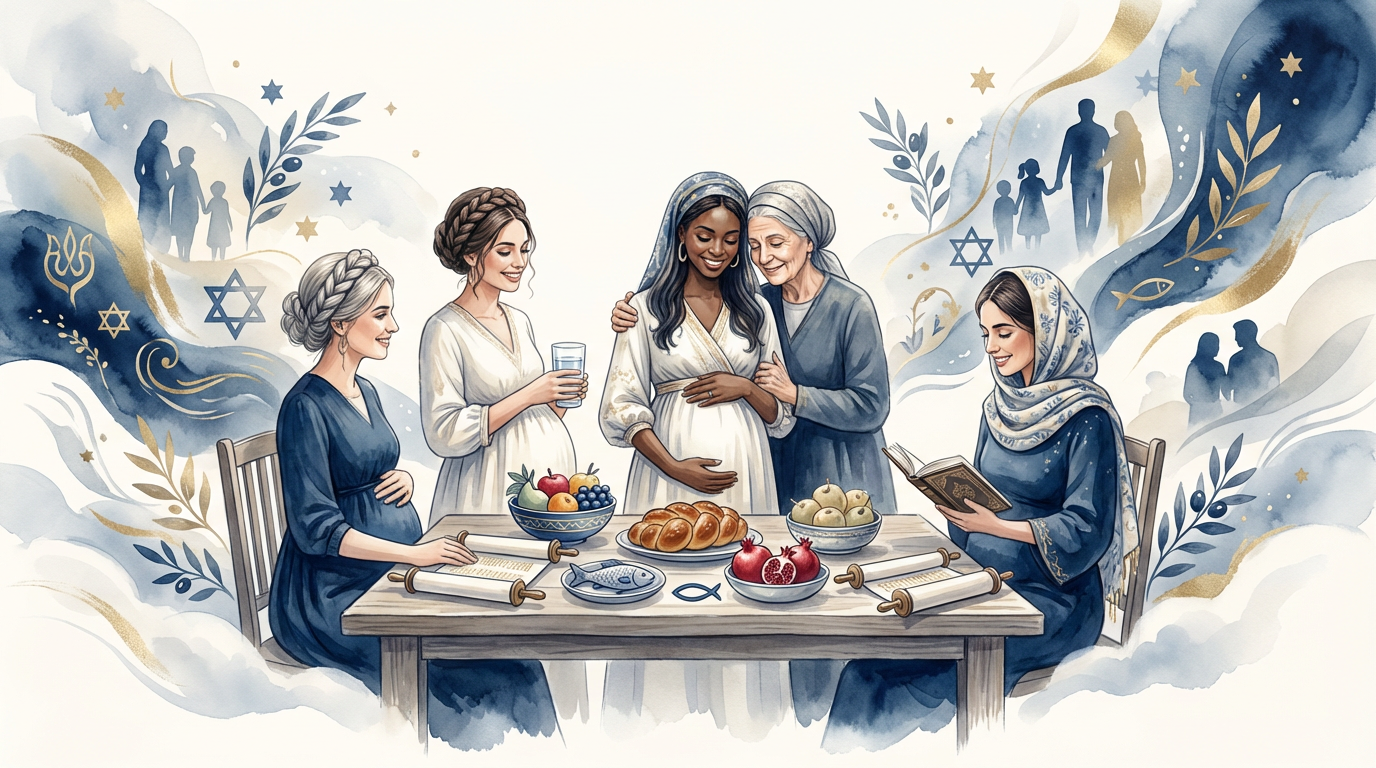
Kosher Prenatal Nutrition: A Complete Guide for Expectant Mothers
Navigating kosher prenatal nutrition involves balancing Jewish dietary laws with essential nutrient needs for a healthy pregnancy. This guide offers practical advice on integrating kosher practices, Niddah considerations, and specific nutrient requirements to support both mother and baby's well-being.
Listen to this article
~13 min listen
Click play to generate audio narration with a calming voice
TL;DR Summary
- •Integrate Kashrut & Niddah: Successfully combine Jewish dietary laws (Kashrut) and family purity laws (Niddah) with prenatal nutrition for a healthy pregnancy.
- •Focus on Key Nutrients: Prioritize essential nutrients like folate, iron, calcium, choline, and Omega-3s, ensuring kosher sources are utilized.
- •Mindful Meal Planning: Develop balanced, kosher-compliant meal plans to support maternal health, fetal development, and energy levels throughout gestation.
Kosher Prenatal Nutrition: A Complete Guide for Expectant Mothers
For expectant mothers balancing a career, fertility planning, family life, and Jewish traditions, optimizing prenatal nutrition is paramount. Kosher prenatal nutrition involves meticulously integrating the principles of Kashrut (Jewish dietary laws) with the enhanced nutritional demands of pregnancy. This comprehensive guide will delve into how to achieve a healthy, kosher-compliant diet that supports both maternal well-being and optimal fetal development, while also respectfully acknowledging the unique considerations of Niddah and cultural perspectives.
What are the Core Principles of Kosher Nutrition During Pregnancy?
Navigating pregnancy while adhering to kosher dietary laws requires a foundational understanding of Kashrut. At its heart, kosher means "fit" or "proper" for consumption, dictated by Jewish law (Halakha) derived from the Torah. For pregnant women, these laws remain unchanged but take on added significance due to the vulnerable state of both mother and developing baby. The core principles include:
- •Meat and Milk Separation (Basar B'Chalav): This is perhaps the most well-known aspect. Dairy and meat products, including poultry, cannot be consumed or prepared together. Separate utensils, dishes, and even sinks are often used. After eating meat, a waiting period (varying from 1 to 6 hours depending on tradition) is observed before consuming dairy. After dairy, a shorter waiting period (often 30 minutes or a rinse) may apply before meat. This requires careful meal planning to ensure nutrient needs are met without compromising dietary laws, especially when integrating calcium-rich dairy with iron-rich meats.
- •Kosher Animals and Slaughter (Shechita): Only specific animals deemed kosher can be eaten, and they must be slaughtered according to Jewish law (Shechita) to ensure humane treatment and proper drainage of blood. This applies to mammals (e.g., cattle, sheep, goats) with split hooves and who chew their cud, and specific types of fowl (e.g., chicken, turkey, duck, geese). Fish must have fins and scales (e.g., salmon, tuna, cod, tilapia) to be kosher. Shellfish and most predatory fish are not kosher.
- •No Blood (Dam): All blood must be removed from meat and poultry through salting and soaking before cooking. Eggs must be checked for blood spots.
- •Kosher Supervision (Hechsher): Packaged foods require a reliable kosher certification (Hechsher) from a rabbinic authority to ensure all ingredients and processing methods are compliant. This is crucial for identifying kosher-certified vitamins, supplements, and processed foods that might contain hidden non-kosher ingredients.
- •Pareve Foods: These are neutral foods that can be eaten with either meat or dairy meals. Examples include fruits, vegetables, grains, legumes, eggs, and fish (with fins and scales). Pareve foods are incredibly versatile and form the backbone of a balanced kosher diet, offering essential vitamins, minerals, and fiber without the complexities of meat/dairy separation.
During pregnancy, adhering to these laws ensures spiritual harmony while demanding practical planning. For instance, if an expectant mother needs a calcium boost (often from dairy) and also requires iron (often from meat), she must plan these meals several hours apart. Utilizing pareve sources for both, such as fortified plant milks or dark leafy greens for calcium, and lentils or spinach for iron, can help bridge potential gaps.
How Do Niddah Considerations Impact Meal Preparation and Dining?
Niddah, or the laws of family purity, primarily govern marital intimacy during a woman's menstrual cycle and for seven "clean days" thereafter, until immersion in a mikvah. While Niddah doesn't directly dictate food types, it can indirectly influence meal preparation and dining dynamics within the home, particularly regarding shared dishes or food handling when a woman is in a state of Niddah.
Historically, and in some communities today, there might be customs or stringencies (chumrot) regarding a Niddah woman preparing or serving food to her husband directly. However, the prevailing halachic consensus, especially in modern Orthodox practice, is that a Niddah woman is permitted to cook, bake, and serve food. The focus of Niddah is on marital intimacy, not on a woman's general activities or her ability to manage household tasks or prepare food for her family.
For a pregnant woman, this means:
- •No Direct Impact on Food Choices: Niddah does not restrict what foods she can eat or prepare, nor does it make food prepared by her non-kosher.
- •Potential for Indirect Influence on Meal Routines: In homes where specific customs are observed, there might be adjustments to serving or sharing food dishes, but these are generally community-specific practices rather than universal halachic requirements. For example, some might avoid passing food directly from hand to hand between husband and wife during Niddah, or not share from the same serving dish. These are generally minor adjustments that do not impact the nutritional content or kosher status of the food.
- •Focus on Self-Care: For a pregnant woman, particularly one adhering to Niddah, the emphasis should be on self-care and ensuring she receives adequate nutrition. If certain customs create undue stress or make meal preparation more difficult during Niddah, open communication with a Rabbi and family is important to find practical solutions that prioritize her health and well-being.
In essence, while Niddah is a profound aspect of Jewish married life, it typically does not pose direct nutritional challenges or restrictions on the types of kosher foods consumed or prepared by an expectant mother.
What Essential Nutrients Are Crucial for Kosher Prenatal Health?
Pregnancy significantly increases the demand for various nutrients to support rapid fetal growth, placental development, and maternal physiological changes. Ensuring these are met through kosher sources is vital.
- •Folate (Folic Acid): Crucial for preventing neural tube defects. The CDC recommends 400 mcg daily before conception and throughout pregnancy. Kosher sources include dark leafy greens (spinach, kale), fortified cereals (ensure kosher certification), lentils, chickpeas, and oranges. Many prenatal vitamins are kosher-certified and contain adequate folate.
- •Iron: Prevents maternal anemia and supports fetal red blood cell production. Requirements increase significantly in the second and third trimesters. Kosher iron sources include lean red meat (beef, lamb – ensure kosher slaughter), poultry, fish (salmon, tuna), lentils, beans, spinach, and fortified cereals. Pair iron-rich foods with Vitamin C (e.g., bell peppers, citrus) to enhance absorption.
- •Calcium: Essential for baby's bone and teeth development, and to maintain maternal bone density. Aim for 1,000 mg daily. Kosher dairy products (milk, yogurt, cheese) are excellent sources. For those observing meat/dairy separation, pareve options include fortified plant milks (almond, soy – check kosher certification), tofu, dark leafy greens, and sesame seeds (tahini).
- •Vitamin D: Works with calcium for bone health and supports immune function. Many people are deficient. Kosher sources include fatty fish (salmon, tuna), fortified dairy or plant milks (with kosher certification), and egg yolks. Sunlight exposure is also a primary source.
- •Omega-3 Fatty Acids (DHA & EPA): Vital for fetal brain and eye development. Aim for 200-300 mg DHA daily. Kosher sources include fatty fish like salmon, sardines, and herring (all with fins and scales). For those avoiding fish or as a supplementary source, kosher-certified algal oil supplements are an excellent pareve option.
- •Choline: Important for fetal brain development and neural tube closure. Kosher sources include eggs (check for blood spots), beef liver (if consumed and kosher), fish, and certain legumes like soybeans. Many prenatal vitamins now include choline.
- •Iodine: Essential for fetal thyroid hormone production and brain development. Kosher sources include iodized salt, dairy products, and fish. Some kosher prenatal vitamins contain iodine.
- •Vitamin B12: Crucial for red blood cell formation and neurological function. Primarily found in animal products. Kosher sources include meat, poultry, fish, eggs, and dairy. For vegetarian or vegan expectant mothers, fortified foods (cereals, nutritional yeast – ensure kosher certification) or a kosher-certified supplement are essential.
How Can I Create a Balanced Kosher Prenatal Meal Plan?
Crafting a balanced kosher prenatal meal plan requires thoughtful consideration of nutrient timing, food separation, and variety. Here’s a practical approach:
- •Start with a Kosher Prenatal Vitamin: This acts as a nutritional safety net. Ensure it has a reliable kosher certification (e.g., OU, Kof-K, Star-K). Discuss with your healthcare provider which prenatal vitamin is best for you.
- •Emphasize Whole, Unprocessed Foods: Focus on fresh fruits, vegetables, whole grains, legumes, and lean proteins. These are naturally pareve and nutrient-dense.
- •Strategic Meal Spacing for Meat/Dairy: If you consume both meat and dairy, plan meals to respect the waiting periods. For example:
- •Breakfast (Dairy): Greek yogurt with fruit and nuts, or fortified plant milk smoothie.
- •Lunch (Pareve): Large salad with chickpeas, quinoa, and vegetables, or lentil soup with whole-grain bread.
- •Dinner (Meat): Baked salmon with roasted vegetables, or chicken and vegetable stir-fry. (Note: Fish is pareve, but sometimes treated as meat in some stricter traditions for serving with dairy, clarify with your Rav if unsure. Salmon with vegetables is generally pareve and safe before dairy).
- •Incorporate Diverse Protein Sources: Alternate between kosher meats, poultry, fish, eggs, and plant-based proteins like beans, lentils, tofu (ensure kosher certification), and nuts. This ensures a wide range of amino acids and minerals.
- •Prioritize Healthy Fats: Include avocados, nuts, seeds, and healthy oils like olive oil. If consuming fish, opt for fatty fish like salmon for Omega-3s. Consider kosher-certified algal oil for a pareve DHA source.
- •Hydration is Key: Drink plenty of water throughout the day. Herbal teas (check ingredients for kosher status) can also be soothing.
- •Snacks: Plan healthy, kosher-friendly snacks to maintain energy levels and prevent extreme hunger. Examples: fruit, a handful of almonds, kosher-certified whole-grain crackers with avocado, hard-boiled eggs, or a small container of kosher yogurt.
Sample Day (Illustrative):
- •Morning: Kosher prenatal vitamin with water.
- •Breakfast (Dairy): Whole wheat toast with cream cheese (kosher certified) and sliced tomatoes, or a bowl of oatmeal cooked with milk (kosher certified) and topped with berries and a sprinkle of flaxseeds.
- •Mid-Morning Snack (Pareve): Apple slices with a handful of almonds.
- •Lunch (Pareve): Large spinach salad with hard-boiled eggs, chickpeas, bell peppers, cucumber, and a lemon-tahini dressing. Whole grain roll on the side.
- •Afternoon Snack (Pareve): Carrot sticks with hummus (kosher certified).
- •Dinner (Meat): Baked chicken breast (kosher) with quinoa and steamed broccoli. (Waiting period before dairy).
- •Evening Snack (Pareve, if after meat waiting period, or Dairy if only pareve/dairy consumed earlier): Small bowl of fruit salad.
What are Common Challenges and How Can They Be Overcome?
Even with the best intentions, pregnant women adhering to kosher laws may face specific challenges:
- •Morning Sickness and Food Aversions: Nausea can make it difficult to eat nutrient-dense foods. Focus on bland, easy-to-digest kosher options like plain crackers, dry toast, small portions of chicken broth, and pareve fruits. Small, frequent meals are often better tolerated. Consult your doctor for managing severe morning sickness.
- •Finding Kosher-Certified Products: In some areas, access to a wide range of kosher-certified foods, especially specialty items like certain prenatal supplements or fortified plant milks, might be limited. Online kosher retailers or larger grocery stores in Jewish communities can be helpful resources. Always double-check certifications.
- •Balancing Meat/Dairy for Calcium and Iron: As discussed, this requires careful planning. Utilize pareve sources extensively. For example, if you're having a meat-heavy week, ensure you're getting calcium from fortified plant milks, dark leafy greens, and calcium-rich pareve snacks. Similarly, if you're consuming a lot of dairy, ensure your pareve or meat meals are rich in iron.
- •Dining Out: Eating at non-kosher restaurants is generally avoided. When dining out, choose kosher restaurants or prepare meals at home. When visiting friends or family, communicate your dietary needs in advance. Many Jewish communities have kosher restaurants or take-out options.
- •Fatigue and Meal Prep: Pregnancy fatigue can make extensive meal preparation challenging. Embrace meal prepping on good days, utilize kosher convenience foods (e.g., pre-washed salads, frozen vegetables, kosher rotisserie chicken), and don't hesitate to ask for help from family or friends.
- •Travel: Planning for kosher food while traveling requires advance research. Look for kosher-certified hotels, restaurants, or bring shelf-stable kosher foods. Many airlines offer kosher meals if requested in advance.
Overcoming these challenges often involves proactive planning, seeking support from family and community, and consulting with a healthcare provider or a registered dietitian experienced in kosher nutrition. Online communities and kosher food blogs can also provide valuable tips and recipes.
When Should I Consult a Professional for Kosher Prenatal Nutrition Advice?
While this guide provides comprehensive information, personalized advice is invaluable. Consider consulting a professional if:
- •You have pre-existing medical conditions: Conditions like gestational diabetes, celiac disease, or inflammatory bowel disease require specialized dietary management during pregnancy, which must be integrated with kosher laws.
- •You have significant dietary restrictions: If you are vegetarian, vegan, or have food allergies in addition to adhering to kosher laws, a dietitian can help ensure all nutrient needs are met.
- •You are experiencing severe morning sickness or food aversions: A professional can help identify tolerable, nutrient-dense kosher foods and strategies to manage symptoms.
- •You are concerned about weight gain or loss: A dietitian can help you achieve a healthy weight trajectory during pregnancy while maintaining a kosher diet.
- •You feel overwhelmed or unsure: Navigating complex dietary requirements during pregnancy can be stressful. A professional can offer reassurance, practical meal plans, and customized advice.
- •You are considering specific supplements: While a prenatal vitamin is standard, any additional supplements should be discussed with your doctor or a registered dietitian, ensuring they are kosher-certified and appropriate for pregnancy.
Remember, your healthcare team, including your OB/GYN, and a registered dietitian, are your best resources for ensuring a healthy and nourished pregnancy within the framework of your Jewish traditions.
Key Takeaways
- •Holistic Approach: Kosher prenatal nutrition integrates traditional Jewish dietary laws (Kashrut) with modern nutritional science for optimal maternal and fetal health.
- •Nutrient Focus: Prioritize folate, iron, calcium, Vitamin D, Omega-3s, choline, and iodine from kosher-certified sources.
- •Meal Planning: Carefully plan meals to accommodate meat/dairy separation, utilize pareve foods, and ensure consistent nutrient intake.
- •Niddah Context: Niddah laws do not restrict food choices but may influence household dynamics; focus on self-care and open communication.
- •Address Challenges: Proactively manage morning sickness, food aversions, and sourcing kosher products through planning and support.
- •Professional Guidance: Consult healthcare providers and dietitians for personalized advice, especially with pre-existing conditions or dietary complexities.
Frequently Asked Questions
Q1: Can I take a regular prenatal vitamin if it doesn't have a kosher certification?
A1: It is highly recommended to choose a prenatal vitamin with a reliable kosher certification. Many vitamins contain gelatin (often from non-kosher animal sources) or other ingredients that may not be kosher. A kosher certification ensures all components and manufacturing processes adhere to Jewish dietary laws, providing peace of mind during pregnancy.
Q2: How can I ensure I get enough calcium if I eat a lot of meat and need to avoid dairy for several hours?
A2: Utilize pareve calcium sources. Excellent options include kosher-certified fortified plant milks (almond, soy, oat), calcium-set tofu (check certification), dark leafy greens (kale, collard greens), sesame seeds (tahini), and fortified orange juice (check certification). You can also plan your dairy meals for breakfast or snacks, well separated from meat dinners.
Q3: Are all fish kosher for pregnant women?
A3: No, only fish with fins and scales are kosher (e.g., salmon, tuna, cod, tilapia, sardines). Shellfish (shrimp, crab, lobster) and fish without fins and scales (e.g., swordfish, sturgeon) are not kosher. Pregnant women should also be mindful of mercury levels in fish; consult guidelines from health authorities regarding safe consumption of various kosher fish.
Q4: My community has stricter customs regarding Niddah and food preparation. How should I approach this during pregnancy?
A4: The primary concern during pregnancy is your health and well-being. Discuss your specific customs with your Rabbi and your family. Often, leniencies can be found or practical solutions implemented to ensure you receive adequate nutrition and rest, especially if fatigue or nausea make adherence to stricter customs difficult. Clear communication is key.
Q5: What are some quick and easy kosher snack ideas for busy pregnant women?
A5: Practical kosher snack ideas include fresh fruit (apples, bananas, oranges), a handful of nuts (almonds, walnuts), kosher-certified whole-grain crackers with avocado or hummus, hard-boiled eggs, small containers of kosher yogurt or cottage cheese, a smoothie made with kosher-certified fruit and plant milk, or vegetable sticks with a pareve dip.
Q6: I'm a vegetarian and keep kosher. What are the key nutrients I need to monitor closely during pregnancy?
A6: As a vegetarian keeping kosher, pay extra attention to iron (lentils, beans, fortified cereals, spinach), Vitamin B12 (fortified foods, nutritional yeast, kosher-certified supplements), calcium (fortified plant milks, dark leafy greens, tofu), Omega-3s (algal oil supplements, flaxseeds, chia seeds), and zinc (legumes, nuts, whole grains). A kosher-certified prenatal vitamin is crucial, and consulting a dietitian is highly recommended.
Q7: How can I ensure my food is properly kosher when traveling during pregnancy?
A7: Plan ahead by researching kosher restaurants or grocery stores in your destination. Many airlines offer kosher meals if requested in advance. Pack shelf-stable kosher snacks like granola bars (check certification), dried fruit, and nuts. You can also bring a small travel hot plate and basic kosher ingredients to prepare simple meals in your accommodation, if feasible.
Start Your Wellness Journey Today
Ready to track your cycle, fertility, pregnancy, or menopause journey? Download PERIODiQ - your iQ-powered wellness companion designed for every stage of your health journey.
Get PERIODiQ Free: https://periodiq.app
Your Wellness Journey Starts Here
Download PERIODiQ
Scan the QR code or tap the link to get started with your personalized health tracking.
periodiq.app • iOS & Android
Cite this article
PERIODiQ Editorial Team (2026). "Kosher Prenatal Nutrition: A Complete Guide for Expectant Mothers." PERIODiQ. https://periodiq.app/library/kosher-prenatal-nutrition-a-complete-guide-for-expectant-mothers
"Kosher Prenatal Nutrition: A Complete Guide for Expectant Mothers." PERIODiQ, 2026, https://periodiq.app/library/kosher-prenatal-nutrition-a-complete-guide-for-expectant-mothers.
Send this to a friend — PERIODiQ is free for them too. No card. No paywall.
Loved this? Save articles, track your cycle, and unlock meditations — free forever.
Disclaimer: PERIODiQ™ offers general wellness information only. It does not provide medical advice, diagnosis, or treatment. Always speak with a licensed health professional about your health.