
Japanese Everyday Eating for Longevity: Beyond Miso & Matcha
The traditional Japanese diet, particularly washoku, offers a powerful blueprint for women's longevity and hormonal balance, extending far beyond popular ingredients like miso and matcha. Emphasizing whole, unprocessed foods, seasonal ingredients, and balanced meals, this eating pattern supports overall well-being across all life stages, from fertility to menopause. Its focus on nutrient density and mindful eating contributes to reduced chronic disease risk and enhanced vitality.
Listen to this article
~17 min listen
Click play to generate audio narration with a calming voice
TL;DR Summary
- •The traditional Japanese diet (washoku) is a holistic eating pattern rich in whole foods, fermented products, and plant-based proteins, promoting longevity and hormonal balance.
- •It emphasizes diverse, nutrient-dense ingredients like sea vegetables, soy, fish, and seasonal produce, offering benefits for menstrual health, fertility, pregnancy, and menopause.
- •This dietary approach goes beyond individual superfoods, focusing on balanced meals, mindful eating, and a strong connection to nature's cycles for sustained well-being.
Introduction
The traditional Japanese diet, often referred to as washoku, offers a powerful blueprint for women's longevity and hormonal balance, extending far beyond popular ingredients like miso and matcha. This eating pattern, recognized by UNESCO as an Intangible Cultural Heritage, is characterized by its emphasis on whole, unprocessed foods, seasonal ingredients, and balanced meals that naturally support the body's intricate systems. For women, in particular, adopting the principles of washoku can provide foundational nutritional support across all life stages, from navigating menstrual cycles and fertility journeys to supporting a healthy pregnancy and easing the transition through menopause. It's a dietary philosophy deeply rooted in respect for nature and a mindful approach to eating, contributing to the remarkable health and longevity observed in populations like those in Okinawa.
What Defines the Traditional Japanese Diet (Washoku)?
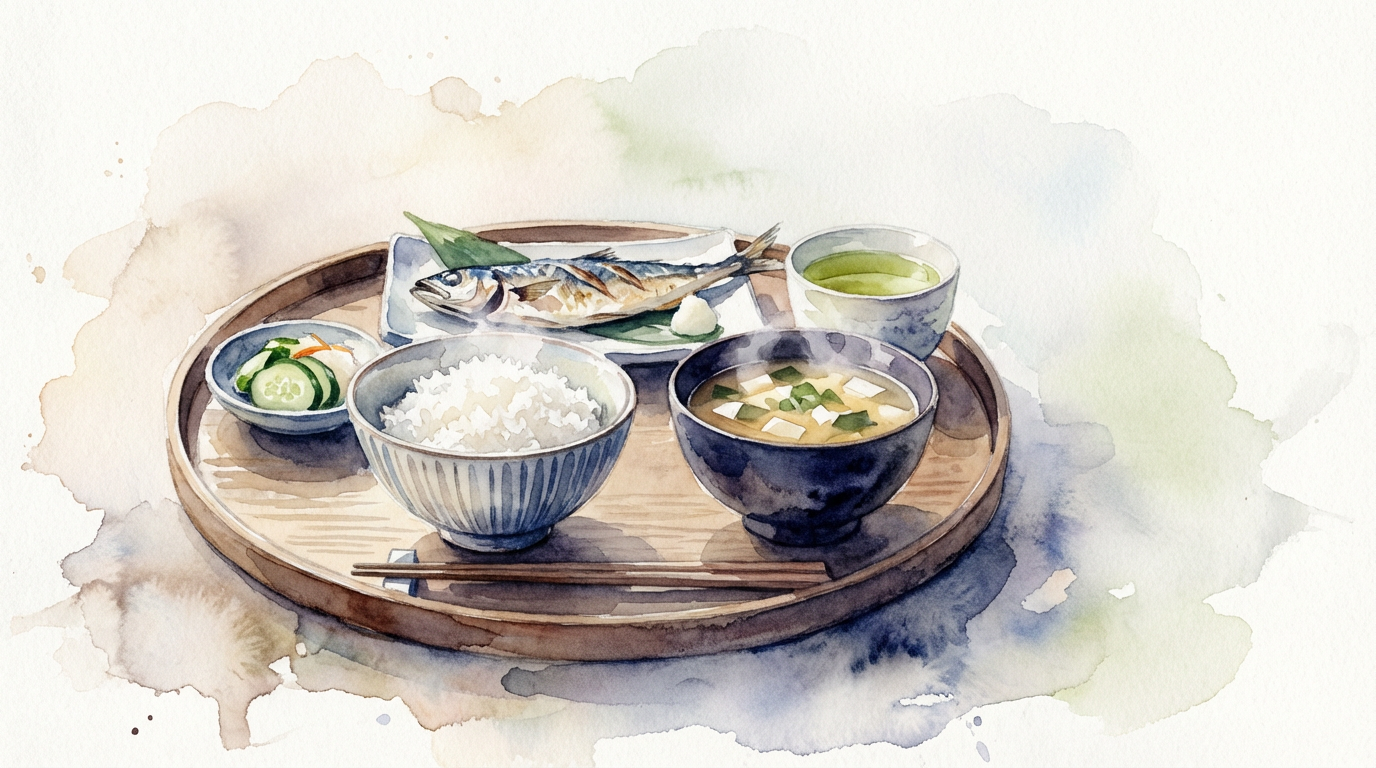
The traditional Japanese diet, or washoku, is characterized by a high intake of plant-based foods, fresh fish, and fermented products, with a lower consumption of red meat, processed foods, and refined sugars. This dietary pattern is not merely a collection of ingredients but a philosophy encompassing five key elements: diverse ingredients, balanced nutrition, seasonality, mindful presentation, and connection to cultural traditions. It typically features a small bowl of rice, a bowl of miso soup, a main dish of fish or soy-based protein, and several small side dishes of vegetables, often pickled or lightly cooked. The emphasis is on variety and balance, ensuring a wide spectrum of nutrients without overconsumption.
The Core Components of Washoku
- •Staple Grains: Primarily steamed white rice, sometimes brown rice or other grains, serving as the energy base of meals.
- •Soy Products: Tofu, tempeh, natto, edamame, and miso are staples, providing plant-based protein, fiber, and beneficial compounds like isoflavones.
- •Fish and Seafood: A significant source of lean protein and omega-3 fatty acids, often consumed several times a week. Fatty fish like salmon, mackerel, and sardines are particularly valued.
- •Sea Vegetables: Nori, wakame, kombu, and hijiki are rich in minerals (iodine, calcium, magnesium), fiber, and unique bioactive compounds.
- •Vegetables: A wide array of seasonal vegetables, both land and sea, are consumed, often lightly cooked, pickled, or fermented. Bitter greens, root vegetables, and cruciferous vegetables are common.
- •Fermented Foods: Miso, soy sauce, natto, and various pickled vegetables (tsukemono) contribute beneficial probiotics and enzymes, supporting gut health.
- •Green Tea: Particularly matcha, is consumed regularly, providing antioxidants and a calming ritual.
- •Minimal Dairy and Red Meat: These are consumed sparingly compared to Western diets.
How Does the Japanese Diet Support Women's Hormonal Balance?
The Japanese diet supports women's hormonal balance through its rich nutrient profile, anti-inflammatory properties, and low glycemic load. The abundance of fiber, healthy fats, and plant compounds helps regulate blood sugar, reduce inflammation, and support healthy estrogen metabolism. For instance, the phytoestrogens found in soy products can modulate estrogen activity, potentially alleviating symptoms associated with hormonal fluctuations. Omega-3 fatty acids from fish contribute to hormone production and reduce inflammatory prostaglandins, which are often implicated in menstrual pain. Furthermore, the emphasis on whole, unprocessed foods helps maintain a healthy gut microbiome, which plays a crucial role in estrogen detoxification and overall hormonal equilibrium. A balanced gut can prevent the reabsorption of metabolized hormones, ensuring their proper elimination and preventing hormonal imbalances.
What Are the Key Ingredients Beyond Miso & Matcha for Women's Health?
While miso and matcha are indeed beneficial, the true power of the Japanese diet women embrace for health lies in its diverse, less-celebrated ingredients. These include a wide array of sea vegetables, fermented foods beyond miso, and specific types of fish and plant proteins.
Unsung Heroes of Japanese Nutrition
- •Natto: This fermented soybean product is a powerhouse of Vitamin K2 (MK-7), essential for bone health, cardiovascular health, and potentially impacting hormone regulation. It also provides powerful nattokinase enzymes that support circulation.
- •Sea Vegetables (Kombu, Wakame, Hijiki): Beyond nori, these sea vegetables are iodine-rich, supporting thyroid function, which is critical for metabolism and hormonal health. They also provide a broad spectrum of minerals, including calcium and magnesium, and unique polysaccharides that act as prebiotics for gut health.
- •Shiitake Mushrooms: Valued for their immune-boosting properties, shiitake also contain compounds that support liver detoxification pathways, crucial for healthy hormone metabolism.
- •Fermented Pickles (Tsukemono): A diverse range of lacto-fermented vegetables beyond kimchi (which is Korean) contributes a wide array of probiotic strains, essential for maintaining a healthy gut microbiome and, by extension, hormonal balance.
- •Small Fatty Fish (Sardines, Mackerel): These are packed with omega-3 fatty acids (EPA and DHA) and Vitamin D, both vital for reducing inflammation, supporting mood, and influencing hormone production and sensitivity.
- •Root Vegetables (Daikon, Burdock Root): Rich in fiber and unique phytonutrients, these support gut health and aid in the elimination of metabolic waste and excess hormones.
- •Grains Beyond White Rice: While white rice is a staple, incorporating grains like buckwheat (soba), millet, and barley adds more fiber, specific amino acids, and micronutrients that support sustained energy and blood sugar regulation.
How Does the Okinawan Diet Contribute to Longevity?
The Okinawan diet, a regional variation of the traditional Japanese diet, is world-renowned for its association with exceptional longevity and low rates of chronic diseases. The Okinawan diet emphasizes a high intake of vegetables (especially sweet potatoes), legumes, and whole grains, with moderate fish consumption and very little meat or dairy. A key principle is hara hachi bu, eating until 80% full, which promotes caloric restriction without deprivation. This approach leads to a lower overall caloric intake while maintaining high nutrient density, reducing oxidative stress and inflammation. The diet's high antioxidant content from colorful vegetables, combined with its anti-inflammatory fatty acid profile (omega-3s from fish and healthy plant fats), creates an environment conducive to cellular health and slow aging. Furthermore, the strong community ties and active lifestyles prevalent in Okinawa are integral components of their holistic approach to wellness, complementing their nutritional choices.
Benefits for Women by Life Stage
Menstrual Health (Periods, Cramps, PMS)
For menstrual health, the washoku longevity principles offer significant relief from common issues like PMS, cramps, and irregular cycles. The diet's anti-inflammatory nature, driven by omega-3s from fish and antioxidants from vegetables, can reduce prostaglandin production, thereby alleviating menstrual cramps. Fiber-rich foods like sea vegetables, root vegetables, and whole grains support healthy gut function, which is crucial for estrogen metabolism and preventing hormonal imbalances that contribute to PMS. Soy's phytoestrogens can gently modulate estrogen levels, potentially easing symptoms like breast tenderness and mood swings. Furthermore, the consistent intake of magnesium from green leafy vegetables and calcium from fish bones and sea vegetables can reduce muscle contractions and improve mood regulation during the luteal phase.
Fertility Journey (TTC, Ovulation, Conception)
During the fertility journey, the Japanese diet provides an optimal nutritional foundation for conception and healthy ovulation. The emphasis on whole, unprocessed foods helps maintain stable blood sugar levels, which is vital for hormonal balance and regular ovulation. Healthy fats from fish and plant sources are essential building blocks for hormone production. Folate-rich vegetables (like dark leafy greens), iron from sea vegetables and lean proteins, and iodine for thyroid health are all critical for reproductive function. The gentle detoxifying support from fiber and liver-supporting nutrients ensures efficient hormone metabolism, creating a more favorable environment for conception. Moreover, reducing exposure to endocrine-disrupting chemicals often found in processed foods is an inherent benefit of this whole-food approach.
Pregnancy (Trimesters, Prenatal Care)
For pregnancy, the traditional Japanese diet offers a nutrient-dense and balanced approach that supports both maternal and fetal health. The consistent intake of omega-3 fatty acids is crucial for fetal brain and eye development. Iron from diverse sources helps prevent anemia, common in pregnancy. Calcium from small fish (with bones) and sea vegetables supports fetal bone development and maternal bone health. The diet's abundant fiber helps prevent constipation, a common pregnancy discomfort, and supports a healthy gut microbiome, which can influence the baby's developing immune system. Furthermore, the low glycemic load helps manage blood sugar, reducing the risk of gestational diabetes. The emphasis on gentle cooking methods and fresh ingredients minimizes exposure to harmful additives, promoting a clean and nourishing environment for the growing baby.
Menopause (Perimenopause, Hormonal Changes)
During perimenopause and menopause, the Japanese diet can significantly ease the transition and mitigate symptoms associated with declining estrogen levels. The phytoestrogens in soy products like tofu, tempeh, and natto can offer mild estrogenic effects, potentially helping to reduce hot flashes and night sweats. The diet's rich calcium and Vitamin K2 content (especially from natto) is vital for maintaining bone density, counteracting the increased risk of osteoporosis post-menopause. Omega-3 fatty acids can alleviate mood swings, improve cognitive function, and reduce inflammatory symptoms often experienced during this stage. The high fiber content supports gut health, which is critical for the proper elimination of hormones and overall metabolic health, helping to manage weight and reduce the risk of chronic diseases associated with aging.
Practical Tips for Incorporating Washoku Principles
Adopting the traditional Japanese diet doesn't require a complete overhaul; small, consistent changes can yield significant benefits.
- •Prioritize Plant-Based: Make vegetables, legumes, and whole grains the foundation of your meals. Aim for at least 50% of your plate to be vegetables.
- •Embrace Fermented Foods: Add miso soup daily, incorporate natto a few times a week, and experiment with different types of tsukemono (pickled vegetables).
- •Choose Lean Proteins: Opt for fish (especially fatty fish like salmon, mackerel, sardines) several times a week. Use tofu, tempeh, and edamame as plant-based protein sources.
- •Explore Sea Vegetables: Start with easily accessible options like nori sheets for wraps or adding wakame to soups. Gradually introduce kombu for broths (dashi) and hijiki in salads.
- •Mindful Eating (Hara Hachi Bu): Eat slowly, savor your food, and stop when you are 80% full. Pay attention to hunger and fullness cues.
- •Reduce Processed Foods and Sugar: Minimize intake of sugary drinks, refined carbohydrates, and highly processed snacks. Focus on whole, natural ingredients.
- •Cook at Home: Preparing your own meals allows you to control ingredients and cooking methods, often favoring steaming, simmering, and light stir-frying.
- •Embrace Variety: Don't stick to just a few ingredients. The diversity of the Japanese diet is one of its strengths. Explore different seasonal vegetables and proteins.
- •Hydrate with Water and Green Tea: Make water your primary beverage, and enjoy unsweetened green tea (including matcha) for its antioxidant benefits.
Key Takeaways
- •The traditional Japanese diet (washoku) is a holistic, nutrient-dense eating pattern that promotes longevity and hormonal balance for women.
- •It emphasizes whole foods, diverse plant-based ingredients, sustainable fish, and a variety of fermented foods beyond just miso and matcha.
- •Key ingredients like natto, various sea vegetables, and small fatty fish provide unique benefits for bone health, thyroid function, and anti-inflammatory support.
- •The diet supports women's health across all life stages, from easing menstrual symptoms and enhancing fertility to supporting pregnancy and mitigating menopausal discomforts.
- •Principles like hara hachi bu (eating until 80% full) and a focus on seasonal, unprocessed foods contribute to overall well-being and reduced chronic disease risk.
Frequently Asked Questions
Q: Is the traditional Japanese diet suitable for vegetarians or vegans?
A: The traditional Japanese diet, while heavily reliant on fish, can be adapted for vegetarians and vegans by increasing the intake of soy products (tofu, tempeh, natto), legumes, sea vegetables, and other plant-based protein sources. Many traditional Japanese dishes are naturally vegan or easily modifiable, focusing on vegetables, grains, and fermented soy.
Q: How much soy is safe to consume for women concerned about hormones?
A: Moderate consumption of traditional, minimally processed soy foods (like tofu, tempeh, edamame, and miso) is generally considered safe and beneficial for women's hormonal health. Research suggests that 1-2 servings per day (e.g., 1/2 cup tofu, 1 cup edamame, 1 tbsp miso) can offer protective effects and modulate estrogen levels without negative impacts. Fermented soy products are often preferred due to enhanced nutrient availability and probiotic benefits.
Q: Can the Japanese diet help with weight management?
A: Yes, the traditional Japanese diet is typically low in calories but high in nutrient density, fiber, and protein, which can promote satiety and support healthy weight management. Its emphasis on whole, unprocessed foods, mindful eating, and lower intake of refined sugars and unhealthy fats naturally contributes to weight control and a healthy metabolism.
Q: Are there any concerns with iodine intake from sea vegetables?
A: While sea vegetables are an excellent source of iodine, excessive intake can be problematic for some individuals, particularly those with pre-existing thyroid conditions. It's advisable to consume a variety of sea vegetables in moderation rather than relying heavily on one type daily. If you have a thyroid condition, consult your doctor or a registered dietitian about appropriate iodine intake.
Q: How can I make Japanese cooking more accessible at home?
A: Start by incorporating simple Japanese ingredients into your existing meals, such as adding miso to soups, using nori for snacks, or cooking with tofu. Explore basic recipes for dashi (broth), stir-fries, and simple fish dishes. Many ingredients are now widely available in supermarkets or Asian grocery stores, and online resources offer numerous beginner-friendly recipes.
Q: Is white rice healthy, or should I switch to brown rice?
A: While brown rice offers more fiber and certain micronutrients, white rice has been a staple of the Japanese diet for centuries and is easily digestible. The key is balance and portion control. Many Japanese individuals consume white rice in moderation alongside a wide array of vegetables, proteins, and fermented foods. If you prefer brown rice, it's a healthy alternative that provides additional fiber.
Q: What role does presentation play in the Japanese diet?
A: Presentation (moritsuke) is a crucial aspect of washoku, emphasizing aesthetic appeal and seasonality. Small portions, varied textures, and vibrant colors are arranged artfully to enhance the dining experience. This mindful approach to presentation encourages slower eating, appreciation of food, and contributes to the overall satisfaction derived from a meal, aligning with the hara hachi bu philosophy.
Start Your Wellness Journey Today
Ready to track your cycle, fertility, pregnancy, or menopause journey? Download PERIODiQ - your iQ-powered wellness companion designed for every stage of your health journey.
Get PERIODiQ Free: https://periodiq.app
Your Wellness Journey Starts Here
Download PERIODiQ
Scan the QR code or tap the link to get started with your personalized health tracking.
periodiq.app • iOS & Android
Cite this article
PERIODiQ Editorial Team (2026). "Japanese Everyday Eating for Longevity: Beyond Miso & Matcha." PERIODiQ. https://periodiq.app/library/japanese-everyday-eating-for-longevity-beyond-miso-matcha
"Japanese Everyday Eating for Longevity: Beyond Miso & Matcha." PERIODiQ, 2026, https://periodiq.app/library/japanese-everyday-eating-for-longevity-beyond-miso-matcha.
Send this to a friend — PERIODiQ is free for them too. No card. No paywall.
Loved this? Save articles, track your cycle, and unlock meditations — free forever.
Disclaimer: PERIODiQ™ offers general wellness information only. It does not provide medical advice, diagnosis, or treatment. Always speak with a licensed health professional about your health.