
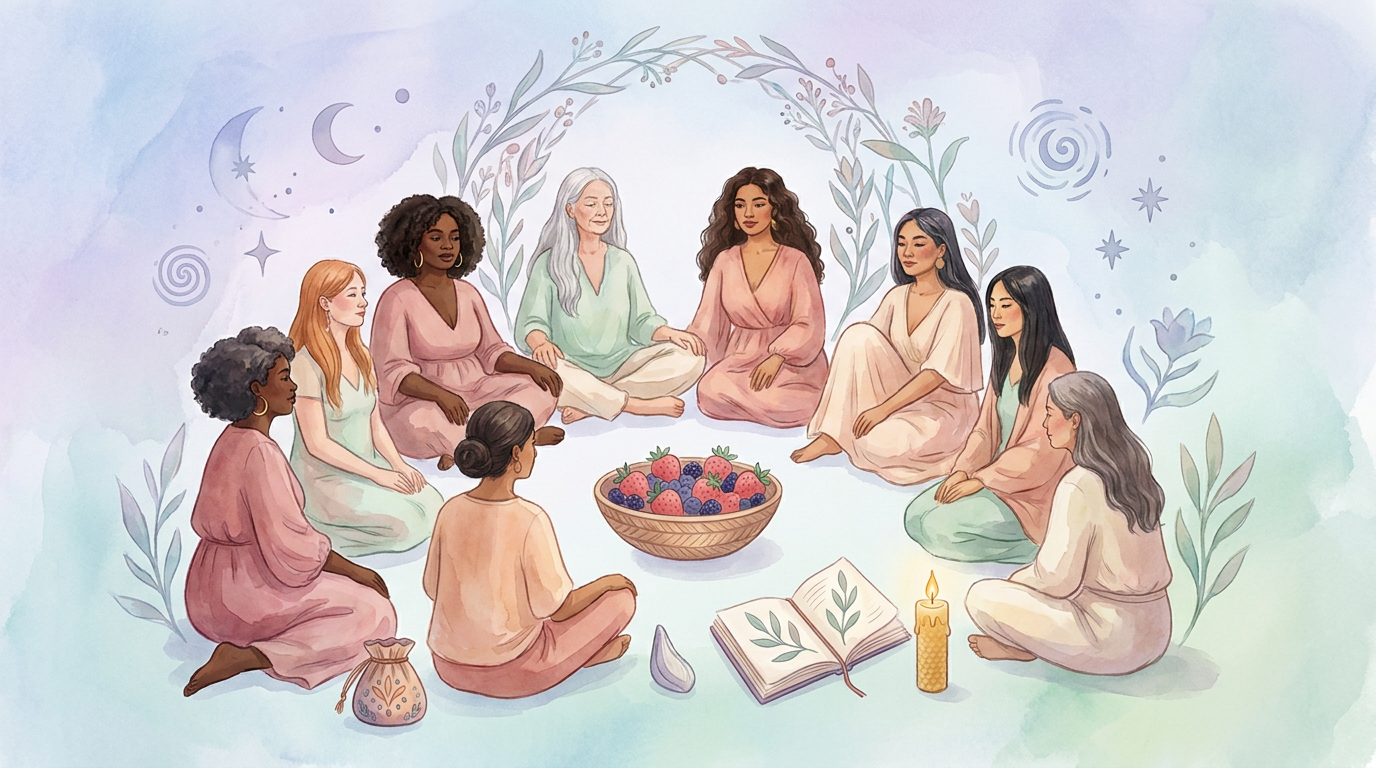
Honoring a First Period: Strawberry Ceremonies, Berry Fasts, and Coming-of-Age Traditions
Indigenous first period traditions, such as the Strawberry Ceremony and berry fast, are profound coming-of-age rituals that honor a young person's transition into womanhood, emphasizing cultural identity, spiritual connection, and community support. These ceremonies vary widely across Nations but universally recognize the sacredness of menstruation and the power of the female body, often involving teachings, feasting, and symbolic practices.
Listen to this article
~21 min listen
Click play to generate audio narration with a calming voice
TL;DR Summary
- •Indigenous first period traditions, like the Strawberry Ceremony and berry fast, are vital coming-of-age rituals celebrating a young person's transition into womanhood.
- •These ceremonies emphasize spiritual connection, community support, and the sacredness of menstruation, varying in practice across diverse Indigenous Nations.
- •Honoring menarche (the first period) provides foundational teachings about self-care, cultural identity, and the power of the female body.
Honoring a First Period: Strawberry Ceremonies, Berry Fasts, and Coming-of-Age Traditions
Indigenous first period traditions, such as the Strawberry Ceremony and berry fast, are profound coming-of-age rituals that honor a young person's transition into womanhood, emphasizing cultural identity, spiritual connection, and community support. These sacred practices, deeply rooted in the wisdom of various Indigenous Nations, mark menarche not as a medical event, but as a powerful spiritual and communal milestone, preparing young individuals for their roles within their families and communities. While specific customs vary widely across different Indigenous cultures, the underlying message remains consistent: menstruation is a sacred time of power, reflection, and connection to ancestral ways.
What Is the Significance of a First Period in Indigenous Cultures?
The significance of a first period in Indigenous cultures extends far beyond biological maturation, marking a profound spiritual, social, and cultural transition for a young person. For many Indigenous Nations, menarche is not merely the onset of menstruation but a sacred initiation into womanhood, recognized as a time of heightened spiritual power, introspection, and connection to the Earth and ancestral knowledge. This period signifies a young person's readiness to receive traditional teachings, assume new responsibilities, and understand their inherent connection to the life-giving forces of the universe. The first menses is often seen as a direct link to the moon cycles, reflecting the cyclical nature of life, death, and rebirth, and highlighting the powerful role women play in the continuation of their communities. It is a moment for the entire community to acknowledge and celebrate the emerging strength and wisdom of the young individual, providing support and guidance as they step into this new phase of life. This cultural emphasis reinforces the idea that women are inherently powerful and that their bodies, particularly their reproductive capabilities, are sacred and deserving of honor and respect.
What Is a Strawberry Ceremony and Its Purpose?
A Strawberry Ceremony, particularly prominent among Haudenosaunee (Iroquois) communities, is a beautiful and deeply meaningful coming-of-age tradition that celebrates a young person's first menses. The purpose of this ceremony is to acknowledge, honor, and guide the individual as they transition into womanhood, providing them with essential teachings, support, and recognition from their community. Strawberries, known as the 'heart berry' or 'first fruit' in many Indigenous traditions, symbolize life, renewal, and the sweetness of life, and are often associated with women's medicine and the heart. During a Strawberry Ceremony, the young person is typically honored through specific rituals, teachings from elders and knowledge keepers, feasting, and community gathering. These ceremonies are not uniform but are adapted to the specific traditions and protocols of each Haudenosaunee community. They often involve sharing traditional foods, stories, songs, and prayers, and may include gifts that symbolize the young person's new responsibilities and connection to their heritage. The ceremony serves to instill pride, resilience, and a deep understanding of their cultural identity, preparing them to embrace their role as a life-giver and a vital member of their Nation. It is a powerful affirmation of their worth and the sacredness of their journey, providing a strong foundation for their future.
How Does a Berry Fast Honor a First Period?
A berry fast is a traditional practice, often associated with first period ceremonies across various Indigenous Nations, that serves as a period of purification, reflection, and spiritual growth for the young individual. During a berry fast, the young person abstains from eating certain berries, typically for a designated period (which can range from a few days to several weeks or even a year, depending on cultural protocols), as a way to honor the sacredness of their first menses and to prepare for their new responsibilities. This practice is not about deprivation, but rather about cultivating discipline, gratitude, and a deeper connection to the land and spirit. By temporarily foregoing these sacred foods, the young person is taught patience, self-control, and a heightened appreciation for the gifts of the Earth. The fast often accompanies teachings from elders, who share wisdom about womanhood, family roles, community responsibilities, and the importance of ceremony. It is a time for the young person to listen, learn, and internalize these profound lessons, fostering a strong sense of identity and purpose. The berry fast helps to ground the individual, allowing them to process the significant transition they are undergoing and to emerge with a clearer understanding of their place within their community and the natural world. Upon the completion of the fast, there is often a celebratory feast where the young person can once again partake in the berries, symbolizing their renewed connection and the successful completion of their spiritual journey.
What Are Common Indigenous First Period Traditions and Rituals?
Common Indigenous first period traditions and rituals are incredibly diverse, reflecting the unique histories, spiritual beliefs, and cultural practices of hundreds of distinct Indigenous Nations across Turtle Island and beyond. While specific elements vary, many traditions share common themes of honoring, teaching, and community support. These rituals often include: isolation or seclusion, where the young person spends time away from the community in a designated space, guided by an elder, for introspection, spiritual connection, and receiving traditional teachings; ceremonial bathing or purification rituals, using sacred waters or herbal preparations to symbolize cleansing and renewal; feasting and communal gatherings, where the community comes together to celebrate, share food, and offer blessings and support; storytelling and traditional teachings, where elders impart wisdom about womanhood, family roles, puberty, menstruation, and cultural values; sacred songs and dances, performed to honor the young person and invoke spiritual blessings; gift-giving, where the young person receives items that symbolize their new status or responsibilities, such as traditional clothing, tools, or medicines; and the creation of special regalia or adornments, which are worn during the ceremony and signify their transition. For example, some Salish Nations have longhouse ceremonies, while Apache girls participate in the Sunrise Dance (Na'ii'ees). The Navajo Kinaalda is another significant four-day ceremony. These traditions emphasize the sacredness of the female body, the power of creation, and the importance of community in guiding young individuals through this pivotal life stage. It is crucial to remember that these practices are culturally specific and should only be understood and engaged with through direct connection with the respective Indigenous communities and knowledge keepers.
How Do These Traditions Foster Community and Identity?
These Indigenous first period traditions profoundly foster community and identity by weaving the young individual into the fabric of their culture, reinforcing their connection to their heritage, and strengthening communal bonds. By publicly acknowledging and celebrating menarche, the entire community participates in affirming the young person's value and importance. This collective recognition creates a strong sense of belonging, showing the individual that they are supported, loved, and have a vital role to play within their Nation. The ceremonies often involve the active participation of elders, aunties, mothers, and other community members who share their wisdom, stories, and support, thereby transferring intergenerational knowledge and reinforcing cultural continuity. This direct transmission of traditions ensures that the young person understands their lineage, their responsibilities to their people, and the sacredness of their cultural practices. Furthermore, these rituals instill a deep sense of pride in their Indigenous identity, counteracting colonial narratives that may have historically denigrated traditional ways. Learning about the significance of their body, their cycles, and their connection to the land through these ceremonies helps to build a resilient and self-assured identity. The shared experience of ceremony, feasting, and teaching solidifies community ties, reminding everyone of their collective responsibility to nurture and uplift the next generation, ensuring the strength and vitality of their Nation for future generations.
What Is the Role of Elders and Knowledge Keepers in Menarche Ceremonies?
The role of Elders and Knowledge Keepers in menarche ceremonies is absolutely central and indispensable, as they are the custodians of traditional wisdom, spiritual protocols, and cultural teachings. These revered individuals serve as guides, mentors, and spiritual leaders throughout the entire process, ensuring that the ceremony is conducted with integrity, respect, and adherence to ancestral ways. Elders and Knowledge Keepers are responsible for imparting the profound lessons associated with womanhood, the sacredness of the female body, the cyclical nature of life, and the responsibilities that come with transitioning into this new life stage. They share stories, songs, prayers, and practical advice, drawing from generations of accumulated wisdom. Their presence provides a vital link to the past, connecting the young person directly to their ancestors and cultural heritage. They often lead the ceremonial aspects, such as blessings, purification rituals, and specific practices like the Strawberry Ceremony or berry fast, ensuring that all actions align with traditional protocols. Moreover, Elders provide emotional and spiritual support, creating a safe and nurturing environment for the young person to experience this significant transition. They help to interpret dreams, offer guidance on personal challenges, and reinforce the importance of cultural values. Without the active involvement and guidance of Elders and Knowledge Keepers, these ceremonies would lose their depth, authenticity, and spiritual power, highlighting their irreplaceable role in preserving and transmitting Indigenous cultures.
How Can Indigenous Youth Connect with These Traditions Today?
Indigenous youth can connect with these rich first period traditions today through several vital pathways, prioritizing respectful engagement and community guidance. The most crucial first step is to connect with their own family, community elders, and knowledge keepers. These individuals are the primary sources of authentic cultural information and guidance specific to their Nation's traditions. Youth should initiate conversations with their mothers, aunties, grandmothers, and community leaders to learn about their specific ancestral practices, protocols, and how menarche was traditionally honored. Many Indigenous communities are actively revitalizing these ceremonies, and youth can seek out community-led initiatives, cultural centers, or youth programs that offer teachings and support for coming-of-age transitions. Attending cultural gatherings, powwows, and traditional ceremonies can also provide opportunities to learn and connect. It's important to remember that these ceremonies are sacred and often private, so approaching with humility and respect for cultural protocols is paramount. Youth can also explore Indigenous-led organizations and online platforms that share culturally appropriate resources, but always with the caveat that generalized information should be cross-referenced with their specific Nation's knowledge keepers. Engaging with Indigenous language revitalization efforts can deepen understanding of the concepts and songs associated with these traditions. Finally, active participation in community life, volunteering, and showing a genuine interest in learning and contributing, can open doors to mentorship and deeper cultural immersion. It is crucial to emphasize that learning about and participating in these traditions should always be guided by the specific protocols and permissions of the relevant Indigenous Nation and its knowledge keepers, ensuring that Indigenous sovereignty over traditional knowledge is honored.
Benefits by Life Stage
Menstrual Health (periods, cramps, PMS)
For young individuals experiencing menarche and navigating their early menstrual cycles, engaging with Indigenous first period traditions offers profound benefits for their overall menstrual health. These ceremonies reframe menstruation from a potentially negative or shameful experience into a sacred and powerful one, fostering a positive body image and a healthy relationship with their cycle. By learning about the cyclical nature of their body in alignment with moon cycles and natural rhythms, young people gain a deeper understanding and acceptance of their physiological processes. The teachings often include traditional knowledge about self-care during menstruation, which can encompass specific foods, herbal remedies, and practices for rest and reflection, potentially alleviating symptoms like cramps and PMS. The emphasis on introspection and spiritual connection during these times can also help in managing the emotional fluctuations associated with PMS, promoting emotional well-being. This cultural framework provides a protective factor against the common societal pressures that often lead to feelings of shame or discomfort around periods, empowering individuals to embrace their menstrual health as a source of strength and wisdom.
Fertility Journey (TTC, ovulation, conception)
While first period ceremonies focus on menarche, the foundational teachings they impart about the sacredness of the female body and the power of creation extend profound benefits to individuals later in their fertility journey. By honoring the first blood, these traditions instill a deep respect for the reproductive system and its life-giving potential from a young age. This early spiritual grounding can foster a more positive and patient approach when trying to conceive (TTC). Understanding the body's natural cycles, taught through the lens of Indigenous wisdom, can enhance awareness of ovulation and fertile windows, not just scientifically but also intuitively. The ceremonies emphasize connection to the Earth and natural rhythms, which can encourage holistic practices that support overall reproductive health. For those facing challenges in conception, the deep spiritual resilience and connection to ancestral strength cultivated through these traditions can provide immense emotional support and a sense of continuity, reminding them of the inherent power within their lineage and the sacredness of the journey, regardless of outcome.
Pregnancy (trimesters, prenatal care)
The respect for the life-giving capacity of the female body, deeply embedded in Indigenous first period traditions, lays a powerful groundwork that positively impacts the experience of pregnancy. Individuals who have embraced these ceremonial teachings often approach pregnancy with a profound sense of awe, reverence, and spiritual connection. The emphasis on self-care, listening to one's body, and connecting with natural rhythms, instilled during menarche ceremonies, organically translates into a holistic approach to prenatal care. Traditional wisdom about nutrition, rest, and emotional well-being, often shared during coming-of-age rituals, can inform choices throughout the trimesters. The strong community support fostered during first period celebrations extends to pregnancy, with family and community members often providing practical and emotional care. This communal embrace lessens feelings of isolation and reinforces the idea that carrying life is a sacred journey supported by the entire Nation. The spiritual grounding gained in youth helps individuals navigate the physical and emotional changes of pregnancy with greater resilience, peace, and a deep appreciation for the miracle of creation.
Menopause (perimenopause, hormonal changes)
The wisdom gained from Indigenous first period traditions offers invaluable insights and a deeply respectful perspective for navigating menopause and perimenopause. If menarche is seen as the entry into a period of life-giving potential, menopause is often viewed in many Indigenous cultures not as an ending, but as a transition into a new phase of wisdom, power, and spiritual authority – often referred to as the 'Crone' or 'Elder' stage. The cyclical understanding of life, taught during first period ceremonies, helps individuals embrace hormonal changes as a natural and powerful part of the life cycle, rather than as a decline. The emphasis on introspection, spiritual connection, and self-care during menstruation can be reapplied to the menopausal transition, encouraging individuals to listen to their bodies and honor their needs during this time of transformation. The community support fostered during youth continues into elderhood, with older women often holding positions of great respect and influence. This cultural framework helps to counteract negative societal narratives about aging, allowing individuals to view menopause as an empowering transition into a phase of heightened spiritual insight, leadership, and continued contribution to their community, celebrating the culmination of their life's experiences and wisdom.
Key Takeaways
- •Indigenous first period ceremonies, like the Strawberry Ceremony and berry fast, are sacred coming-of-age rituals that honor a young person's transition into womanhood.
- •These traditions emphasize spiritual connection, cultural identity, community support, and the sacredness of menstruation.
- •Elders and Knowledge Keepers are essential guides, transmitting ancestral wisdom and ensuring ceremonial integrity.
- •Connecting with these traditions fosters positive menstrual health, supports fertility journeys, enriches pregnancy experiences, and reframes menopause as a powerful transition.
- •Respectful engagement with local Indigenous communities and their knowledge keepers is paramount for youth seeking to connect with these practices.
Frequently Asked Questions
Q: What is the main purpose of an Indigenous first period ceremony?
A: The main purpose of an Indigenous first period ceremony is to honor and celebrate a young person's transition into womanhood, recognizing menarche as a sacred spiritual and communal milestone. These ceremonies provide essential traditional teachings, foster a strong sense of cultural identity, and offer community support as the individual steps into new responsibilities within their Nation.
Q: Is the Strawberry Ceremony practiced by all Indigenous Nations?
A: No, the Strawberry Ceremony is specifically associated with Haudenosaunee (Iroquois) communities, though many other Indigenous Nations have their own distinct and equally significant first period traditions. It's crucial to understand that Indigenous practices are diverse and specific to each Nation.
Q: What does a berry fast symbolize in these traditions?
A: A berry fast symbolizes a period of purification, reflection, and spiritual growth. By abstaining from certain sacred berries for a time, the young person cultivates discipline, gratitude, and a deeper connection to the land and spirit, preparing them for the responsibilities of womanhood and reinforcing traditional teachings.
Q: How can I, as an Indigenous youth, learn about my specific Nation's first period traditions?
A: The most respectful and authentic way to learn about your specific Nation's first period traditions is to connect directly with your own family, community elders, and knowledge keepers. They are the primary custodians of your ancestral practices and can guide you through appropriate protocols and teachings.
Q: Are these ceremonies still practiced today?
A: Yes, many Indigenous Nations are actively revitalizing and continuing to practice their first period and coming-of-age ceremonies today. These traditions are vital for cultural preservation, intergenerational knowledge transfer, and supporting the well-being of Indigenous youth.
Q: Can non-Indigenous people participate in a Strawberry Ceremony or berry fast?
A: Generally, these ceremonies are sacred and specific to Indigenous communities and are not open for non-Indigenous participation. It is essential to respect Indigenous sovereignty over their traditional knowledge and ceremonies. Non-Indigenous individuals can support by educating themselves and advocating for Indigenous rights and cultural preservation.
Q: What is the significance of the 'Heart Berry' in Indigenous traditions?
A: The 'Heart Berry,' often referring to the strawberry, is significant in many Indigenous traditions because it symbolizes life, renewal, and the sweetness of life. It is frequently associated with women's medicine, the heart, and is a sacred food used in ceremonies like the Strawberry Ceremony to represent connection to the land and the life-giving essence.
Start Your Wellness Journey Today
Ready to track your cycle, fertility, pregnancy, or menopause journey? Download PERIODiQ - your iQ-powered wellness companion designed for every stage of your health journey.
Get PERIODiQ Free: https://periodiq.app
Your Wellness Journey Starts Here
Download PERIODiQ
Scan the QR code or tap the link to get started with your personalized health tracking.
periodiq.app • iOS & Android
Cite this article
PERIODiQ Editorial Team (2026). "Honoring a First Period: Strawberry Ceremonies, Berry Fasts, and Coming-of-Age Traditions." PERIODiQ. https://periodiq.app/library/honoring-a-first-period-strawberry-ceremonies-berry-fasts-and-coming-of-age-traditions
"Honoring a First Period: Strawberry Ceremonies, Berry Fasts, and Coming-of-Age Traditions." PERIODiQ, 2026, https://periodiq.app/library/honoring-a-first-period-strawberry-ceremonies-berry-fasts-and-coming-of-age-traditions.
Send this to a friend — PERIODiQ is free for them too. No card. No paywall.
Loved this? Save articles, track your cycle, and unlock meditations — free forever.
Disclaimer: PERIODiQ™ offers general wellness information only. It does not provide medical advice, diagnosis, or treatment. Always speak with a licensed health professional about your health.