Gut Health & Hormones: The TikTok Trend That's Actually Real
The connection between gut health and hormones is a scientifically validated phenomenon, impacting everything from your menstrual cycle to mood. A balanced gut microbiome is crucial for hormone regulation, detoxification, and overall well-being. Understanding this intricate relationship empowers young women to make informed dietary and lifestyle choices for better health.
Listen to this article
~13 min listen
Click play to generate audio narration with a calming voice
TL;DR Summary
- •Your gut microbiome plays a critical role in regulating hormones, including estrogen, thyroid hormones, and stress hormones.
- •An imbalanced gut (dysbiosis) can lead to hormonal issues like irregular periods, PMS, acne, and even fertility challenges.
- •Diet, lifestyle, and stress management are key to nurturing a healthy gut and supporting optimal hormone balance.
Gut Health and Hormones: Why Your TikTok Feed is Onto Something
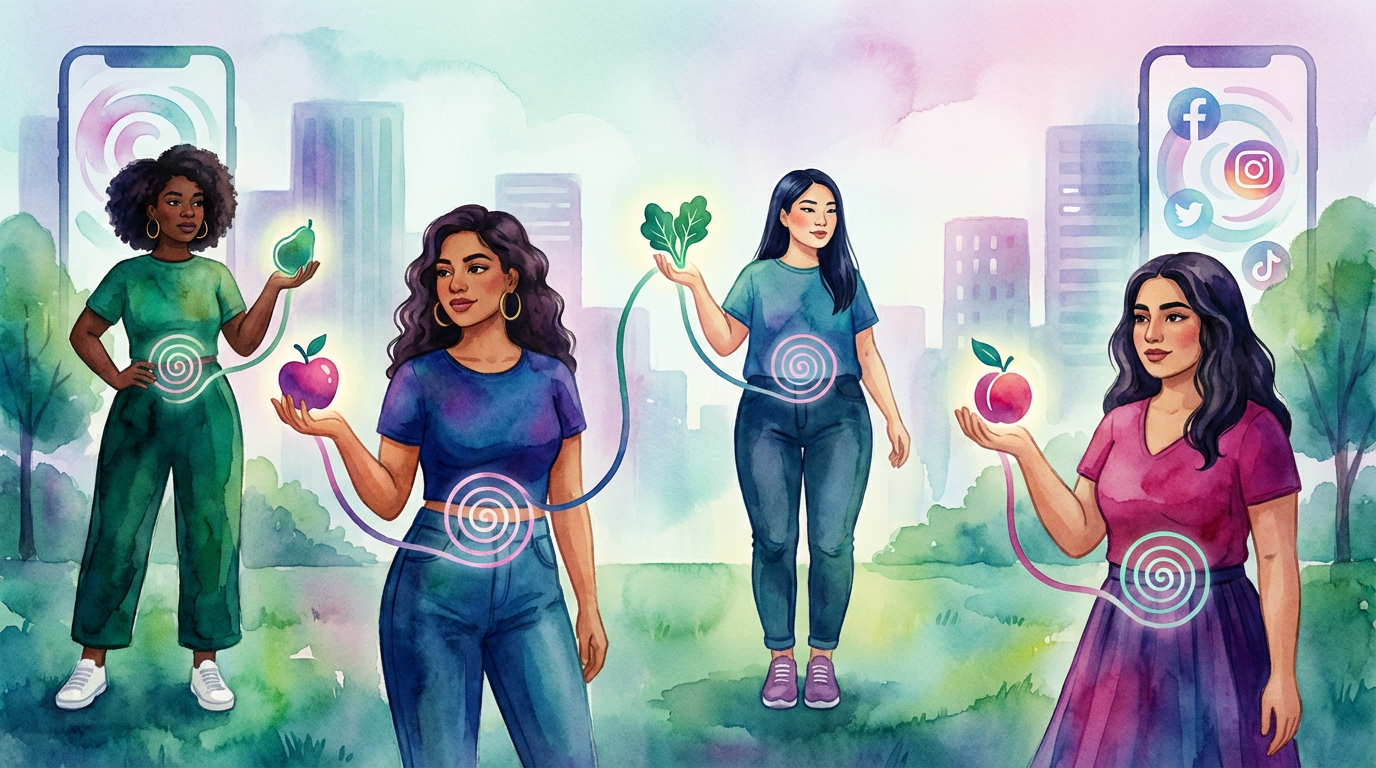
Yes, that viral TikTok trend linking your gut health to your hormonal woes isn't just social media hype – it's rooted in solid science. The intricate relationship between your gut microbiome and your endocrine (hormone) system is profoundly real, influencing everything from your menstrual cycle regularity and pesky PMS symptoms to your mood, energy levels, and even your skin. For young women navigating early adulthood, understanding this gut health hormones connection is a game-changer, offering actionable insights into optimizing well-being beyond just symptom management.
What Exactly is the Gut-Hormone Connection?
The gut hormone connection refers to the bidirectional communication and influence between your gut microbiome – the trillions of bacteria, fungi, and other microorganisms living in your digestive tract – and your body's hormones. Your gut doesn't just digest food; it's a bustling ecosystem that produces neurotransmitters, synthesizes vitamins, modulates your immune system, and, crucially, metabolizes and regulates hormones. When this delicate ecosystem is out of whack, it can send ripples through your entire endocrine system, leading to a cascade of hormonal imbalances.
How Does Your Gut Influence Your Hormones?
It's not just a casual acquaintance; your gut and hormones are practically BFFs. Here’s how they interact:
The Estrobolome: Your Gut's Role in Estrogen Balance
Let's talk about the estrobolome. No, it's not a new TikTok dance move, but it is super important for anyone with ovaries. The estrobolome is a collection of gut bacteria that produce an enzyme called beta-glucuronidase. This enzyme is a big deal because it deconjugates (or reactivates) estrogen that your liver has already processed and marked for excretion.
- •Optimal Estrobolome: When your estrobolome is healthy, it helps ensure excess estrogen is properly eliminated from your body. This keeps estrogen levels balanced, preventing symptoms associated with estrogen dominance, like heavy periods, fibroids, endometriosis, and even certain types of hormonal acne. Research, like studies published in Microbiome journal, highlights how specific gut microbiota influence estrogen metabolism, impacting conditions like polycystic ovary syndrome (PCOS) and breast cancer risk.
- •Dysbiotic Estrobolome: If your gut microbiome is imbalanced (a condition called dysbiosis), the estrobolome might be overactive or underactive. An overactive estrobolome can lead to too much estrogen being reabsorbed into circulation, leading to estrogen dominance. This can manifest as painful periods, bloating, mood swings, weight gain, and even increased risk for certain hormone-sensitive cancers. Conversely, an underactive estrobolome might hinder proper estrogen recirculation when needed.
Thyroid Hormones and Gut Health: A Two-Way Street
Your thyroid gland produces hormones that regulate metabolism, energy, and mood. Guess what helps it do its job? Your gut!
- •Conversion of Thyroid Hormones: A significant portion (around 20%) of inactive T4 thyroid hormone is converted into its active form, T3, in the gut. A healthy gut microbiome is essential for this conversion process. If your gut is unhealthy, this conversion can be impaired, potentially leading to symptoms of hypothyroidism even if your TSH levels appear normal.
- •Nutrient Absorption: Your thyroid needs specific nutrients like iodine, selenium, zinc, and tyrosine to function optimally. A compromised gut can lead to malabsorption of these vital nutrients, further impacting thyroid hormone production and function. Research in the Journal of Clinical Endocrinology & Metabolism has explored the links between gut dysbiosis and autoimmune thyroid conditions like Hashimoto's thyroiditis.
- •Immune Regulation: Many thyroid conditions, especially Hashimoto's, are autoimmune in nature. A significant portion of your immune system resides in your gut. An imbalanced gut can contribute to increased intestinal permeability (leaky gut), triggering systemic inflammation and autoimmune responses that can attack the thyroid gland.
Cortisol and the Stress Response: The Gut-Brain-Hormone Axis
Stress is a huge part of modern life, and your gut plays a starring role in how your body handles it. The gut-brain axis is a major communication highway between your gut and your brain.
- •Stress Hormone Production: Your gut microbes produce neurotransmitters like serotonin (around 90% is made in the gut!) and GABA, which influence mood and stress response. Chronic stress can negatively impact your gut microbiome, leading to dysbiosis. In turn, a dysbiotic gut can amplify your stress response, leading to higher cortisol levels.
- •Cortisol's Impact on the Gut: Elevated cortisol levels can weaken the gut lining, increase inflammation, and alter gut motility, creating a vicious cycle. This constant state of heightened stress hormones can throw off other hormones, including sex hormones, potentially leading to irregular cycles or exacerbating PMS symptoms. Studies in Psychoneuroendocrinology frequently explore this intricate dance.
Insulin Sensitivity and Metabolic Hormones
Your gut microbiome also influences your insulin sensitivity and overall metabolic health. An imbalanced gut can contribute to inflammation and insulin resistance, where your body's cells don't respond effectively to insulin. This can lead to elevated blood sugar, weight gain, and is a key factor in conditions like PCOS. Certain gut bacteria can produce short-chain fatty acids (SCFAs) like butyrate, which improve insulin sensitivity and support metabolic health.
Microbiome Periods: How Gut Health Impacts Your Cycle
This is where it gets super relevant for young women. The microbiome periods connection is undeniable. If your gut isn't happy, your period probably isn't either.
- •Irregular Cycles: As discussed, improper estrogen metabolism due to a dysfunctional estrobolome can lead to irregular ovulation or anovulation, causing unpredictable or absent periods.
- •PMS Severity: Hormonal fluctuations, particularly imbalances between estrogen and progesterone, are major contributors to PMS symptoms. A gut that isn't efficiently clearing excess estrogen can exacerbate these imbalances, leading to more intense mood swings, bloating, breast tenderness, and cramps.
- •Acne: Hormonal acne, especially around the jawline, often signals underlying hormonal imbalances. If your gut isn't properly detoxifying hormones, these excess hormones can trigger increased sebum production, leading to breakouts.
- •Fertility: Optimal hormone balance is fundamental for fertility. A healthy gut supports regular ovulation, proper uterine lining development, and overall reproductive health. Dysbiosis and associated inflammation can hinder conception.
Signs Your Gut Might Be Messing with Your Hormones
How do you know if your gut is the culprit behind your hormonal woes? Look out for these signs:
- •Digestive Issues: Bloating, gas, constipation, diarrhea, acid reflux (these are the most obvious signs of gut distress).
- •Persistent Skin Issues: Adult acne (especially cystic), eczema, or unexplained rashes.
- •Irregular or Painful Periods: Unpredictable cycles, heavy bleeding, severe cramps, or prolonged PMS.
- •Mood Swings & Anxiety: Feeling more irritable, anxious, or depressed than usual, especially around your cycle.
- •Fatigue: Chronic tiredness that isn't resolved by sleep.
- •Difficulty Losing Weight: Despite diet and exercise efforts.
- •Brain Fog: Difficulty concentrating or memory issues.
- •Hair Loss: Unexplained thinning or shedding.
Nurturing Your Gut for Hormonal Harmony: Actionable Steps
Okay, so the gut-hormone link is real. What can you actually do about it? Plenty! Here’s how to nourish your gut and bring your hormones back into balance:
1. Embrace a Fiber-Rich, Whole Foods Diet
This is your foundational step. Fiber is the ultimate food for your beneficial gut bacteria. It helps them thrive, produce beneficial compounds like short-chain fatty acids, and aids in the elimination of excess hormones.
- •Eat the Rainbow: Load up on diverse fruits, vegetables, and legumes. Aim for 25-35 grams of fiber daily.
- •Whole Grains: Opt for oats, quinoa, brown rice, and other whole grains instead of refined carbs.
- •Legumes: Lentils, chickpeas, and beans are fiber powerhouses.
- •Flaxseeds & Chia Seeds: These are particularly good for hormonal balance due to their phytoestrogens and soluble fiber, which help bind to and excrete excess estrogen.
2. Incorporate Fermented Foods
Fermented foods are natural sources of probiotics, introducing beneficial bacteria directly into your gut.
- •Yogurt & Kefir: Choose plain, unsweetened varieties with live active cultures.
- •Sauerkraut & Kimchi: These fermented vegetables are fantastic for gut diversity.
- •Kombucha: A fermented tea, but be mindful of sugar content.
- •Miso: A fermented soybean paste, great in soups.
3. Prioritize Protein and Healthy Fats
Protein provides amino acids essential for hormone production and detoxification. Healthy fats are crucial for cellular health and hormone synthesis.
- •Lean Proteins: Chicken, fish, tofu, tempeh, eggs, and legumes.
- •Healthy Fats: Avocados, nuts, seeds, olive oil, and fatty fish (like salmon, rich in Omega-3s, which are anti-inflammatory).
4. Stay Hydrated
Water is essential for digestion, nutrient absorption, and flushing out toxins and excess hormones. Aim for at least 8 glasses of water daily.
5. Manage Stress Effectively
Remember the gut-brain-hormone axis? Chronic stress wreaks havoc on your gut and hormones. Find what works for you:
- •Mindfulness & Meditation: Apps like Calm or Headspace can be great starting points.
- •Yoga & Deep Breathing: Simple techniques to calm your nervous system.
- •Regular Exercise: Helps reduce cortisol and boosts mood.
- •Adequate Sleep: Aim for 7-9 hours of quality sleep per night.
6. Limit Gut Irritants
Some foods and substances can inflame the gut and disrupt the microbiome.
- •Processed Foods & Sugary Drinks: High in unhealthy fats, sugar, and artificial ingredients.
- •Excessive Alcohol: Can damage the gut lining.
- •Artificial Sweeteners: Some studies suggest they can negatively impact gut bacteria.
- •Unnecessary Antibiotics: While sometimes necessary, they wipe out good bacteria along with the bad. Discuss with your doctor.
7. Consider Targeted Supplements (Under Guidance)
While food should always be your first line of defense, certain supplements can support gut and hormonal health. Always consult with a healthcare professional before starting any new supplement regime.
- •Probiotics: Specific strains can target different issues (e.g., Lactobacillus and Bifidobacterium species).
- •Prebiotics: FOS (fructooligosaccharides) or GOS (galactooligosaccharides) feed beneficial bacteria.
- •Digestive Enzymes: Can help improve nutrient absorption, especially if you have digestive issues.
- •Omega-3 Fatty Acids: Anti-inflammatory and beneficial for overall hormonal health.
- •Magnesium: Helps with stress, sleep, and muscle relaxation (including uterine muscles).
The Long Game: Consistency is Key
Transforming your gut and balancing your hormones isn't an overnight fix. It requires consistency, patience, and a holistic approach. Think of it as a lifestyle change, not a temporary diet. By prioritizing your gut health, you're investing in a future of more balanced hormones, fewer period woes, clearer skin, better mood, and overall vibrant health. Your body will thank you, and yes, your TikTok feed was right this time.
Key Takeaways
- •The gut microbiome plays a critical role in metabolizing, regulating, and detoxifying hormones, especially estrogen through the estrobolome.
- •Gut dysbiosis can lead to hormonal imbalances, contributing to issues like irregular periods, PMS, acne, and thyroid dysfunction.
- •A fiber-rich diet, fermented foods, stress management, and adequate sleep are foundational for supporting both gut and hormonal health.
- •Identifying and addressing gut issues can significantly improve hormonal symptoms and overall well-being in young women.
Frequently Asked Questions
Q1: Can an unhealthy gut cause irregular periods?
A1: Yes, absolutely. An unhealthy gut, particularly an imbalanced estrobolome, can impair the proper metabolism and excretion of estrogen. This can lead to estrogen dominance or other hormonal imbalances that directly disrupt ovulation and menstrual cycle regularity, causing irregular or absent periods.
Q2: How long does it take to improve gut health for hormonal balance?
A2: The timeline varies for everyone, but significant improvements in gut health can often be noticed within a few weeks to a few months of consistent dietary and lifestyle changes. Hormonal balance may take longer, typically 3-6 months, as the body adjusts and rebalances. Consistency is key.
Q3: What foods are best for gut health and hormones?
A3: Focus on a diverse, whole-foods diet rich in fiber. Key foods include a wide variety of fruits and vegetables (especially leafy greens, berries, and cruciferous veggies), legumes, whole grains, fermented foods (kefir, sauerkraut, kimchi), and healthy fats (avocado, olive oil, nuts, seeds, fatty fish). Flaxseeds are particularly beneficial for estrogen balance.
Q4: Can probiotics help with hormonal acne?
A4: Probiotics can indirectly help with hormonal acne by improving gut health. A balanced gut aids in the proper detoxification of hormones, reduces systemic inflammation, and supports a healthy immune response, all of which can contribute to clearer skin. However, they are often part of a broader approach, not a standalone cure.
Q5: Is there a link between gut health and PCOS (Polycystic Ovary Syndrome)?
A5: Yes, there's a strong emerging link. Women with PCOS often exhibit gut dysbiosis, which can exacerbate insulin resistance, inflammation, and androgen excess – all hallmarks of PCOS. Improving gut health through diet and lifestyle can be a crucial component in managing PCOS symptoms and improving hormonal balance.
Q6: How does stress impact my gut and hormones?
A6: Stress has a profound impact. Chronic stress elevates cortisol, which can compromise the gut lining (leading to 'leaky gut'), alter the gut microbiome composition, and impair digestion. This gut dysfunction, in turn, can further amplify the stress response and disrupt the delicate balance of sex hormones, thyroid hormones, and insulin.
Q7: Should I take a hormone test if I suspect gut-related hormonal issues?
A7: While lifestyle changes are a great starting point, if you suspect significant hormonal imbalances or have persistent symptoms, consulting a healthcare provider is recommended. They may suggest specific hormone tests (e.g., blood, saliva, or urine tests) to get a clearer picture of your hormonal status and guide a more personalized treatment plan.
Start Your Wellness Journey Today
Ready to track your cycle, fertility, pregnancy, or menopause journey? Download PERIODiQ - your iQ-powered wellness companion designed for every stage of your health journey.
Get PERIODiQ Free: https://periodiq.app
Your Wellness Journey Starts Here
Download PERIODiQ
Scan the QR code or tap the link to get started with your personalized health tracking.
periodiq.app • iOS & Android
Cite this article
PERIODiQ Editorial Team (2026). "Gut Health & Hormones: The TikTok Trend That's Actually Real." PERIODiQ. https://periodiq.app/library/gut-health-hormones-the-tiktok-trend-that-s-actually-real
"Gut Health & Hormones: The TikTok Trend That's Actually Real." PERIODiQ, 2026, https://periodiq.app/library/gut-health-hormones-the-tiktok-trend-that-s-actually-real.
Send this to a friend — PERIODiQ is free for them too. No card. No paywall.
Loved this? Save articles, track your cycle, and unlock meditations — free forever.
Disclaimer: PERIODiQ™ offers general wellness information only. It does not provide medical advice, diagnosis, or treatment. Always speak with a licensed health professional about your health.