
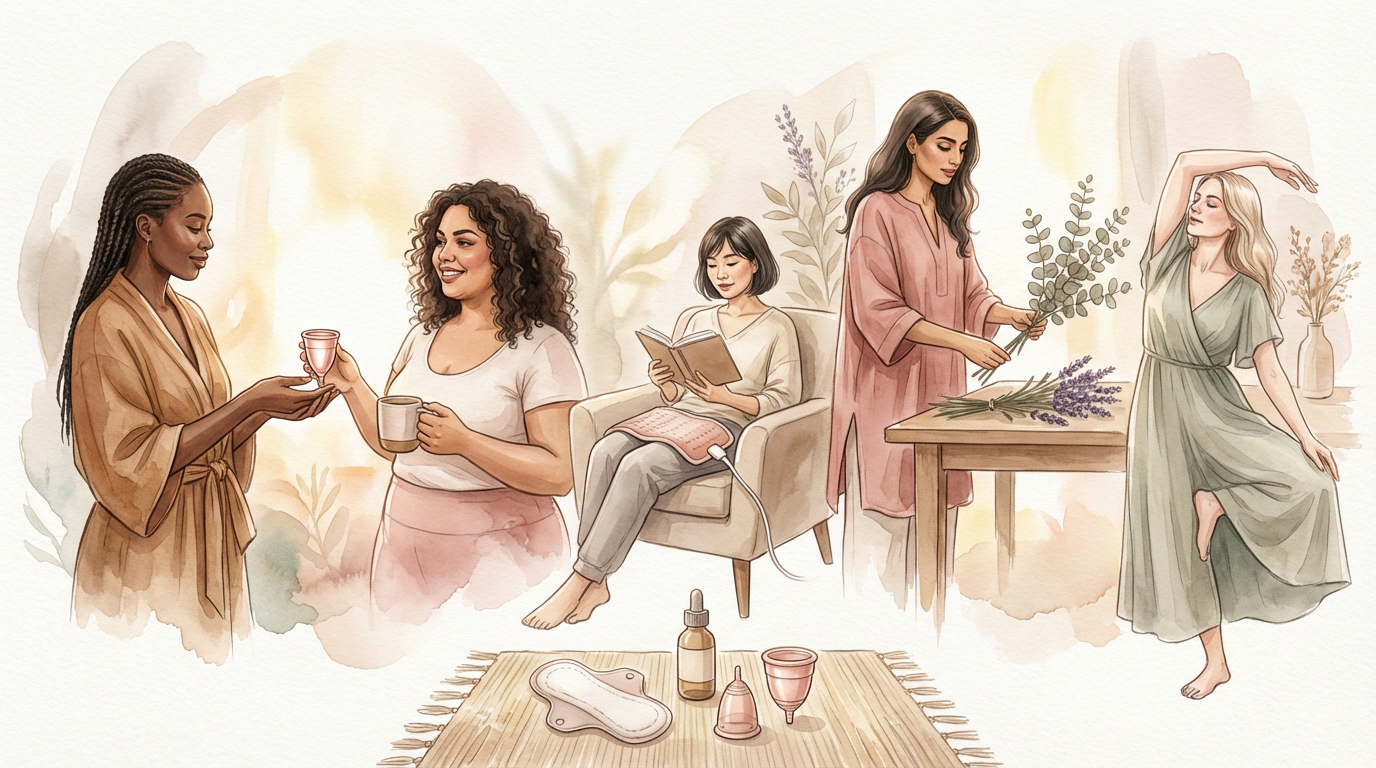
Gender-Affirming Period Care: Inclusive Products & Practices
Gender-affirming period care supports individuals who menstruate, including trans men, non-binary, and gender non-conforming people, by offering inclusive products and practices that respect their gender identity. This approach acknowledges that menstruation is not exclusive to cisgender women and aims to reduce gender dysphoria often associated with periods. It encompasses choosing discreet products, using inclusive language, and fostering supportive environments.
Listen to this article
~13 min listen
Click play to generate audio narration with a calming voice
TL;DR Summary
- •Gender-affirming period care focuses on inclusive products and practices for all menstruators, including trans men, non-binary, and gender non-conforming individuals.
- •It aims to reduce gender dysphoria by offering discreet product options and promoting inclusive language around menstruation.
- •Key strategies include selecting products that align with personal comfort and identity, advocating for gender-neutral facilities, and fostering supportive healthcare environments.
Introduction: What is Gender-Affirming Period Care?
Gender-affirming period care refers to an approach that acknowledges and respects the diverse gender identities of individuals who menstruate. This includes cisgender women, but critically extends to trans men, non-binary individuals, and gender non-conforming people who experience periods. The core principle is to provide support, products, and practices that align with an individual's gender identity, thereby minimizing gender dysphoria and fostering a sense of comfort and affirmation during menstruation. This involves a shift from traditionally gendered language and marketing to more inclusive terminology and product design, ensuring that all menstruators feel seen, validated, and adequately supported in managing their menstrual health. Understanding and implementing gender-affirming care is crucial for creating truly inclusive wellness spaces and healthcare systems.
Why is Gender-Affirming Period Care Essential?
For many transgender men, non-binary, and gender non-conforming individuals, menstruation can be a significant source of gender dysphoria. Gender dysphoria is the distress a person feels due to a mismatch between their biological sex and their gender identity. When a trans man, for example, experiences a period, it can be a stark reminder of biological characteristics that do not align with his male identity, leading to feelings of anxiety, depression, and detachment. Traditional period product marketing and societal narratives almost exclusively target cisgender women, which further alienates and invalidates the experiences of other menstruators. Inclusive menstruation practices are vital because they:
- •Reduce Gender Dysphoria: By offering discreet products, using gender-neutral language, and providing supportive environments, the distress associated with menstruation can be significantly lessened.
- •Promote Mental Well-being: Feeling affirmed and respected in one's identity contributes positively to overall mental health, reducing feelings of isolation and shame.
- •Ensure Equitable Access to Care: Everyone who menstruates deserves access to appropriate products and information without feeling marginalized or misgendered.
- •Foster Inclusivity: It creates a more welcoming and understanding society where diverse experiences are recognized and valued.
Research consistently highlights the mental health challenges faced by transgender and gender non-conforming individuals, with gender dysphoria playing a significant role. Providing gender-affirming care in all aspects of health, including menstrual health, is a critical step towards mitigating these challenges and promoting overall well-being.
What are Inclusive Menstruation Products for Trans People?
Choosing the right trans period products is a highly personal decision, influenced by factors such as comfort, lifestyle, and the desire for discretion. The market is slowly evolving to offer more options that cater to diverse needs, moving beyond the traditional pink and flowery packaging. Here are several categories of products, along with considerations for gender-affirming care:
1. External Products: Pads and Liners
Description: Pads and pantyliners are absorbent materials with an adhesive backing that attach to underwear. They come in various sizes, absorbencies, and shapes.
Gender-Affirming Considerations:
- •Discreet Packaging: Many brands are now offering more minimalist, gender-neutral packaging that doesn't overtly feminize the product. Look for brands that prioritize functionality over aesthetics.
- •Comfort and Fit: Some individuals prefer thinner, less bulky pads for a less noticeable feel. Organic cotton options can also be beneficial for skin sensitivity.
- •Accessibility: Pads are generally easy to use and widely available, making them a practical choice for many.
2. Internal Products: Tampons and Menstrual Cups/Discs
Description: Tampons are inserted into the vagina to absorb menstrual flow, while menstrual cups and discs are reusable devices that collect blood internally.
Gender-Affirming Considerations:
- •Discretion: Internal products can offer a high degree of discretion, as they are not visible externally, which can be particularly helpful in reducing dysphoria for some individuals. They also allow for activities like swimming without worry.
- •Menstrual Cups/Discs: These reusable options can be empowering for some, offering a sustainable choice and potentially a longer wear time than tampons, reducing the frequency of changes. Learning to insert and remove them may take practice, but many find the long-term benefits worthwhile.
- •Comfort: For individuals who experience discomfort with internal insertion due to dysphoria or physical reasons, these might not be the preferred choice. It's important to prioritize personal comfort and ease of use.
3. Period Underwear
Description: Period underwear is designed with built-in absorbent layers to absorb menstrual flow, either as a standalone product or as a backup to other methods.
Gender-Affirming Considerations:
- •Discretion and Comfort: Modern period underwear comes in various styles, including boxer briefs and other gender-neutral cuts, which can be highly affirming for trans men and non-binary individuals. They look and feel like regular underwear.
- •Sustainability: Reusable and washable, period underwear is an eco-friendly choice.
- •Security: Provides a sense of security against leaks, which can reduce anxiety associated with having a period in public.
4. Reusable Cloth Pads
Description: Similar to disposable pads but made from fabric, these are washable and reusable.
Gender-Affirming Considerations:
- •Environmental Impact: A sustainable option that reduces waste.
- •Comfort: Often made from soft, breathable fabrics, which can be comfortable against the skin.
- •Discretion: While they are external, their fabric construction can feel less 'clinical' than disposable pads for some.
5. Period Suppressants and Hormonal Therapy
Description: For some individuals, particularly trans men on testosterone, hormonal therapy can suppress or stop menstruation entirely. Other medical options, such as certain birth control methods (e.g., progestin-only pills, IUDs), can also reduce or eliminate periods.
Gender-Affirming Considerations:
- •Elimination of Periods: For many, stopping menstruation altogether is the ultimate form of gender-affirming care, as it removes the physical experience that causes significant dysphoria.
- •Medical Consultation: This option requires consultation with a healthcare provider to discuss potential side effects, suitability, and ongoing management. It's a significant medical decision.
- •Patience: It may take time for hormonal therapies to fully suppress periods, and some individuals may still experience spotting.
Key takeaway for product selection: The most gender-affirming product is the one that makes the individual feel most comfortable, safe, and aligned with their identity. It's about personal choice and access to a range of options.
How Can We Create Inclusive Environments for Gender-Affirming Periods?
Creating truly inclusive menstruation environments goes beyond product choice; it involves systemic changes in language, facilities, and social norms. Here's how we can foster supportive spaces:
1. Use Inclusive Language
- •Shift from 'Women's Health' to 'Menstrual Health' or 'Reproductive Health': Instead of saying "women's hygiene products," opt for "menstrual products" or "period supplies." This acknowledges that not all people who menstruate are women.
- •Avoid Gendered Terms: Replace phrases like "feminine hygiene" with neutral alternatives. When discussing periods, use terms like "people who menstruate," "menstruators," or simply "individuals" rather than exclusively "women."
- •Educate Others: Gently correct misgendering or exclusive language when you hear it, helping to raise awareness and shift societal norms.
2. Advocate for Gender-Neutral Facilities
- •Restrooms: Ensure that all restrooms, including gender-neutral ones, are stocked with a variety of free menstrual products. This signals that all individuals who might need them are welcome and considered.
- •Changing Rooms/Locker Rooms: Promote policies that allow individuals to use facilities aligning with their gender identity, and ensure privacy is maintained for everyone.
3. Update Educational Materials and Healthcare Practices
- •Comprehensive Sex Education: Integrate gender-affirming education into sex education curricula, teaching that not everyone who menstruates is a girl or woman, and not all girls or women menstruate.
- •Healthcare Provider Training: Train healthcare professionals on gender-affirming care, including using preferred names and pronouns, understanding dysphoria related to menstruation, and offering appropriate medical interventions if desired (e.g., period suppression).
- •Patient Intake Forms: Ensure forms allow for inclusive gender identity and pronoun options, and inquire about menstrual health in a non-gendered way.
4. Foster Supportive Communities
- •Open Dialogue: Encourage open and respectful conversations about menstruation that include diverse experiences. Breaking down stigma benefits everyone.
- •Peer Support: Create or promote support networks for trans and non-binary individuals to share experiences and coping strategies for managing dysphoria related to periods.
- •Visibility: Support and amplify the voices of trans and non-binary menstruators in media, advertising, and public health campaigns.
5. Workplace and School Policies
- •Access to Menstrual Products: Ensure free and accessible menstrual products are available in all bathrooms, not just those designated for women.
- •Flexible Leave Policies: Recognize that period-related discomfort or dysphoria can impact work or school attendance and offer flexible accommodations.
- •Training for Staff/Teachers: Educate staff and teachers on gender-affirming practices and how to support students who menstruate, regardless of their gender identity.
The Role of Healthcare Providers in Gender-Affirming Period Care
Healthcare providers play a pivotal role in ensuring that gender-affirming periods are a reality for all menstruators. Their approach can significantly impact an individual's comfort, health, and sense of validation. Key responsibilities include:
- •Using Affirming Language: Always use a patient's affirmed name and pronouns. This simple act of respect builds trust and reduces dysphoria.
- •Taking a Comprehensive History: Ask about menstrual experiences in a sensitive and non-gendered manner. For trans men, this might involve asking about current experiences with menstruation, past menstrual patterns, and any discomfort or dysphoria it causes.
- •Discussing Period Suppression Options: For trans men and non-binary individuals who experience significant dysphoria from menstruation, discussing options like hormonal birth control or testosterone therapy to suppress periods is crucial. Providers should outline the benefits, risks, and expected timelines.
- •Addressing Dysphoria Directly: Acknowledge and validate the patient's feelings of dysphoria related to menstruation. Provide resources for mental health support if needed.
- •Routine Screenings: Ensure that individuals who retain reproductive organs (e.g., uterus, ovaries) continue to receive appropriate screenings, such as Pap smears, even if they are on testosterone or identify as male. These screenings should be conducted in a gender-affirming manner.
- •Educating Patients: Provide clear, inclusive information about menstrual health, product options, and managing symptoms in a way that respects their gender identity.
- •Creating a Welcoming Environment: Ensure clinic waiting rooms, forms, and educational materials are inclusive and reflect diverse gender identities.
By adopting these practices, healthcare providers can transform the experience of managing menstrual health for trans and non-binary individuals, moving from a source of distress to an aspect of health that is managed with dignity and respect.
Navigating Periods While on Testosterone Therapy
For trans men, starting testosterone therapy often leads to the suppression or cessation of periods, which is a highly desired outcome for many. However, the process is not always immediate or predictable, and understanding what to expect is important:
- •Gradual Cessation: Periods typically become lighter and less frequent before stopping entirely. This can take several months, and some individuals may experience intermittent spotting even after their periods have seemingly stopped.
- •Individual Variation: The time it takes for periods to stop, and if they stop at all, varies greatly among individuals. Factors like dosage, administration method, and individual physiology play a role.
- •Continued Spotting/Bleeding: If periods or spotting persist for an extended period (e.g., over a year) on a consistent testosterone dose, it's important to consult with a healthcare provider. This could indicate that the testosterone dose needs adjustment or that there's another underlying issue.
- •Managing Dysphoria During Transition: While waiting for periods to cease, individuals may continue to experience dysphoria. Utilizing discreet trans period products and employing coping strategies can be helpful. This is where the range of gender-affirming products discussed earlier becomes particularly relevant.
- •Fertility Considerations: Testosterone therapy can impact fertility. Individuals considering future fertility should discuss options like egg freezing with their healthcare provider before starting or continuing testosterone.
It's crucial for individuals on testosterone to maintain open communication with their healthcare team to manage expectations, address concerns, and ensure their overall health is being monitored.
Key Takeaways
- •Inclusivity is Paramount: Gender-affirming period care acknowledges and supports all menstruators, including trans men, non-binary, and gender non-conforming individuals.
- •Reduce Dysphoria: The primary goal is to minimize gender dysphoria associated with menstruation through inclusive language, products, and environments.
- •Diverse Product Options: A range of trans period products exists, from discreet external pads and period underwear to internal options like cups/tampons and medical period suppression, allowing for personal choice.
- •Language Matters: Shifting to gender-neutral language (e.g., "menstruators," "menstrual products") is fundamental for creating affirming spaces.
- •Systemic Support: Inclusive facilities (gender-neutral restrooms with supplies), educated healthcare providers, and supportive policies in schools and workplaces are crucial.
- •Healthcare Provider Role: Providers must offer affirming care, discuss period suppression, and ensure appropriate screenings are conducted respectfully.
Frequently Asked Questions
Q1: What does "gender-affirming period care" actually mean?
A1: Gender-affirming period care means providing support, products, and practices for individuals who menstruate in a way that respects and validates their gender identity, reducing dysphoria and promoting comfort. It acknowledges that menstruation is not exclusive to cisgender women and includes trans men, non-binary, and gender non-conforming individuals.
Q2: Why is inclusive language important when talking about periods?
A2: Inclusive language, such as using "menstruators" instead of exclusively "women" or "people who menstruate," is crucial because it acknowledges the diverse gender identities of individuals who experience periods. This helps reduce gender dysphoria, creates a more welcoming environment, and prevents the alienation of trans men and non-binary individuals.
Q3: What are some examples of gender-affirming period products?
A3: Gender-affirming period products include discreetly packaged pads and liners, menstrual cups and discs for internal wear, and period underwear (especially in gender-neutral styles like boxer briefs). For some, medical options like hormonal birth control or testosterone therapy to suppress periods are also considered gender-affirming.
Q4: How can healthcare providers offer gender-affirming period care?
A4: Healthcare providers can offer gender-affirming care by using a patient's affirmed name and pronouns, discussing period suppression options, conducting screenings (like Pap smears) respectfully, educating patients with inclusive language, and creating a welcoming clinical environment that acknowledges diverse gender identities.
Q5: Can trans men still get periods while on testosterone?
A5: Yes, trans men can still experience periods or spotting while on testosterone, especially in the initial months of therapy. While testosterone often suppresses or stops menstruation, the process can be gradual, and individual responses vary. Persistent bleeding should be discussed with a healthcare provider.
Q6: How can I advocate for more inclusive menstruation practices in my community or workplace?
A6: You can advocate by using inclusive language yourself, requesting that public restrooms (including gender-neutral ones) stock free menstrual products, raising awareness about gender-affirming period care, and supporting organizations that promote LGBTQ+ inclusive health policies. Educating others gently and respectfully is also key.
Q7: Are there specific period products designed only for trans men?
A7: While there aren't many products marketed exclusively for trans men, many existing products can be gender-affirming based on their design, discretion, and packaging. Period underwear in boxer brief styles, certain menstrual cups/discs, and brands with minimalist, gender-neutral packaging are often preferred choices for their ability to reduce dysphoria and offer comfort regardless of gender identity.
Start Your Wellness Journey Today
Ready to track your cycle, fertility, pregnancy, or menopause journey? Download PERIODiQ - your iQ-powered wellness companion designed for every stage of your health journey.
Get PERIODiQ Free: https://periodiq.app
Your Wellness Journey Starts Here
Download PERIODiQ
Scan the QR code or tap the link to get started with your personalized health tracking.
periodiq.app • iOS & Android
Cite this article
PERIODiQ Editorial Team (2026). "Gender-Affirming Period Care: Inclusive Products & Practices." PERIODiQ. https://periodiq.app/library/gender-affirming-period-care-inclusive-products-practices
"Gender-Affirming Period Care: Inclusive Products & Practices." PERIODiQ, 2026, https://periodiq.app/library/gender-affirming-period-care-inclusive-products-practices.
Send this to a friend — PERIODiQ is free for them too. No card. No paywall.
Loved this? Save articles, track your cycle, and unlock meditations — free forever.
Disclaimer: PERIODiQ™ offers general wellness information only. It does not provide medical advice, diagnosis, or treatment. Always speak with a licensed health professional about your health.