
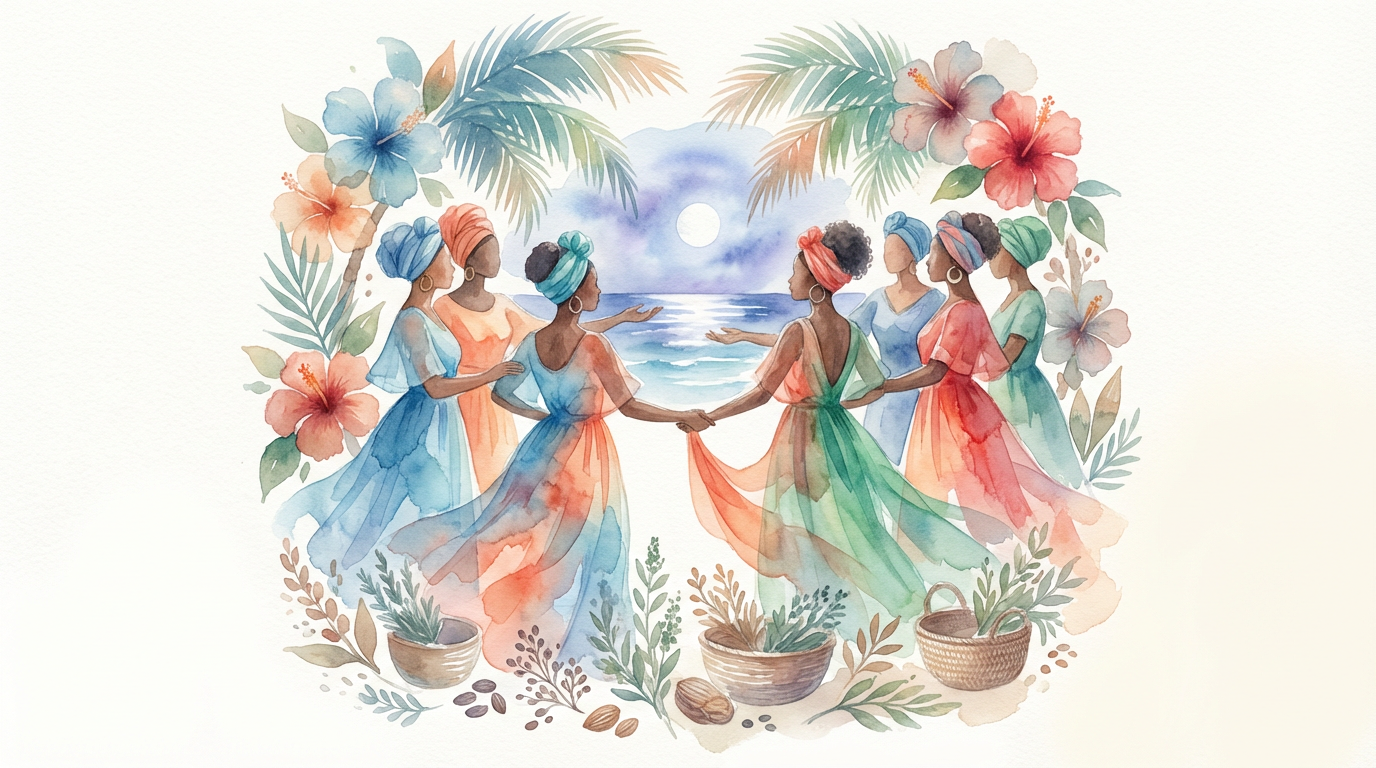
Fertility Traditions in the Caribbean: Island Wisdom for Conception
Caribbean fertility traditions encompass a rich tapestry of ancestral practices, herbal remedies, and spiritual beliefs aimed at supporting conception. These time-honored methods offer a holistic approach to reproductive wellness, often passed down through generations.
Listen to this article
~17 min listen
Click play to generate audio narration with a calming voice
TL;DR Summary
- •Caribbean fertility traditions blend indigenous knowledge, African spiritual practices, and European influences to support conception.
- •Key elements include specific herbal remedies (e.g., cerasee, sarsaparilla), dietary practices, spiritual rituals, and community support.
- •These traditions emphasize holistic well-being, addressing physical, emotional, and spiritual aspects of fertility.
Introduction
Caribbean fertility traditions are a vibrant mosaic of ancestral practices, herbal remedies, and deeply rooted spiritual beliefs designed to support conception and promote reproductive wellness. These time-honored methods offer a holistic approach to fertility, often passed down through generations, reflecting the rich cultural heritage of the islands. For many women and couples navigating the path to parenthood, these traditions provide not only practical guidance but also a profound sense of community, hope, and connection to their heritage.
What Are the Roots of Caribbean Fertility Traditions?
The roots of Caribbean fertility traditions are deeply intertwined with the region's complex history, drawing from a rich confluence of indigenous Arawak and Carib practices, West African spiritual and medicinal knowledge brought by enslaved peoples, and European influences. This unique blend has created a distinctive approach to fertility that emphasizes the interconnectedness of body, mind, and spirit. Traditional healers, often known as 'bush doctors,' 'obeah women,' or 'granny midwives,' have historically served as custodians of this knowledge, utilizing their understanding of local flora, spiritual rituals, and community dynamics to assist individuals and couples striving for conception. These traditions are not merely superstitions; they represent centuries of empirical observation, cultural adaptation, and a deep respect for the natural world.
How Do Herbal Remedies Support Fertility in the Caribbean?
Herbal remedies play a central and indispensable role in Caribbean fertility traditions, with specific plants revered for their purported abilities to enhance reproductive health, balance hormones, and prepare the body for pregnancy. These botanical allies are often used in teas, tonics, baths, or poultices, tailored to individual needs and specific stages of the fertility journey. The efficacy of these herbs is often attributed to their rich phytochemical content, which may include compounds with anti-inflammatory, antioxidant, hormone-modulating, or uterine-toning properties. It's crucial to approach the use of these remedies with respect and, ideally, under the guidance of an experienced traditional practitioner, as some powerful herbs can have significant physiological effects.
Which Specific Herbs Are Used for Fertility?
Several specific herbs are commonly cited in Caribbean fertility practices, each with its unique traditional application:
- •
Cerasee (Momordica charantia): Widely known for its bitter taste, cerasee is a popular detoxifying herb across the Caribbean. In fertility contexts, it's often used to cleanse the womb and balance blood sugar, which can be beneficial for conditions like Polycystic Ovary Syndrome (PCOS) that impact fertility. It's believed to purify the body, creating a more hospitable environment for conception. Traditional preparation involves brewing the leaves and stems into a tea.
- •
Sarsaparilla (Smilax spp.): This root is highly valued for its blood-purifying properties and is believed to enhance libido and reproductive vitality in both men and women. It's thought to improve blood flow to the reproductive organs and support hormonal balance. Sarsaparilla is often consumed as a tonic or tea, sometimes combined with other herbs to create potent fertility blends.
- •
Guinea Hen Weed (Petiveria alliacea): While often used for its immune-boosting and anti-inflammatory properties, guinea hen weed is also traditionally employed to cleanse the reproductive system and address various gynecological issues that might impede conception. Its strong properties mean it's typically used in smaller doses and for shorter durations.
- •
Fever Grass / Lemongrass (Cymbopogon citratus): Beyond its calming and digestive benefits, lemongrass is sometimes used to reduce stress and inflammation, factors that can negatively impact fertility. A relaxed body and mind are considered crucial for optimal reproductive function.
- •
Strong Back (Desmodium adscendens): As its name suggests, 'strong back' is traditionally used to strengthen the body, including the reproductive organs. It's believed to improve uterine health and overall vitality, preparing the body for the demands of pregnancy.
- •
Aloe Vera (Aloe barbadensis miller): While more commonly known for skin care and digestive health, fresh aloe vera juice is sometimes used internally to cleanse the digestive tract and reduce inflammation, indirectly supporting overall health and potentially fertility.
- •
Irish Moss (Chondrus crispus): This sea moss is rich in minerals and is often consumed as a nutritional tonic. It's believed to boost overall health, energy, and vitality, creating a strong foundation for conception and a healthy pregnancy. Its high iodine content can also support thyroid function, which is critical for fertility.
What Role Do Dietary Practices Play in Caribbean Fertility?
Dietary practices are integral to Caribbean fertility traditions, emphasizing nourishing the body with whole, unprocessed foods believed to enhance reproductive health and vitality. The philosophy is often rooted in the understanding that a healthy body, fueled by natural foods, is better equipped to conceive and sustain a pregnancy. This involves not only consuming specific foods but also avoiding others that are thought to be detrimental.
What Foods Are Emphasized or Avoided?
- •
Emphasis on Fresh, Local Produce: Caribbean diets traditionally prioritize fresh fruits, vegetables, and ground provisions (root crops like yam, dasheen, sweet potato, and cassava). These foods are rich in vitamins, minerals, and antioxidants, all crucial for reproductive health. For instance, leafy greens provide folate, vital for preventing neural tube defects, and colorful fruits offer antioxidants that protect egg and sperm quality.
- •
Seafood and Lean Proteins: Given the island geography, fresh fish and seafood are often staples, providing omega-3 fatty acids, which are important for hormonal balance and overall reproductive function. Lean meats, poultry, and legumes also contribute essential proteins and iron.
- •
Herbal Teas and Tonics: Beyond specific medicinal herbs, daily consumption of teas made from common plants like ginger, mint, or sorrel (hibiscus) is encouraged for their general health benefits, including reducing inflammation and supporting digestion.
- •
Avoiding Processed Foods and Sugars: Traditional Caribbean diets naturally shunned highly processed foods, excessive sugars, and unhealthy fats, which are now known to contribute to inflammation and hormonal imbalances that can negatively affect fertility. Adherence to these traditional dietary patterns naturally reduces exposure to such fertility-impeding factors.
How Do Spiritual and Ritualistic Practices Influence Fertility?
Spiritual and ritualistic practices form a profound layer within Caribbean fertility traditions, acknowledging that conception is not solely a physical process but also a spiritual and emotional one. These practices aim to invoke divine favor, clear spiritual blockages, and foster a peaceful, hopeful mindset conducive to welcoming new life. They often blend elements of Christianity, African spiritual systems (like Vodou, Santería, or Obeah, depending on the island), and indigenous beliefs, reflecting the syncretic nature of Caribbean cultures.
What Rituals and Beliefs Are Common?
- •
Prayers and Offerings: Prayer is a cornerstone, often directed at specific saints, deities, or ancestral spirits believed to have influence over fertility and childbirth. Offerings, which can range from food and flowers to candles and specific symbolic items, are made to seek blessings and express gratitude.
- •
Cleansing Rituals: Spiritual cleansing baths or ceremonies are performed to remove negative energies, bad luck, or spiritual obstacles believed to be hindering conception. These often involve specific herbs, blessed water, and incantations.
- •
Consulting Spiritual Healers: Individuals and couples may seek guidance from spiritual healers, who can interpret dreams, perform divinations, and prescribe specific spiritual remedies or rituals to address perceived fertility issues.
- •
Symbolic Gestures and Charms: The use of specific charms, amulets, or symbolic gestures (e.g., carrying certain stones, planting specific trees) is common, intended to attract fertility and protect the prospective mother and child.
- •
Community and Family Support: The collective prayers and moral support of family and community are considered vital. The shared belief and positive energy from loved ones are thought to create a supportive spiritual environment for conception.
What Is the Role of Community and Social Support?
Community and social support are fundamental pillars of Caribbean fertility traditions, recognizing that the journey to parenthood is rarely a solitary one. In many Caribbean societies, family and community ties are incredibly strong, and the desire for children is often a shared aspiration. This collective approach provides emotional resilience, practical assistance, and a sense of belonging that can be profoundly comforting for those facing fertility challenges.
How Do Communities Support Fertility Journeys?
- •
Shared Knowledge and Guidance: Older women, grandmothers, and experienced mothers often serve as informal mentors, sharing traditional knowledge, herbal remedies, and personal experiences with younger women. This intergenerational transfer of wisdom is crucial.
- •
Emotional Support Networks: Couples struggling with infertility are often enveloped by a supportive network of family and friends who offer empathy, encouragement, and understanding. This reduces feelings of isolation and shame, which can sometimes accompany fertility struggles.
- •
Collective Prayer and Rituals: As mentioned, community members may participate in collective prayers or rituals on behalf of a couple trying to conceive, reinforcing the spiritual aspect of their journey and providing a sense of shared hope.
- •
Practical Assistance: In some cases, community members might offer practical help, such as assisting with the preparation of herbal remedies or providing childcare for existing children while a couple focuses on their fertility journey.
- •
Reduced Stigma: While societal pressures to have children exist, the communal approach can sometimes help mitigate the intense personal stigma often associated with infertility by framing it as a challenge the community collectively addresses.
Are There Cautions or Modern Integrations to Consider?
While Caribbean fertility traditions offer rich cultural insights and potential benefits, it's essential to approach them with caution and an understanding of modern medical science. Many traditional practices have not undergone rigorous scientific testing, and some herbal remedies can interact with medications or have contraindications. The integration of traditional wisdom with contemporary medical care offers a balanced approach for those seeking to conceive.
What Are the Cautions and How Can Traditions Integrate with Modern Medicine?
- •
Consult Medical Professionals: It is paramount for individuals and couples to consult with qualified medical professionals (fertility specialists, gynecologists) to understand the underlying causes of fertility challenges. This ensures that any serious medical conditions are identified and addressed appropriately.
- •
Herb-Drug Interactions: Many potent herbs can interact with prescription medications, including fertility drugs, hormonal therapies, or even common over-the-counter drugs. It is crucial to inform all healthcare providers about any herbal remedies being used.
- •
Dosage and Purity: Unlike standardized pharmaceutical products, the potency and purity of herbal remedies can vary significantly. Incorrect dosages can be ineffective or even harmful. Sourcing herbs from reputable, knowledgeable practitioners is important.
- •
Lack of Scientific Evidence (for some practices): While anecdotal evidence and centuries of use support many traditional practices, not all have been scientifically validated for efficacy or safety in modern terms. This doesn't negate their cultural value but highlights the need for informed decision-making.
- •
Holistic Integration: The most effective approach for many may be to integrate the holistic, supportive aspects of Caribbean traditions (dietary changes, stress reduction, community support, spiritual practices) with evidence-based medical fertility treatments. For example, using acupuncture alongside IVF, or adopting a nutrient-rich diet while undergoing fertility investigations.
- •
Open Communication: Maintaining open communication between traditional healers and medical doctors, where possible, can help ensure a comprehensive and safe approach to fertility care. Patients should feel empowered to discuss all aspects of their fertility journey with all their providers.
Benefits by Life Stage
Caribbean fertility traditions, with their holistic emphasis, can offer benefits across various stages of a woman's reproductive life, though their primary focus is often on conception.
Menstrual Health (Periods, Cramps, PMS)
While primarily focused on fertility, many herbs and dietary practices within Caribbean traditions indirectly support menstrual health. For instance, cerasee, used for cleansing, can help regulate cycles and reduce inflammation, potentially easing cramps. Herbal teas like ginger or lemongrass are known for their anti-inflammatory and calming properties, which can alleviate PMS symptoms and menstrual discomfort. A balanced, nutrient-rich diet, as emphasized in these traditions, also contributes to hormonal equilibrium, leading to healthier, more predictable cycles and reduced severity of symptoms.
Fertility Journey (TTC, Ovulation, Conception)
This is the core focus. The combination of specific herbal remedies (e.g., sarsaparilla for vitality, 'strong back' for uterine health), detoxifying practices, and nutrient-dense diets aims to optimize the physical body for conception. Spiritual rituals and community support address the emotional and psychological stress often associated with trying to conceive, fostering a hopeful and relaxed state. Practices to cleanse and strengthen the womb are believed to create an optimal environment for egg implantation and early pregnancy.
Pregnancy (Trimesters, Prenatal Care)
While the focus shifts once conception occurs, some elements of Caribbean traditions continue into pregnancy. For example, nourishing diets rich in local produce and lean proteins ensure adequate nutrient intake for both mother and baby. Certain mild herbal teas (always with caution and consultation) might be used for common pregnancy discomforts, and the strong community support continues to be invaluable for emotional well-being throughout the trimesters. However, many potent fertility herbs would be discontinued during pregnancy due to potential risks.
Menopause (Perimenopause, Hormonal Changes)
Although not directly aimed at menopause, the holistic principles of Caribbean traditions can offer comfort during this transition. A diet rich in plant-based foods, anti-inflammatory herbs, and stress-reducing practices can support hormonal balance and alleviate symptoms like hot flashes or mood swings. The emphasis on community and spiritual well-being also provides a supportive framework for navigating the emotional and physical changes of perimenopause and menopause, promoting overall wellness during this life stage.
Key Takeaways
- •Caribbean fertility traditions are a blend of indigenous, African, and European influences, offering a holistic approach to conception.
- •Herbal remedies like cerasee, sarsaparilla, and guinea hen weed are central, used for cleansing, balancing hormones, and enhancing reproductive vitality.
- •Dietary practices emphasize fresh, local, nutrient-dense foods while avoiding processed items to support overall reproductive health.
- •Spiritual rituals, prayers, and offerings play a significant role in invoking blessings and fostering a positive mindset for conception.
- •Strong community and family support provide emotional resilience and practical assistance throughout the fertility journey.
- •Modern integration with conventional medicine is crucial for safety and efficacy, ensuring a balanced approach to fertility care.
Frequently Asked Questions
Q: Are Caribbean fertility traditions scientifically proven?
Caribbean fertility traditions are rooted in centuries of empirical observation and cultural wisdom, but many specific practices and herbal remedies have not undergone rigorous scientific testing by modern Western medical standards. While anecdotal evidence is strong and some herbs have recognized medicinal properties, it's important to understand the distinction between traditional knowledge and evidence-based medicine.
Q: Can I use Caribbean herbal remedies while undergoing fertility treatments like IVF?
It is absolutely crucial to consult with your fertility specialist and medical doctor before combining any Caribbean herbal remedies with conventional fertility treatments like IVF. Some herbs can interact with medications, alter hormone levels, or have contraindications that could negatively impact your treatment or health. Open communication with all your healthcare providers is essential for safety.
Q: Which Caribbean islands are known for specific fertility traditions?
Fertility traditions are widespread across the Caribbean, but specific practices and preferred herbs can vary by island. For example, Jamaica is known for its 'bush medicine' culture, often utilizing herbs like cerasee and sarsaparilla. Trinidad and Tobago, with its diverse cultural influences, might have traditions stemming from African, Indian, and indigenous roots. Each island often has unique local variations and favored practitioners.
Q: Are these traditions only for women, or do they involve men as well?
Caribbean fertility traditions often involve both men and women, recognizing that fertility is a shared journey. While many practices focus on female reproductive health, there are also herbs and rituals aimed at enhancing male vitality, sperm quality, and overall sexual health. The emphasis on holistic well-being naturally extends to both partners.
Q: How can I find a reputable traditional healer in the Caribbean?
Finding a reputable traditional healer, often referred to as a 'bush doctor' or 'granny,' usually involves seeking recommendations from trusted local community members. It's important to approach this with cultural sensitivity and respect. In some areas, traditional healing practices are more openly recognized, while in others, they may be part of an informal network. Always prioritize your safety and well-being.
Q: What dietary changes are most commonly recommended for fertility in these traditions?
The most common dietary recommendations involve consuming a diet rich in fresh, local, unprocessed foods such as fruits, vegetables, ground provisions (root crops), and lean proteins like fish. Emphasis is placed on avoiding highly processed foods, excessive sugars, and unhealthy fats. These dietary patterns naturally provide essential nutrients and reduce inflammatory factors that can impact fertility.
Q: Is it safe to try these traditions if I'm not from the Caribbean?
Anyone can explore the principles of holistic wellness, dietary improvements, and stress reduction found in Caribbean traditions. However, when it comes to potent herbal remedies, it's advisable to seek guidance from a knowledgeable practitioner who understands both the traditional uses and potential modern implications. Always consult your primary healthcare provider before starting any new herbal regimen, regardless of your background.
Start Your Wellness Journey Today
Ready to track your cycle, fertility, pregnancy, or menopause journey? Download PERIODiQ - your iQ-powered wellness companion designed for every stage of your health journey.
Get PERIODiQ Free: https://periodiq.app
Your Wellness Journey Starts Here
Download PERIODiQ
Scan the QR code or tap the link to get started with your personalized health tracking.
periodiq.app • iOS & Android
Cite this article
PERIODiQ Editorial Team (2026). "Fertility Traditions in the Caribbean: Island Wisdom for Conception." PERIODiQ. https://periodiq.app/library/fertility-traditions-in-the-caribbean-island-wisdom-for-conception
"Fertility Traditions in the Caribbean: Island Wisdom for Conception." PERIODiQ, 2026, https://periodiq.app/library/fertility-traditions-in-the-caribbean-island-wisdom-for-conception.
Send this to a friend — PERIODiQ is free for them too. No card. No paywall.
Loved this? Save articles, track your cycle, and unlock meditations — free forever.
Disclaimer: PERIODiQ™ offers general wellness information only. It does not provide medical advice, diagnosis, or treatment. Always speak with a licensed health professional about your health.