
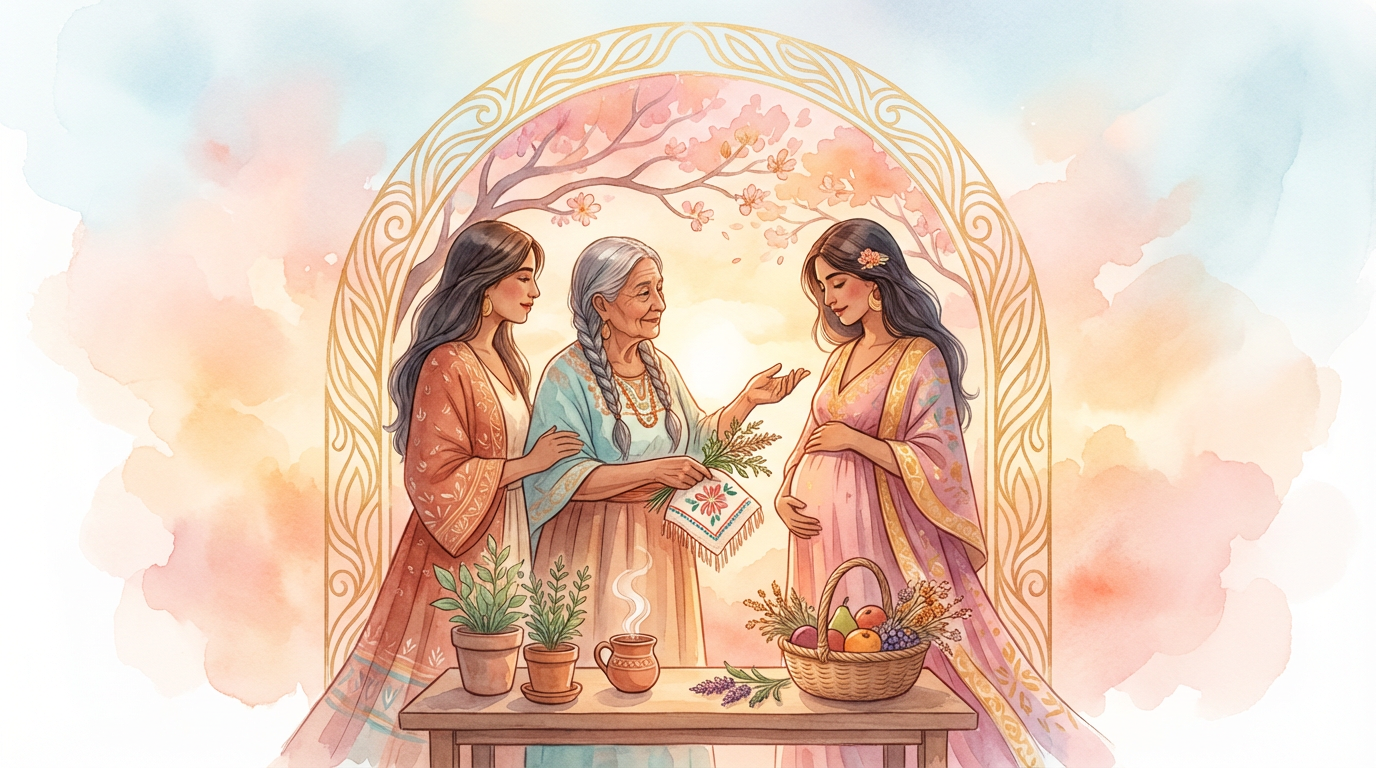
Fertility in Latin Culture: Abuela's Wisdom for Conception
Explore the rich tapestry of fertility beliefs and practices in Latin culture, blending ancestral wisdom passed down by 'Abuelas' with contemporary scientific understanding. This article delves into traditional remedies, dietary advice, spiritual practices, and community support, offering a holistic perspective for women on their conception journey, emphasizing the importance of cultural heritage alongside modern fertility awareness.
Listen to this article
~17 min listen
Click play to generate audio narration with a calming voice
TL;DR Summary
- •Holistic Approach to Fertility: Latin culture often views fertility through a holistic lens, integrating physical, emotional, spiritual, and community well-being, a perspective that complements modern reproductive science.
- •Abuela's Enduring Wisdom: Ancestral knowledge, particularly from grandmothers (Abuelas), offers practical advice on diet, herbal remedies, lifestyle, and spiritual practices believed to enhance fertility, often emphasizing natural health and balance.
- •Bridging Tradition and Science: While respecting traditional practices, it's crucial to consult healthcare professionals to ensure safety and efficacy, integrating cultural wisdom with evidence-based medical care for a comprehensive fertility journey.
Introduction: Can Abuela's Wisdom Guide Your Conception Journey?
For many women embarking on the deeply personal and often challenging journey of conception, the search for guidance extends beyond clinic walls and medical journals. It often leads back to the comforting, familiar wisdom passed down through generations – the insights of our grandmothers, or Abuelas, particularly within Latin culture. These matriarchs, custodians of ancient knowledge and practical solutions, have long been a cornerstone of family health, offering a unique blend of traditional remedies, spiritual solace, and unwavering support. Their understanding of fertility, while perhaps not couched in modern scientific terms, often reflects a profound appreciation for the body's natural rhythms, the power of diet, the importance of emotional well-being, and the strength found in community. But how relevant is this ancestral wisdom in our modern world, where reproductive technologies and scientific advancements dominate the conversation? Can 'Abuela's wisdom' truly guide your conception journey, and how can it be harmoniously integrated with contemporary fertility knowledge? This article will explore the rich tapestry of fertility beliefs and practices within Latin culture, examining how traditional remedies, dietary advice, spiritual practices, and community support, passed down through generations, can offer valuable perspectives for women trying to conceive today. We will delve into the profound respect for natural processes, the emphasis on holistic well-being, and the enduring power of cultural heritage that defines the Latin approach to fertility, all while advocating for a balanced integration with modern medical understanding.
What is the Role of 'Abuela' in Latin Fertility Beliefs?
In Latin culture, the 'Abuela' is far more than just a grandmother; she is often the family's spiritual anchor, the keeper of traditions, and the primary source of wisdom, especially concerning matters of health and family. When it comes to fertility and conception, her role is paramount. Abuelas embody a deep, experiential knowledge of the female body, passed down from their own mothers and grandmothers, often without formal education but with an intuitive understanding cultivated over a lifetime. They are the ones who will notice subtle changes in a woman's body, offer advice on regulating cycles, suggest specific foods or herbs, and provide emotional and spiritual support during the often-stressful process of trying to conceive. Their wisdom is not abstract; it's practical, rooted in observation, and deeply personal. They believe in the interconnectedness of mind, body, and spirit, and their fertility advice reflects this holistic view. For an Abuela, conception isn't just a biological event; it's a spiritual blessing, a communal endeavor, and a testament to a woman's overall well-being. This perspective encourages a comprehensive approach to fertility, where physical health is intertwined with emotional stability, spiritual harmony, and strong family ties. The Abuela's presence provides a comforting, non-judgmental space for women to discuss their hopes and fears, offering not just remedies, but also reassurance and a sense of belonging within a supportive lineage.
How Do Traditional Latin Diets Support Fertility?
Traditional Latin diets are often inherently rich in nutrients that are now recognized by modern science as beneficial for reproductive health. Abuelas have long emphasized the importance of a balanced diet, often rich in fresh, whole foods, seasonal produce, and traditional staples. These diets, before the widespread adoption of processed foods, were naturally anti-inflammatory and packed with essential vitamins and minerals. For instance, many traditional Latin American dishes incorporate:
- •Legumes (beans, lentils): Excellent sources of protein, fiber, and iron. Iron deficiency is linked to ovulatory infertility, and adequate protein intake is crucial for hormone production and egg quality. Black beans, pinto beans, and lentils are staples in many Latin American cuisines and are powerhouses of folate, another critical nutrient for early pregnancy and preventing neural tube defects. A meta-analysis published in the American Journal of Clinical Nutrition found that higher intake of plant protein was associated with a lower risk of ovulatory infertility.
- •Whole Grains (corn, quinoa, rice): Provide complex carbohydrates for sustained energy, B vitamins, and fiber. Maintaining stable blood sugar levels is important for hormonal balance, which directly impacts ovulation. Quinoa, in particular, is a complete protein and a good source of zinc, a mineral essential for reproductive health in both men and women. The traditional preparation of corn for tortillas (nixtamalization) also increases the bioavailability of niacin and calcium.
- •Fresh Fruits and Vegetables: A vibrant array of colorful produce, abundant in antioxidants, vitamins (especially Vitamin C and E), and minerals. Fruits like mangoes, papayas, and guavas are rich in antioxidants that protect reproductive cells from damage. Dark leafy greens, common in many Latin dishes, are packed with folate and iron. A study in Fertility and Sterility highlighted the importance of antioxidant-rich diets in improving IVF outcomes.
- •Healthy Fats (avocado, olive oil, nuts, seeds): Sources of monounsaturated and polyunsaturated fats, which are crucial for hormone production and reducing inflammation. Avocados are particularly prized in many Latin cultures and are rich in Vitamin E, often called the 'fertility vitamin,' and folate. Olive oil is a cornerstone of Mediterranean-influenced Latin diets and is known for its anti-inflammatory properties.
- •Lean Proteins (fish, poultry): While red meat is consumed, traditional diets often emphasize leaner protein sources. Fish, especially those rich in Omega-3 fatty acids (like salmon, though not universally traditional across all Latin America, fish is a common protein source), are known to improve egg quality and reduce inflammation.
Abuelas often emphasized eating 'warm' foods to nourish the womb and 'cooling' foods to balance the body, a concept that aligns with traditional Chinese medicine and Ayurvedic practices. For example, warm soups and stews (caldos) are often recommended for overall well-being, while certain herbs might be used to 'cleanse' or 'strengthen' the reproductive system. The emphasis on home-cooked meals, prepared with love and intention, also plays a significant role, reducing exposure to processed ingredients and promoting a mindful approach to eating. This traditional dietary wisdom, when combined with modern nutritional science, forms a powerful foundation for optimizing fertility.
What Traditional Herbal Remedies Are Used for Fertility in Latin Culture?
Herbal remedies hold a significant place in Latin American traditional medicine, often passed down as closely guarded secrets within families. Abuelas frequently recommend specific herbs for various female health issues, including fertility. It's crucial to note that while these herbs have long histories of traditional use, scientific research on their efficacy and safety for fertility is often limited or ongoing. Therefore, always consult with a healthcare professional before incorporating any herbal remedies, especially when trying to conceive or if you are on fertility medications.
Some commonly mentioned herbs and their traditional uses include:
- •Damiana (Turnera diffusa): Traditionally used as an aphrodisiac and to enhance sexual health in both men and women. In some Latin American cultures, it's believed to strengthen the reproductive organs and balance hormones, potentially improving fertility. It's often consumed as a tea.
- •Chasteberry (Vitex agnus-castus): While not exclusively Latin American, Chasteberry is widely used in herbal traditions globally, including within some Latin communities. It's renowned for its ability to balance hormones, particularly by influencing the pituitary gland to regulate progesterone and estrogen levels. It's often recommended for women with irregular cycles, PCOS, or luteal phase defects, which can hinder conception. However, it should not be taken with hormonal medications without medical supervision.
- •Mexican Wild Yam (Dioscorea villosa): Traditionally used to address various gynecological issues, including menstrual irregularities and menopausal symptoms. It's believed to have hormone-balancing properties, particularly related to progesterone, which is vital for maintaining a pregnancy. Some traditional practitioners use it to support uterine health.
- •Dong Quai (Angelica sinensis): Another herb with global traditional use, including in some Latin communities, often referred to as 'female ginseng.' It's believed to improve blood circulation to the reproductive organs, nourish the blood, and regulate menstrual cycles. It's often used to address menstrual cramps and irregular periods, which can indirectly support fertility.
- •Red Raspberry Leaf (Rubus idaeus): Widely used as a 'uterine tonic,' Red Raspberry Leaf tea is believed to strengthen the uterine walls, improve uterine muscle tone, and prepare the body for pregnancy and childbirth. While more commonly associated with pregnancy preparation, a healthy uterus is fundamental for conception. It's rich in vitamins and minerals.
- •Hierba de la Mujer (Lady's Herb): This is a general term often referring to various local herbs used specifically for women's health. The specific plant can vary by region, but its purpose is usually to support the female reproductive system, regulate cycles, and promote overall well-being. Examples might include specific species of Leonurus (Motherwort) or Calendula.
Traditional preparation often involves brewing these herbs as teas, infusions, or sometimes creating poultices or baths. The belief is that these herbs work synergistically with the body, gently restoring balance and promoting optimal conditions for conception. However, the exact mechanisms are not always fully understood by modern science, and dosages can vary significantly in traditional practice. This underscores the importance of seeking guidance from both traditional healers (like a trusted Abuela or curandera) and conventional medical professionals to ensure safety and effectiveness.
What Spiritual and Ritualistic Practices Are Associated with Fertility in Latin Culture?
Beyond diet and herbs, fertility in Latin culture is often deeply intertwined with spiritual beliefs and ritualistic practices. For many, conception is seen as a divine blessing, and seeking spiritual intervention is a natural extension of the fertility journey. These practices often serve to provide emotional comfort, hope, and a sense of control in a situation that can feel overwhelming.
- •Prayers and Novenas: Devotion to specific saints is common. Saint Raymond Nonnatus (San Ramón Nonnato) is often invoked as the patron saint of pregnant women, childbirth, and the unborn. Saint Anne (Santa Ana), the mother of the Virgin Mary, is also a popular figure for those seeking fertility, as she conceived late in life. Women might pray novenas (nine days of prayer) or light candles, making specific petitions for conception. These acts of faith provide solace and a sense of surrendering to a higher power.
- •Pilgrimages and Offerings: Visiting sacred sites, churches, or shrines dedicated to specific saints or the Virgin Mary is a common practice. Women might make pilgrimages to places like the Basilica of Our Lady of Guadalupe in Mexico, bringing offerings or leaving tokens of their hope and prayer. These journeys are often seen as acts of devotion, demonstrating commitment and faith in exchange for divine favor.
- •Blessings and Cleansings (Limpia): Traditional healers, known as Curanderas or Curanderos, often perform limpias (spiritual cleansings) to remove negative energies or blockages believed to be hindering conception. These rituals might involve sweeping the body with herbs, eggs, or candles, accompanied by prayers and incantations. The belief is that by clearing spiritual and energetic obstacles, the body becomes more receptive to new life.
- •Amulets and Charms: Wearing specific amulets or charms, such as a mano de azabache (jet hand) or religious medals, is believed by some to protect against negative influences and promote good fortune, including fertility. These items are often blessed by a priest or traditional healer.
- •Vows and Promises (Mandas): Women might make mandas or vows, promising to perform a specific act of devotion (e.g., walking a certain distance on their knees, fasting, or performing a service) if their prayer for conception is granted. This reflects a deep commitment and a pact with the divine.
- •Connection to Nature: Many traditional beliefs emphasize a connection to natural cycles and the earth as a source of life. Rituals might involve spending time in nature, connecting with specific trees or bodies of water, or planting a seed with the intention of fertility. This aligns with the holistic view that humans are part of a larger natural order.
These practices, while varying across regions and individual families, provide a vital emotional and spiritual framework for women trying to conceive. They offer a sense of agency, hope, and connection to a lineage of faith, helping to manage the emotional toll of infertility and fostering a positive mindset towards the journey.
How Does Community and Family Support Impact Fertility in Latin Culture?
One of the most defining characteristics of Latin culture is the profound emphasis on family (la familia) and community. This collective support system plays an invaluable role in the fertility journey, offering a stark contrast to the often isolated experience of infertility in more individualistic societies. An Abuela's wisdom is not just her own; it is often shared and reinforced by a network of aunts, cousins, and close family friends who collectively offer advice, emotional sustenance, and practical help.
- •Emotional Support and Understanding: When a couple is struggling to conceive, the family often rallies around them. There's a shared understanding that having children is a central part of life, and thus, the struggle is also shared. This communal empathy can significantly reduce feelings of isolation, shame, or guilt that often accompany infertility. Women are not expected to suffer in silence; instead, they are encouraged to share their feelings and receive comfort.
- •Shared Knowledge and Experiences: Fertility issues are often openly discussed within the family, leading to a passing down of traditional remedies, success stories, and cautionary tales. An aunt might share a specific herbal tea that worked for her, or a cousin might recommend a particular curandera. This collective wisdom pool provides a diverse range of perspectives and potential solutions, even if they are anecdotal.
- •Practical Assistance: Family members might offer practical support, such as preparing specific nutrient-rich meals believed to aid fertility, helping with household chores to reduce stress, or accompanying a woman to traditional healers or doctor's appointments. This practical help alleviates some of the daily burdens, allowing the woman to focus more on her well-being.
- •Spiritual and Prayerful Support: Beyond individual prayers, families often engage in collective prayer for a couple trying to conceive. This shared spiritual intention is believed to amplify the chances of a blessing. Family members might also participate in pilgrimages or perform mandas on behalf of the couple.
- •Pressure vs. Support: While generally supportive, the strong emphasis on family and procreation can sometimes translate into unspoken (or even explicit) pressure to have children. This is a nuanced aspect, as the desire for grandchildren is often intense. However, within a well-meaning family, this pressure is usually balanced by deep love and support, with the Abuela often acting as a buffer or an advocate for the struggling couple, reminding others of the sensitivity of the situation.
- •Celebration of Pregnancy: Once conception occurs, the entire family rejoices. The pregnancy journey itself is often a communal experience, with family members offering advice, preparing for the baby's arrival, and providing ongoing support. This collective joy solidifies the importance of the family unit and its role in welcoming new life.
The communal aspect of fertility in Latin culture reinforces the idea that one's journey is not walked alone. It provides a robust safety net of emotional, spiritual, and practical support, which can be a powerful antidote to the stress and isolation often associated with infertility in other cultural contexts.
How Can Modern Science and Abuela's Wisdom Coexist for Optimal Fertility?
The true power for women on their conception journey lies not in choosing between traditional wisdom and modern science, but in embracing the synergy between the two. Abuela's wisdom, rooted in centuries of observation and holistic understanding, offers a valuable complementary framework that can enhance the effectiveness of contemporary medical approaches. However, critical discernment and professional medical guidance are paramount.
- •Integrating Holistic Wellness into Medical Plans: Modern fertility treatments often focus on biological mechanisms. Abuela's emphasis on diet, stress reduction, emotional well-being, and spiritual peace can provide a crucial holistic foundation. For example, a doctor might recommend a specific fertility medication, while Abuela's advice on consuming nutrient-dense, traditional foods or engaging in calming spiritual practices can support overall health, potentially improving treatment outcomes and certainly improving the woman's mental state throughout the process. A balanced diet, as emphasized by Abuelas, is scientifically proven to support reproductive health and can be integrated seamlessly with any medical protocol.
- •Open Communication with Healthcare Providers: It is absolutely essential for women to inform their fertility specialists about any traditional remedies, herbs, or practices they are using or considering. Some herbs can interact negatively with medications, alter hormone levels in unpredictable ways, or even be contraindicated during pregnancy. For instance, while some herbs are traditionally used to regulate cycles, they may interfere with the precise hormonal timing required for IVF or IUI. A fertility doctor can advise on potential interactions, safety concerns, and whether traditional practices align with the medical treatment plan. They can also offer evidence-based insights into the nutritional benefits of traditional diets.
- •Stress Reduction and Emotional Support: Infertility is a significant source of stress, which can negatively impact hormonal balance and overall well-being. Abuela's spiritual practices (prayers, blessings, community support) and emphasis on emotional resilience offer powerful stress-reduction tools. These practices can be incredibly valuable alongside modern psychological support, such as counseling or mindfulness techniques, often recommended by fertility clinics.
- •Mindful Dietary Choices: The traditional Latin diet, rich in whole foods, legumes, and fresh produce, aligns well with current nutritional recommendations for fertility. Women can consciously choose to incorporate these traditional, nutrient-dense foods into their diet while ensuring they meet all recommended dietary guidelines from their healthcare provider. This means embracing plant-based proteins, healthy fats, and antioxidants, while being mindful of portion sizes and potential food sensitivities.
- •Respecting Cultural Identity: For many women, their cultural heritage and the wisdom passed down by their Abuelas are integral to their identity. Integrating these traditions into their fertility journey can provide a sense of continuity, comfort, and empowerment. It acknowledges their roots and allows them to navigate a modern medical process without feeling disconnected from their cultural self. A supportive medical team will respect these cultural aspects and work collaboratively with the patient to find safe and effective ways to incorporate them.
- •Evidence-Based Decisions: While respecting traditional knowledge, it's crucial to prioritize evidence-based medical advice, especially when dealing with complex fertility challenges. Traditional remedies should be viewed as complementary, not as substitutes for necessary medical interventions when indicated. For example, if a woman has blocked fallopian tubes, no amount of herbal tea will unblock them; surgical intervention or IVF might be necessary. However, the holistic support from Abuela's wisdom can still optimize the body's environment and a woman's mental state for these procedures.
By fostering an open dialogue between traditional wisdom and modern medicine, women can create a comprehensive, culturally sensitive, and scientifically sound approach to their fertility journey, drawing strength from both their heritage and the latest medical advancements.
Key Takeaways
- •Holistic View: Latin culture, guided by Abuelas, embraces a holistic approach to fertility, integrating physical, emotional, spiritual, and community aspects.
- •Nutrient-Rich Diets: Traditional Latin diets are often naturally high in fertility-supporting nutrients like folate, iron, protein, and antioxidants.
- •Herbal Support (with caution): Specific traditional herbs are used for hormonal balance and uterine health, but always consult a doctor due to potential interactions and limited scientific evidence.
- •Spiritual Comfort: Prayers, blessings, pilgrimages, and cleansings offer profound emotional and spiritual support during the conception journey.
- •Community Strength: The strong emphasis on family and community provides invaluable emotional and practical support, combating isolation.
- •Integration is Key: The most effective approach blends Abuela's wisdom with modern medical science, ensuring safety and maximizing chances of conception through informed decisions and open communication with healthcare providers.
FAQ Section
Q1: Is Abuela's fertility wisdom scientifically proven?
A1: While many aspects of Abuela's wisdom, such as the emphasis on nutrient-rich diets, stress reduction, and community support, align with modern scientific understanding of reproductive health, specific traditional herbal remedies often lack rigorous scientific studies proving their efficacy and safety for fertility. It's important to approach these remedies with caution and always consult a healthcare professional.
Q2: Can traditional Latin herbs interfere with modern fertility treatments?
A2: Yes, absolutely. Some traditional herbs can interact with fertility medications, alter hormone levels, or have other effects that could be detrimental or counterproductive to modern fertility treatments like IVF or IUI. It is crucial to inform your fertility specialist about any and all herbs or supplements you are taking or considering, so they can advise on potential interactions and ensure your safety.
Q3: How can I incorporate traditional Latin dietary advice into my fertility diet?
A3: Focus on whole, unprocessed foods that are staples in traditional Latin diets. This includes plenty of legumes (beans, lentils), whole grains (quinoa, corn, brown rice), fresh fruits and vegetables (especially leafy greens and colorful produce), healthy fats (avocado, olive oil), and lean proteins. Emphasize home-cooked meals and reduce processed sugars and unhealthy fats. These choices naturally align with many modern dietary recommendations for fertility.
Q4: What role does stress play in fertility, according to Abuela's wisdom and modern science?
A4: Both Abuela's wisdom and modern science recognize the significant impact of stress on fertility. Abuelas often emphasize spiritual practices, community support, and emotional well-being to alleviate stress, believing a calm mind and spirit are essential for conception. Modern science confirms that chronic stress can disrupt hormonal balance, affect ovulation, and negatively impact overall reproductive health, making stress reduction a key component of any fertility plan.
Q5: Should I choose between traditional practices and modern medicine for fertility?
A5: No, the most empowering approach is to integrate both. Abuela's wisdom offers valuable holistic support for emotional, spiritual, and general physical well-being, while modern medicine provides evidence-based diagnostics and targeted treatments for specific fertility challenges. Open communication with your healthcare provider is key to safely and effectively combining traditional practices with medical care for a comprehensive and culturally sensitive fertility journey.
Q6: Can spiritual practices really help with conception?
A6: While spiritual practices like prayer, pilgrimages, or blessings do not directly alter biological processes, they can profoundly impact a woman's emotional and mental state. They offer hope, reduce stress, provide a sense of control, and foster a positive mindset, which are all beneficial for overall well-being during the often-stressful fertility journey. The strong community support often associated with these practices also provides invaluable comfort and reduces feelings of isolation.
Q7: Where can I find a reputable traditional healer (Curandera/o) if I want to explore these practices?
A7: Finding a reputable traditional healer often relies on word-of-mouth referrals within the community. You might ask trusted family members or community elders for recommendations. It's important to seek out individuals who are respected, have a long-standing reputation, and who understand the importance of collaboration with modern medical professionals, emphasizing that their practices are complementary to, not a replacement for, conventional medical care.
Cite this article
PERIODiQ Editorial Team (2026). "Fertility in Latin Culture: Abuela's Wisdom for Conception." PERIODiQ. https://periodiq.app/library/fertility-in-latin-culture-abuela-s-wisdom-for-conception
"Fertility in Latin Culture: Abuela's Wisdom for Conception." PERIODiQ, 2026, https://periodiq.app/library/fertility-in-latin-culture-abuela-s-wisdom-for-conception.
Send this to a friend — PERIODiQ is free for them too. No card. No paywall.
Loved this? Save articles, track your cycle, and unlock meditations — free forever.
Disclaimer: PERIODiQ™ offers general wellness information only. It does not provide medical advice, diagnosis, or treatment. Always speak with a licensed health professional about your health.