
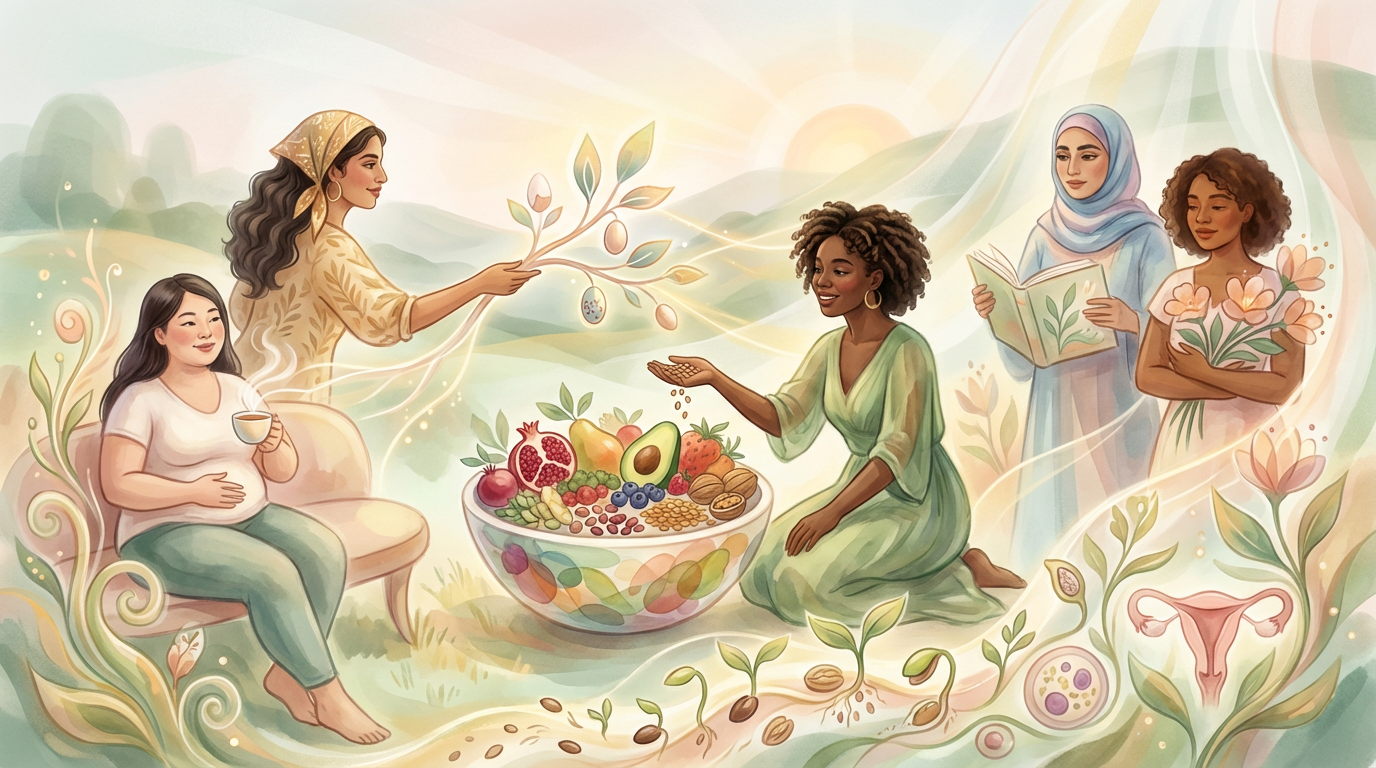
Fertility Diet: Foods, Supplements & Lifestyle for Conception
Evidence-based guide to nutrition, supplements, and lifestyle factors supporting fertility in both women and men, including Mediterranean diet principles and specific nutrient recommendations.
Listen to this article
~16 min listen
Click play to generate audio narration with a calming voice
Fertility Diet: Foods, Supplements & Lifestyle for Conception
Nutrition profoundly influences fertility for both women and men. While diet alone cannot guarantee conception, evidence increasingly demonstrates that what we eat affects hormonal balance, egg quality, sperm health, and overall reproductive function.
The Fertility-Nutrition Connection
Reproductive health depends on complex hormonal interactions that nutrition directly affects. Blood sugar control influences insulin levels, which in turn affect sex hormones. Inflammation impacts ovulation and implantation. Antioxidants protect eggs and sperm from oxidative damage. Healthy fats support hormone production. Each dietary choice creates ripple effects throughout your reproductive system.
Research consistently shows that women following fertility-supportive eating patterns have higher conception rates, healthier pregnancies, and better outcomes. The connection isn't just correlation—specific nutrients play documented roles in reproductive processes.
Mediterranean Diet for Fertility
The Mediterranean diet has emerged as the gold standard for fertility nutrition. This eating pattern emphasizes whole foods, healthy fats, and plant-based nutrition while minimizing processed foods and red meat.
Studies show women following Mediterranean diets have improved ovulation, higher pregnancy rates with assisted reproductive technology, and better pregnancy outcomes. One study found women most closely adhering to Mediterranean patterns were 40% more likely to achieve pregnancy within six cycles.
Core components include abundant vegetables and fruits, whole grains instead of refined carbohydrates, legumes as primary protein sources, olive oil as the main fat source, moderate fish consumption (especially fatty fish), and limited red meat and sweets.
This pattern provides anti-inflammatory benefits crucial for reproductive health. Chronic inflammation interferes with ovulation, implantation, and sperm function. The Mediterranean diet's emphasis on omega-3 fatty acids, antioxidants, and fiber all combat inflammation.
Anti-Inflammatory Eating Principles
Inflammation has emerged as a key factor in fertility challenges. Conditions like endometriosis and PCOS involve inflammatory processes. Even without diagnosed conditions, reducing inflammation supports optimal reproductive function.
Anti-inflammatory eating focuses on whole, minimally processed foods. Fill your plate with colorful vegetables and fruits—the pigments providing color also deliver antioxidants fighting inflammation. Berries, leafy greens, tomatoes, and cruciferous vegetables lead the pack.
Choose healthy fats: olive oil, avocados, nuts, seeds, and fatty fish. These provide omega-3 fatty acids that actively reduce inflammatory markers. Limit omega-6-rich oils (corn, soybean, safflower) which can promote inflammation when consumed in excess relative to omega-3s.
Minimize refined carbohydrates and added sugars. These spike blood sugar and insulin, triggering inflammatory responses. Choose whole grains, which provide fiber moderating blood sugar responses and supporting healthy gut bacteria.
Key Nutrients for Female Fertility
Specific nutrients deserve particular attention when trying to conceive. Folate, the natural form of folic acid, supports healthy egg development and prevents neural tube defects from conception onward. Aim for 400-800 mcg daily through leafy greens, legumes, and fortified grains, plus a prenatal vitamin.
Iron deficiency can interfere with ovulation. One large study found women consuming iron supplements had 40% lower risk of ovulatory infertility. Choose iron-rich foods: lean red meat, poultry, fish, beans, and fortified cereals. Pair plant-based iron with vitamin C to enhance absorption.
Vitamin D acts more like a hormone than a vitamin, influencing reproductive processes. Deficiency is linked to PCOS, endometriosis, and reduced fertility. Have levels checked and supplement as needed to maintain optimal range (30-50 ng/mL).
Antioxidants protect eggs from oxidative damage that accelerates aging and reduces quality. Vitamins C and E, selenium, zinc, and coenzyme Q10 all support egg health. Colorful fruits and vegetables, nuts, seeds, and whole grains provide these nutrients.
Omega-3 fatty acids, particularly DHA and EPA, support hormone production, reduce inflammation, and improve egg quality. Fatty fish (salmon, sardines, mackerel) 2-3 times weekly or a high-quality fish oil supplement (1000-2000 mg combined EPA/DHA) provides adequate amounts.
Male Factor Nutrition
Male fertility is equally important, as male factor contributes to approximately 40-50% of fertility challenges. Sperm health responds dramatically to dietary interventions, with improvements possible within 2-3 months (one complete sperm development cycle).
Antioxidants are crucial for sperm health. Oxidative stress damages sperm DNA, reduces motility, and impairs fertilization ability. Vitamins C and E, selenium, zinc, and coenzyme Q10 all protect sperm from this damage.
Folate isn't just for women—adequate folate intake improves sperm count and quality. Men should aim for 400 mcg daily through leafy greens, legumes, and fortified grains.
Zinc plays specific roles in testosterone production and sperm development. Oysters are famously rich in zinc (hence their aphrodisiac reputation), but pumpkin seeds, beef, poultry, beans, and nuts also provide substantial amounts. Aim for 11 mg daily.
Omega-3 fatty acids improve sperm motility and morphology. The same fatty fish recommended for women benefit men, or choose fish oil supplementation.
Lycopene, the antioxidant giving tomatoes their red color, specifically improves sperm count and motility. Cooked tomato products (sauce, paste) provide more bioavailable lycopene than fresh tomatoes.
Foods to Embrace
Build meals around nutrient-dense whole foods. Start with vegetables filling half your plate at each meal. Aim for variety—different colors provide different nutrients. Leafy greens deliver folate and iron. Colorful vegetables and fruits provide antioxidants.
Choose whole grains over refined: brown rice instead of white, quinoa, oats, whole grain bread and pasta. These provide fiber, B vitamins, and minerals while stabilizing blood sugar.
Include healthy protein sources: fish 2-3 times weekly (especially fatty fish), eggs (yes, the yolk—it's full of nutrients), beans and lentils, Greek yogurt, and moderate amounts of poultry and lean meat.
Healthy fats should feature prominently: olive oil for cooking and dressings, avocados, nuts, seeds, and fatty fish. These support hormone production and reduce inflammation.
Full-fat dairy may be more beneficial for fertility than low-fat versions. One large study found women consuming one or more servings of full-fat dairy daily had lower risk of ovulatory infertility compared to those choosing low-fat dairy. Choose organic when possible to minimize hormone exposure.
Foods to Limit or Avoid
Trans fats—found in many processed and fried foods—harm fertility. They worsen insulin resistance, promote inflammation, and interfere with ovulation. Read labels and avoid products containing "partially hydrogenated oils."
Excess refined carbohydrates and added sugars disrupt blood sugar control, promoting insulin resistance and inflammation. Limit white bread, white rice, sugary drinks, candy, and baked goods. Choose whole grain alternatives and satisfy sweet cravings with fruit.
High mercury fish should be limited during preconception and pregnancy. Avoid shark, swordfish, king mackerel, and tilefish. Limit albacore tuna to 6 ounces weekly. Choose low-mercury options: salmon, sardines, herring, and anchovies.
Processed meats (hot dogs, sausage, deli meats) contain additives and high sodium. They're also linked to lower sperm quality in men. Choose fresh, unprocessed meat sources when including meat in your diet.
Caffeine Considerations
Caffeine's impact on fertility generates debate. Moderate consumption (200-300 mg daily—about 1-2 cups of coffee) appears safe and isn't associated with reduced fertility in most studies. However, high consumption (>500 mg daily) may modestly reduce fertility.
Individual responses vary. Some women are slow caffeine metabolizers, meaning it stays in their system longer and may have greater effects. If you're struggling to conceive or have had pregnancy losses, consider reducing to one cup daily or switching to half-caff or decaf.
Remember caffeine isn't just in coffee—tea, soda, energy drinks, and chocolate all contribute to total intake.
Alcohol Impact
Alcohol significantly affects both female and male fertility. In women, even moderate drinking can reduce conception chances and increase miscarriage risk. Studies show women drinking as little as one alcoholic drink per day have reduced fertility compared to non-drinkers.
In men, alcohol reduces testosterone, impairs sperm production, and damages sperm DNA. Effects are dose-dependent—heavier drinking causes more significant problems, but even moderate drinking can impact sperm quality.
Expert recommendations suggest women trying to conceive avoid alcohol entirely. Men should limit consumption to minimize potential impacts on sperm health.
Supporting Supplements
A high-quality prenatal vitamin provides nutritional insurance, ensuring consistent intake of key nutrients even when diet varies. Start taking prenatal vitamins before trying to conceive—fetal development begins immediately upon conception.
Look for prenatals containing methylfolate (not just folic acid), adequate iron (27 mg), vitamin D (1000-2000 IU), and ideally some choline. Many don't contain optimal amounts of all nutrients, so supplementation beyond the prenatal may be necessary.
Coenzyme Q10 (CoQ10) shows promise for improving egg quality, particularly in women over 35 or with diminished ovarian reserve. Typical doses range from 200-600 mg daily. Choose ubiquinol form for better absorption.
Omega-3 supplements benefit both partners when fatty fish consumption is insufficient. Look for high-quality fish oil or algae-based DHA/EPA providing 1000-2000 mg combined EPA+DHA daily.
For men specifically, a male fertility supplement containing zinc, selenium, vitamins C and E, folate, and lycopene may improve sperm parameters. Allow 2-3 months to see changes, as sperm development takes 74 days.
Exercise Balance for Fertility
Physical activity supports fertility through multiple mechanisms: improving insulin sensitivity, reducing inflammation, supporting healthy weight, and reducing stress. However, excessive exercise can interfere with ovulation and reduce fertility.
Moderate exercise—30 minutes most days of activities like walking, swimming, yoga, or cycling—benefits fertility. This amount improves metabolic health without disrupting reproductive hormones.
Vigorous exercise exceeding 5 hours weekly may reduce fertility in women with healthy weight, though it can improve fertility in overweight or obese women by supporting weight loss and improving insulin sensitivity.
Men can engage in more vigorous activity without fertility impacts, though extreme endurance training might reduce sperm parameters in some men.
Sleep and Circadian Rhythm
Sleep profoundly influences reproductive hormones. Irregular sleep patterns, insufficient sleep, and shift work all disrupt fertility. Melatonin, the sleep hormone, also plays roles in egg quality and ovulation timing.
Aim for consistent sleep schedules—going to bed and waking at similar times daily supports circadian rhythm. Get 7-9 hours of quality sleep nightly. Create a dark, cool sleeping environment. Limit blue light exposure before bed.
For shift workers or those with irregular schedules, optimizing sleep hygiene becomes even more critical. Light-blocking curtains, eye masks, and establishing consistent pre-sleep routines help maintain hormonal balance despite schedule challenges.
Stress Reduction Strategies
Chronic stress impacts fertility through multiple pathways. Elevated cortisol interferes with reproductive hormones, disrupts ovulation, and reduces testosterone in men. The trying-to-conceive process itself creates stress, potentially perpetuating a difficult cycle.
Stress management isn't about eliminating stress (impossible) but developing effective coping mechanisms. Mind-body practices—yoga, meditation, mindfulness, deep breathing—all reduce stress hormones while supporting fertility.
Acupuncture shows promise for reducing stress and supporting fertility, particularly when combined with fertility treatments. Even if mechanisms aren't fully understood, the relaxation component alone benefits overall wellbeing.
Counseling or support groups help process the emotional challenges of trying to conceive. Fertility challenges strain relationships and mental health—seeking support isn't weakness but wise self-care.
Environmental Toxin Awareness
Environmental endocrine disruptors—chemicals interfering with hormone function—affect fertility. While completely avoiding these substances is impossible, reducing exposure where possible makes sense.
Choose organic produce when possible, especially for the "Dirty Dozen" fruits and vegetables with highest pesticide residues. If organic isn't accessible, thoroughly wash all produce and don't let perfect be the enemy of good—eating conventional produce is far better than avoiding fruits and vegetables.
Minimize plastic use, particularly for food storage and heating. Never microwave food in plastic containers. Choose glass or stainless steel containers. Avoid canned foods when possible, as can linings contain BPA.
Personal care products and cleaning supplies contain numerous chemicals. Choose products with fewer, simpler ingredients. Resources like EWG's Skin Deep database help identify safer options.
When to Seek Additional Help
If you're under 35 and haven't conceived after 12 months of trying, or over 35 and haven't conceived after 6 months, consult a reproductive endocrinologist. Earlier consultation is warranted with known fertility issues, irregular periods, or previous pregnancy losses.
Nutritional optimization supports fertility and improves outcomes with fertility treatments. Whether conceiving naturally or with assistance, these dietary and lifestyle factors remain relevant throughout your journey.
Cite this article
PERIODiQ Editorial Team (2025). "Fertility Diet: Foods, Supplements & Lifestyle for Conception." PERIODiQ. https://periodiq.app/library/fertility-diet-lifestyle
"Fertility Diet: Foods, Supplements & Lifestyle for Conception." PERIODiQ, 2025, https://periodiq.app/library/fertility-diet-lifestyle.
Send this to a friend — PERIODiQ is free for them too. No card. No paywall.
Loved this? Save articles, track your cycle, and unlock meditations — free forever.
Disclaimer: PERIODiQ™ offers general wellness information only. It does not provide medical advice, diagnosis, or treatment. Always speak with a licensed health professional about your health.