
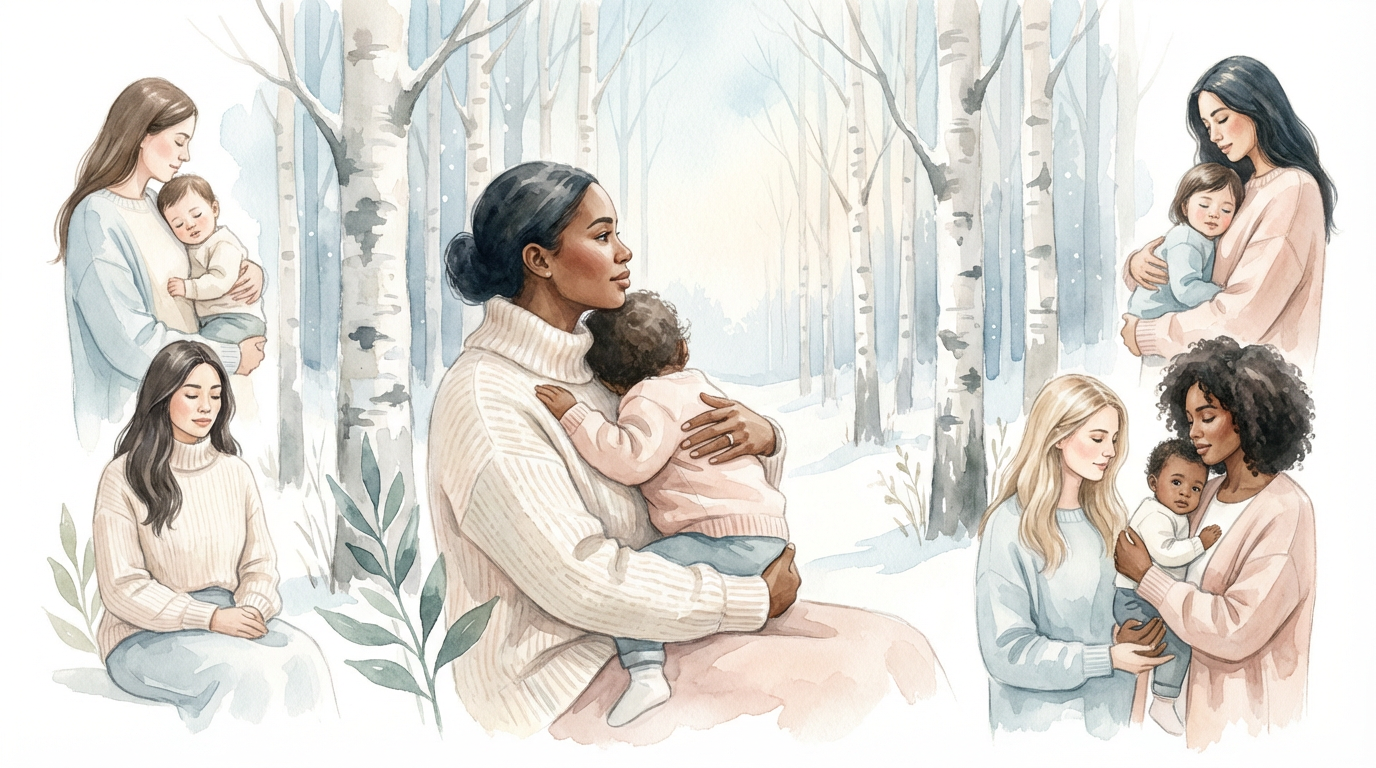
Fertility After 35: How Nordic Countries Support Late Motherhood
Nordic countries offer comprehensive social and healthcare support systems that significantly aid women pursuing fertility after 35, encompassing generous parental leave, subsidized childcare, and accessible fertility treatments. These integrated policies aim to reduce the societal and financial burdens often associated with advanced maternal age, promoting a more equitable and supportive environment for families.
Listen to this article
~21 min listen
Click play to generate audio narration with a calming voice
TL;DR Summary
- •Nordic nations provide robust social safety nets, including generous parental leave and subsidized childcare, which alleviate pressures on women pursuing fertility after 35.
- •Their healthcare systems offer accessible and often subsidized fertility treatments, such as IVF, without significant age-related barriers found in other regions.
- •A cultural emphasis on gender equality and work-life balance further supports women in combining careers with late motherhood, fostering a supportive environment for advanced maternal age.
Introduction
For many women globally, the journey to motherhood often extends into their mid-thirties and beyond, a phenomenon increasingly referred to as advanced maternal age. While biological factors related to fertility after 35 are well-documented, the societal and healthcare landscapes can profoundly impact this experience. In this context, Nordic countries—Sweden, Norway, Denmark, Finland, and Iceland—stand out for their comprehensive and integrated approaches that significantly support women choosing to have children later in life. These nations have established robust social welfare systems, progressive parental policies, and accessible healthcare, including fertility treatments, which collectively create an environment conducive to late motherhood. This article delves into how these elements specifically benefit women navigating fertility challenges and family planning decisions in their later reproductive years, examining the unique blend of social, economic, and medical support that makes the Nordic model a beacon for others.
What are the Unique Challenges of Fertility After 35?
Women pursuing fertility after 35 often face a unique set of biological, emotional, and societal challenges that differ from those encountered by younger individuals. Biologically, declining ovarian reserve and egg quality are primary concerns, leading to a higher likelihood of difficulty conceiving naturally and an increased risk of chromosomal abnormalities in offspring. The quantity and quality of oocytes (eggs) naturally decrease with age, with a more pronounced decline typically observed after the mid-30s. This biological reality translates into longer times to conception, an increased need for assisted reproductive technologies (ART) like IVF, and a higher chance of miscarriage. Emotionally, the pressure to conceive can be immense, compounded by societal expectations, the perceived ticking biological clock, and the emotional toll of unsuccessful attempts. Furthermore, there may be increased risks during pregnancy, such as gestational diabetes, preeclampsia, and preterm birth, necessitating more intensive prenatal care. Socially, women in their late 30s and early 40s may also be at peak career stages, balancing demanding professional lives with the physical and emotional demands of fertility treatments and pregnancy, which can be an additional source of stress. These multifaceted challenges highlight the critical need for supportive systems that address not just the medical aspects but also the broader social and economic factors influencing advanced maternal age pregnancies.
How Do Nordic Countries Support Reproductive Health Education?
Nordic countries prioritize comprehensive reproductive health education that extends beyond basic sex education, providing crucial information about fertility after 35 and age-related fertility decline. This education is often integrated into public health campaigns and school curricula, ensuring that individuals are well-informed about their reproductive windows and the factors influencing fertility from a young age. The emphasis is on empowering individuals with knowledge about their bodies and reproductive health, including the natural decrease in fertility as women age. Public health initiatives frequently disseminate information about egg freezing as a proactive measure, the success rates of various fertility treatments at different ages, and the importance of early consultation with specialists if conception proves difficult. This proactive approach aims to demystify complex topics surrounding fertility and reduce the stigma associated with seeking help, fostering an environment where informed decisions about family planning can be made. By providing accessible and accurate information, Nordic countries equip women with the tools to understand their reproductive options and make choices that align with their life goals, even if those goals include late motherhood.
What is the Role of Accessible Healthcare in Nordic Fertility Care?
Accessible and universal healthcare systems are a cornerstone of Nordic fertility care, significantly reducing the financial burden and logistical barriers often associated with fertility treatments, especially for women of advanced maternal age. In these countries, fertility treatments, including in-vitro fertilization (IVF), are often heavily subsidized or fully covered by public healthcare, subject to certain criteria such as age limits or the number of treatment cycles. For instance, in Denmark, women are typically offered up to three IVF cycles free of charge through the public health system, often up to a certain age (e.g., 40-41 years). Sweden and Norway also provide similar subsidies or coverage, making these expensive treatments attainable for a wider segment of the population. This contrasts sharply with systems where fertility treatments are largely out-of-pocket expenses, which can be prohibitive for many. The integration of fertility clinics within the public health system also ensures standardized quality of care and easier access to specialists. Furthermore, the emphasis on preventative care and early diagnosis within these systems means that potential fertility issues can be identified and addressed sooner, improving outcomes for those seeking to conceive later in life. This robust support system minimizes the economic stress often associated with fertility after 35, allowing women to focus on their health and emotional well-being throughout their fertility journey.
How Do Nordic Parental Leave Policies Aid Late Motherhood?
Generous and flexible parental leave policies in Nordic countries are instrumental in supporting women who choose late motherhood, providing unparalleled security and work-life balance. These policies are among the most progressive globally, offering extended periods of paid leave that can be shared between parents, promoting gender equality and reducing the career penalties often faced by mothers. For example, Sweden offers 480 days of parental leave per child, with 90 days reserved specifically for each parent, paid at approximately 80% of their salary up to a ceiling. Norway and Finland have similarly extensive leave schemes. This allows mothers, particularly those of advanced maternal age, ample time to recover from childbirth, breastfeed, bond with their newborns, and adjust to new family dynamics without fear of job loss or significant financial strain. The flexibility to take leave part-time or stagger it over several years further empowers parents to tailor their work-life arrangements to their specific needs. Such policies are crucial for women who may have established careers by their late 30s or early 40s, enabling them to seamlessly transition into motherhood and back into the workforce. This comprehensive support system mitigates the common dilemma between career progression and family building, making fertility after 35 a more viable and less stressful option.
What Childcare Support Systems are Available?
Beyond parental leave, Nordic countries boast comprehensive and highly subsidized childcare systems that significantly alleviate the burden on parents, particularly those managing late motherhood and demanding careers. Universal access to high-quality, affordable daycare and preschools is a hallmark of these societies, ensuring that children from a very young age receive excellent care and early education while their parents are at work. In countries like Denmark and Sweden, childcare costs are heavily subsidized by the state, often capped at a small percentage of a family's income, making it accessible to virtually all families regardless of their socioeconomic status. This contrasts sharply with many other nations where childcare expenses can be exorbitant, forming a major financial barrier for working parents. The availability of reliable and high-quality childcare allows mothers of advanced maternal age to return to their professional lives with confidence, knowing their children are in a nurturing and stimulating environment. This integrated approach to family support – from birth through early childhood – is pivotal in enabling women to pursue their fertility goals later in life without having to sacrifice their professional aspirations, making fertility after 35 a more sustainable choice within their societal framework.
Do Nordic Countries Offer Genetic Counseling and Screening for Older Mothers?
Yes, Nordic countries provide robust genetic counseling and screening services, which are particularly important for women experiencing fertility after 35 due to the increased risk of certain chromosomal abnormalities. These services are typically integrated into prenatal care and are readily accessible through public healthcare systems. Genetic counseling sessions offer prospective parents detailed information about age-related risks, discuss screening and diagnostic options, and provide emotional support. Common screenings include non-invasive prenatal testing (NIPT), which can detect the risk of conditions like Down syndrome from a blood sample, and nuchal translucency scans. For those with higher risk factors, diagnostic procedures like amniocentesis or chorionic villus sampling (CVS) are available, with comprehensive counseling provided before and after testing. The aim is to empower parents with information to make informed decisions about their pregnancy. This proactive approach to genetic health management helps alleviate some of the anxieties associated with advanced maternal age pregnancies, ensuring that women have access to the best possible care and information to navigate potential genetic concerns.
How Does the Culture of Gender Equality Impact Late Motherhood?
Nordic countries are renowned for their strong commitment to gender equality, a cultural value that profoundly impacts the experience of late motherhood and fertility after 35. This emphasis on equality translates into policies and societal norms that encourage shared parenting responsibilities and support women's professional advancement. Men are actively encouraged to take parental leave, and flexible work arrangements are common, allowing both parents to balance career and family life. This cultural shift reduces the traditional burden on women to be the primary caregivers, making it more feasible for them to pursue education, establish careers, and then decide to have children later in life. The expectation that fathers will be equally involved in childcare means that women do not have to choose between their professional ambitions and having a family, even at an advanced maternal age. Furthermore, societal attitudes tend to be highly supportive of working mothers and diverse family structures, reducing the stigma that some women might face in other cultures for delaying motherhood. This pervasive culture of equality creates a supportive ecosystem where women can confidently pursue fertility after 35 knowing they have both systemic and social backing.
Are There Specific Fertility Treatment Success Rates for Older Women in Nordic Regions?
While specific, publicly available country-by-country success rates for fertility after 35 using assisted reproductive technologies (ART) in Nordic regions can vary and are often aggregated within broader European data, the accessibility and quality of Nordic fertility care contribute to generally positive outcomes. Research consistently shows that IVF success rates decline with maternal age, but the comprehensive support and early intervention available in Nordic countries can optimize these rates compared to regions with less accessible care. For example, the Danish National Registry of Assisted Reproduction provides detailed statistics, showing that while live birth rates per initiated IVF cycle decrease significantly after age 35, the number of women attempting treatment at older ages is relatively high due to accessibility. The focus on providing multiple cycles of treatment, often subsidized, means that women of advanced maternal age have more opportunities to achieve a successful pregnancy. Moreover, the emphasis on high-quality medical care, adherence to best practices, and the availability of advanced techniques like preimplantation genetic testing (PGT) contribute to maximizing the chances of success for older women. While biological limits remain, the systemic support helps ensure that every possible medical advantage is offered to those pursuing fertility after 35.
What is the Overall Impact of the Nordic Model on Women's Reproductive Choices?
The overall impact of the Nordic model on women's reproductive choices, particularly regarding fertility after 35, is profound and multifaceted. By providing universal and accessible healthcare, generous parental leave, highly subsidized childcare, and fostering a culture of gender equality, these countries empower women to make more autonomous and less constrained decisions about family planning. Women are not forced to choose between career advancement and motherhood, nor are they penalized financially or socially for delaying childbearing. This comprehensive support system mitigates many of the common anxieties and practical challenges associated with advanced maternal age pregnancies. It allows women to pursue higher education, establish stable careers, and find suitable partners before embarking on motherhood, leading to greater personal and economic stability. The Nordic model essentially normalizes and supports late motherhood, transforming it from a potentially challenging personal decision into a socially integrated and supported life choice. This holistic approach not only benefits individual women and families but also contributes to greater societal well-being and gender equity.
Menstrual Health (periods, cramps, PMS)
While the primary focus of this article is fertility after 35, the Nordic approach to women's health generally promotes comprehensive care from menarche to menopause. This extends to addressing menstrual health concerns. Accessible healthcare means women can readily consult doctors for issues like severe cramps, irregular periods, or PMS, which can sometimes be indicators of underlying conditions that might impact future fertility. Early diagnosis and management of conditions like endometriosis or PCOS, which often manifest with menstrual irregularities, can be crucial for preserving fertility potential, especially as women approach advanced maternal age. Public health campaigns often include information on menstrual health, encouraging women to understand their cycles and seek medical attention when necessary, thereby laying a foundation for better reproductive health throughout their lives.
Fertility Journey (TTC, ovulation, conception)
For women on their fertility journey, particularly those facing fertility after 35, Nordic countries offer robust support. When trying to conceive (TTC), access to fertility specialists is streamlined. Should natural conception prove challenging, diagnostic procedures to assess ovulation, egg quality, and other factors are readily available and often covered. The availability of multiple subsidized IVF cycles significantly increases the chances of conception for women of advanced maternal age. Furthermore, genetic counseling and screening services are integral, helping couples understand and mitigate risks associated with older eggs. The entire process, from initial consultation to advanced treatments, is designed to be as supportive and stress-free as possible, focusing on patient well-being alongside clinical outcomes.
Pregnancy (trimesters, prenatal care)
Once pregnant, women of advanced maternal age in Nordic countries benefit from excellent and comprehensive prenatal care. This often includes more frequent check-ups, specialized screenings, and close monitoring due to the slightly elevated risks associated with fertility after 35. Midwifery-led care is common, providing personalized and continuous support throughout all trimesters. Access to specialized care for conditions like gestational diabetes or preeclampsia is seamless. The emphasis is on ensuring a healthy pregnancy journey for both mother and baby, with ample information and support available for birth preparation, breastfeeding, and postpartum recovery. The generous parental leave policies further ensure that mothers can focus on their health and their newborn without immediate pressure to return to work.
Menopause (perimenopause, hormonal changes)
While beyond the immediate scope of fertility after 35, the Nordic healthcare model also provides strong support for women approaching menopause. This continuity of care is important as discussions around age-related fertility decline often overlap with perimenopausal changes. Women can access information, counseling, and medical interventions for managing symptoms of perimenopause and menopause, such as hormonal changes, hot flashes, and bone density concerns. The proactive approach to women's health throughout the lifespan ensures that women receive holistic care, acknowledging that reproductive health is a continuous journey that evolves through different life stages.
Key Takeaways
- •Nordic countries offer comprehensive social welfare, healthcare, and parental policies that significantly support women pursuing fertility after 35.
- •Accessible and subsidized fertility treatments, including multiple IVF cycles, reduce financial and logistical barriers for women of advanced maternal age.
- •Generous parental leave and high-quality, affordable childcare enable women to balance careers with late motherhood.
- •A strong cultural emphasis on gender equality fosters shared parenting and reduces career penalties for mothers.
- •Integrated reproductive health education and genetic counseling empower informed decision-making for older mothers.
Frequently Asked Questions
Q: Is it harder to get pregnant after 35?
Yes, it is generally harder to get pregnant after 35 due to a natural decline in ovarian reserve (egg quantity) and egg quality, which increases the time it takes to conceive and the risk of chromosomal abnormalities. However, many women successfully conceive and have healthy pregnancies after 35, often with the aid of fertility treatments if needed.
Q: What fertility treatments are typically available for women over 35 in Nordic countries?
Nordic countries offer a full range of fertility treatments, including IVF (In Vitro Fertilization), ICSI (Intracytoplasmic Sperm Injection), IUI (Intrauterine Insemination), and egg freezing. These treatments are often heavily subsidized or fully covered by public healthcare systems, making them accessible to women of advanced maternal age.
Q: How long is parental leave in Nordic countries?
Parental leave in Nordic countries is among the most generous globally, often ranging from 480 days (Sweden) to over a year, with significant portions paid and often shared between both parents. This allows for extensive time for bonding and recovery, which is particularly beneficial for women experiencing late motherhood.
Q: Are there age limits for fertility treatment in Nordic countries?
While public funding for fertility treatments in Nordic countries usually has age limits, these are generally more flexible than in some other regions. For example, public IVF cycles might be offered up to ages 40-41 in Denmark, and similar policies exist in Sweden and Norway, with private clinics offering treatment to slightly older ages.
Q: What are the risks of pregnancy after 35?
Pregnancy after 35, or at advanced maternal age, carries slightly increased risks for both mother and baby, including a higher chance of gestational diabetes, preeclampsia, preterm birth, C-sections, and chromosomal abnormalities like Down syndrome. However, with modern prenatal care and monitoring, many women have healthy pregnancies and babies.
Q: Do Nordic countries support egg freezing for future fertility?
Yes, Nordic countries increasingly support and offer egg freezing (oocyte cryopreservation) as an option for women who wish to preserve their fertility for the future, whether for medical reasons (e.g., before cancer treatment) or for social reasons (e.g., delaying motherhood). Some countries may offer subsidies for medical egg freezing.
Q: How does universal childcare benefit older mothers?
Universal, high-quality, and subsidized childcare in Nordic countries significantly benefits older mothers by allowing them to return to their careers with peace of mind. It reduces the financial strain and logistical challenges of balancing work and family, which is especially important for women who have established careers and wish to continue working after late motherhood.
Start Your Wellness Journey Today
Ready to track your cycle, fertility, pregnancy, or menopause journey? Download PERIODiQ - your iQ-powered wellness companion designed for every stage of your health journey.
Get PERIODiQ Free: https://periodiq.app
Your Wellness Journey Starts Here
Download PERIODiQ
Scan the QR code or tap the link to get started with your personalized health tracking.
periodiq.app • iOS & Android
Cite this article
PERIODiQ Editorial Team (2026). "Fertility After 35: How Nordic Countries Support Late Motherhood." PERIODiQ. https://periodiq.app/library/fertility-after-35-how-nordic-countries-support-late-motherhood
"Fertility After 35: How Nordic Countries Support Late Motherhood." PERIODiQ, 2026, https://periodiq.app/library/fertility-after-35-how-nordic-countries-support-late-motherhood.
Send this to a friend — PERIODiQ is free for them too. No card. No paywall.
Loved this? Save articles, track your cycle, and unlock meditations — free forever.
Disclaimer: PERIODiQ™ offers general wellness information only. It does not provide medical advice, diagnosis, or treatment. Always speak with a licensed health professional about your health.