
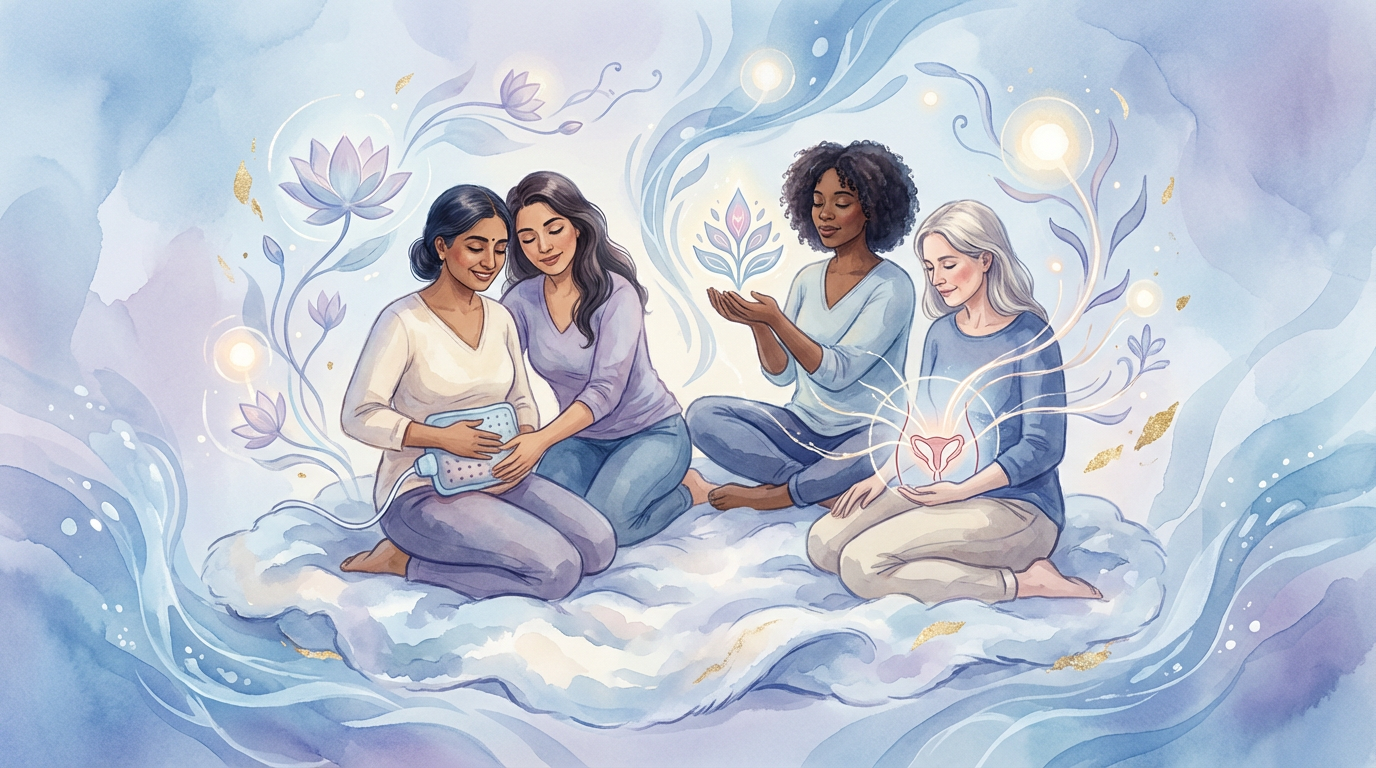
Endometriosis: Understanding, Managing & Living Well
A comprehensive guide to understanding endometriosis, managing pain, and living a fulfilling life with this chronic condition.
Listen to this article
~19 min listen
Click play to generate audio narration with a calming voice
Endometriosis: Understanding, Managing & Living Well
Endometriosis affects approximately 1 in 10 women of reproductive age worldwide, yet it remains one of the most misunderstood and underdiagnosed conditions in women's health. This comprehensive guide will help you understand endometriosis, recognize its symptoms, explore treatment options, and discover strategies for living well with this chronic condition.
What Is Endometriosis?
Endometriosis is a condition where tissue similar to the lining of the uterus (endometrium) grows outside the uterus. This tissue can be found on the ovaries, fallopian tubes, bladder, bowel, and other pelvic organs. During your menstrual cycle, this misplaced tissue responds to hormonal changes just like normal endometrial tissue—it thickens, breaks down, and bleeds. However, unlike menstrual blood that exits the body, this blood has nowhere to go, leading to inflammation, pain, and the formation of scar tissue.
The condition can range from mild to severe, with some women experiencing debilitating symptoms while others have minimal discomfort despite extensive endometrial growth. This variability makes diagnosis and treatment challenging.
Recognizing the Symptoms
Common Symptoms Include:
Pelvic Pain: The hallmark symptom, often worse during menstruation but can occur throughout the cycle. Many women describe this as pain that feels different from normal period cramps—deeper, more persistent, and sometimes radiating to the lower back and legs.
Heavy or Irregular Periods: Excessive bleeding, prolonged periods, or spotting between cycles.
Pain During Intercourse: Known as dyspareunia, this can occur during or after sexual activity and may be deep and penetrating.
Painful Bowel Movements or Urination: Especially during menstruation, indicating endometrial tissue on the bowel or bladder.
Fertility Challenges: Endometriosis can affect fertility in 30-50% of cases, though many women with endometriosis do conceive naturally.
Fatigue and Chronic Pain: The ongoing inflammation and pain can lead to exhaustion, impacting daily life and mental health.
Digestive Issues: Bloating, nausea, diarrhea, or constipation, particularly around menstruation.
It's important to note that symptom severity doesn't always correlate with the extent of endometrial growth. Some women with minimal endometriosis experience severe pain, while others with extensive disease have few symptoms.
Getting Diagnosed
Diagnosis can be frustratingly slow—studies show an average delay of 7-10 years from symptom onset to diagnosis. This delay often occurs because symptoms are dismissed as "normal period pain" or attributed to other conditions.
The Diagnostic Journey:
Medical History and Physical Exam: Your healthcare provider will ask about your symptoms, menstrual history, and family history of endometriosis.
Imaging Tests: Ultrasound or MRI can identify cysts (endometriomas) and larger areas of endometrial tissue, though they may miss smaller lesions.
Laparoscopy: The gold standard for diagnosis. This minimally invasive surgery allows direct visualization and biopsy of endometrial tissue.
Finding the Right Doctor: If your concerns are dismissed, seek a specialist—an OB-GYN with expertise in endometriosis or a reproductive endocrinologist.
Treatment Options
There's no cure for endometriosis, but multiple treatment approaches can effectively manage symptoms and improve quality of life.
Pain Management:
- •NSAIDs: Over-the-counter pain relievers like ibuprofen can reduce inflammation
- •Prescription Pain Medication: For more severe pain
- •Physical Therapy: Pelvic floor therapy can address pain and muscle tension
- •TENS Units: Transcutaneous electrical nerve stimulation for pain relief
- •Heat Therapy: Heating pads, warm baths, or heat patches
Hormonal Therapies:
- •Birth Control Pills: Continuous or extended-cycle pills can reduce or eliminate menstruation
- •Progestin Therapy: Available as pills, IUDs, injections, or implants
- •GnRH Agonists/Antagonists: Create a temporary menopause-like state to stop endometrial growth
- •Aromatase Inhibitors: Reduce estrogen production
Surgical Interventions:
- •Laparoscopic Excision: Removes visible endometrial tissue while preserving fertility
- •Hysterectomy: Removal of the uterus, sometimes with ovaries, for severe cases
- •Adhesion Removal: Addresses scar tissue that may cause pain
Complementary Approaches:
- •Dietary Changes: Anti-inflammatory foods, omega-3s, reducing red meat and processed foods
- •Acupuncture: May help with pain management
- •Mind-Body Practices: Yoga, meditation, mindfulness for stress and pain
- •Supplements: Magnesium, vitamin D, omega-3s (consult your doctor first)
Living Well with Endometriosis
Self-Care Strategies:
Track Your Symptoms: Use apps or journals to identify patterns and triggers. This information is valuable for both you and your healthcare team.
Prioritize Rest: Chronic pain is exhausting. Listen to your body and rest when needed without guilt.
Gentle Movement: While vigorous exercise may be challenging during flare-ups, gentle activities like walking, swimming, or yoga can help manage pain and improve mood.
Stress Management: Chronic pain and endometriosis can take a toll on mental health. Consider therapy, support groups, or stress-reduction techniques.
Build Your Support Network: Connect with others who understand what you're going through, whether through online communities, local support groups, or trusted friends and family.
Workplace and Lifestyle Adaptations:
- •Communicate with employers about accommodations if needed
- •Use heating pads or TENS units discreetly at work
- •Plan important events around your cycle when possible
- •Develop a flare-up management plan
Fertility Considerations:
If you're concerned about fertility, consult a reproductive endocrinologist early. Many women with endometriosis do conceive, and various fertility treatments are available. Don't let endometriosis define your reproductive choices—work with specialists to explore all options.
The Emotional Impact
Living with chronic pain and an invisible illness can be emotionally challenging. Many women with endometriosis experience:
- •Frustration with delayed diagnosis or dismissive healthcare providers
- •Anxiety about fertility
- •Depression related to chronic pain
- •Relationship strain
- •Social isolation due to unpredictable symptoms
Mental health support is crucial. Consider working with a therapist who understands chronic illness, connecting with support communities, and openly communicating with loved ones about your needs.
Advocacy and Awareness
Endometriosis research is underfunded, and awareness is still growing. You can contribute by:
- •Sharing your story to reduce stigma
- •Supporting endometriosis research organizations
- •Advocating for better healthcare access and earlier diagnosis
- •Educating others about the condition
Looking Forward
While endometriosis is a chronic condition, it doesn't have to control your life. With the right treatment team, effective symptom management, and support network, many women with endometriosis lead full, active lives. Stay informed, advocate for your health, and remember that your pain is real and deserves attention.
Disclaimer: PERIODiQ™ offers general wellness information only. It does not provide medical advice, diagnosis, or treatment. Always speak with a licensed health professional about your health.
Cite this article
PERIODiQ Editorial Team (2025). "Endometriosis: Understanding, Managing & Living Well." PERIODiQ. https://periodiq.app/library/endometriosis-guide
"Endometriosis: Understanding, Managing & Living Well." PERIODiQ, 2025, https://periodiq.app/library/endometriosis-guide.
Send this to a friend — PERIODiQ is free for them too. No card. No paywall.
Loved this? Save articles, track your cycle, and unlock meditations — free forever.
Disclaimer: PERIODiQ™ offers general wellness information only. It does not provide medical advice, diagnosis, or treatment. Always speak with a licensed health professional about your health.