
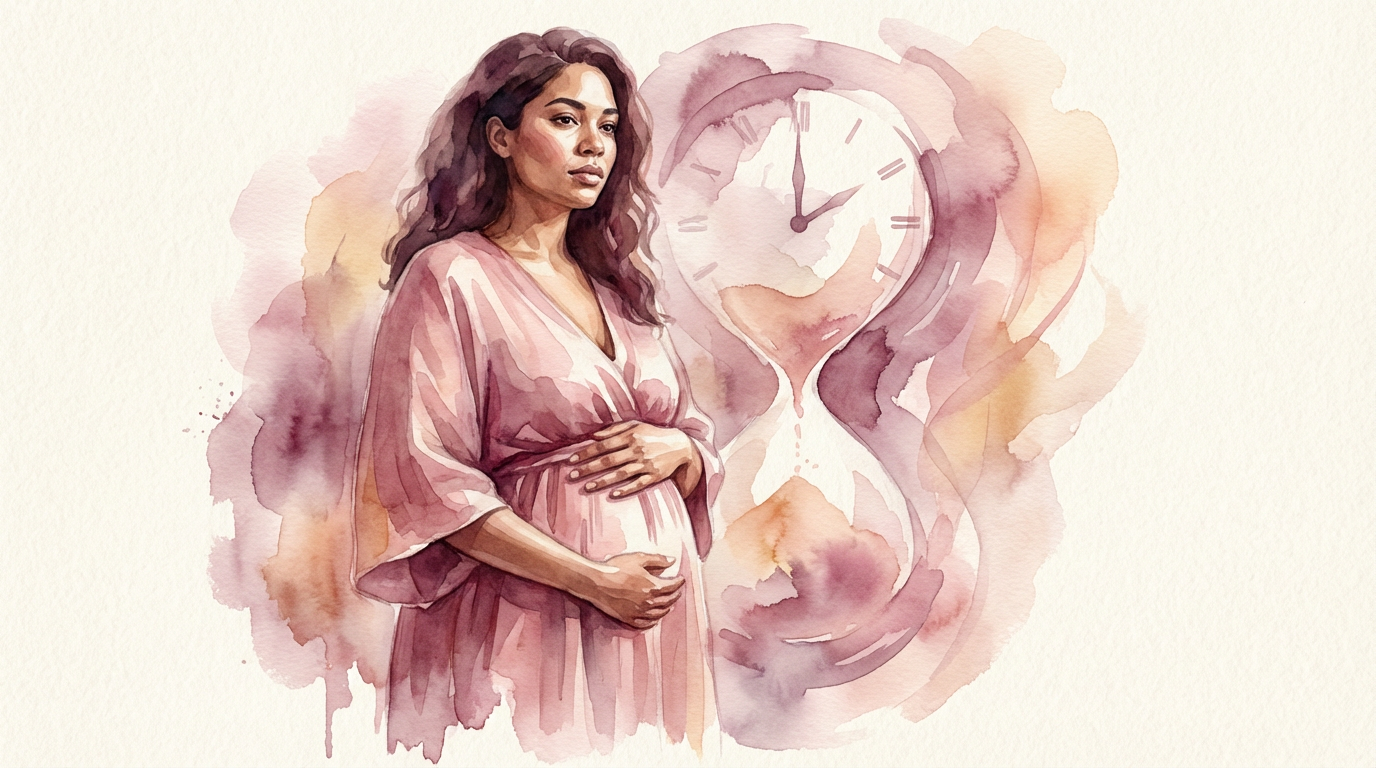
Endometriosis Diagnosis Delay: Why It Takes 7-10 Years in the US and Canada
Generated article about Endometriosis Diagnosis Delay: Why It Takes 7-10 Years in the US and Canada
Listen to this article
~17 min listen
Click play to generate audio narration with a calming voice
TL;DR Summary
- •The average endometriosis diagnosis delay in North America is 7-10 years, leaving millions suffering from chronic pelvic pain diagnosis without answers.
- •Key contributors to this delay include symptom normalization by patients and healthcare providers, limited physician training in endometriosis, and the invasive nature of definitive diagnosis.
- •This prolonged wait exacerbates pain, impacts fertility, and significantly diminishes quality of life for individuals with endometriosis.
The Lingering Shadow: Why Endometriosis Diagnosis Takes Years in North America
The average endometriosis diagnosis delay in the United States and Canada tragically hovers between 7 to 10 years. This prolonged wait for a definitive diagnosis leaves millions of individuals grappling with debilitating chronic pelvic pain and a myriad of other symptoms, often dismissed or misattributed for nearly a decade. The reasons behind this significant delay are multifaceted, stemming from a complex interplay of patient factors, healthcare system shortcomings, and societal biases that disproportionately affect those assigned female at birth.
What Exactly Is Endometriosis?
Endometriosis is a chronic, inflammatory condition where tissue similar to the lining inside the uterus (the endometrium) grows outside of it. This endometrial-like tissue can be found on the ovaries, fallopian tubes, outer surface of the uterus, bowels, bladder, and, in rare cases, even in distant locations like the lungs or brain. Unlike the tissue inside the uterus, which sheds during menstruation, these misplaced growths have no way to exit the body. As a result, they respond to hormonal changes, bleeding, and causing inflammation, scarring, adhesions, and cysts. This process leads to symptoms such as severe menstrual cramps, chronic pelvic pain, pain during intercourse, painful bowel movements or urination, heavy bleeding, and infertility.
Why the Alarmingly Long Endometriosis Diagnosis Delay?
The alarmingly long endometriosis diagnosis delay is not due to a single cause but rather a confluence of systemic issues and individual experiences. Understanding these contributing factors is crucial for advocating for change and improving diagnostic pathways.
Patient-Related Factors: Normalization of Pain and Lack of Awareness
Individuals often play an unwitting role in their own diagnostic delay due to the normalization of certain symptoms.
How Does Symptom Normalization Contribute to the Delay?
Symptom normalization significantly contributes to the endo wait time because many individuals are taught from a young age that severe period pain is a normal part of menstruation. Cultural narratives and even medical advice often downplay symptoms, leading individuals to believe that their debilitating cramps, heavy bleeding, or painful intercourse are simply "bad periods" they must endure. This societal conditioning means they may not seek medical help until their symptoms become unbearable or start significantly impacting their daily lives, by which point the disease may have progressed.
What Role Does Limited Patient Awareness Play?
Limited patient awareness about endometriosis itself means that many individuals don't recognize their symptoms as indicative of a specific medical condition. They might not connect their chronic fatigue, digestive issues, or pain with other menstrual symptoms, making it harder to articulate their concerns effectively to healthcare providers. Without knowing what questions to ask or what conditions to suggest, they are less likely to receive appropriate diagnostic workups.
Healthcare Provider-Related Factors: Education Gaps and Bias
Healthcare providers, despite their best intentions, often contribute to the delay through gaps in their education and unconscious biases.
Is There a Lack of Physician Education on Endometriosis?
Yes, there is a pervasive lack of comprehensive physician education on endometriosis within medical school curricula and ongoing professional development. Many general practitioners, and even some gynecologists, may not receive adequate training on the varied presentations of endometriosis, its subtle signs, or the best diagnostic approaches. This knowledge gap leads to misdiagnosis, delayed referrals, or a tendency to treat symptoms rather than investigate the underlying cause, prolonging the chronic pelvic pain diagnosis journey.
How Does Medical Gaslighting Affect Diagnosis?
Medical gaslighting is a significant barrier, often leading to individuals being told their pain is "all in their head," that they are "overreacting," or that their symptoms are simply typical period pain. This invalidation of symptoms, particularly for conditions predominantly affecting women, erodes trust in the healthcare system and discourages individuals from seeking further help. It forces them to repeatedly advocate for themselves, often facing skepticism, before receiving a proper evaluation, thereby extending the endometriosis diagnosis delay.
What Impact Do Gender Bias and Pain Dismissal Have?
Gender bias and the dismissal of women's pain are deeply ingrained issues within healthcare. Research consistently shows that women's pain is often taken less seriously, attributed to psychological factors, and treated less aggressively than men's pain. For a condition like endometriosis, which manifests as severe pain and primarily affects women, this bias leads to delayed treatment, under-prescription of pain relief, and a reluctance to pursue invasive diagnostic measures, contributing significantly to the endo wait time.
Diagnostic Challenges: The Elusive Nature of Endometriosis
The inherent challenges in diagnosing endometriosis also contribute to the long wait.
Why is Endometriosis So Difficult to Diagnose Non-Invasively?
Endometriosis is challenging to diagnose non-invasively because, unlike many conditions, it does not reliably show up on standard imaging tests like ultrasounds, CT scans, or MRIs, especially in early stages or when lesions are small. While these scans can sometimes detect larger endometriomas (cysts) or deep infiltrating endometriosis, they often miss superficial implants. This means that even with advanced imaging, a definitive diagnosis often remains elusive without surgical intervention, contributing to the endometriosis diagnosis delay.
What is the Role of Laparoscopy in Diagnosis?
Laparoscopy is currently considered the gold standard for definitively diagnosing endometriosis. It is a minimally invasive surgical procedure where a surgeon makes a small incision, usually near the navel, and inserts a thin, lighted tube with a camera (laparoscope) to visualize the pelvic organs. During this procedure, the surgeon can identify endometrial implants and take biopsies for pathological confirmation. However, because it is an invasive surgery, it is often considered a last resort, after other avenues have been exhausted, thus pushing out the endo wait time.
Are There Emerging Non-Invasive Diagnostic Tools?
Researchers are actively exploring emerging non-invasive diagnostic tools, such as advanced blood biomarkers, specialized MRI techniques (like diffusion-weighted imaging), and even AI-powered analysis of symptom profiles. While promising, these tools are still largely experimental or in clinical trial phases and are not yet widely available or considered definitive for routine clinical diagnosis. Their development aims to reduce the reliance on laparoscopy and shorten the endometriosis diagnosis delay in the future.
Systemic Factors: Healthcare Access and Research Funding
Broader systemic issues within healthcare also play a role.
How Does Limited Access to Specialists Impact Diagnosis?
Limited access to specialists, particularly gynecologists with expertise in endometriosis, significantly impacts diagnosis. In many regions, especially rural areas, there are insufficient specialists, leading to long waiting lists for appointments. Even when an individual is referred, the wait to see an endometriosis expert who can correctly identify and manage the condition can add months or even years to the endo wait time, exacerbating their chronic pelvic pain diagnosis journey.
Is There Underfunding for Endometriosis Research?
Historically, endometriosis has been significantly underfunded compared to other chronic conditions with similar prevalence and impact. This underfunding affects the pace of research into better diagnostic methods, more effective treatments, and a deeper understanding of the disease's etiology. A lack of robust research means that diagnostic tools and treatments evolve slowly, contributing to the persistent endometriosis diagnosis delay.
Impact of the Prolonged Diagnosis Delay
The ramifications of a 7-10 year endometriosis diagnosis delay are profound, affecting every aspect of an individual's life.
Menstrual Health: Worsening Pain and Quality of Life
The prolonged delay means individuals endure years of escalating, often debilitating, menstrual pain without understanding its cause. This continuous experience of severe cramps, heavy bleeding, and other period-related symptoms severely impacts their daily life, leading to missed school or work, social isolation, and a significant reduction in overall quality of life. The constant pain can also lead to secondary conditions like central sensitization, making the pain harder to manage even after diagnosis.
Fertility Journey: Increased Infertility Risk
Endometriosis is a leading cause of infertility. The extended diagnosis delay allows the disease to progress, leading to increased scarring, adhesions, and damage to reproductive organs like the ovaries and fallopian tubes. This progression significantly diminishes fertility potential, making conception more difficult or impossible for many by the time they finally receive a diagnosis. The emotional toll of struggling with infertility while simultaneously battling chronic pain without a diagnosis is immense.
Pregnancy: Potential Complications and Miscarriage Risk
While endometriosis is not a direct contraindication for pregnancy, a prolonged undiagnosed state can lead to more severe disease, potentially increasing the risk of certain pregnancy complications. While not fully understood, some studies suggest a potential link between endometriosis and higher rates of miscarriage, preterm birth, or difficulties during labor, though more research is needed. Managing endometriosis during pregnancy can also be complex without a prior diagnosis and treatment plan.
Menopause: Lingering Symptoms and Surgical Considerations
Even as individuals approach menopause, the effects of a delayed endometriosis diagnosis can linger. While symptoms often lessen with declining estrogen levels, endometriosis can persist, especially deep infiltrating endometriosis or large endometriomas. The years of untreated disease may necessitate more extensive surgical interventions, such as hysterectomy and oophorectomy, to manage severe pain or complications that could have been less severe with earlier diagnosis and management. Some individuals may also experience menopausal symptoms compounded by chronic pain from long-standing endometriosis.
How Can We Shorten the Endometriosis Diagnosis Delay?
Addressing the endometriosis diagnosis delay requires a multi-pronged approach involving patient empowerment, improved healthcare provider education, and systemic changes.
Empowering Patients: Advocate for Yourself
What Steps Can I Take to Advocate for My Health?
To advocate for your health and potentially shorten your endo wait time, meticulously track your symptoms, including pain intensity, location, and triggers. Keep a detailed pain journal. Educate yourself about endometriosis and be prepared to discuss it with your doctor. Don't be afraid to seek second opinions if you feel dismissed. Bring a trusted friend or family member to appointments for support and to help remember information. Clearly articulate how your symptoms impact your daily life, work, and relationships. Be persistent.
Where Can I Find Reliable Information and Support?
Reliable information and support can be found through reputable organizations like the Endometriosis Foundation of America (EndoFound), Endometriosis UK, or the Endometriosis Network Canada. These organizations offer resources, support groups, and up-to-date research. Online forums and social media groups, while offering community, should be approached with caution, always cross-referencing information with medical professionals.
Improving Healthcare: Education and Awareness
How Can Medical Education Be Enhanced?
Medical education can be enhanced by integrating comprehensive endometriosis training into medical school curricula and residency programs, particularly for obstetrics and gynecology, family medicine, and emergency medicine. This should include recognizing varied symptom presentations, understanding the impact of delayed diagnosis, and promoting early referral to specialists. Continuing medical education (CME) courses focused on endometriosis should also be mandatory for relevant specialties.
What Role Do Public Awareness Campaigns Play?
Public awareness campaigns are crucial for dismantling the normalization of severe period pain and educating the general public about endometriosis. These campaigns can encourage individuals to seek help earlier, recognize symptoms, and empower them to advocate for proper diagnosis. Increased public awareness can also put pressure on policymakers to allocate more funding for research and specialized care, ultimately reducing the endometriosis diagnosis delay.
Policy and Research: Driving Systemic Change
How Can Policy Changes Support Earlier Diagnosis?
Policy changes can support earlier diagnosis by increasing funding for endometriosis research, establishing national guidelines for diagnosis and treatment, and promoting the creation of specialized endometriosis centers. Policies could also incentivize medical schools to enhance endometriosis education and support initiatives that reduce physician bias. Furthermore, ensuring equitable access to healthcare and specialized care across all regions is vital.
What Research Avenues Hold Promise for Faster Diagnosis?
Research avenues holding promise for faster diagnosis include the development of non-invasive biomarkers (e.g., blood, urine, saliva tests), advanced imaging techniques (e.g., AI-enhanced MRI), and genetic studies to identify predispositions. Investigating the molecular mechanisms of endometriosis could also lead to novel diagnostic tools and targeted therapies, drastically shortening the chronic pelvic pain diagnosis journey and the overall endo wait time.
Key Takeaways
- •The average endometriosis diagnosis delay in the US and Canada is 7-10 years, causing immense suffering.
- •This delay is driven by symptom normalization, lack of physician education, diagnostic challenges, and systemic biases.
- •Early diagnosis is critical to mitigate disease progression, preserve fertility, and improve quality of life.
- •Patients must advocate for themselves, track symptoms, and seek expert opinions.
- •Healthcare systems need improved medical education, public awareness, and increased research funding to reduce the endo wait time.
Frequently Asked Questions
Q: What is the average endometriosis diagnosis delay in North America?
The average endometriosis diagnosis delay in the United States and Canada is between 7 to 10 years. This significant wait time contributes to prolonged suffering and disease progression for individuals with the condition.
Q: Why does it take so long to diagnose endometriosis?
It takes so long to diagnose endometriosis due to a combination of factors: the normalization of severe period pain, limited awareness among patients and healthcare providers, a lack of comprehensive medical education on the condition, medical gaslighting, the difficulty of non-invasively detecting endometrial implants, and the fact that definitive diagnosis often requires invasive surgery (laparoscopy).
Q: Can an ultrasound diagnose endometriosis?
While an ultrasound can sometimes detect larger endometriomas (cysts) or deep infiltrating endometriosis, it is generally not sufficient for a definitive diagnosis of all types of endometriosis, especially superficial implants. Many individuals with endometriosis have normal ultrasound findings, contributing to the chronic pelvic pain diagnosis challenge.
Q: What are the main symptoms of endometriosis?
The main symptoms of endometriosis include severe and often debilitating menstrual cramps (dysmenorrhea), chronic pelvic pain, pain during or after sexual intercourse (dyspareunia), heavy menstrual bleeding (menorrhagia), painful bowel movements or urination (dyschezia/dysuria), fatigue, and infertility. Symptoms can vary widely among individuals.
Q: Is there a cure for endometriosis?
Currently, there is no definitive cure for endometriosis. Management strategies focus on alleviating symptoms, slowing disease progression, and improving quality of life. These can include pain medication, hormonal therapies, and surgical interventions to remove endometrial implants.
Q: What should I do if I suspect I have endometriosis?
If you suspect you have endometriosis, start by meticulously tracking your symptoms, including pain levels, timing, and how they impact your daily life. Schedule an appointment with a gynecologist, ideally one with expertise in chronic pelvic pain or endometriosis. Be prepared to advocate for yourself, ask specific questions, and don't hesitate to seek a second opinion if you feel your concerns are not being adequately addressed, thereby aiming to reduce your endo wait time.
Q: Does endometriosis always cause infertility?
No, endometriosis does not always cause infertility. While it is a significant cause of infertility for many individuals, some with endometriosis can conceive naturally. The impact on fertility depends on the severity and location of the endometrial implants, and early diagnosis and management can sometimes help preserve fertility.
Start Your Wellness Journey Today
Ready to track your cycle, fertility, pregnancy, or menopause journey? Download PERIODiQ - your iQ-powered wellness companion designed for every stage of your health journey.
Get PERIODiQ Free: https://periodiq.app
Your Wellness Journey Starts Here
Download PERIODiQ
Scan the QR code or tap the link to get started with your personalized health tracking.
periodiq.app • iOS & Android
Cite this article
PERIODiQ Editorial Team (2026). "Endometriosis Diagnosis Delay: Why It Takes 7-10 Years in the US and Canada." PERIODiQ. https://periodiq.app/library/endometriosis-diagnosis-delay-why-it-takes-7-10-years-in-the-us-and-canada
"Endometriosis Diagnosis Delay: Why It Takes 7-10 Years in the US and Canada." PERIODiQ, 2026, https://periodiq.app/library/endometriosis-diagnosis-delay-why-it-takes-7-10-years-in-the-us-and-canada.
Send this to a friend — PERIODiQ is free for them too. No card. No paywall.
Loved this? Save articles, track your cycle, and unlock meditations — free forever.
Disclaimer: PERIODiQ™ offers general wellness information only. It does not provide medical advice, diagnosis, or treatment. Always speak with a licensed health professional about your health.